
The landscape of modern entrepreneurship has been irrevocably shaped by the rise of e-commerce, and at its forefront stands Shopify – a platform that has democratized online selling for millions. Starting a Shopify business isn’t just about launching a website; it’s about embarking on a journey of financial independence, strategic income generation, and meticulous fiscal management. In an era where online income and side hustles are increasingly vital, understanding the financial intricacies of establishing and scaling a Shopify venture is paramount. This guide will delve deep into the monetary aspects, from initial capital investment to long-term profitability, ensuring a robust financial foundation for your entrepreneurial aspirations.
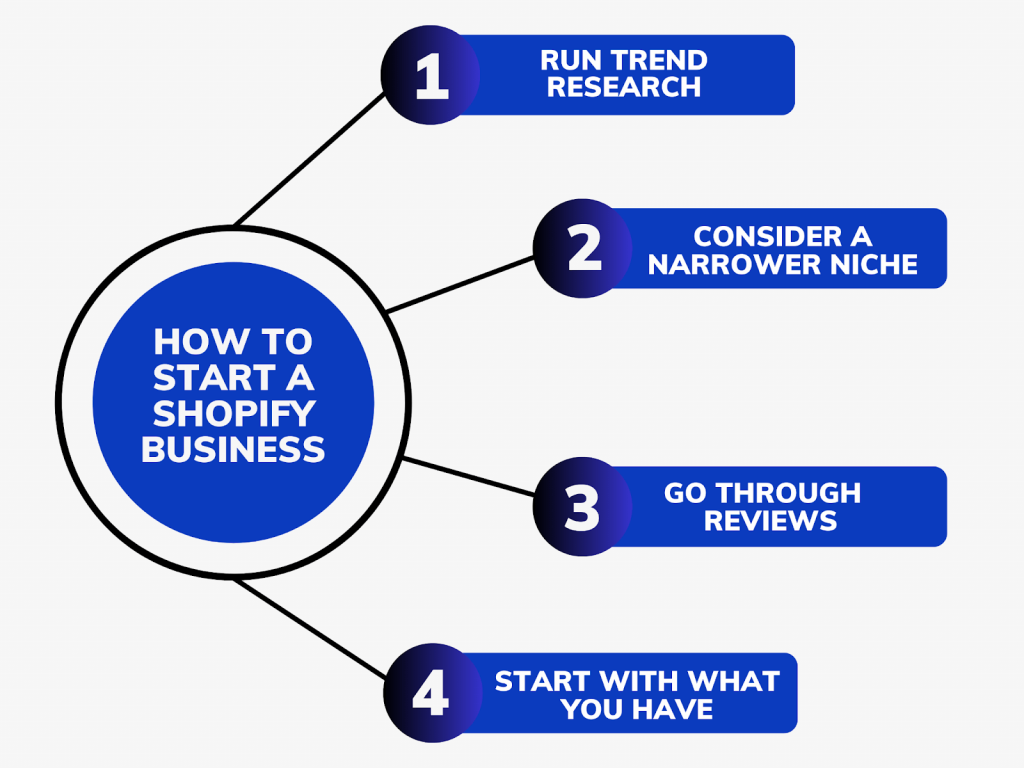
Laying the Financial Foundation: Business Planning and Capital
The genesis of any successful business lies in a solid financial plan. For a Shopify store, this involves more than just selecting products; it requires a meticulous understanding of market demand, capital allocation, and a clear vision for profitability.
Defining Your Business Model and Niche
Before a single dollar is spent, identifying a financially viable business model and niche is crucial. This involves rigorous market research to pinpoint products with high demand and healthy profit margins.
- Identifying Profitable Product Ideas: This stage is less about passion and more about market gaps and consumer demand. Utilize tools for keyword research, trend analysis, and competitor analysis to uncover products that sell well. Consider the cost of goods sold (COGS) in relation to potential selling price to gauge profitability. High-demand, low-competition products with reasonable COGS are ideal.
- Understanding Target Audience and Pricing Strategies: Who are you selling to, and what are they willing to pay? Your target audience dictates not only your product choice but also your pricing strategy. Will you compete on price, or differentiate through value, branding, or unique features? Common strategies include cost-plus pricing (adding a markup to COGS), value-based pricing (charging what customers perceive the value to be), and competitive pricing. Each has distinct financial implications for your revenue and profit margins.
- Considering Different E-commerce Models and Their Financial Implications:
- Dropshipping: Low upfront inventory cost, meaning less capital risk. However, per-item profit margins can be thinner, and reliance on third-party suppliers impacts quality control and shipping times. Your financial model here relies on high volume and efficient marketing spend.
- Print-on-Demand (POD): Similar to dropshipping in low inventory risk, as products are only printed when an order comes in. Initial costs include design investment and platform fees. Profitability depends on design appeal and effective marketing.
- Private Label/White Label: Higher upfront investment in manufacturing, branding, and inventory. Offers greater control over product quality and branding, potentially leading to higher profit margins and stronger brand equity. Requires significant capital planning for production runs.
- Digital Products: Minimal COGS, often high-profit margins once created. Investment is primarily in creation time and marketing. Scalability is excellent, as there’s no physical inventory or shipping.
Calculating Startup Costs and Funding Your Venture
Starting a Shopify business requires capital. Understanding where your money goes is the first step in managing it effectively.
- Breakdown of Initial Investments:
- Shopify Subscription: Monthly fees vary by plan (Basic, Shopify, Advanced). This is a fixed operational cost from day one.
- Domain Name: An annual cost, typically minimal, but essential for brand identity.
- Theme: While free themes exist, premium themes (one-time purchase) offer more customization and features, potentially enhancing conversion rates and customer experience.
- Product Sourcing/Inventory: For physical goods, this is often the largest upfront cost, especially for private label or bulk purchasing. Dropshipping mitigates this.
- Marketing & Advertising: Critical for visibility. Initial budget for paid ads (social media, Google), content creation, or influencer collaborations.
- Legal & Administrative Fees: Business registration, licenses, permits, potentially trademarking. These ensure compliance and protect your assets.
- Estimating Operational Costs: Beyond initial setup, ongoing expenses will impact your monthly cash flow. These include transaction fees (Shopify’s and payment gateways’), app subscriptions for added functionality (e.g., SEO tools, email marketing, loyalty programs), shipping costs (packaging, postage, fulfillment services), and potential customer service infrastructure.
- Exploring Funding Options:
- Self-Funding/Bootstrapping: Using personal savings or reinvesting early profits. This maintains full ownership but limits initial scale.
- Small Business Loans: Traditional banks or online lenders offer capital. Requires a solid business plan and potentially collateral.
- Crowdfunding: Platforms like Kickstarter or Indiegogo can raise funds and validate demand simultaneously, especially for innovative products.
- Venture Capital/Angel Investors: Suitable for high-growth potential businesses requiring substantial capital, often exchanging equity for investment.
Crafting a Robust Financial Plan
A financial plan is your roadmap to profitability. It guides decision-making and helps measure success.
- Budgeting for Growth and Unexpected Expenses: Allocate funds not just for current operations but also for future expansion (new products, more marketing) and create an emergency fund for unforeseen challenges (supply chain disruptions, return rate spikes).
- Forecasting Sales and Revenue: Based on market research, conversion rates, and marketing spend, project realistic sales figures. Use different scenarios (best-case, worst-case, realistic) to understand potential outcomes.
- Setting Realistic Profit Margins and Break-Even Analysis: Calculate your gross profit (revenue minus COGS) and net profit (gross profit minus all operating expenses). Understand your break-even point – the sales volume needed to cover all your costs – to set achievable financial targets.
Monetizing Your Shopify Store: Strategies for Revenue Generation
Once the financial groundwork is laid, the focus shifts to maximizing revenue and ensuring every dollar spent on attracting customers yields a strong return. Effective monetization strategies are the lifeblood of a profitable Shopify business.
Product Sourcing and Pricing for Profitability
The financial success of your Shopify store begins with the unit economics of your products.
- Supplier Negotiation and Cost Management: For physical products, aggressively negotiating with suppliers for better COGS directly impacts your gross profit margins. Explore bulk discounts, favorable payment terms, and multiple supplier options to mitigate risk and control costs. Regularly review sourcing options to ensure you’re getting the best value.
- Value-Based vs. Cost-Plus Pricing Strategies: As discussed, your pricing must align with your brand and market position. Value-based pricing, while harder to quantify, can yield higher profit margins if your product offers unique benefits or a premium experience. Cost-plus pricing provides a clear minimum but might leave money on the table if customers perceive higher value.
- Upselling, Cross-selling, and Bundle Deals to Increase Average Order Value (AOV): These tactics are crucial for increasing the financial output of each customer.
- Upselling: Encouraging customers to purchase a more expensive version of a chosen product (e.g., a premium package).
- Cross-selling: Suggesting complementary products (e.g., a phone case with a new phone).
- Bundle Deals: Offering a group of products at a slightly reduced price than if purchased individually. These strategies directly boost your AOV without incurring additional customer acquisition costs.
Effective Marketing and Sales Funnels for ROI
Marketing is an investment, not an expense. Measuring its return on investment (ROI) is critical for sustainable growth.
- Paid Advertising (Google Ads, Social Media) – Budgeting and Tracking ROI: Paid ads can deliver immediate traffic and sales, but they require careful budgeting and continuous performance monitoring. Set clear goals for Customer Acquisition Cost (CAC) and Return on Ad Spend (ROAS). A positive ROAS indicates profitable advertising; constant optimization is needed to improve it.
- Organic Traffic Generation (SEO, Content Marketing, Email Marketing) – Long-Term Investment: While paid ads offer quick wins, organic strategies build long-term, cost-effective traffic.
- SEO (Search Engine Optimization): Optimizing your store and product pages to rank higher on search engines. This is a foundational, ongoing investment that yields free, high-intent traffic over time.
- Content Marketing: Creating valuable blog posts, guides, or videos that attract potential customers and establish your brand as an authority. This builds trust and drives organic traffic.
- Email Marketing: Building an email list allows for direct, low-cost communication with customers, fostering loyalty, driving repeat purchases, and announcing new products or promotions.
- Conversion Rate Optimization (CRO) to Maximize Sales from Existing Traffic: It’s often more cost-effective to improve the conversion rate of existing website visitors than to continually spend on acquiring new ones. This involves optimizing your store’s design, product descriptions, checkout process, and calls to action to encourage more purchases. A higher conversion rate directly translates to more revenue from the same marketing spend.
Managing Inventory and Fulfillment Costs
For physical products, efficient inventory and fulfillment are significant financial levers.
- Inventory Management Strategies to Avoid Overstocking/Understocking: Overstocking ties up capital and incurs storage costs; understocking leads to lost sales and customer dissatisfaction. Use inventory management tools, forecast demand accurately, and implement just-in-time inventory where feasible.
- Optimizing Shipping Costs and Logistics: Shipping can erode profit margins if not managed carefully. Negotiate rates with carriers, offer tiered shipping options (free shipping for higher order values to boost AOV), and consider flat-rate shipping.
- Considering Fulfillment Options (Self-Fulfillment, 3PL, Dropshipping):
- Self-Fulfillment: You handle packaging and shipping. Offers maximum control but requires time, space, and labor, impacting operational costs.
- Third-Party Logistics (3PL): Outsourcing warehousing, packaging, and shipping to a specialized company. Can reduce operational overhead and improve efficiency, but comes with its own fees.
- Dropshipping: Fulfillment is handled by your supplier. Low upfront cost but less control over the customer experience and shipping times.
Sustaining Financial Health and Growth: Beyond the Launch
Launching a Shopify business is just the beginning. Long-term success hinges on continuous financial monitoring, strategic scaling, and diligent compliance.
Financial Tracking and Performance Analysis
Regularly reviewing financial data is crucial for understanding your business’s health and making informed decisions.
- Key Metrics: Net Profit Margin, Gross Profit Margin, Customer Acquisition Cost (CAC), Customer Lifetime Value (CLTV):
- Net Profit Margin: The percentage of revenue left after all expenses, indicating overall profitability.
- Gross Profit Margin: The percentage of revenue left after COGS, indicating product-level profitability.
- Customer Acquisition Cost (CAC): The total cost of marketing and sales efforts needed to acquire one customer. A low CAC is vital for profitability.
- Customer Lifetime Value (CLTV): The total revenue a business expects to generate from a single customer over their entire relationship. Ideally, CLTV should be significantly higher than CAC.
- Utilizing Shopify Analytics and Third-Party Financial Tools: Shopify’s built-in analytics provide valuable insights into sales, traffic, and customer behavior. Complement this with accounting software (e.g., QuickBooks, Xero) to manage expenses, generate financial statements, and track profitability accurately.
- Regularly Reviewing Income Statements and Balance Sheets: These core financial reports offer snapshots of your business’s performance (income statement shows profitability over time) and financial position (balance sheet shows assets, liabilities, and equity at a point in time). Understand these to identify trends, opportunities, and risks.
Scaling Your Business for Increased Profitability
Growth isn’t just about more sales; it’s about achieving those sales more profitably.
- Expanding Product Lines or Entering New Markets: Introduce complementary products or expand into new geographic regions to tap into new revenue streams. Conduct thorough market research to ensure these expansions are financially viable.
- Automating Processes to Reduce Operational Costs: As your business grows, manual tasks become unsustainable and costly. Invest in automation tools for customer service, email marketing, inventory management, and order fulfillment to reduce labor costs and improve efficiency.
- Building a Strong Customer Retention Strategy to Reduce CAC: It’s significantly cheaper to retain an existing customer than to acquire a new one. Implement loyalty programs, exceptional customer service, and personalized email campaigns to foster repeat purchases and increase CLTV, thereby improving your overall financial efficiency.
Navigating Taxes and Legal Financial Compliance
Financial compliance is non-negotiable and can have significant monetary repercussions if overlooked.
- Understanding Sales Tax Obligations (US: Nexus, International: VAT/GST): Sales tax rules are complex and vary by jurisdiction. In the US, you generally need to collect sales tax if you have a “nexus” (physical or economic presence) in a state. Internationally, VAT (Value Added Tax) or GST (Goods and Services Tax) applies. Research and implement appropriate tax collection settings on Shopify.
- Business Registration and Legal Structure Implications for Taxes: Choosing the right legal structure (sole proprietorship, LLC, corporation) affects your tax liabilities, personal liability, and administrative burden. Consult with a legal and financial professional to select the most advantageous structure.
- Keeping Accurate Financial Records for Audits and Tax Preparation: Maintain meticulous records of all income, expenses, transactions, and inventory. This simplifies tax filing, demonstrates compliance, and is invaluable in case of an audit.

Conclusion
Starting a Shopify business is an exciting venture that offers immense potential for online income and entrepreneurial growth. However, its true success is intricately tied to sound financial planning, strategic monetary management, and a vigilant eye on profitability. From the initial investment in product sourcing and marketing to the ongoing optimization of operational costs and revenue streams, every decision has a financial ripple effect. By prioritizing a robust financial foundation, continuously analyzing key performance indicators, and strategically scaling for profit, aspiring Shopify entrepreneurs can navigate the complexities of e-commerce to build a sustainable, lucrative, and ultimately rewarding business. The journey requires discipline, foresight, and a commitment to fiscal health, but the rewards of a thriving online enterprise are well within reach.
aViewFromTheCave is a participant in the Amazon Services LLC Associates Program, an affiliate advertising program designed to provide a means for sites to earn advertising fees by advertising and linking to Amazon.com. Amazon, the Amazon logo, AmazonSupply, and the AmazonSupply logo are trademarks of Amazon.com, Inc. or its affiliates. As an Amazon Associate we earn affiliate commissions from qualifying purchases.