
In the ever-evolving landscape of mobile technology, display size has become a paramount battleground for smartphone manufacturers, and Apple is no exception. For many users, a larger screen isn’t just a luxury; it’s a fundamental requirement that enhances everything from productivity to entertainment. Whether you’re a avid gamer, a movie enthusiast, or simply someone who appreciates more digital real estate for browsing and work, understanding which iPhone offers the most expansive view is crucial. This article delves into the specifics, not just identifying the current largest iPhone screen, but also exploring the technological advancements, user experience implications, and future trends that shape Apple’s display strategy.
The Quest for Maximum Display: A Historical Perspective
The journey of the iPhone’s screen size is a fascinating narrative of technological ambition meeting evolving consumer demands. What began as a revolutionary but relatively compact device has steadily grown, reflecting a broader industry trend towards immersive visual experiences.
Early iPhones and the Compact Design Ethos
When Steve Jobs introduced the original iPhone in 2007, its 3.5-inch multi-touch display was considered groundbreaking. At a time when physical keypads dominated the mobile phone market, this expansive screen, revolutionary software, and intuitive interface set a new standard. For several generations, Apple largely maintained this compact philosophy, sticking to 3.5-inch and then 4-inch displays (with the iPhone 5 series). The emphasis was on one-handed usability and a perfectly balanced form factor. The design language prioritized sleekness and pocketability, appealing to users who valued understated elegance and practical handling above all else. This era cemented Apple’s reputation for premium design and user-centric experience, even as Android competitors began experimenting with larger, often bulkier, displays.
The Shift Towards Larger Displays: Plus and Max Models Emerge
The industry, however, was shifting. As smartphones became central to daily life – for media consumption, gaming, and even light productivity – the demand for larger screens grew. Apple initially resisted, but eventually responded to market pressures. The significant pivot came in 2014 with the introduction of the iPhone 6 and, crucially, the iPhone 6 Plus. The 6 Plus shattered Apple’s long-standing compact form factor by featuring a substantial 5.5-inch display. This move was a clear acknowledgment that a segment of their user base desired more screen real estate, even if it meant a larger, less one-hand-friendly device.
This “Plus” designation continued for several generations, signifying Apple’s largest offering. The subsequent design evolution, particularly with the introduction of the all-screen design with the iPhone X, further paved the way for even larger displays within similar physical footprints. The bezel-less design allowed for greater screen-to-body ratios, effectively giving users more screen without drastically increasing the overall device size. This innovation culminated in the “Max” series, starting with the iPhone XS Max in 2018, which pushed the display size to an unprecedented 6.5 inches at the time. The “Max” moniker became synonymous with Apple’s largest and most premium flagship.
Current Generation: The Pro Max Legacy
Today, the “Pro Max” designation represents the pinnacle of Apple’s smartphone display offerings. Each year, with a new generation of iPhones, the Pro Max model consistently features the largest, most advanced display available in an iPhone. This lineage, from the iPhone 11 Pro Max to the latest iterations, embodies Apple’s commitment to delivering an uncompromised viewing experience. While the physical dimensions of the screens have stabilized around the 6.7-inch mark due to ergonomic and practical considerations, the underlying technology continues to advance. Display quality, brightness, color accuracy, and refresh rates have seen significant improvements, ensuring that while the size may be consistent, the visual experience is anything but stagnant. The Pro Max models are not just about raw size; they are about integrating cutting-edge display technology to deliver an unparalleled mobile experience.
Unveiling the Current Largest iPhone Screen
For users prioritizing an expansive visual canvas, the answer is clear: Apple’s Pro Max line consistently delivers the largest display available in an iPhone. Let’s break down the specifics that make these screens stand out.
The iPhone 15 Pro Max: King of the Hill
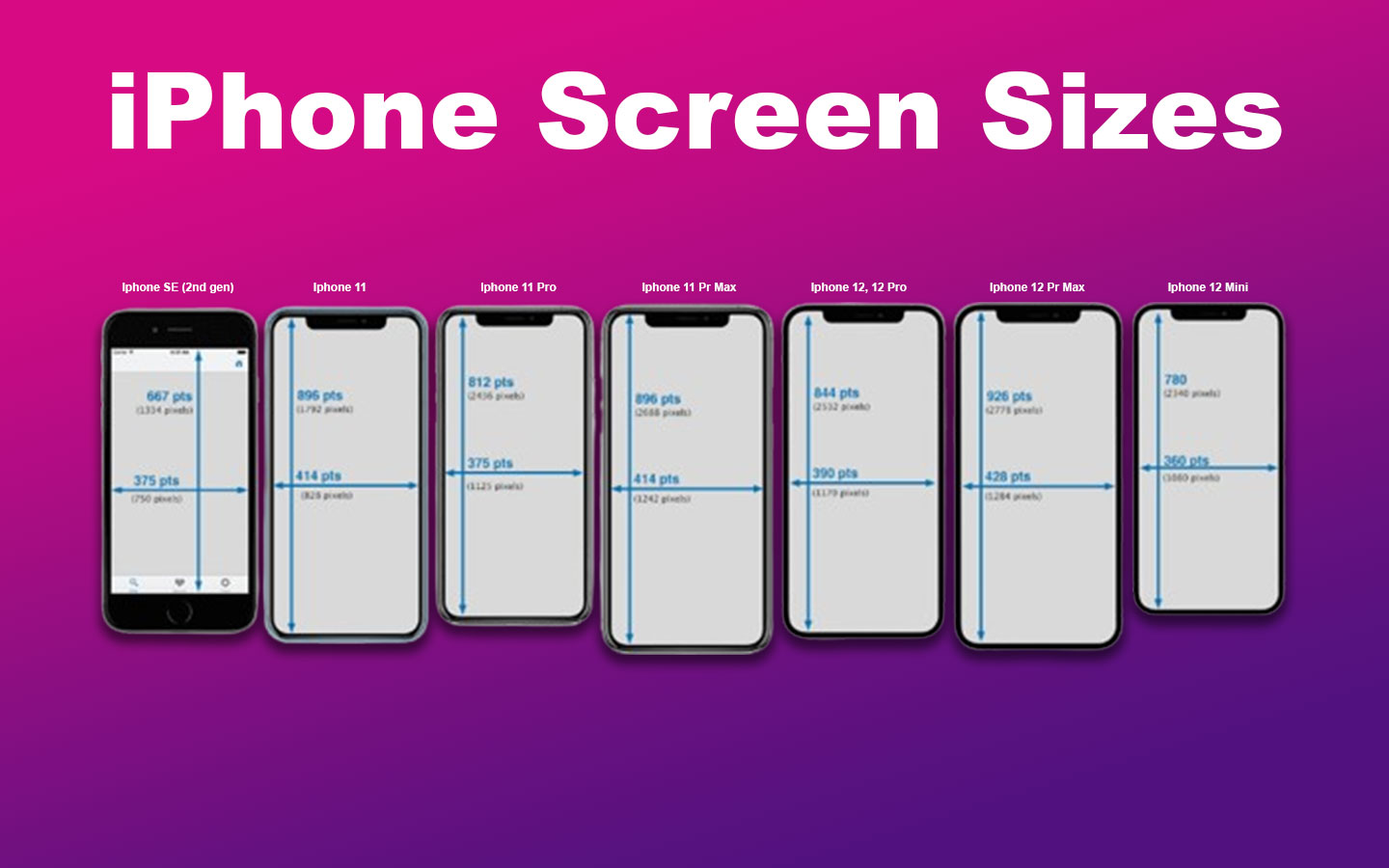
As of its release, the iPhone 15 Pro Max holds the title for the largest screen on an iPhone, boasting a 6.7-inch Super Retina XDR display. This size has become the standard for Apple’s top-tier largest models, a lineage that began with the iPhone 11 Pro Max and continued through the 12 Pro Max, 13 Pro Max, and 14 Pro Max. While the diagonal measurement has remained consistent across these recent generations, each iteration brings subtle yet significant improvements in display technology, making the latest model always the most advanced.
It’s important to note that the “Pro Max” nomenclature signifies not only the largest screen but also the most premium display features Apple offers, differentiating it from the standard Pro, Plus, and regular iPhone models which feature smaller screens (e.g., 6.1-inch for Pro and standard models, 6.7-inch for Plus models without the Pro features).
Key Display Specifications: Size, Resolution, and Technology
Beyond the diagonal measurement, the quality of a display is determined by a confluence of technical specifications. The iPhone 15 Pro Max’s 6.7-inch screen is a marvel of modern display engineering:
-
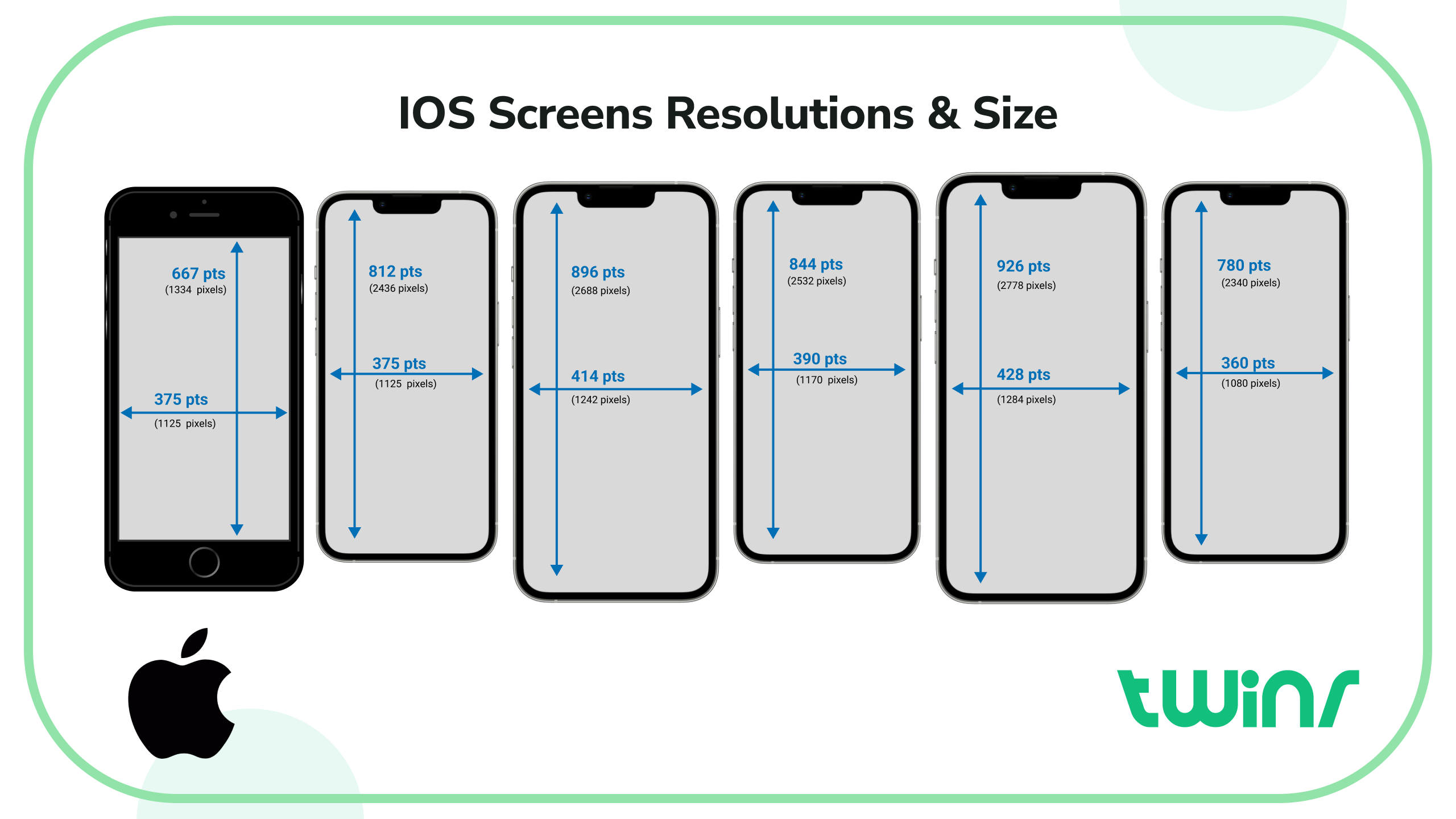
Resolution: It typically features a resolution around 2796 x 1290 pixels, resulting in an exceptionally high pixel density (often around 460 pixels per inch or ppi). This ultra-sharp resolution ensures that text is crisp, images are detailed, and videos are vibrant, making individual pixels virtually indistinguishable to the naked eye.
-
Technology (Super Retina XDR): Apple’s custom OLED (Organic Light-Emitting Diode) technology, branded as “Super Retina XDR,” is at the heart of these displays. OLED panels offer superior contrast ratios and perfect blacks because each pixel emits its own light and can be individually turned off. This delivers stunning visual depth, especially for HDR (High Dynamic Range) content. The “XDR” part signifies Extreme Dynamic Range, pushing brightness levels far beyond typical SDR displays for a truly cinematic experience.
-
ProMotion Technology: A standout feature exclusive to the Pro and Pro Max models is ProMotion technology. This allows the display to dynamically adjust its refresh rate from as low as 1Hz for static content to a buttery-smooth 120Hz for scrolling, gaming, and fast-paced animations. This adaptive refresh rate not only makes interactions feel incredibly fluid and responsive but also helps conserve battery life when high refresh rates aren’t needed.
-
Brightness: Modern Pro Max displays boast industry-leading peak brightness levels, both for typical use and especially for HDR content. This ensures excellent outdoor visibility and a truly impactful HDR viewing experience.
-
Dynamic Island: While not directly a size factor, the Dynamic Island on recent Pro and Pro Max models cleverly integrates the front camera and Face ID sensors into an interactive, dynamic notification and alert hub, maximizing the usable screen space by subtly re-imagining the traditional notch.
Beyond Raw Size: The Importance of Screen-to-Body Ratio
While a large diagonal measurement is a primary indicator, the effective amount of screen real estate is also heavily influenced by the screen-to-body ratio. This metric refers to the percentage of the front surface of the phone occupied by the display. Apple’s modern iPhones, particularly the Pro Max models, excel here. By minimizing bezels (the frames around the display) and opting for sophisticated solutions like the Dynamic Island instead of a larger notch, Apple maximizes the screen-to-body ratio. This means that despite being physically large, the device feels more like an all-screen slab, offering an immersive experience where the content truly takes center stage, with minimal distractions from the surrounding hardware. The reduced bezels mean that a 6.7-inch display today feels significantly more expansive than an earlier 6.7-inch display might have within a more traditional design.
Why Size Matters: Benefits and Drawbacks of a Large iPhone Screen
The appeal of a large iPhone screen is multifaceted, extending beyond mere visual grandeur. However, this increased real estate comes with its own set of considerations.
Enhanced Media Consumption and Gaming
This is arguably the most apparent benefit. A larger display transforms the iPhone into a superior portable entertainment hub. Movies, TV shows, and streaming content become more immersive, with finer details visible and a greater sense of scale. The expansive canvas is particularly beneficial for gaming, providing a broader view of the game world, larger and more comfortable touch controls, and an overall more engaging experience. Split-screen viewing for certain apps also becomes more viable, enhancing multitasking.
Improved Productivity and Multitasking
For those who use their iPhone for work or intensive tasks, a larger screen translates directly to increased productivity. Typing on a larger virtual keyboard is more comfortable and accurate. Reading documents, editing spreadsheets, and managing emails become less strenuous, reducing eye strain and the need for constant zooming. Developers can also design apps that utilize the extra space more effectively, displaying more information at once or providing richer interfaces. The ability to see more content without scrolling as frequently significantly streamlines many daily tasks.

Accessibility and Readability for All Users
A larger display inherently improves accessibility. For users with impaired vision, larger text and icons are easier to discern, even without relying heavily on zoom features. It reduces the strain on eyes, making the phone more comfortable to use for extended periods for everyone. This benefit is often overlooked but contributes significantly to the inclusivity of larger-screen devices, allowing a broader demographic to interact with their devices more comfortably and efficiently.
Portability Concerns and Ergonomics
The most significant drawback of a large iPhone screen is its impact on portability and ergonomics. A 6.7-inch device can be challenging to use with one hand, especially for those with smaller hands. Reaching the top corners of the screen often requires an awkward stretch or shifting the phone’s grip, increasing the risk of dropping it. It also makes the phone less pocketable, particularly in smaller pockets or when wearing fitted clothing. The increased size often correlates with increased weight, adding to the overall bulk. Users must weigh the benefits of a larger screen against these practical considerations of daily handling and carrying.
Cost Implications and Power Consumption
Typically, the largest screen iPhones (the Pro Max models) are also the most expensive. The advanced display technology, coupled with other premium features, places them at the top of Apple’s pricing structure. This can be a significant barrier for some users. Additionally, a larger display, especially with high brightness and refresh rates like ProMotion, can consume more power. While Apple optimizes battery life extensively, a larger, more vibrant screen inherently demands more energy, which can sometimes lead to slightly reduced battery life compared to smaller, less feature-rich displays if not carefully managed or paired with a larger battery.
Choosing Your Ideal iPhone Display Size: More Than Just the Max
Selecting the right iPhone isn’t solely about opting for the largest screen available. It’s a highly personal decision that should be guided by individual needs, usage patterns, and comfort.
Understanding Your Usage Habits
Before committing to a screen size, critically evaluate how you primarily use your iPhone. Are you constantly consuming video content, playing graphics-intensive games, or editing documents on the go? If so, the benefits of a large display like the Pro Max might outweigh the drawbacks. Conversely, if your usage mostly involves messaging, social media, quick photo snaps, and making calls, a smaller, more manageable screen might be a better fit. Consider whether you typically use your phone with two hands or one, and how often you engage in tasks that genuinely benefit from maximum screen real estate.
Ergonomics and Hand Size Considerations
This is perhaps the most crucial practical factor. Physically holding and operating the phone should be comfortable. Attempting to navigate a large device with one hand, especially if you have smaller hands, can lead to discomfort, strain, or even accidental drops. While features like Reachability (which pulls the top of the screen down) help, they don’t fully mitigate the issue. Visit an Apple Store or retailer to physically hold different iPhone sizes. Simulate daily tasks like typing, scrolling, and reaching for app icons to get a real feel for what works best for your hand size and grip.
The Balance Between Immersion and Portability
A larger screen undeniably offers a more immersive experience for media and games. However, this comes at the expense of portability. A smaller iPhone slips into pockets more easily, feels less obtrusive, and is generally lighter. Think about your lifestyle: are you someone who frequently carries your phone in a small bag or pocket, or do you always have ample space? Do you prioritize a pocket-friendly device over a mini-tablet experience? Finding the sweet spot between an engaging viewing experience and practical daily portability is key.
Comparing Pro Max with Standard Pro and Plus Models
While the Pro Max offers the largest display, Apple’s lineup includes other excellent options. The standard Pro models (e.g., iPhone 15 Pro) typically feature a 6.1-inch display, offering a balance of premium features (like ProMotion and advanced cameras) in a more compact and ergonomic form factor. The Plus models (e.g., iPhone 15 Plus) also offer a 6.7-inch display, matching the Pro Max in size, but usually omit some of the Pro-exclusive features such as the 120Hz ProMotion display, always-on display, or advanced camera system. If you want the large screen but don’t need all the “Pro” bells and whistles, a Plus model could be a more cost-effective choice. Understanding these distinctions allows for a more informed decision tailored to your specific priorities and budget.
The Future of iPhone Displays: What’s Next?
While the current iPhone Pro Max models offer an exceptional display experience, Apple is constantly innovating. The future promises even more sophisticated and expansive display technologies.
Foldable iPhones: The Ultimate Large Screen Experience?
The most anticipated and potentially disruptive innovation in smartphone displays is the advent of foldable phones. While Android manufacturers have already brought several foldable devices to market, Apple has remained conspicuously absent from this segment, likely perfecting the technology and user experience before its debut. A foldable iPhone, potentially dubbed “iPhone Fold” or similar, could offer the best of both worlds: a compact, pocketable device that unfolds to reveal a much larger, tablet-sized display. This would effectively deliver an “ultimate large screen experience” without sacrificing portability, addressing the primary ergonomic challenge of current large smartphones. Imagine an iPhone that fits comfortably in your hand, then unfolds into an 8-inch or larger canvas for productivity or entertainment. The engineering challenges are significant, including display durability, crease management, and software optimization, but the potential is immense.
Enhancements in Display Technology
Beyond form factors, the underlying display technology will continue to evolve. We can anticipate:
-
Brighter and More Efficient Panels: Future iPhones will likely feature even brighter displays with improved energy efficiency, allowing for better outdoor visibility and extended battery life without compromising on visual quality.
-
Under-Display Sensors and Cameras: The Dynamic Island, while innovative, still occupies a physical space. Future advancements aim to embed Face ID sensors and front-facing cameras completely under the display, achieving a truly uninterrupted, full-screen experience. This would further maximize the screen-to-body ratio and eliminate any visual distractions.
-
Even Higher Refresh Rates and Resolution: While 120Hz ProMotion is excellent, the pursuit of smoother motion and even sharper detail will likely continue, pushing refresh rates and pixel densities further, albeit with diminishing returns for the human eye.
-
Advanced Materials and Durability: Displays will become more robust, potentially incorporating new types of glass or flexible materials that are more resistant to cracks and scratches, especially crucial for foldable designs.
Software Innovations to Maximize Large Screen Utility
Hardware advancements must be paired with intelligent software. Apple has a strong track record of optimizing iOS for different screen sizes, and this will continue for larger and potentially foldable displays. We can expect:
-
Enhanced Multitasking Features: More sophisticated split-screen capabilities, floating windows, and improved drag-and-drop functionalities will be crucial for leveraging extra screen real estate for productivity.
-
Adaptive User Interfaces: iOS will become even more adept at dynamically adjusting layouts and content to best suit the current screen size and orientation, providing an intuitive experience whether the device is folded, unfolded, or in landscape mode.
-
Optimized App Ecosystem: Apple will continue to encourage and enable developers to design apps that take full advantage of larger, more dynamic displays, ensuring a rich and functional app ecosystem that truly utilizes the expanded canvas.
In conclusion, while the iPhone 15 Pro Max currently offers the largest and most technologically advanced display in Apple’s lineup, the landscape of iPhone screens is far from static. The continuous pursuit of immersion, coupled with groundbreaking innovations in both hardware and software, promises an exciting future where the definition of a “large screen” iPhone will undoubtedly evolve. For now, if maximum screen real estate is your priority, the Pro Max remains your definitive choice.
aViewFromTheCave is a participant in the Amazon Services LLC Associates Program, an affiliate advertising program designed to provide a means for sites to earn advertising fees by advertising and linking to Amazon.com. Amazon, the Amazon logo, AmazonSupply, and the AmazonSupply logo are trademarks of Amazon.com, Inc. or its affiliates. As an Amazon Associate we earn affiliate commissions from qualifying purchases.