
The evening chorus of a summer night is one of nature’s most persistent soundtracks. For many homeowners and outdoor enthusiasts, the rhythmic buzzing, chirping, or trilling that fills the air often leads to a common curiosity: exactly which insect is responsible for that specific frequency? Understanding these acoustic signals is more than just an exercise in biology; it is a way to gain better insight into the local ecosystem, pest management, and the biological indicators of your immediate environment.
The Orthoptera Orchestra: Identifying the Primary Performers
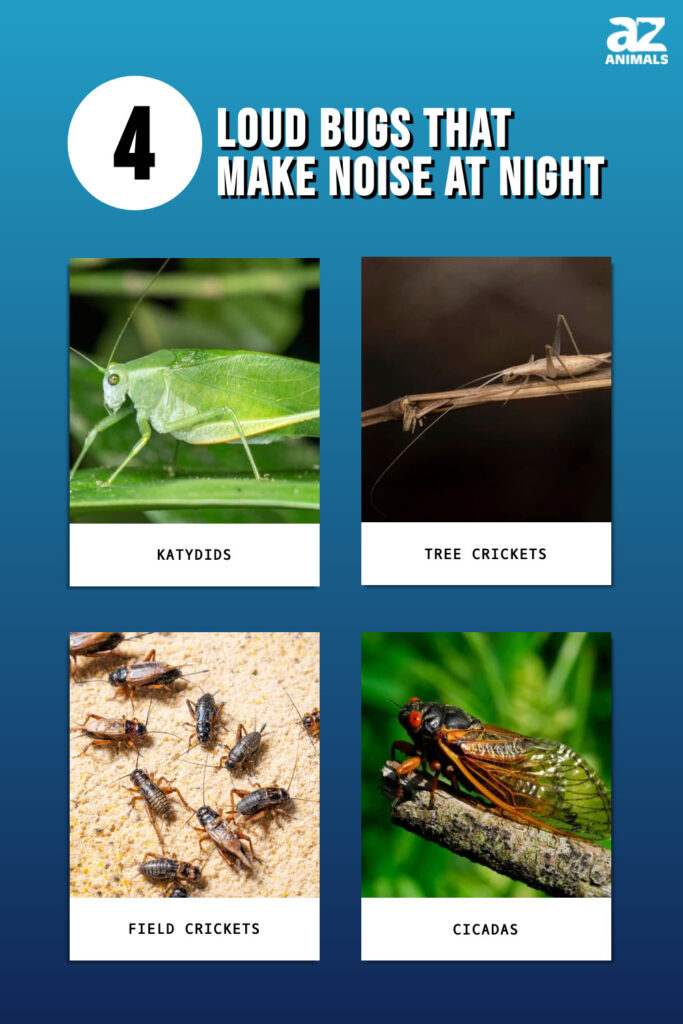
The majority of nocturnal insect sounds are produced by members of the order Orthoptera. This group includes crickets, katydids, and grasshoppers. While many people colloquially refer to all nighttime chirping as “crickets,” there is a significant acoustic variance between species that helps in their identification.

The True Crickets: Rhythmic Consistency
True crickets (Gryllidae) are the most prolific nighttime singers. The field cricket is known for its steady, rhythmic “chirp-chirp” cadence. These insects produce sound through a process called stridulation—rubbing their wings together. Each species has a unique song that serves to attract mates and define territory. Interestingly, the frequency of a cricket’s chirp is temperature-dependent. You can actually calculate the ambient air temperature by counting the number of chirps in a 15-second interval and adding a set constant, a phenomenon known as Dolbear’s Law.
The Katydids: The “Katy-Did” Cadence
Often confused with grasshoppers, katydids are masters of the canopy. Their sound is sharper, more insistent, and often sounds like the repetition of their name: “Katy-did, Katy-did.” Unlike the steady rhythm of crickets, katydid calls can be harsh and abrasive. They are particularly active in trees and bushes, making them a common source of ambient noise around residential landscaping.
Cicadas and the High-Frequency Drone
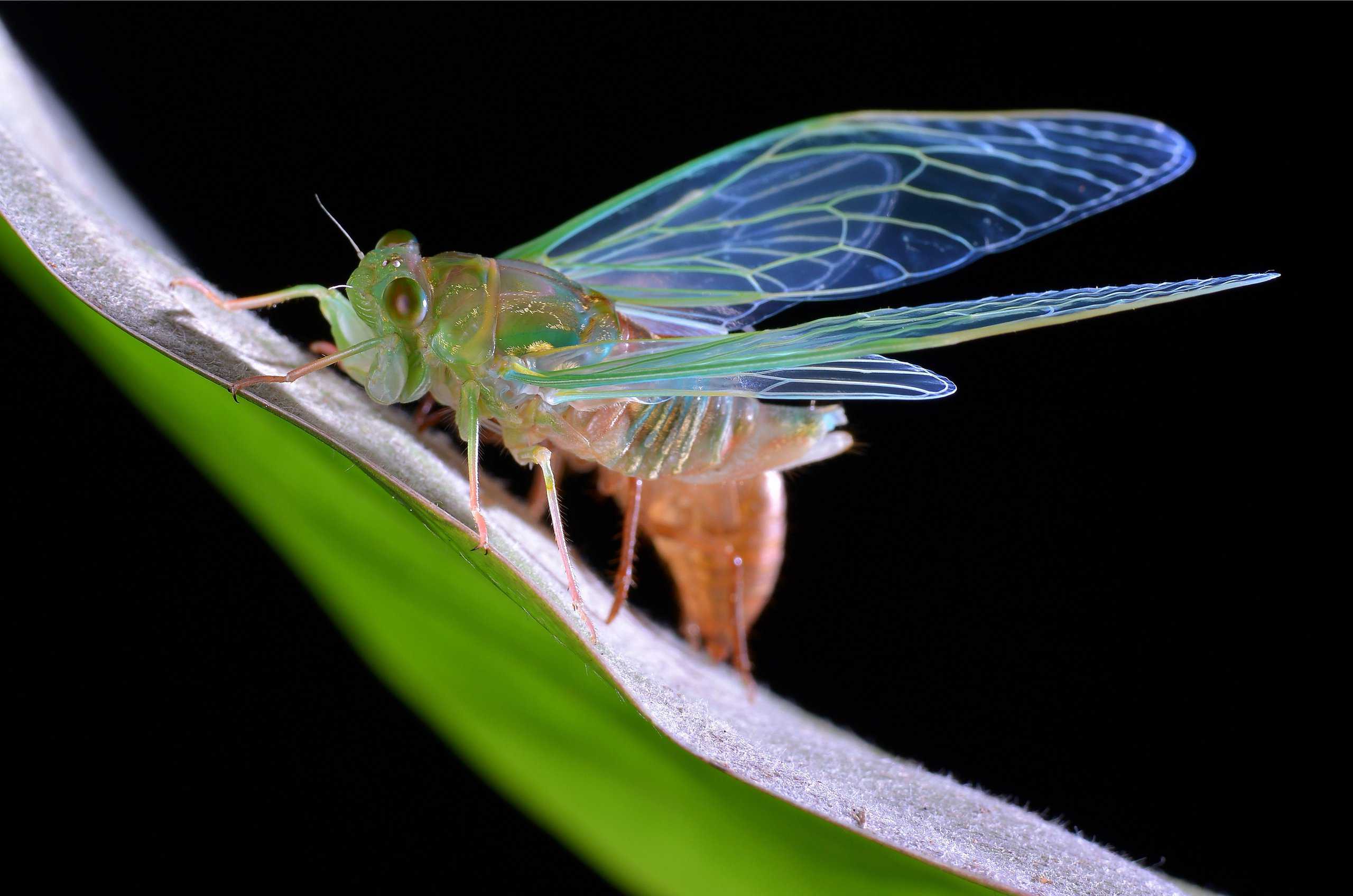
While crickets and katydids dominate the early evening, the transition from late afternoon into dusk is often marked by the unmistakable drone of the cicada. While many cicadas are diurnal, some species remain active into the twilight hours, producing a wall of sound that can reach decibel levels capable of causing ear fatigue.
Annual vs. Periodical Cicadas
The acoustic experience varies significantly based on the species. Annual cicadas emerge every summer, providing a consistent, high-pitched whirring sound that rises and falls in intensity. Periodical cicadas, however, emerge in massive swarms every 13 or 17 years. Their presence creates a deafening, unified chorus that is essentially a survival strategy known as “predator satiation”—there are so many insects singing and breeding simultaneously that predators cannot possibly eat enough of them to suppress the population.
Mechanisms of Sound Production
Cicadas do not stridulate like crickets. Instead, they possess a unique organ called a “tymbal.” This ribbed membrane is located on the side of the insect’s abdomen. By contracting internal muscles, the cicada causes the tymbal to buckle, producing a loud click. The insect then relaxes the muscle, and the tymbal snaps back. When this happens hundreds of times per second, the clicks blur together to create the continuous, vibrating buzz that defines the summer heat.
Environmental Factors Influencing Nighttime Noise
The acoustic landscape of your backyard is not random. It is influenced by a complex web of environmental variables, including temperature, humidity, and moonlight. Understanding these factors can help you predict the intensity and duration of the “insect symphony.”
Temperature Sensitivity
Because insects are ectothermic—meaning their internal body temperature is regulated by the environment—their metabolic rates are directly tied to the warmth of the air. When temperatures drop significantly at night, the muscle movements required for sound production slow down. This is why the chorus often peaks during the warmest part of the evening and gradually fades or slows its tempo as the night progresses toward dawn.
The Role of Humidity and Vegetation
Sound travels differently depending on the moisture content of the air and the density of the vegetation. Higher humidity often aids in sound transmission, allowing the calls of crickets and katydids to carry further across a landscape. Additionally, the type of foliage in your garden plays a role. Dense shrubs provide ideal acoustic chambers for tree crickets, which often harmonize in “synchronous chorusing”—a fascinating phenomenon where members of a group time their pulses to match each other, creating a louder, more uniform sound that confuses predators.
Managing the Nocturnal Chorus: When Sound Becomes a Nuisance
For most people, the sound of insects at night is a comforting indicator of a healthy ecosystem. However, in certain contexts, particularly when specific pests are involved, the noise can become a source of frustration. Understanding the difference between a natural chorus and an infestation is essential for maintaining a pleasant outdoor environment.
Identifying Potential Infestations
While crickets are generally harmless, their presence in massive numbers can indicate an overabundance of organic debris or moisture near the home’s foundation. If the noise is originating from directly inside or under the structure, it may be time to clear leaf litter, ensure gutters are draining away from the walls, and seal potential entry points. Most insects that sing at night are seeking a mate and are not interested in invading your living space, but they are attracted to light. Using yellow-hued outdoor bulbs or motion-sensor lighting can significantly reduce the concentration of insects—and their subsequent noise—near your doors and windows.
Natural Balance in the Backyard
The most effective way to manage the nocturnal symphony is to encourage natural predators. Bats, toads, frogs, and predatory birds thrive on the insects that create these sounds. By cultivating a garden that supports biodiversity, you naturally cap the population of the most vocal species. Installing a bat house or a small water feature to attract toads can help regulate the density of crickets and katydids in your yard, ensuring the night sounds remain a background melody rather than an overwhelming roar.
The Ecological Importance of Nighttime Soundscapes
Beyond the annoyance or curiosity of the individual homeowner, these sounds serve a critical ecological purpose. The nightly chorus acts as a biological indicator of the environment’s health. A diverse symphony of varied pulses and pitches usually suggests a robust ecosystem with a variety of insect species, which in turn supports a healthy population of birds, reptiles, and mammals.
Bioacoustics as a Research Tool
Scientists increasingly use bioacoustics—the study of sound in the natural world—to monitor shifts in local climates. By recording and analyzing the patterns of nighttime insects over years, researchers can track how rising global temperatures are altering the geographic range of certain species. For example, some insects are moving further north as winters become milder, bringing their specific acoustic profiles to new regions.
A Connection to Nature
Ultimately, the noise produced by insects at night serves as a sensory bridge between the human world and the wild. In an age of artificial light and constant digital noise, the organic rhythm of the crickets and the drone of the cicada offer a grounding, ancient connection to the cycle of the seasons. By learning to identify the specific architects of this soundscape, we transform a wall of “white noise” into a rich, informative narrative about the world immediately outside our window. Whether it is the rhythmic, temperature-sensitive chirp of the field cricket or the sharp, insistent call of the katydid, these insects are performing a task that is as old as the night itself. Listening closely reveals that the silence of the night is rarely silent at all; it is a complex, living conversation that defines the pulse of our natural environment.
aViewFromTheCave is a participant in the Amazon Services LLC Associates Program, an affiliate advertising program designed to provide a means for sites to earn advertising fees by advertising and linking to Amazon.com. Amazon, the Amazon logo, AmazonSupply, and the AmazonSupply logo are trademarks of Amazon.com, Inc. or its affiliates. As an Amazon Associate we earn affiliate commissions from qualifying purchases.