
In the current landscape of social media, TikTok has emerged as more than just a platform for short-form video; it is a cultural phenomenon driven by one of the most sophisticated recommendation engines ever engineered. However, the seamless user experience of the “For You” page comes with a significant trade-off: an extensive and granular collection of user data. As digital security becomes a primary concern for consumers and regulators alike, understanding the technical nuances of what TikTok collects—and how that data is utilized—is essential for any informed user of modern technology.

The Anatomy of Data Acquisition: What TikTok Knows About You
TikTok’s data collection begins the moment an account is created, but it extends far beyond the basic details provided during registration. The app functions as a high-fidelity sensor, capturing a multi-dimensional array of information that builds a comprehensive profile of the user.
Personal and Profile Information
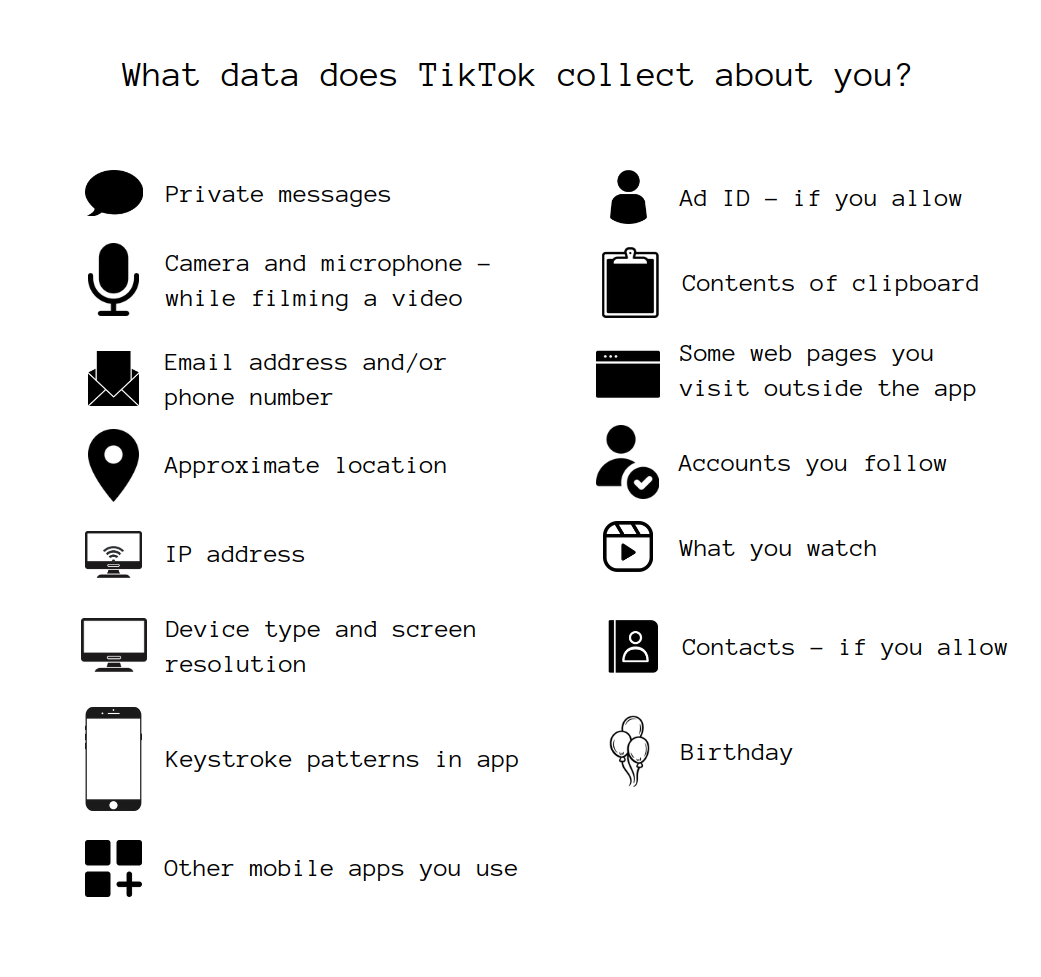
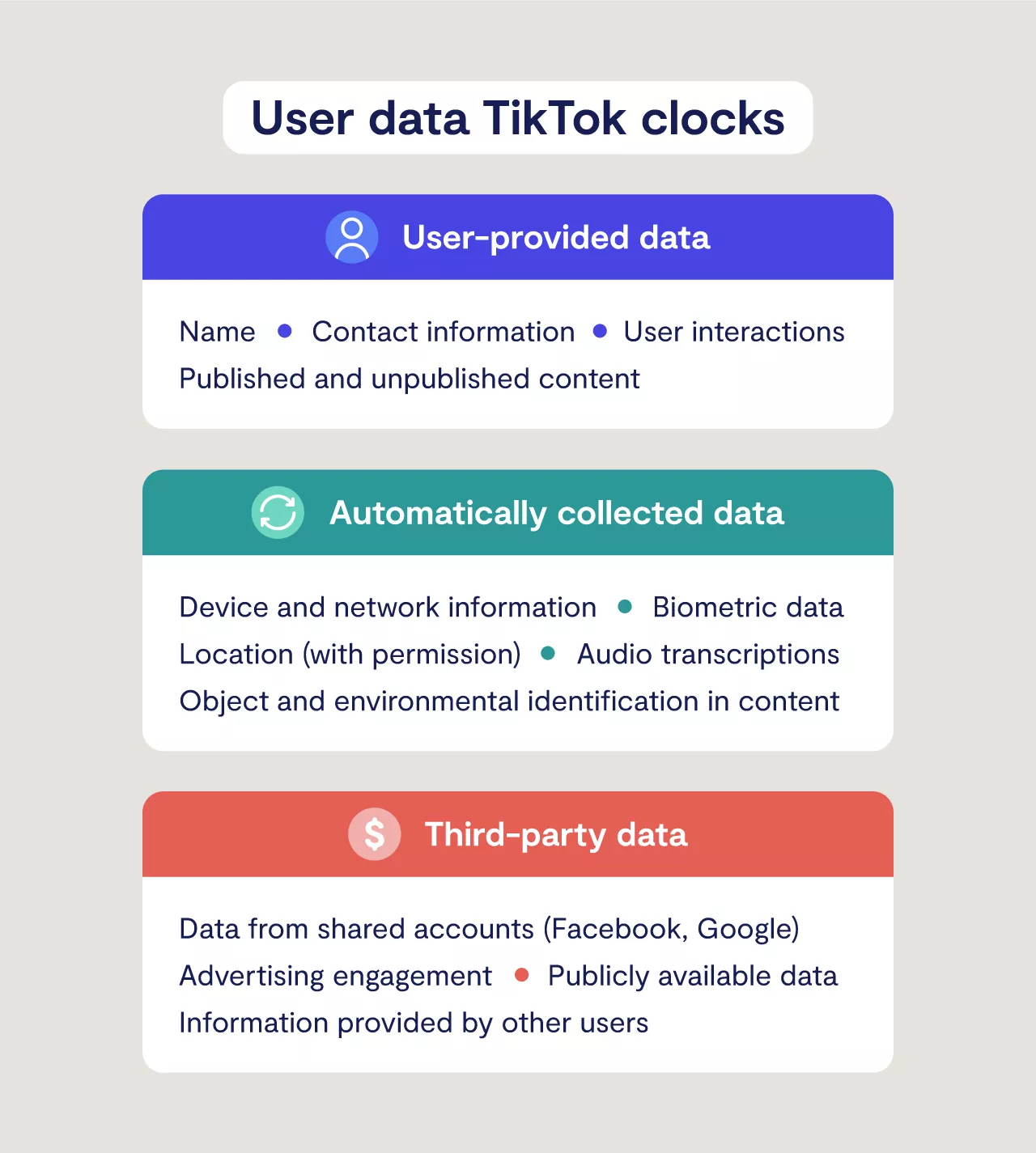
When you sign up for TikTok, you voluntarily provide “Registration Information,” which typically includes your name, age, username, email address, and phone number. While this is standard for most social platforms, TikTok also offers the option to sync your phone’s contact list and social media friends. By doing so, the app not only learns about you but also maps your social graph, identifying your real-world connections and building a “shadow profile” for individuals who may not even use the app.
User-Generated Content and Communication
Every video you upload, every comment you write, and every direct message you send is stored on TikTok’s servers. This includes the “metadata” associated with your content—technical information that describes when, where, and by whom the content was created. For instance, even if you don’t explicitly share your location, the metadata in a photo or video can reveal the exact GPS coordinates where it was captured. Furthermore, TikTok’s automated systems scan your messages and content to moderate for safety and to refine your interest profile.
Technical Data and Device Metadata
Perhaps the most intrusive layer of data collection is the technical information TikTok harvests from your hardware. This includes your IP address, mobile carrier, time zone settings, and unique device identifiers (such as the IMEI or Android ID). The app also tracks your device’s battery level, screen resolution, and even your keystroke patterns or rhythms. From a technical security perspective, this level of device fingerprinting allows the app to identify a specific user across different accounts or even after they have deleted and reinstalled the application.
Beyond the Basics: Tracking Behavioral Patterns and Biometrics
While registration data is static, TikTok’s true power lies in its ability to monitor dynamic behavior. The app is designed to be a “living” data collector, constantly adjusting its understanding of the user based on micro-interactions that often go unnoticed.
The Precision of Behavioral Tracking
TikTok tracks how you interact with the app with surgical precision. It records which videos you watch to completion, which you skip, what you search for, and how long you dwell on a particular frame. This behavioral data is processed in real-time. If you pause a video to look at a specific product or background detail, the app notes that engagement. This creates a feedback loop where the software learns your subconscious preferences, often predicting your interests before you have consciously articulated them.
Controversial Biometric Data Collection
One of the most debated aspects of TikTok’s privacy policy involves the collection of “Biometric Identifiers” and “Biometric Information.” This includes “faceprints” and “voiceprints.” While TikTok states that this data is used for features like video effects (filters) and automated captions, the technical implications are vast. Biometric data is immutable; unlike a password, you cannot change your face or your voice. The storage of such sensitive data raises significant digital security questions regarding how this information is encrypted and who has access to the biometric databases.
Off-Platform Tracking via Third-Party Integrations
TikTok’s reach extends beyond the app itself. Through the “TikTok Pixel”—a piece of code that website developers place on their sites—the platform can track your activities across the broader internet. If you visit an e-commerce site that uses the TikTok Pixel, the platform can see what products you viewed or added to your cart, even if you weren’t using the TikTok app at that moment. This cross-site tracking is a hallmark of modern advertising technology (AdTech), allowing for “retargeting” campaigns that follow users from site to site.
The Purpose of the Harvest: Algorithms, Monetization, and Security
Data collection is rarely an end in itself; for a technology giant like ByteDance (TikTok’s parent company), data is the fuel for its commercial and operational engines.
Fueling the “For You” Feed
The primary beneficiary of this data is the TikTok recommendation algorithm. Unlike older social media platforms that relied on a “social graph” (who you follow), TikTok relies on an “interest graph.” By processing thousands of data points per user—ranging from watch time to device type—the AI can curate a hyper-personalized feed. This requires a constant stream of fresh data to remain accurate. The technical objective is “stickiness”—keeping the user engaged for as long as possible by delivering content that triggers a dopamine response.
Advertising and Commercial Monetization
TikTok’s business model is fundamentally rooted in targeted advertising. The granular data collected allows advertisers to reach specific demographics with incredible accuracy. Because the app knows your location, your device type (which can be a proxy for socio-economic status), and your specific niche interests, it can serve ads that are highly likely to convert. For instance, if the app detects you are using a high-end iPhone and frequently watch luxury travel content, you will be categorized into a premium consumer segment for advertisers.
Internal Security and Content Moderation
From a software engineering perspective, data collection is also vital for maintaining the integrity of the platform. TikTok uses device data and IP addresses to detect botnets, prevent “sybil attacks” (where one person creates thousands of fake accounts), and identify malicious actors. Automated content moderation systems use computer vision to scan uploaded videos for prohibited content, such as violence or illegal activity. This requires the software to “read” and analyze the visual and auditory data of every single upload.
The Global Security Debate: Privacy Concerns and Geopolitics
The conversation surrounding TikTok’s data collection is inseparable from the geopolitical context of its ownership. Because ByteDance is a Chinese-headquartered company, cybersecurity experts and governments have raised concerns about data sovereignty and the potential for state access to user information.
Data Sovereignty and ByteDance
The core of the technical concern lies in Chinese national security laws, which can compel domestic companies to share data with the government for intelligence purposes. Although TikTok has repeatedly stated that it stores US user data on servers located in the United States and Singapore (and is moving toward a structure called “Project Texas” with Oracle), critics argue that as long as the underlying source code and engineering teams are based in China, a theoretical “backdoor” or data pipeline could exist.
Regulatory Responses and Global Bans
This concern has led to significant regulatory friction. Several countries have banned TikTok from government-issued devices, citing the risk of espionage or data harvesting of high-profile officials. In the European Union, TikTok is under constant scrutiny via the General Data Protection Regulation (GDPR), particularly regarding how it handles the data of minors. These regulatory pressures are forcing the company to be more transparent about its “Transparency and Accountability Centers,” where outside experts can theoretically review the app’s source code.
Empowering the User: How to Mitigate Data Collection
While it is nearly impossible to use a modern social media app with total anonymity, there are technical steps users can take to limit the volume of data TikTok collects.
Adjusting In-App Privacy Settings
The first line of defense is the app’s internal settings. Users should disable “Personalized Ads” to stop the app from using off-platform activity to target them. Furthermore, turning off “Suggest your account to others” and set the account to “Private” can limit the social graph data the app collects. It is also highly recommended to deny the app permission to access your contacts or your precise GPS location, as TikTok can function adequately using only approximate location data derived from your IP address.
External Tools and Defensive Strategies
For those seeking a higher level of digital security, external tools can provide additional layers of protection. Using a Virtual Private Network (VPN) can mask your true IP address and geographic location. Additionally, using TikTok via a mobile web browser (like Brave or Safari with tracking protection) rather than the native app can prevent the platform from accessing device-level metadata and biometric sensors. Finally, “burner” email addresses and avoiding “Sign in with Facebook/Google” options can prevent the cross-pollination of your digital identities across different tech ecosystems.
In conclusion, TikTok is a masterclass in data-driven engineering. Its ability to collect and synthesize vast amounts of technical, behavioral, and personal data is what makes it the most engaging app in the world. However, that engagement comes at the cost of digital privacy. By understanding the technical mechanisms of this collection, users can better navigate the digital landscape, balancing the benefits of global connectivity with the necessity of personal data security.
aViewFromTheCave is a participant in the Amazon Services LLC Associates Program, an affiliate advertising program designed to provide a means for sites to earn advertising fees by advertising and linking to Amazon.com. Amazon, the Amazon logo, AmazonSupply, and the AmazonSupply logo are trademarks of Amazon.com, Inc. or its affiliates. As an Amazon Associate we earn affiliate commissions from qualifying purchases.