
In the rapidly evolving landscape of health technology, the traditional “slip of paper” given by an optometrist is becoming a relic of the past. Today, a prescription for contact lenses is less of a handwritten note and more of a complex data profile generated by sophisticated diagnostic software and digital imaging tools. As we move further into the era of tele-optometry and personalized medical technology, understanding what a prescription for contacts looks like requires a deep dive into the technical specifications that define our visual health.
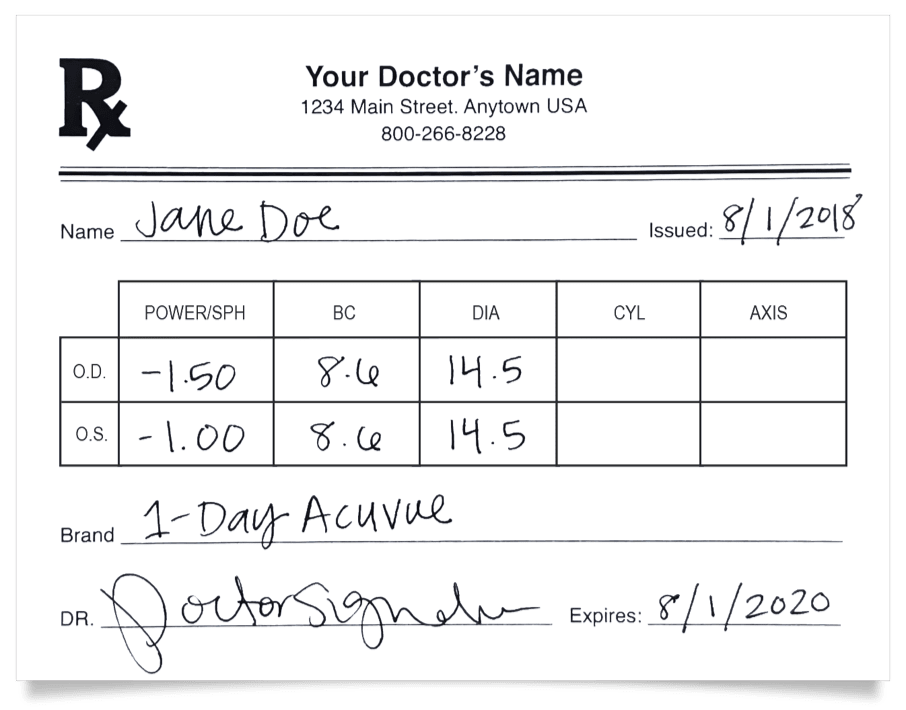
A modern contact lens prescription is a specialized set of data points that allows manufacturers and automated dispensing systems to provide a medical device tailored to the unique topography of a human eye. Unlike glasses, which sit several millimeters away from the cornea, contact lenses rest directly on the tear film. This proximity demands a level of precision that only modern optical tech can provide.
The Evolution of Vision Data: From Paper Scripts to Digital Blueprints
The transition from analog to digital in eye care has fundamentally changed the nature of optical prescriptions. What used to be a simple set of numbers is now a digital blueprint, often stored in cloud-based Electronic Health Records (EHR) and transmitted via encrypted e-prescribing platforms.
The Transition to Electronic Health Records (EHR) in Optometry
Most modern optometry practices utilize specialized EHR systems like MaximEyes or RevolutionEHR. When a patient undergoes an eye exam, the data from the diagnostic machines—such as the digital phoropter or the autorefractor—is fed directly into the patient’s digital profile. When you ask, “What does my prescription look like?” you are essentially looking at a user-friendly export of a much larger database of ocular metrics. These digital records ensure that the specific measurements of your eye are transmitted with 100% accuracy to retailers or laboratories, eliminating the human error associated with illegible handwriting.
Understanding the Metadata of Your Eyes
Beyond the basic numbers, a digital prescription often contains metadata that consumers rarely see. This includes the specific manufacturer’s database ID, the expiration date (strictly regulated by software to ensure eye safety), and the validated brand name. Because contact lens materials have different oxygen permeability (Dk/t) levels and water content, the tech-driven prescription is brand-specific. Software algorithms within the prescriber’s system ensure that the “fit” matches the physiological data captured during the exam.
Decoding the Alphanumeric Interface: The Tech Behind the Terms
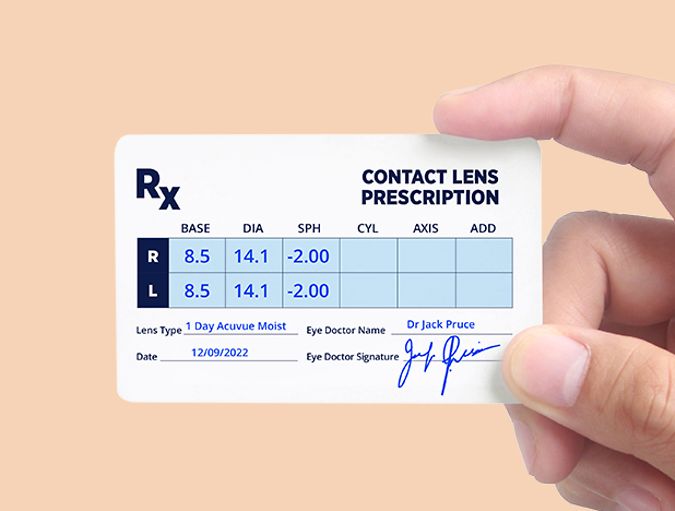
To the average user, a contact lens prescription looks like a cryptic string of abbreviations and numbers. However, each of these codes represents a specific technological measurement of your eye’s geometry.
Power (PWR) and Base Curve (BC) as Data Points
The “Power” (sometimes labeled as SPH or Sphere) is measured in diopters. In the tech world, this represents the refractive correction required. A negative number indicates myopia (nearsightedness), while a positive number indicates hyperopia (farsightedness). The “Base Curve” (BC), usually a number between 8.0 and 10.0, is perhaps the most critical technical measurement. It represents the functional geometry of the lens’s back surface. Modern corneal topographers use light rings (Placido discs) to map thousands of points on the eye to determine this exact curvature, ensuring the lens doesn’t “choke” the eye or slide off.
Cylinder (CYL) and Axis: Mapping Corneal Topography
For those with astigmatism, the prescription includes “Cylinder” and “Axis” values. This is where high-resolution imaging tech shines. Astigmatism means the eye is shaped more like a football than a basketball. The Cylinder value represents the extra power needed for this irregular shape, and the Axis (ranging from 0 to 180 degrees) indicates the orientation. Modern diagnostic tools can pinpoint this axis with degree-level precision, allowing for “toric” lenses that use weighted tech or “thin-zone” tech to stay oriented correctly on the eye even when the wearer blinks.
Tele-Optometry and the Rise of App-Based Vision Testing
One of the most significant shifts in “what a prescription looks like” comes from the rise of vision-testing software and smartphone integration. We are seeing a move toward decentralized eye care where the prescription is generated through an interface rather than a physical office visit.
How Algorithms Replace the Phoropter
Newer startups and tech firms have developed “Online Vision Tests.” These platforms use a combination of smartphone screen calibration and distance tracking to perform a refractive test. The software uses a proprietary algorithm to analyze user responses to visual stimuli on the screen. While these don’t replace a comprehensive eye health exam, they generate a “Digital Renewal” prescription. The resulting document is a PDF or a secure link that contains the same PWR, BC, and DIA (diameter) data as a traditional script, but it is born entirely from a software-driven user experience.
Security and Data Privacy in Vision Apps
Because a prescription is a legal medical document (protected by HIPAA in the U.S.), the tech architecture behind a digital prescription must be incredibly secure. What the prescription “looks like” on the backend is a series of encrypted packets. When you upload a photo of your prescription to an online retailer, optical character recognition (OCR) AI scans the image, extracts the data points, and verifies them against a database of licensed practitioners. This technological gatekeeping is essential to prevent the distribution of incorrect medical devices that could cause corneal ulcers or permanent vision loss.
The Future of Vision: Smart Contact Lenses and Integrated Data
As we look toward the next decade, the contact lens prescription will evolve even further. We are moving away from lenses that simply refract light and toward lenses that function as hardware.
Beyond Correction: Contacts as Wearable Computers
Companies like Mojo Vision and various research arms at tech giants have been developing “Smart Contact Lenses.” In this context, a prescription might soon include more than just refractive power. It may include “Data Calibration” settings for an Augmented Reality (AR) overlay. Your prescription would look like a configuration file for a head-up display (HUD), detailing how digital information should be projected onto your retina based on your eye’s unique focal length.
Real-Time Monitoring and Bio-Feedback
Future prescriptions might also serve a diagnostic tech function. For example, lenses designed for diabetics can monitor glucose levels in tear fluid. In this scenario, your “prescription” is an integrated software profile that connects your lenses to your smartphone via a low-energy Bluetooth or NFC-like connection. The “prescription” becomes a living document—a continuous stream of biometric data that updates your doctor on your eye health and systemic health in real-time.
Conclusion: The Script as a Digital Asset
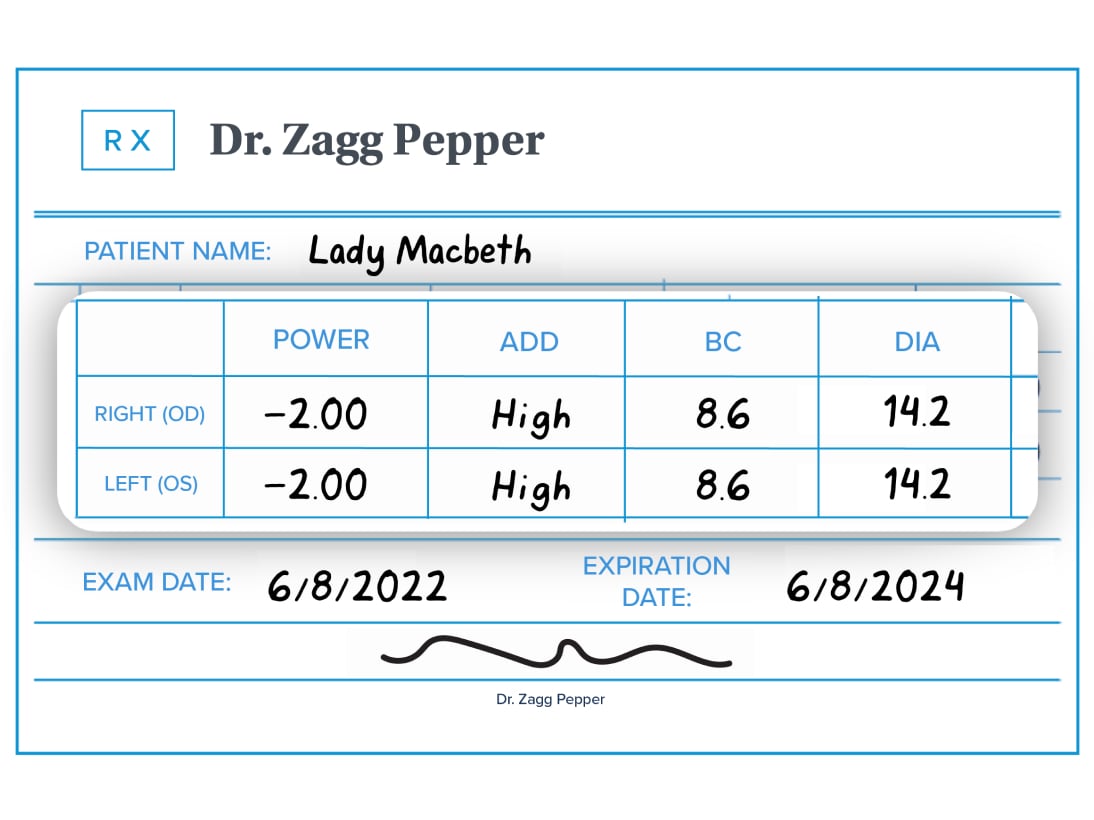
So, what does a prescription for contacts look like? Visually, it remains a grid of numbers and abbreviations (BC, DIA, PWR, CYL, AXIS). However, technologically, it has become a sophisticated data asset. It is the output of high-speed corneal mapping, the product of encrypted EHR workflows, and the gateway to an increasingly digital lifestyle.
As vision technology continues to merge with wearable tech and AI-driven diagnostics, the prescription will continue to shift from a static instruction to a dynamic digital identity. Whether you are viewing it through a patient portal or using it to calibrate an AR-enabled smart lens, your contact lens prescription is a testament to how far medical technology has come in personalizing the way we see the world. It is no longer just a piece of paper; it is the source code for your visual experience.
aViewFromTheCave is a participant in the Amazon Services LLC Associates Program, an affiliate advertising program designed to provide a means for sites to earn advertising fees by advertising and linking to Amazon.com. Amazon, the Amazon logo, AmazonSupply, and the AmazonSupply logo are trademarks of Amazon.com, Inc. or its affiliates. As an Amazon Associate we earn affiliate commissions from qualifying purchases.