
In the modern financial landscape, the ability to move capital quickly and securely is a cornerstone of both personal wealth management and business operations. Whether you are closing on a real estate transaction, sending financial support to a family member overseas, or settling a high-value invoice with a global vendor, the wire transfer remains the “gold standard” for speed and reliability. Unlike ACH transfers, which may take days to clear, a wire transfer moves funds almost instantaneously from one bank to another.
However, the precision required for a successful wire transfer is absolute. Because these transactions are often irreversible once processed, providing the correct information is not merely a formality—it is a critical safeguard for your capital. This guide explores the essential data points, regulatory requirements, and strategic considerations necessary to navigate the world of wire transfers effectively.
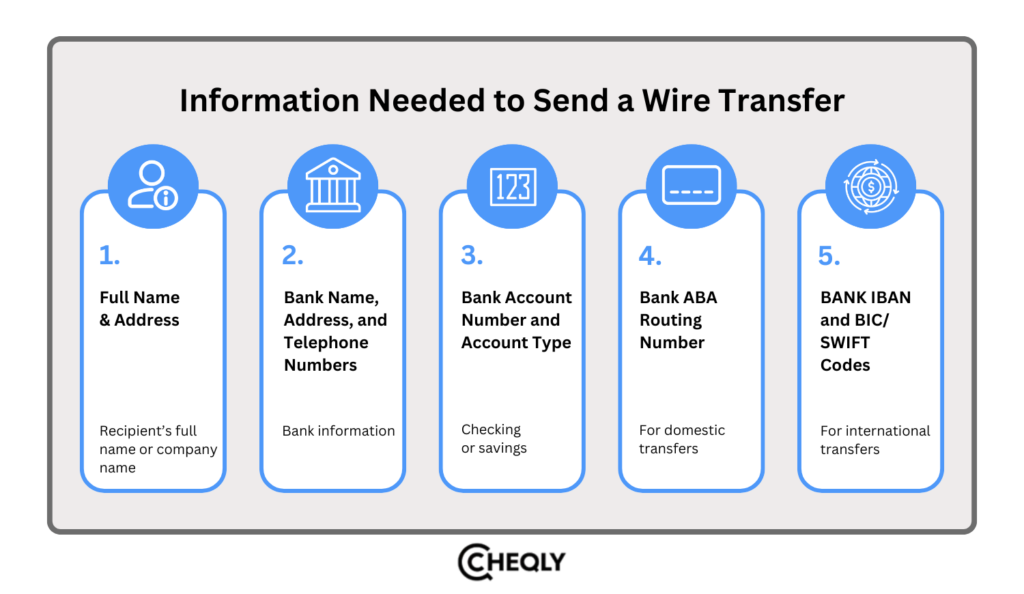
1. The Core Components of a Domestic Wire Transfer
When sending money within the same country—specifically within the United States—the process is governed by domestic networks like Fedwire or CHIPS. While these systems are highly efficient, they require specific identifiers to ensure the funds land in the correct ledger.
Recipient Identity and Physical Address
The first piece of information required is the recipient’s full legal name. This must match the name on the receiving bank account exactly. Banks are increasingly stringent regarding “Know Your Customer” (KYC) protocols; even a minor misspelling can lead to the transaction being flagged or rejected. In addition to the name, most financial institutions require the recipient’s physical residential or business address. Post Office boxes are generally not accepted for wire transfers due to anti-money laundering (AML) regulations that require a traceable physical location for both parties.
Banking Credentials: ABA Routing and Account Numbers
The technical “address” for your money consists of two primary numbers: the ABA Routing Number and the Recipient’s Account Number.
- ABA Routing Number: This nine-digit code identifies the specific financial institution. It acts as a digital roadmap, telling the Federal Reserve which bank is the intended destination. It is important to note that some banks have different routing numbers for paper checks, ACH transfers, and wire transfers. Always confirm the specific “Wire Routing Number” with the recipient.
- Account Number: This identifies the specific individual or business ledger within that bank. Precision is paramount here; a single transposed digit could result in funds being sent to an unintended party, a situation that is notoriously difficult to rectify.
The Sending Institution’s Requirements
While focus is often placed on the recipient, the sender must also provide their own account information and a valid form of identification. If you are performing the wire in person at a branch, a government-issued ID is mandatory. If using an online banking portal, multi-factor authentication (MFA) serves as your digital signature, confirming you have the legal authority to move the funds.
2. Navigating the Complexities of International Wires
International wire transfers, often referred to as “remittances” or “cross-border payments,” involve an extra layer of complexity. These transactions typically move through the SWIFT (Society for Worldwide Interbank Financial Telecommunication) network, which connects over 11,000 financial institutions globally.
SWIFT/BIC Codes and IBANs
To move money across borders, you must move beyond simple routing numbers.
- SWIFT/BIC Code: This is an 8 to 11-character alphanumeric code that identifies a specific bank globally. It tells the sending bank exactly which international entity is receiving the funds.
- IBAN (International Bank Account Number): Widely used in Europe, the Middle East, and parts of the Caribbean, the IBAN is a standardized numbering system that includes the country code, check digits, and the specific account number. In many jurisdictions, an IBAN is mandatory for any incoming wire.
The Role of Intermediary and Correspondent Banks
In many international transactions, the sending bank does not have a direct relationship with the receiving bank. In these instances, the money must pass through a “correspondent bank”—a third-party institution that acts as a bridge. When setting up an international wire, you may be asked for the SWIFT code or name of the intermediary bank. Providing this information upfront can significantly reduce the time it takes for the funds to arrive and can help you avoid unexpected “lifting fees” deducted by the middleman.

Currency Specifications and Purpose of Payment
When sending money internationally, you must specify the currency. You can often choose to send the funds in your local currency (letting the receiving bank handle the conversion) or in the recipient’s local currency (where your bank handles the conversion). Furthermore, many countries require a “Purpose of Payment” code. This is a short description (e.g., “Family Maintenance,” “Education Fees,” or “Investment”) required by central banks to monitor capital flow and prevent illicit financial activity.
3. Financial Implications: Fees, Limits, and Timelines
A wire transfer is a premium service, and it carries associated costs and constraints that differ significantly from standard digital payments like Zelle or Venmo.
Understanding the Fee Structure
Wire transfers are rarely free. In the realm of personal and business finance, you should account for three types of fees:
- Outgoing Wire Fees: Charged by your bank to initiate the transfer (typically $25–$50 for domestic and $40–$65 for international).
- Incoming Wire Fees: Charged by the recipient’s bank to process the incoming funds (typically $10–$20).
- Currency Exchange Markups: For international wires, banks often offer an exchange rate that is 1% to 5% away from the mid-market rate. This is a “hidden” cost that can be substantial on large transfers.
Processing Times and Cut-off Hours
While wires are fast, they are not “instant” in the way a credit card transaction is. Most banks have a “cut-off time” (often between 2:00 PM and 4:30 PM local time). If you submit your wire after this window, it will not be processed until the following business day. Domestic wires usually arrive within a few hours if sent before the cut-off, while international wires can take 1 to 5 business days depending on the number of intermediary banks involved and the regulations of the destination country.
Transfer Limits and Liquidity
Financial institutions often impose daily or per-transaction limits on wire transfers for security reasons. If you are a high-net-worth individual or a business owner moving significant capital, you may need to provide additional documentation or perform the transfer in person at a branch to bypass standard online limits. Ensuring you have “cleared funds” is also vital; you cannot wire money against a check you just deposited until those funds have fully settled.
4. Security Protocols and Fraud Prevention
The speed and finality of wire transfers make them a primary target for cybercriminals and fraudsters. Once a wire is “out the door,” the chances of recovery are slim, making security the most important part of the information-gathering process.
Verifying Instructions via Secondary Channels
The most common form of wire fraud is “Business Email Compromise” (BEC) or “Escrow Fraud.” This occurs when a hacker intercepts an email chain and sends “updated” wire instructions with their own bank details. To mitigate this, never rely solely on an email for wire instructions. Always call the recipient using a trusted, previously known phone number to verbally verify the routing and account numbers before initiating the transfer.
The Importance of the “Memo” Line
While it may seem like a minor detail, the “Memo” or “Reference” field is a vital security and accounting tool. For business transactions, this should include invoice numbers or contract IDs. For personal real estate transactions, it should include the property address and the file number provided by the title company. This ensures that when the money arrives, it is correctly applied to your account, preventing costly administrative delays.
Recognizing Red Flags
Be wary of any request that asks you to wire money to a third party not named in the contract, or requests that emphasize extreme urgency or secrecy. Legitimate financial institutions and government agencies will never pressure you to wire money to “protect” your account or to pay “unpaid taxes” via a wire transfer. In the world of finance, professional skepticism is your best defense against capital loss.

Conclusion
Successfully wiring money is a fundamental skill in personal and business finance, requiring a blend of technical accuracy and heightened security awareness. By gathering the correct domestic or international identifiers—such as ABA numbers, SWIFT codes, and IBANs—and verifying those details through secure channels, you ensure that your capital moves efficiently across the global financial system. While the process may seem daunting due to the volume of information required, these requirements are the very mechanisms that maintain the integrity and safety of your high-value transactions. In a digital age where speed is often prioritized over safety, taking the time to master the nuances of the wire transfer is an investment in your own financial security.
aViewFromTheCave is a participant in the Amazon Services LLC Associates Program, an affiliate advertising program designed to provide a means for sites to earn advertising fees by advertising and linking to Amazon.com. Amazon, the Amazon logo, AmazonSupply, and the AmazonSupply logo are trademarks of Amazon.com, Inc. or its affiliates. As an Amazon Associate we earn affiliate commissions from qualifying purchases.