
The Pillars of Property Appreciation: Strategic Investments for Financial Growth
The question of “what increases home value” is central to smart real estate investment and astute personal finance management. Beyond the aesthetic appeal and functional upgrades, understanding the core drivers of property appreciation is crucial for maximizing your return on investment and securing your financial future. This article delves into the key elements that contribute to a home’s rising market worth, focusing on financial implications and strategic decision-making.
H2: Essential Home Enhancements for Financial Returns
Investing in your home’s infrastructure and core functionalities often yields the most significant and lasting increase in value. These are not superficial fixes but rather fundamental improvements that enhance a property’s longevity, efficiency, and desirability.

H3: Kitchen and Bathroom Renovations: The High-ROI Powerhouses
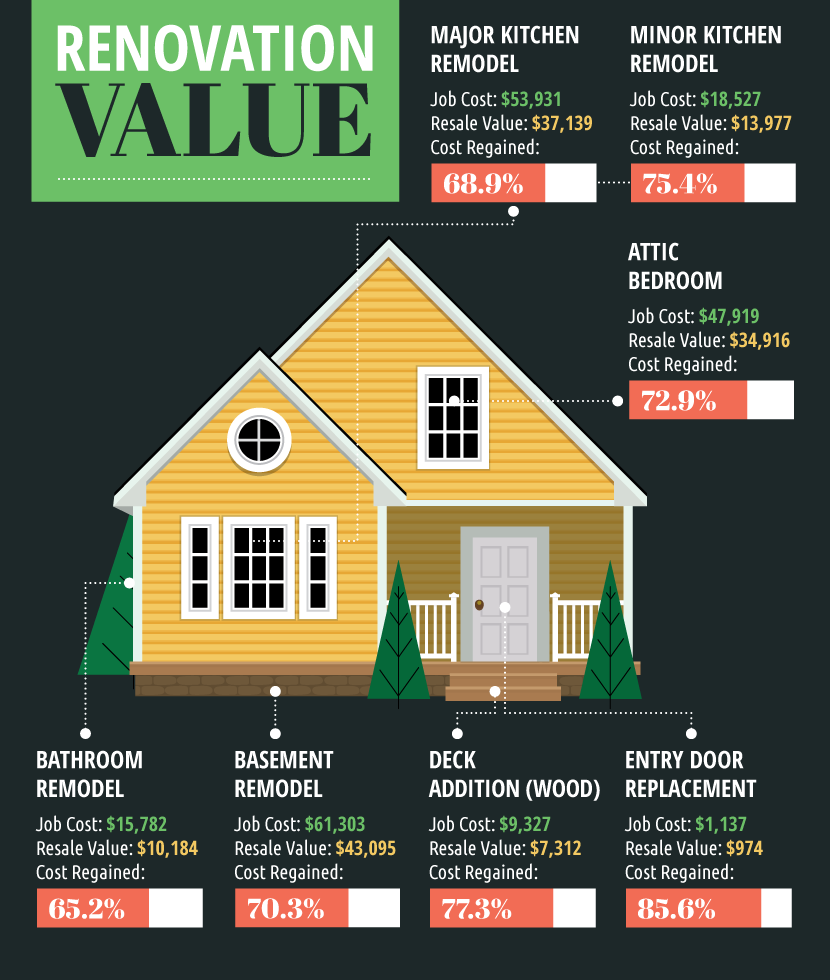
Kitchens and bathrooms are frequently cited as the most impactful rooms for value addition. These spaces are heavily scrutinized by potential buyers and are often the first areas they envision themselves using daily.
- Kitchen Upgrades: A modern, functional kitchen is a significant draw. This includes updating countertops with durable and attractive materials like quartz or granite, replacing outdated cabinetry with sleek, efficient designs, and investing in high-quality, energy-efficient appliances. Stainless steel remains a popular choice, but integrated appliances and smart kitchen technology are increasingly becoming indicators of a high-value home. Rethinking the layout to create a more open-concept flow, potentially incorporating an island for added workspace and social interaction, can also dramatically boost appeal. Don’t overlook the lighting; layered lighting, including task lighting, ambient light, and accent lights, can transform the feel and functionality of the space.
- Bathroom Remodeling: Similar to kitchens, bathrooms are critical. Modernizing fixtures, including low-flow toilets and water-saving showerheads, not only appeals to environmentally conscious buyers but also demonstrates thoughtful, cost-saving design. High-quality tile work, updated vanities, and excellent lighting are essential. Consider adding en-suite bathrooms to bedrooms, a highly sought-after feature, or converting powder rooms into more functional full baths. The addition of features like heated floors, rain showerheads, or freestanding tubs can elevate a bathroom from standard to luxurious, significantly impacting perceived value.
H3: Structural Integrity and Energy Efficiency: The Long-Term Value Play
Beyond aesthetics, the underlying structural soundness and energy efficiency of a home are paramount for sustained value. Buyers are increasingly aware of long-term costs and environmental impact, making these areas a smart financial investment.
- Roofing and Foundation: A new roof is a substantial investment, but it directly contributes to a home’s longevity and protects against potential water damage. Buyers recognize the significant expense and peace of mind a new roof provides. Similarly, addressing any foundation issues, such as cracks or settling, is non-negotiable for ensuring the structural integrity of the property. Buyers will often commission inspections that will reveal these problems, and their rectification is essential for avoiding substantial value deductions.
- HVAC Systems: An updated and efficient heating, ventilation, and air conditioning (HVAC) system is a major selling point. Modern, energy-efficient units reduce utility bills, a significant concern for homeowners. Buyers are willing to pay a premium for a home with a reliable, cost-effective HVAC system that is less likely to require immediate, costly repairs. Consider upgrading to smart thermostats, which allow for remote control and optimized energy usage, further enhancing the home’s appeal and value.
- Insulation and Windows: Proper insulation in the attic, walls, and crawl spaces is critical for maintaining comfortable temperatures and reducing energy consumption. Drafty, old windows not only lead to energy loss but can also compromise security and aesthetics. Replacing them with modern, double or triple-paned, energy-efficient windows provides immediate benefits in terms of comfort, noise reduction, and lower utility bills, directly translating to increased home value.
H2: Curb Appeal and Outdoor Living: First Impressions and Lifestyle Investments
The exterior of a home, often referred to as “curb appeal,” plays a pivotal role in initial buyer perception and sets the stage for the interior experience. Investing in outdoor spaces has also become increasingly important, reflecting a desire for enhanced lifestyle and functional living areas.
H3: Landscaping and Exterior Maintenance: The Visual Financial Dividend
A well-maintained and attractive exterior signals pride of ownership and a well-cared-for property, making a powerful positive first impression.
- Professional Landscaping: Thoughtful landscaping can transform a property. This includes well-defined garden beds with attractive, low-maintenance plants, healthy lawns, and well-maintained trees. Adding features like irrigation systems, outdoor lighting, and well-placed hardscaping (patios, walkways) can significantly enhance the visual appeal and usability of the outdoor space, directly increasing perceived value. A clear, welcoming pathway to the front door is essential.
- Exterior Painting and Siding: A fresh coat of paint can do wonders for a home’s appearance, protecting the structure and providing a clean, inviting look. The color choice can also influence perception; neutral, timeless colors are generally preferred and tend to appeal to a broader range of buyers. If your siding is outdated or damaged, replacing it with a durable, attractive material like vinyl, fiber cement, or brick can offer substantial long-term value and reduced maintenance costs.
H3: Outdoor Living Spaces: Expanding Usable Square Footage
The trend towards outdoor living has solidified, making well-designed outdoor spaces a valuable extension of the home itself.
- Decks and Patios: A well-constructed deck or patio provides a functional space for relaxation, dining, and entertaining. These additions effectively increase the usable square footage of the property and are highly desirable for buyers seeking to maximize their enjoyment of their home. Features like built-in seating, outdoor kitchens, fire pits, or pergolas can further enhance their appeal and perceived value.
- Fencing and Privacy: Adequate fencing can provide privacy, security, and define property boundaries, which are important considerations for many buyers, especially those with children or pets. A well-installed and attractive fence can contribute to the overall aesthetic of the property and increase its functionality and desirability.
H2: Interior Design and Functional Improvements: Enhancing Livability and Marketability
While major renovations are crucial, thoughtful interior design and functional improvements can also significantly boost a home’s value and appeal to a wider pool of potential buyers.
H3: Open Floor Plans and Natural Light: Creating Spaciousness and Airiness
Modern buyers often favor homes that feel open, airy, and flooded with natural light, promoting a sense of spaciousness and well-being.
- Removing Non-Load-Bearing Walls: Where structurally feasible, removing non-load-bearing walls to create open-concept living, dining, and kitchen areas can dramatically enhance the perception of space and improve flow. This creates a more contemporary and desirable layout that appeals to modern lifestyles.
- Maximizing Natural Light: Large windows, skylights, and light-colored paint schemes can all contribute to a brighter, more inviting atmosphere. Buyers are drawn to homes that feel light and airy, as it often translates to a more pleasant living experience and can make smaller spaces feel larger.
H3: Flooring and Fixtures: The Details That Define Quality
The quality and style of flooring and interior fixtures can significantly influence a buyer’s perception of the home’s overall condition and value.
- Updated Flooring: Replacing worn-out carpet or outdated tile with high-quality hardwood, engineered wood, luxury vinyl plank (LVP), or updated ceramic tile can dramatically improve the aesthetic appeal and perceived value of a home. These materials are durable, attractive, and align with current design trends.
- Modern Lighting and Hardware: Updating light fixtures to more contemporary styles and ensuring all hardware (door knobs, cabinet pulls, faucets) is cohesive and in good condition can provide a subtle yet impactful boost to a home’s perceived value. These details signal attention to detail and a commitment to modern living.
H2: Smart Home Technology and Future-Proofing: Investing in the Modern Dwelling
The integration of smart home technology is no longer a luxury but an increasingly expected feature that enhances convenience, security, and energy efficiency, thereby increasing a home’s value proposition.
H3: Convenience and Efficiency with Smart Systems
Smart home technology offers tangible benefits that appeal to a broad range of buyers, from the tech-savvy to those simply seeking greater ease of living.
- Smart Thermostats and Lighting: Programmable and remotely controllable thermostats, such as Nest or Ecobee, offer significant energy savings and convenience. Similarly, smart lighting systems allow for customized ambiance, energy management, and enhanced security. These features are attractive selling points that directly contribute to a home’s modern appeal and lower operational costs.
- Home Security Systems: Integrated smart security systems, including smart locks, video doorbells, and surveillance cameras, provide peace of mind and enhanced safety. These are highly valued features that can significantly differentiate a property in the market and justify a higher price point.
H3: Connectivity and Future Adaptability
A home wired for the future is a home built for sustained value. This includes robust internet connectivity and the infrastructure to support emerging technologies.
- Enhanced Wi-Fi and Wired Connectivity: Ensuring strong Wi-Fi coverage throughout the home and having strategically placed Ethernet ports can be a significant draw, especially for remote workers and families reliant on seamless connectivity.
- Preparedness for Future Technologies: While specific technologies may evolve, ensuring the home’s electrical system can handle increased demand and considering conduits for future wiring can position the property as future-proof, a key consideration for long-term value appreciation.
H2: Location and Market Factors: External Drivers of Home Value
While many elements influencing home value are within a homeowner’s control, external factors, particularly those related to location and broader market trends, are undeniably powerful drivers of appreciation.
H3: The Unshakeable Power of Location
The adage “location, location, location” remains incredibly relevant in real estate, as it encompasses a multitude of factors that contribute to a property’s desirability and intrinsic value.
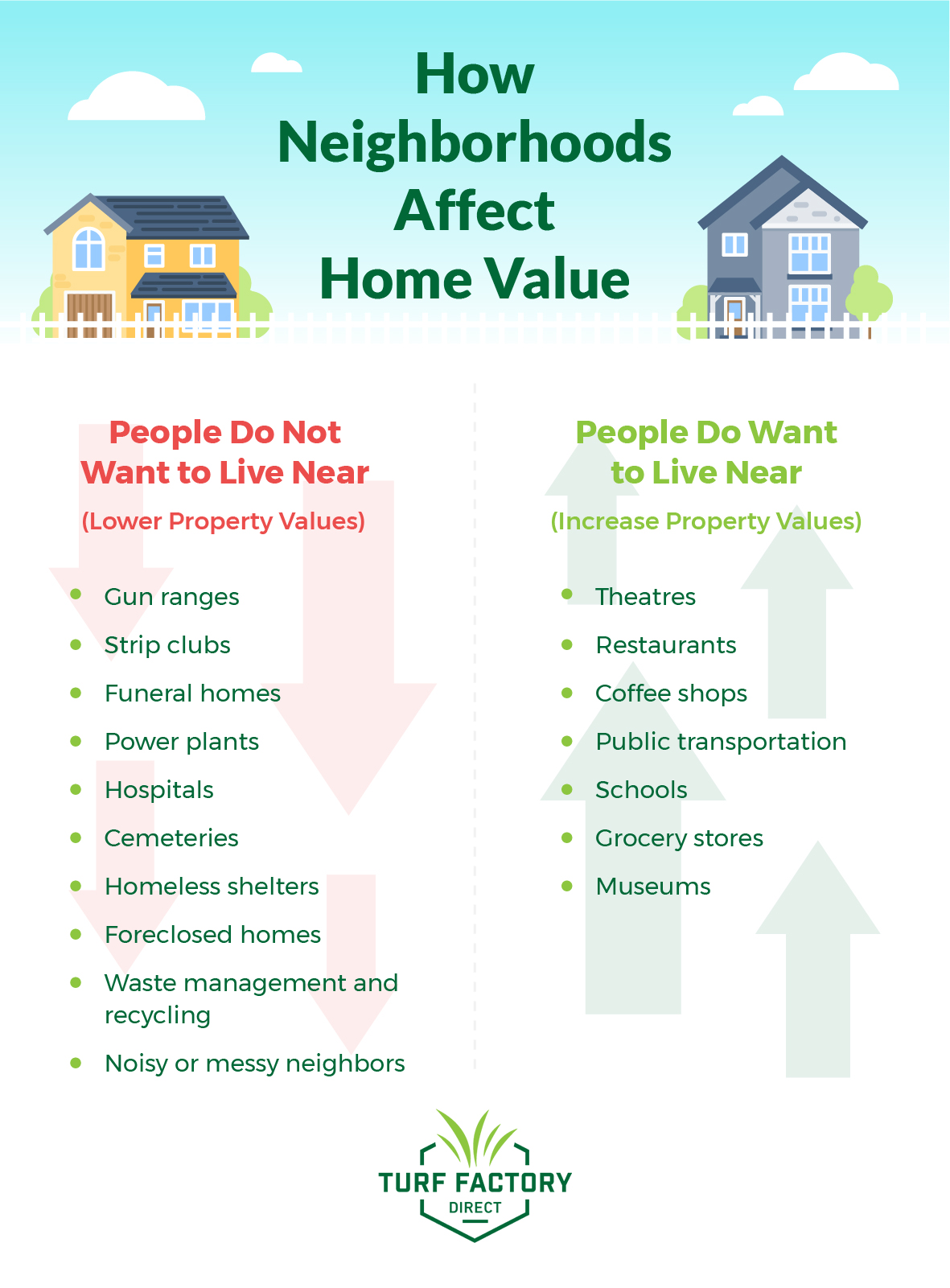
- Proximity to Amenities: Homes located near desirable amenities such as good schools, public transportation, parks, shopping centers, and employment hubs are consistently more valuable. Buyers are willing to pay a premium for convenience and access to a certain lifestyle.
- Neighborhood Desirability and Safety: The overall reputation of a neighborhood, its safety record, and its community feel play a crucial role. Well-maintained streets, low crime rates, and a sense of community contribute to a higher demand and, consequently, increased home values.
H3: Navigating Economic Cycles and Interest Rates
Broader economic conditions and financial market trends have a profound impact on real estate values. Understanding these cycles can inform investment timing and strategy.
- Interest Rates: Lower mortgage interest rates make homes more affordable, increasing buyer demand and driving up prices. Conversely, rising interest rates can cool the market and put downward pressure on values. Monitoring interest rate trends is crucial for both buyers and sellers.
- Local Economic Growth: A strong local economy, characterized by job growth and business expansion, typically translates to a higher demand for housing, which in turn fuels property value appreciation. Conversely, economic downturns can negatively impact the market.
By strategically investing in the enhancements outlined above, homeowners can significantly increase their property’s value. This not only translates to a greater financial return upon sale but also enhances the living experience while the home is occupied. Understanding these drivers empowers homeowners to make informed decisions that build wealth and secure their financial well-being.
aViewFromTheCave is a participant in the Amazon Services LLC Associates Program, an affiliate advertising program designed to provide a means for sites to earn advertising fees by advertising and linking to Amazon.com. Amazon, the Amazon logo, AmazonSupply, and the AmazonSupply logo are trademarks of Amazon.com, Inc. or its affiliates. As an Amazon Associate we earn affiliate commissions from qualifying purchases.