
In the modern professional landscape, a cover letter is far more than a polite formality or a summary of your resume. It is a strategic marketing document. If your resume is your product specification sheet, your cover letter is your brand advertisement. When considering what to include in a cover letter, you must shift your perspective from “what have I done?” to “how does my professional brand solve the employer’s problems?”
Effective branding is about consistency, value, and storytelling. A well-crafted cover letter serves as the bridge between your past experiences and your future potential, allowing you to control the narrative of your career. To stand out in a saturated market, every element of your cover letter must be intentionally designed to reinforce your personal brand identity and align it with the corporate identity of your target organization.
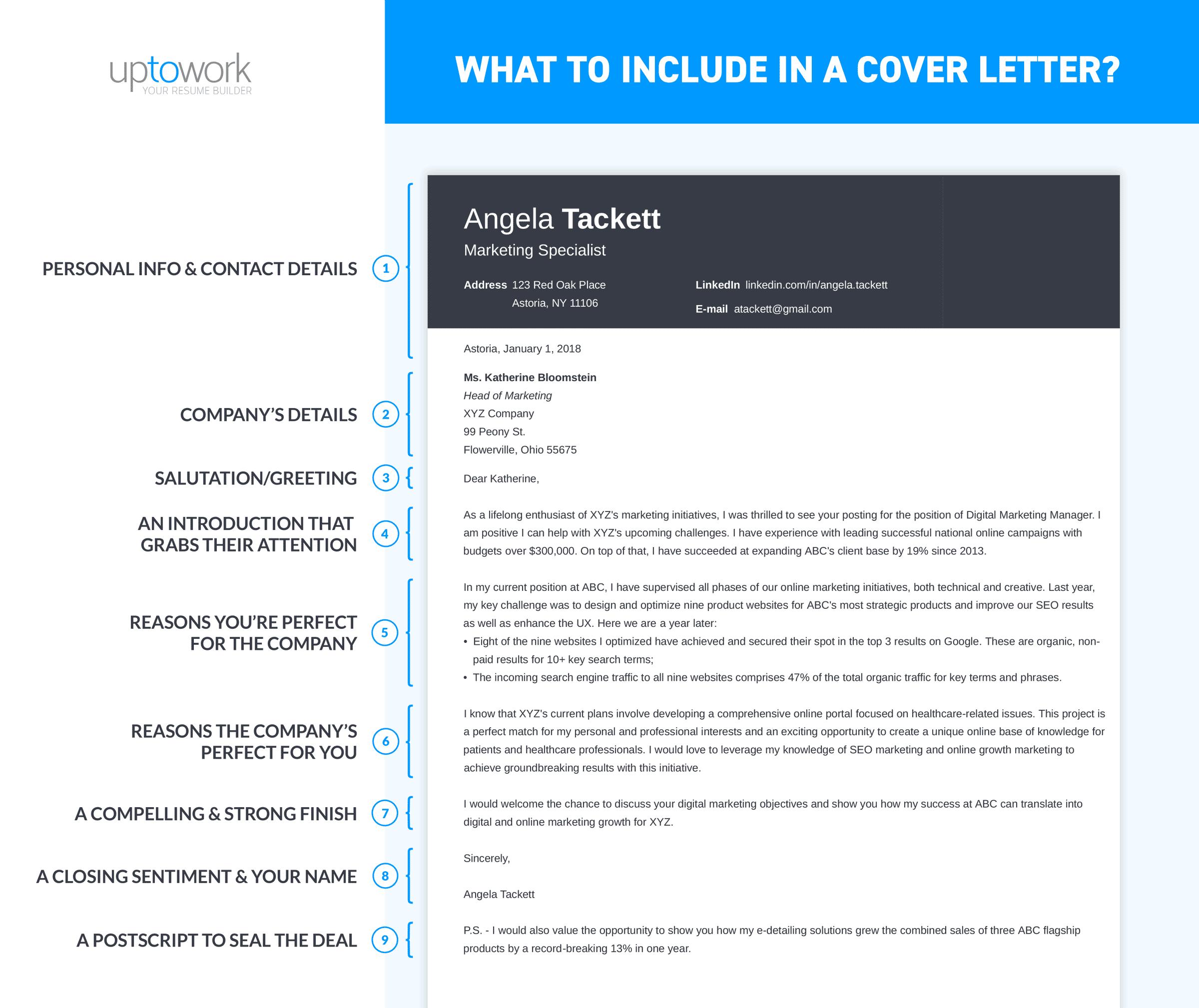
The Anatomy of a Brand-Centric Cover Letter
A strong personal brand relies on a clear, recognizable structure. When a recruiter opens your cover letter, they should immediately perceive a sense of professionalism and organized thought. This structural integrity reflects your attention to detail and your understanding of corporate communication standards.
The Header: Establishing Visual Consistency
Your personal brand begins with your visual identity. The header of your cover letter should ideally match the header of your resume and your LinkedIn banner. This includes using the same font hierarchy, color accents (if any), and contact information layout. By maintaining visual consistency, you create a “brand package” that makes your application more memorable. Include your full name, professional title, phone number, email address, and a link to your digital portfolio or LinkedIn profile.
The Salutation: Direct and Research-Driven
Generic greetings like “To Whom It May Concern” are brand killers; they signal a lack of effort and a “one-size-fits-all” approach. Personal branding is about connection. Invest time in identifying the hiring manager or the head of the department. Addressing a specific individual immediately positions you as someone who performs thorough research—a highly valued trait in any corporate environment.
The Hook: Crafting a Compelling Value Proposition
The opening paragraph is your “elevator pitch.” Instead of the standard “I am writing to apply for X position,” start with a powerful statement of value. What is the core of your brand? Are you a “Data-driven growth strategist with a track record of scaling SaaS startups”? Lead with that. Your goal is to grab attention within the first two sentences by stating exactly who you are and why your specific brand of expertise is the solution the company needs.
Aligning Your Story with Corporate Identity
Successful branding is rarely about the “self” in isolation; it is about the “fit.” To write an effective cover letter, you must perform a brand audit of the company you are applying to. You need to understand their voice, their mission, and their current challenges to ensure your personal brand narrative complements theirs.
Mirroring Voice and Tone
Every company has a unique brand voice. A creative agency may value a quirky, bold, and disruptive tone, while a legacy financial institution will prefer a conservative, authoritative, and precise tone. Read the company’s “About Us” page, their recent press releases, and their social media presence. Use your cover letter to mirror this tone. If they are an innovative disruptor, use active, forward-thinking language. If they prioritize stability and heritage, focus on your reliability and long-term vision.
Solving the Company’s “Pain Points”
A brand is essentially a promise to solve a problem. In your cover letter, you must demonstrate that you understand the specific challenges the company is facing. Perhaps they are expanding into a new territory, or maybe they are struggling with user retention. By framing your skills as solutions to these specific hurdles, you move from being a “candidate” to becoming a “strategic partner.” This alignment shows that your brand is not just high-quality, but highly relevant.
Demonstrating Cultural Fit through Shared Values
Corporate identity is built on a foundation of core values. If a company prides itself on “Radical Transparency” or “Customer Obsession,” your cover letter should include an anecdote or a philosophy that reflects those same values. This creates an emotional resonance with the reader, making it easier for them to envision you as a seamless addition to their existing team brand.
Showcasing Your Unique Selling Proposition (USP)
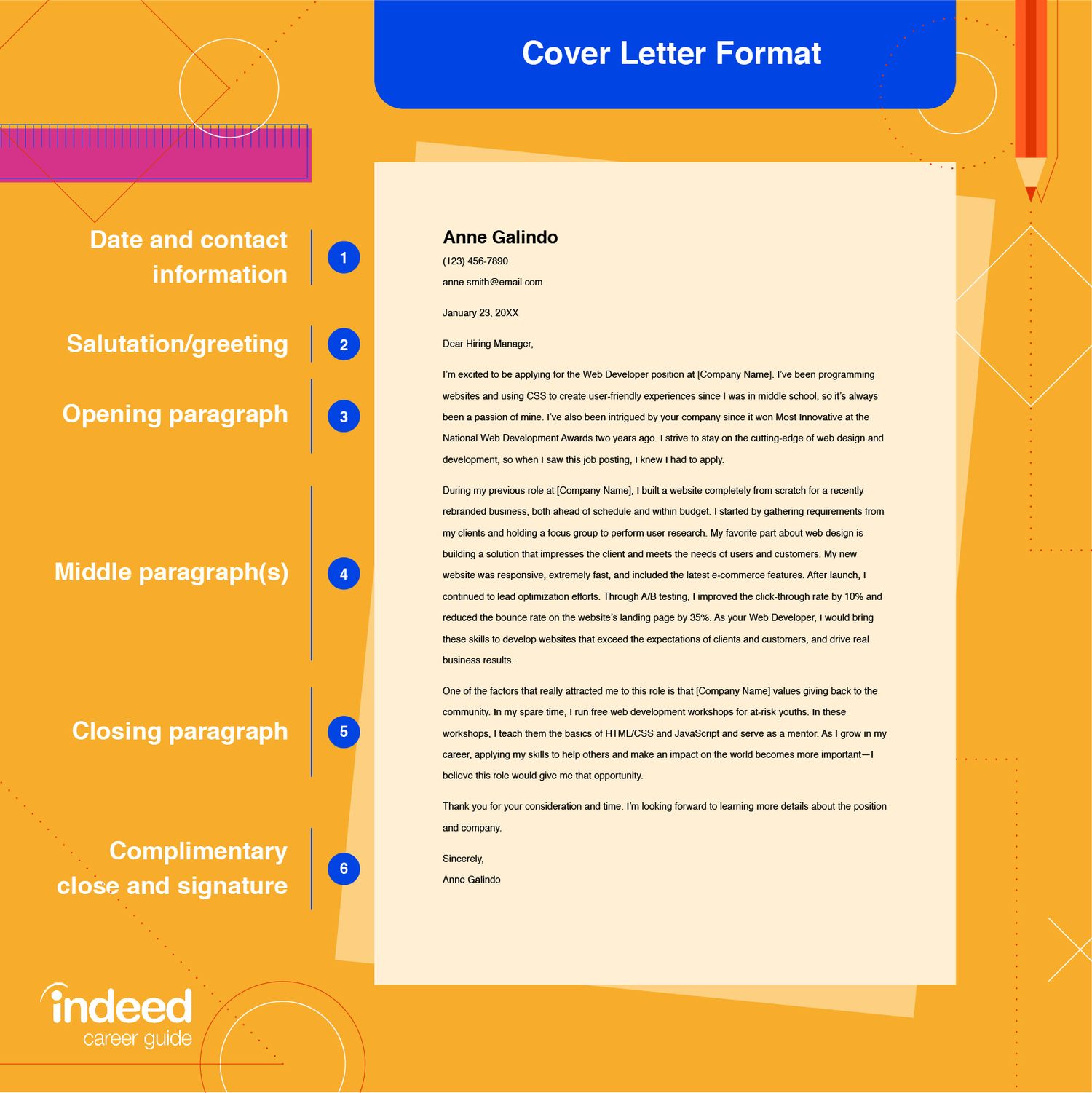
In marketing, a Unique Selling Proposition (USP) is what sets a product apart from its competitors. In a cover letter, your USP consists of the specific combination of skills, experiences, and perspectives that only you can offer. This is the “meat” of the letter where you provide evidence for your brand claims.
Quantifying Achievements through Brand Stories
Vague claims like “I am a hard worker” carry no brand weight. Instead, use “Brand Stories”—short, impactful narratives that highlight a problem, the action you took, and the quantifiable result. For example: “While managing the digital rebrand for XYZ Corp, I implemented a new content strategy that increased organic traffic by 40% within six months.” Numbers act as the social proof for your brand, providing tangible evidence that you deliver on your promises.
The “Why You” and “Why Them” Dynamic
Your USP should explain the intersection between your career goals and the company’s trajectory. This is where you articulate your passion. A strong personal brand is fueled by purpose. Explain why this specific organization is the only place where your brand can reach its full potential. This reinforces the idea that you aren’t just looking for any job, but are making a deliberate, strategic move that benefits both parties.
Highlighting “Soft” Brand Attributes
While technical skills are vital, your personal brand is also defined by your “soft” attributes—leadership style, communication ability, and emotional intelligence. Use the cover letter to weave these into your narrative. Instead of listing “leadership” as a skill, describe a time you mentored a junior team member or navigated a brand crisis with composure. These nuances provide a 3D view of your professional identity that a resume cannot capture.
The Call to Action: Closing with Confidence
Every high-converting marketing piece ends with a Call to Action (CTA). Your cover letter should be no different. The closing paragraph is your opportunity to reinforce your brand’s enthusiasm and set the stage for the next phase of the relationship.
Reiteration of Value and Enthusiasm
In the final paragraph, summarize your main value proposition one last time. Remind the reader of the specific impact you intend to make. “I am eager to bring my expertise in brand storytelling to [Company Name] to help elevate your market presence.” This shows that you are focused on the future and are already thinking about how to contribute to their success.
The Professional Sign-off
End with a proactive and confident stance. Instead of saying “I hope to hear from you,” try “I look forward to the opportunity to discuss how my background in [Specialty] can support [Company Name]’s upcoming goals.” This shifts the dynamic from a seeker to a professional peer. Use a professional closing like “Sincerely” or “Best Regards,” followed by your name.
Brand Optimization and Final Polish
Before sending your cover letter, you must ensure it undergoes a rigorous quality control process. A brand is easily tarnished by small errors, as they suggest a lack of discipline and a disregard for quality.
Avoiding Generic Templates
Using a generic template you found online is a fast way to dilute your personal brand. While templates can provide a structural starting point, the language must be entirely your own. Recruiters can spot “template speak” from a mile away. To maintain an authentic brand, your voice must sound human, professional, and unique. If your cover letter sounds like it could belong to ten other people, it isn’t branded yet.
Visual Branding and Document Design
The physical appearance of the document matters. Use professional typography and ensure there is plenty of white space. A cluttered document suggests a cluttered mind. Ensure the file is saved as a PDF (unless otherwise specified) to preserve your formatting across different devices. Name the file professionally—for example, “JaneDoeBrandStrategistCover_Letter.pdf”—rather than “CoverLetter1.pdf.”

The Power of Proofreading
Finally, the “brand polish.” Read your cover letter aloud to check for flow and tone. Check for “I” fatigue—while the letter is about you, try to balance sentences so they focus on the employer’s needs as much as your attributes. A cover letter that is 100% focused on the “I” can come across as self-absorbed, whereas a balanced letter shows a brand that is focused on collaboration and service.
By treating your cover letter as a branding exercise, you transform a mundane requirement into a powerful tool for career acceleration. When you include the right mix of visual consistency, strategic alignment, and quantifiable proof of value, you don’t just ask for a job—you present an irresistible brand that the company cannot afford to overlook.
aViewFromTheCave is a participant in the Amazon Services LLC Associates Program, an affiliate advertising program designed to provide a means for sites to earn advertising fees by advertising and linking to Amazon.com. Amazon, the Amazon logo, AmazonSupply, and the AmazonSupply logo are trademarks of Amazon.com, Inc. or its affiliates. As an Amazon Associate we earn affiliate commissions from qualifying purchases.