
The question “how much is a stock of Google?” seems straightforward, yet its answer is anything but a simple, static number. It opens the door to a complex, dynamic world of stock market valuation, investment strategy, and the intricate financial workings of one of the world’s most influential companies. When someone asks about the price of a “Google stock,” they’re typically referring to shares of its parent company, Alphabet Inc. (NASDAQ: GOOGL, GOOG). This article delves into what constitutes that price, the factors that influence it, and what an investor needs to consider beyond just the immediate numerical value.
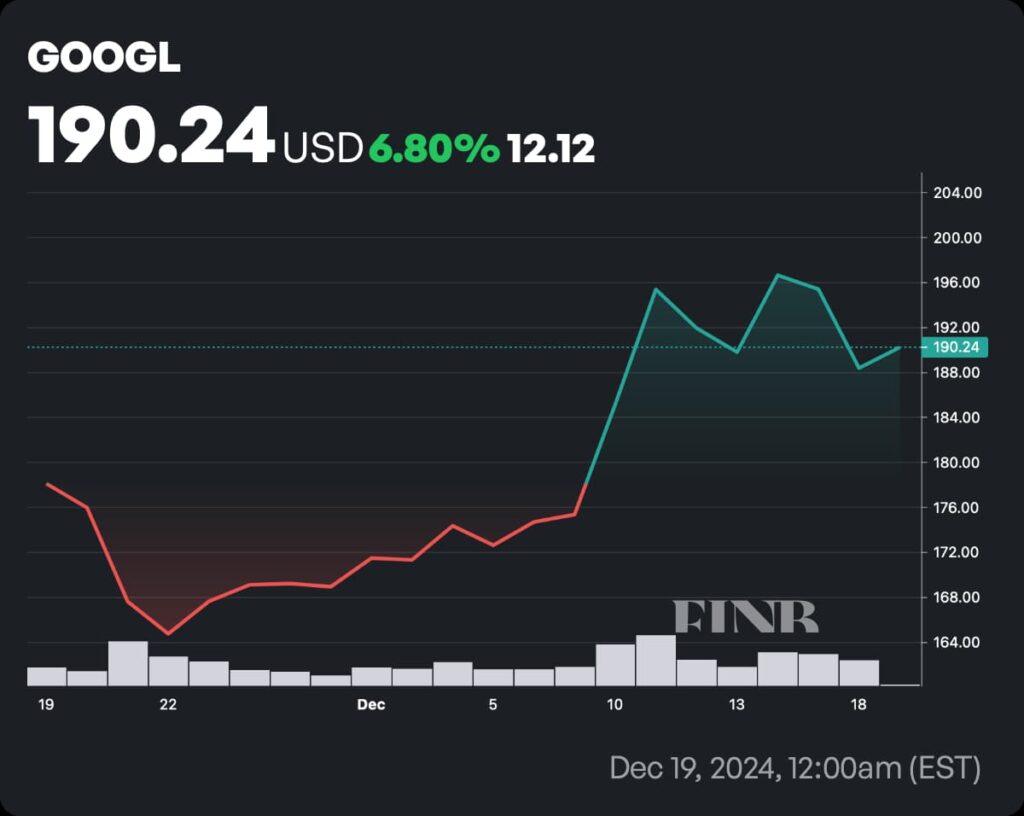
At its core, the price of a single share of Alphabet stock, or any publicly traded company, is determined by supply and demand in the open market. It’s the last price at which a buyer and a seller agreed to exchange shares. However, this instantaneous transaction price is merely a snapshot, a reflection of countless underlying forces and investor expectations about Alphabet’s present and future financial health, market position, and innovation pipeline. For a company as colossal and multifaceted as Alphabet, understanding its stock price requires a deep dive into its unique structure, performance drivers, and the broader economic landscape.
Understanding Alphabet (Google) Stock: A Dynamic Valuation
Alphabet Inc. is not just Google Search; it’s a vast conglomerate encompassing a diverse portfolio of businesses, including YouTube, Android, Chrome, Google Cloud, Waymo, DeepMind, and many other ventures. Its stock price reflects the market’s collective assessment of the value and future prospects of this entire ecosystem.
The Dual-Class Structure: GOOGL vs. GOOG
One of the first things an aspiring investor in Google will notice is that there isn’t just one ticker symbol. Alphabet has a unique dual-class share structure:
- GOOGL (Class A shares): These shares carry voting rights, meaning shareholders have a say in company matters, albeit usually a very small one for individual investors.
- GOOG (Class C shares): These shares do not carry voting rights.
Historically, the prices of GOOGL and GOOG shares tend to track each other very closely, with only marginal differences at any given moment. The existence of these dual classes is a strategic move designed to allow co-founders Larry Page and Sergey Brin, along with other insiders, to maintain control over the company’s strategic direction, even as it issued more stock to the public. For most retail investors, the choice between GOOGL and GOOG largely comes down to whether they prioritize minimal voting influence or simply wish to gain exposure to Alphabet’s financial performance. For practical purposes, either can provide the desired investment outcome.
What Drives Alphabet’s Stock Price?
The price of Alphabet’s stock is a constantly fluctuating figure, influenced by a myriad of factors, both internal and external:
- Company Performance and Financial Results: This is arguably the most significant driver. Alphabet’s quarterly and annual earnings reports, showcasing revenue, profit margins, user growth across its platforms (Search, YouTube), and the performance of Google Cloud, directly impact investor sentiment. Strong growth, profitability, and effective cost management tend to push the stock price up, while misses or downgrades can lead to declines.
- Market Sentiment and Economic Conditions: Broader market trends, investor confidence, interest rates set by central banks, inflation, and global economic growth forecasts all play a role. During periods of economic expansion, growth stocks like Alphabet tend to perform well. Conversely, economic slowdowns or rising interest rates can make investors more risk-averse, impacting tech stock valuations.
- Innovation and Future Ventures: Alphabet’s ability to innovate and successfully launch new products and services is crucial. Advances in artificial intelligence (AI), expansion into new markets, and the performance of its “Other Bets” (such as Waymo for autonomous driving) signal future growth potential, often driving investor enthusiasm.
- Competitive Landscape: The tech industry is fiercely competitive. Alphabet’s ability to maintain its dominance in search, digital advertising, and cloud computing against rivals like Microsoft, Amazon, and Meta is constantly under scrutiny. Any perceived weakening of its competitive moat can affect its stock price.
- Regulatory Scrutiny and Legal Challenges: Given its size and market dominance, Alphabet faces ongoing antitrust investigations and regulatory challenges globally. Potential fines, mandated business changes, or legal rulings can create uncertainty and pressure on the stock.
- Analyst Ratings and News Flow: Stock analysts provide regular research reports and ratings (buy, hold, sell) that can sway investor opinion. Major news events, product announcements, management changes, or even rumors can cause short-term price fluctuations.
More Than Just a Number: The Investment Perspective
While the current share price tells you the cost of one unit, it’s a superficial metric when evaluating an investment. Astute investors look beyond the nominal price to understand the company’s intrinsic value and future potential.
Historical Performance and Growth Trajectory
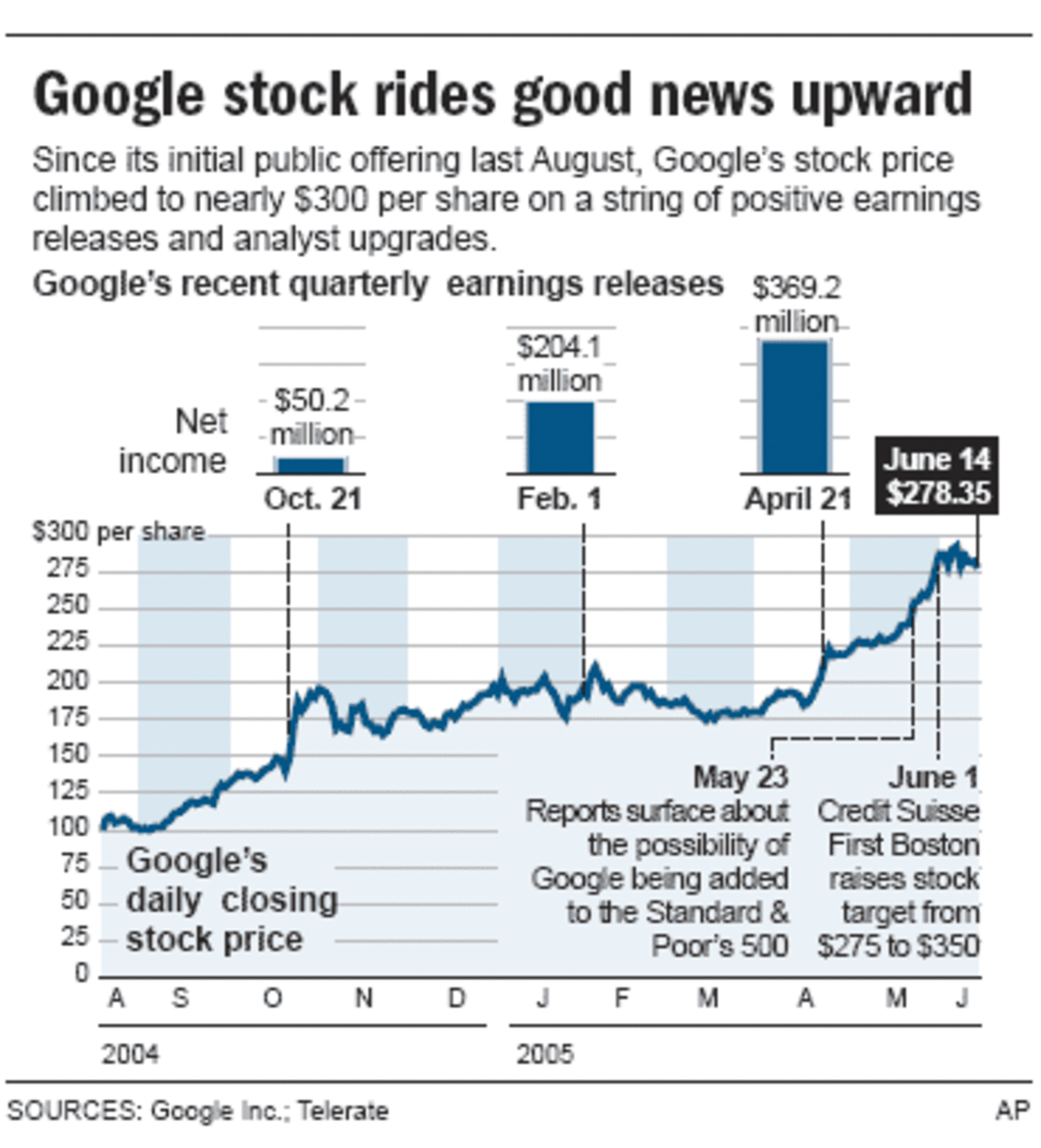
Alphabet has been a phenomenal growth story since its IPO in 2004. Its journey has involved several stock splits, which multiply the number of shares outstanding while proportionally reducing the price per share. For instance, a 20-for-1 stock split means that if you owned one share at $2,000, you would then own 20 shares, each priced at $100. Splits make shares more accessible to a broader range of investors and don’t change the overall value of an investor’s holding, but they can significantly alter the “price of a stock.” Understanding this history is crucial because it illustrates the company’s long-term value creation and management’s philosophy on shareholder accessibility.
Valuation Metrics Beyond Share Price
To truly assess “how much is a stock of Google” in terms of its value, investors use various financial metrics:
- Market Capitalization: This is the total value of all outstanding shares (share price multiplied by the number of shares). It provides a true sense of the company’s size and market value, making it comparable to other large corporations. Alphabet consistently ranks among the top companies globally by market cap.
- Price-to-Earnings (P/E) Ratio: This compares the current share price to the company’s earnings per share. A higher P/E ratio typically indicates that investors expect higher future growth, or that the stock is considered “expensive.” Comparing Alphabet’s P/E to its historical average and industry peers helps determine if it’s currently over or undervalued.
- Revenue Growth: Consistent year-over-year revenue growth is a strong indicator of a healthy, expanding business. For a company like Alphabet, growth in advertising revenue, cloud services, and subscriptions is key.
- Profit Margins: Gross profit margin, operating margin, and net profit margin reveal how efficiently Alphabet converts revenue into profit. Healthy and improving margins are signs of strong management and competitive advantage.
- Free Cash Flow (FCF): This represents the cash a company generates after accounting for cash outflows to support operations and maintain its capital assets. Strong and growing FCF is vital for funding future growth, potential acquisitions, and returning capital to shareholders.
Simply asking “how much is a stock of Google?” without considering these metrics is like asking the price of a car without knowing its make, model, year, or condition.
Google’s Place in an Investment Portfolio
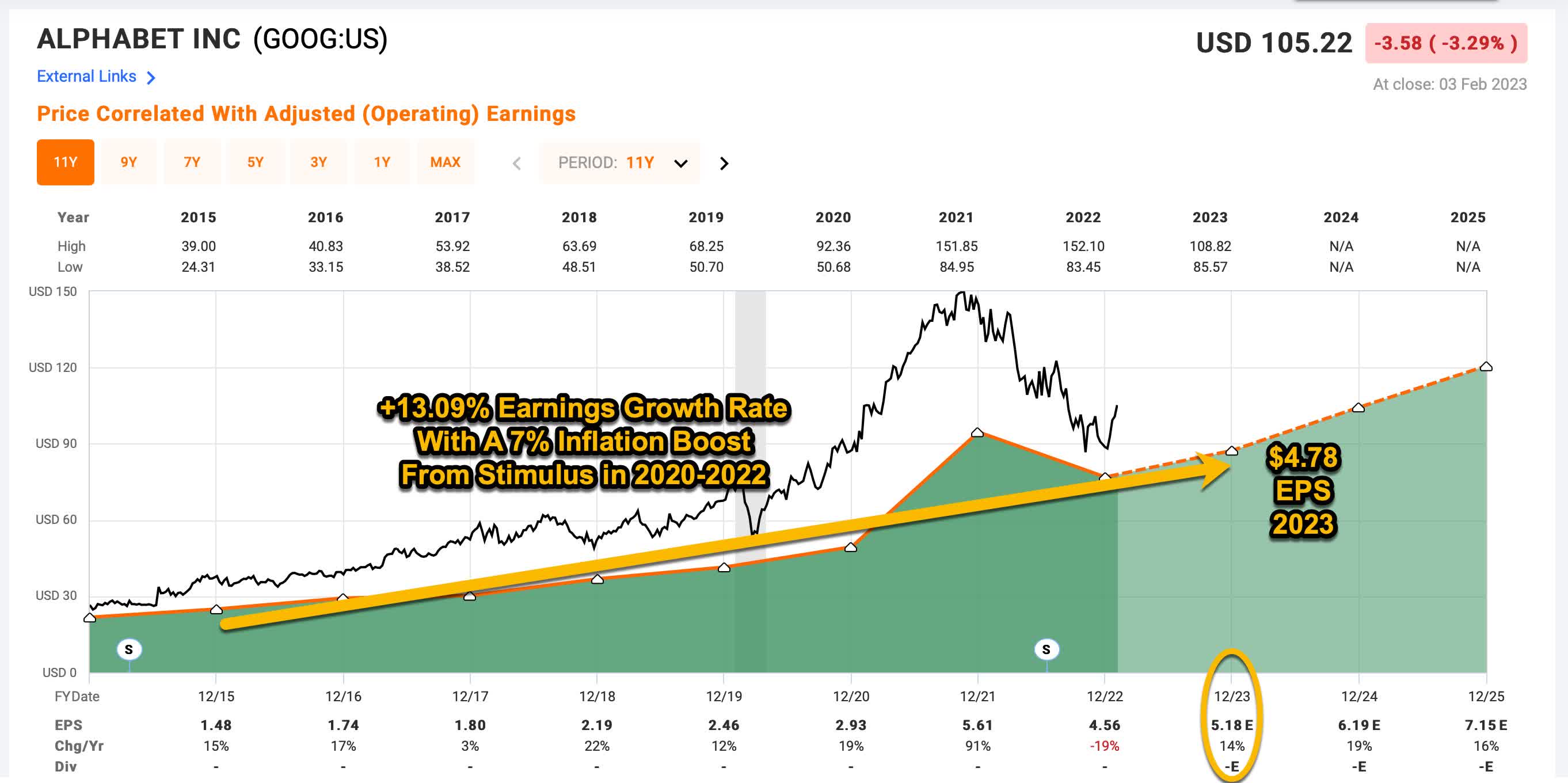
For many investors, Alphabet represents a cornerstone of a diversified portfolio due to its dominant market positions and consistent innovation. It’s largely considered a growth stock, meaning investors buy it primarily for capital appreciation rather than dividends (Alphabet historically has not paid regular dividends). Including Alphabet in a portfolio can offer:
- Exposure to the Tech Sector: A key player in almost every facet of digital technology.
- Diversification: While heavily reliant on advertising, its diverse product ecosystem offers some insulation against downturns in a single segment.
- Long-Term Growth Potential: Continuous investment in AI, cloud computing, and other emerging technologies points to significant future opportunities.
However, like all investments, it comes with risks, including market volatility, regulatory pressures, and intense competition.
Navigating the Investment Process for Google Stock
Once you’ve grasped the multifaceted nature of Alphabet’s valuation, the next step is understanding how to actually invest.
How to Buy Alphabet Shares
The process of buying Alphabet stock is relatively straightforward:
- Open a Brokerage Account: You’ll need an investment account with a regulated stockbroker. Many online brokers offer user-friendly platforms and competitive fees.
- Fund Your Account: Transfer money into your brokerage account from your bank.
- Choose Your Shares: Decide whether you want to buy GOOGL (Class A, voting) or GOOG (Class C, non-voting). As mentioned, for most retail investors, the price difference is usually negligible, and either provides exposure to Alphabet’s financial performance.
- Place an Order: You can place a “market order” (to buy at the current best available price) or a “limit order” (to buy only if the price hits or falls below a specific threshold you set).
- Consider Fractional Shares: If the price per share is high and you don’t want to invest a large sum, many brokers offer fractional shares, allowing you to buy a portion of a share for as little as a few dollars.
Long-Term vs. Short-Term Trading
For a company like Alphabet, most financial advisors advocate for a long-term investment strategy. This involves buying shares with the intention of holding them for several years, riding out short-term market fluctuations, and benefiting from the company’s sustained growth. Short-term trading, which attempts to profit from small, rapid price movements, is highly speculative and typically not recommended for individual investors due to its inherent risks and high transaction costs. Alphabet’s story is one of sustained innovation and market dominance, a narrative that rewards patience.
The Importance of Due Diligence and Professional Advice
Before investing any amount, large or small, in Alphabet or any stock, thorough due diligence is paramount. This means:
- Researching Financial Reports: Reviewing the company’s 10-K (annual) and 10-Q (quarterly) reports filed with the SEC provides detailed financial information.
- Staying Informed: Following financial news, industry analysis, and economic indicators.
- Understanding Your Personal Financial Goals: Aligning your investment decisions with your risk tolerance, time horizon, and overall financial objectives.
If you’re new to investing or dealing with significant sums, consulting a qualified financial advisor is highly recommended. They can help you understand the risks, diversify your portfolio, and create an investment strategy tailored to your individual needs.
The Future Outlook for Alphabet and Its Stock
The question “how much is a stock of Google?” is not just about today’s price but also about what factors will shape its value in the future. Alphabet remains a titan, but its trajectory is subject to ongoing developments.
Key Growth Drivers
- AI Leadership: Alphabet’s massive investments in artificial intelligence, exemplified by projects like DeepMind and its Gemini AI model, are poised to redefine its search products, cloud services, and other ventures, potentially unlocking significant new revenue streams and efficiencies.
- Google Cloud Expansion: Google Cloud Platform (GCP) continues to grow rapidly, competing effectively with AWS and Azure. As more businesses migrate to the cloud, GCP represents a substantial growth engine for Alphabet beyond its advertising core.
- YouTube’s Continued Dominance: YouTube remains the world’s leading video platform, with immense advertising potential and growing subscription services (YouTube Premium, YouTube TV).
- Innovation in “Other Bets”: While currently unprofitable, ventures like Waymo (self-driving cars) and Verily (life sciences) hold the promise of becoming multi-billion-dollar businesses in the long term.
Potential Headwinds and Risks
- Regulatory Scrutiny: Antitrust lawsuits and calls for stricter regulation remain a persistent threat, potentially leading to operational restrictions or hefty fines that could impact profitability.
- Intensifying Competition: The race in AI is heating up, with formidable competitors vying for market share. In cloud computing and digital advertising, Alphabet faces relentless competition that could pressure margins.
- Macroeconomic Sensitivity: As a major advertising platform, Alphabet’s revenue can be sensitive to macroeconomic downturns that cause businesses to cut their ad spending.
- Talent and Innovation: Maintaining its position at the forefront of technology requires continuous innovation and the ability to attract and retain top global talent, which comes at a significant cost.
Conclusion
So, “how much is a stock of Google?” The simple answer is that the price changes every second the market is open. But the insightful answer is far richer: it’s a dynamic reflection of a vast, innovative tech empire’s financial performance, future potential, competitive landscape, and the collective sentiment of millions of investors. For those looking to invest in Alphabet, understanding its dual-class structure, the myriad of factors influencing its valuation, and the importance of a long-term, informed perspective is crucial. Investing in Alphabet means investing in a company that continues to shape the digital world, but it requires diligent research and an appreciation for the complex interplay of finance and technology that underpins its ever-changing stock price.
aViewFromTheCave is a participant in the Amazon Services LLC Associates Program, an affiliate advertising program designed to provide a means for sites to earn advertising fees by advertising and linking to Amazon.com. Amazon, the Amazon logo, AmazonSupply, and the AmazonSupply logo are trademarks of Amazon.com, Inc. or its affiliates. As an Amazon Associate we earn affiliate commissions from qualifying purchases.