
In the modern economic landscape, the phrase “big beautiful bill” has become a colloquialism for the massive, multi-trillion-dollar legislative packages that periodically sweep through the halls of government. Whether they are focused on infrastructure, social safety nets, or climate initiatives, these bills are more than just legal documents; they are gargantuan financial engines that shift the tectonic plates of the global economy. For the individual investor, the small business owner, and the everyday consumer, understanding the “what,” “how,” and “when” of these bills is no longer optional—it is a prerequisite for financial literacy in the 21st century.
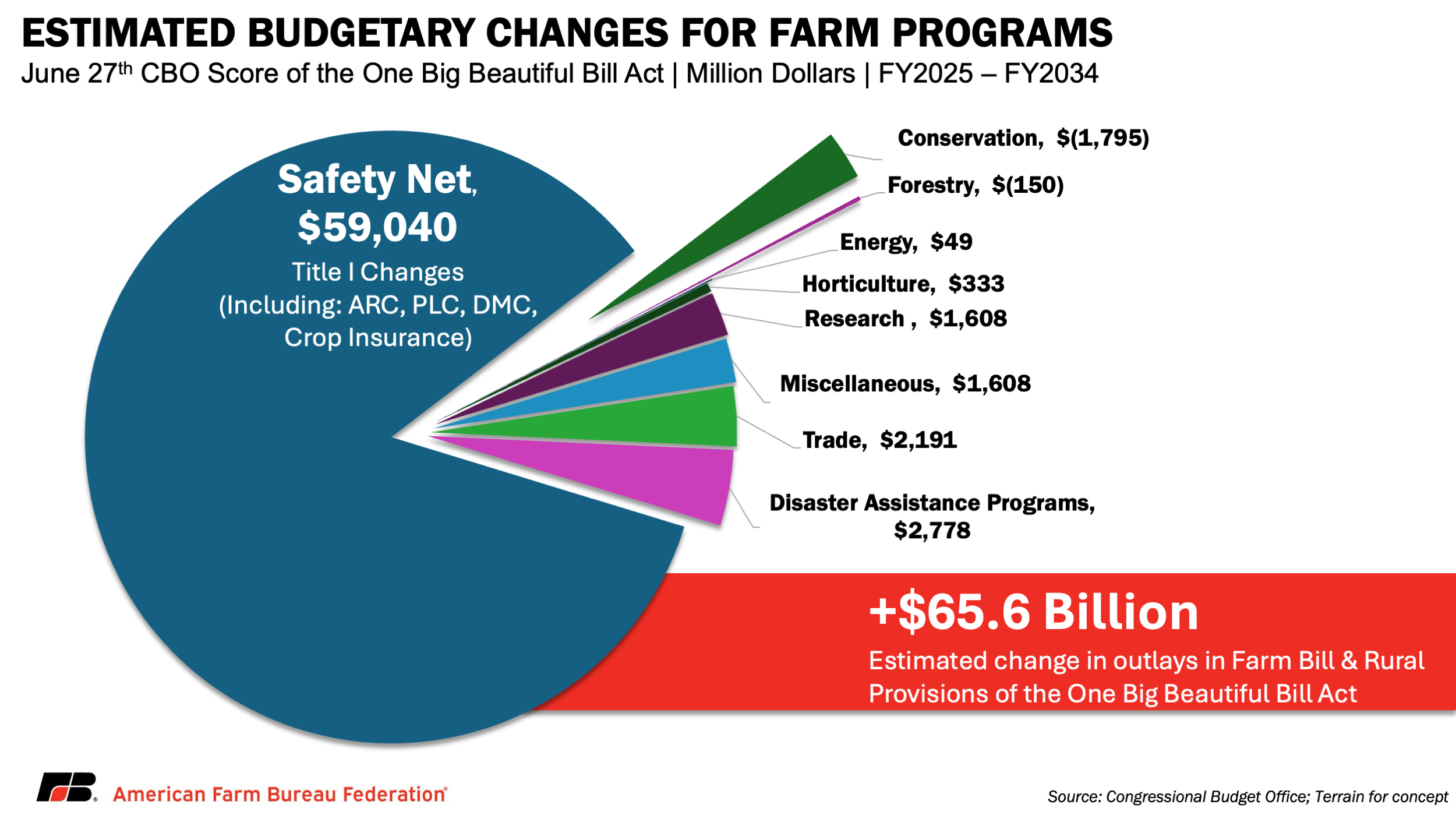
When a bill of significant magnitude is passed, it injects an unprecedented amount of capital into specific sectors of the economy. This isn’t merely a transfer of funds; it is a redirection of national priorities that creates winners and losers in the marketplace. To the uninitiated, these bills look like a chaotic mess of line items and earmarks. To the savvy financial mind, however, they represent a roadmap for the next decade of market trends, tax incentives, and investment opportunities.
Decoding the Economic Architecture of Massive Spending
To understand a “big beautiful bill,” one must first understand the concept of fiscal stimulus. Unlike monetary policy, which is controlled by central banks through interest rates, fiscal policy is the direct use of government spending and taxation to influence the economy. When a massive bill is signed into law, it represents a deliberate attempt to “prime the pump” of the national economy.
The Multiplier Effect and Capital Flow
One of the primary goals of large-scale spending is the “fiscal multiplier.” This economic theory suggests that every dollar spent by the government results in more than a dollar of growth in the Gross Domestic Product (GDP). For instance, when money is allocated for a new high-speed rail project, that capital flows to construction firms, engineering consultants, and raw material suppliers. These entities, in turn, pay wages to workers and dividends to shareholders, who then spend that money in their local communities. Understanding which sectors are receiving the most direct “injections” allows investors to position themselves ahead of the curve.
Inflationary Pressures and Currency Valuation
While massive bills can stimulate growth, they do not exist in a vacuum. The sheer volume of currency entering the system can lead to inflationary pressures. If the supply of money grows faster than the output of goods and services, the purchasing power of the dollar may decrease. For those managing personal finance, this necessitates a shift toward inflation-protected assets, such as Treasury Inflation-Protected Securities (TIPS), real estate, or commodities. A “big beautiful bill” is often a double-edged sword: it builds the future but risks devaluing the present currency if not managed with fiscal discipline.
Market Volatility and Legislative Uncertainty
The journey of a bill from proposal to law is often fraught with political theater, which translates directly into market volatility. Traders often “price in” the expected benefits of a bill months before it passes. However, if a key provision is stripped out during negotiations, specific stocks or sectors may see a rapid sell-off. Navigating this requires a long-term perspective—looking past the daily headlines to the fundamental structural changes the legislation will eventually cement into the economy.
Strategic Opportunities for the Modern Investor
When the government decides to spend hundreds of billions of dollars, they are essentially providing a “buy” signal for specific industries. A “big beautiful bill” often contains specific mandates that guarantee demand for certain products and services for years to come.
Capitalizing on Infrastructure and Green Energy
In recent years, large-scale bills have heavily favored “green” transitions and traditional infrastructure. For the investor, this means looking at the “picks and shovels” of these industries. If a bill provides massive subsidies for electric vehicle (EV) charging stations, the real opportunity may not just be in the automakers themselves, but in the companies that manufacture the semiconductors, the copper for the wiring, and the software that manages the grid. Following the money within the bill allows for a more nuanced investment strategy that avoids the “hype” and focuses on the underlying supply chain.
The Rise of Defense and Technological Sovereignty
Many massive spending packages are now framed through the lens of national security and technological independence. This includes funding for domestic semiconductor manufacturing (often referred to as “onshoring”) and cyber-defense. These are not cyclical trends; they are permanent shifts in how capital is allocated. Investing in companies that are direct beneficiaries of government grants and “cost-plus” contracts can provide a level of stability that purely consumer-facing companies might lack during an economic downturn.

Real Estate and Geographic Arbitrage
“Big beautiful bills” often include localized “Opportunity Zones” or specific regional grants. When a multi-billion-dollar factory is funded in a previously overlooked part of the country, the local real estate market undergoes a radical transformation. Savvy investors look at the geographic allocations within a bill to identify the next “boom towns.” By identifying where the infrastructure is being built today, one can predict where the commerce and housing demand will be tomorrow.
The Impact on Small Business and Personal Finance
While the headlines focus on the trillions, the most “beautiful” parts of these bills for the average person are often buried in the fine print of the tax code and small business provisions.
Navigating Tax Credits and Deductions
Massive bills are frequently used as vehicles for tax reform. This might include enhanced Child Tax Credits, energy-efficiency rebates for homeowners, or Research and Development (R&D) credits for small businesses. For example, a bill might offer a 30% tax credit for installing solar panels or upgrading to high-efficiency HVAC systems. For a household, this can mean thousands of dollars in direct savings. For a small business, leveraging R&D tax credits can be the difference between a year of loss and a year of profitability.
Side Hustles and the “Gig” Economy in a Stimulated Market
When government spending fuels certain sectors, it creates a “trickle-down” of contract work. A “big beautiful bill” focusing on digital equity might lead to a surge in demand for freelance broadband technicians or digital literacy coaches. Small business owners should analyze these bills to see where they can pivot their services to become vendors for larger firms that have secured government contracts. Positioning a side hustle to serve a “government-funded” industry is one of the most effective ways to ensure a steady stream of income.
Debt Management in a Changing Interest Rate Environment
Massive government spending often correlates with shifts in interest rates. If the government borrows heavily to fund a bill, it can put upward pressure on yields. For the individual, this means that the “beautiful bill” might eventually lead to higher mortgage rates or increased costs for car loans. It is crucial to balance the immediate benefits of the bill (like a tax rebate) with a proactive strategy to lock in low-interest debt or pay down variable-rate high-interest debt before the macroeconomic effects of the spending fully kick in.
The Long-Term Fiscal Outlook: Risk and Resilience
While the immediate influx of capital can feel like an economic windfall, a “big beautiful bill” also adds to the complex tapestry of national debt and long-term fiscal health. For a truly professional approach to money, one must look at the “exit strategy” of such massive spending.
Understanding the Debt-to-GDP Ratio
As the national debt grows to fund these large-scale projects, the debt-to-GDP ratio becomes a critical metric for investors to watch. A high ratio can lead to “crowding out,” where government borrowing becomes so high that it makes it more expensive for private businesses to borrow money. As a student of finance, one must monitor whether the “big beautiful bill” is producing enough economic growth to justify its cost. If the growth (GDP) exceeds the cost of the debt service, the bill is a success. If not, it may lead to future tax hikes that investors need to prepare for today.
Diversification as a Defense Mechanism
Because large legislative packages can be unpredictable, diversification remains the ultimate financial tool. A single bill can boost the renewable energy sector while simultaneously placing new regulatory burdens on the banking sector. A well-constructed portfolio should be “legislation-agnostic,” meaning it has enough breadth to benefit from the “beautiful” parts of the bill while being insulated from the potential “ugly” side effects, such as increased regulation or corporate tax increases.
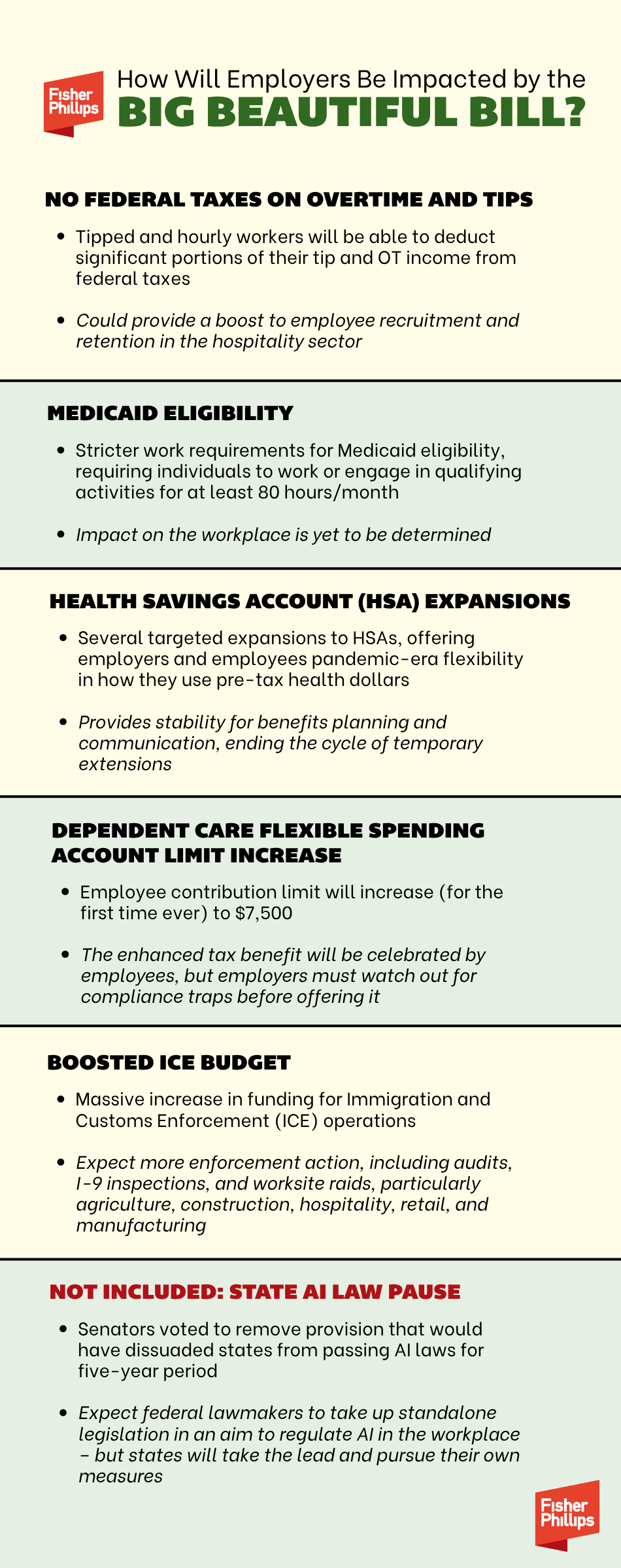
The Future of Global Competitiveness
Ultimately, these bills are about competition. Whether it’s competing with other nations for dominance in AI or ensuring that domestic infrastructure is world-class, the “big beautiful bill” is a statement of intent. For the individual, this means the future of “online income” and “business finance” will be increasingly tied to these national priorities. Staying informed isn’t just about reading the news; it’s about interpreting the flow of capital and ensuring that your personal “balance sheet” is aligned with the direction the “big beautiful bill” is moving the world.
In conclusion, “what in the big beautiful bill” is not just a question of politics—it is the ultimate question of modern finance. By breaking down the complex layers of fiscal policy, identifying sector-specific opportunities, and managing the personal risks associated with large-scale spending, anyone can turn a daunting piece of legislation into a cornerstone of their financial strategy. The beauty of the bill, it seems, is truly in the eye of the financially literate beholder.
aViewFromTheCave is a participant in the Amazon Services LLC Associates Program, an affiliate advertising program designed to provide a means for sites to earn advertising fees by advertising and linking to Amazon.com. Amazon, the Amazon logo, AmazonSupply, and the AmazonSupply logo are trademarks of Amazon.com, Inc. or its affiliates. As an Amazon Associate we earn affiliate commissions from qualifying purchases.