
The delivery room is a space of overwhelming emotion, transition, and immediate clinical oversight. While parents are often focused on the first embrace and the initial assessment of their newborn’s vitality, a critical layer of the infant’s long-term health strategy begins within the first few hours of life: the administration of the birth-dose immunization. In the context of modern pediatric medicine, protecting a vulnerable immune system is a strategic investment in lifelong health, effectively functioning as the biological equivalent of securing a high-yield asset against future volatility.
The Strategic Importance of the Hepatitis B Vaccine
In the landscape of public health, the Hepatitis B vaccine is the cornerstone of neonatal care. It is the only vaccine typically administered within the first 24 hours of a baby’s life, and its inclusion in the hospital protocol is a deliberate decision based on decades of epidemiological data.
Preventing Vertical Transmission
The primary objective of the birth-dose Hepatitis B vaccine is to provide a critical barrier against vertical transmission. If a mother is a carrier of the Hepatitis B virus, the risk of transmission to the infant during the delivery process is high. By administering the vaccine immediately, clinicians create an immunological buffer that can prevent chronic infection—a condition that, if left unchecked, significantly increases the risk of liver damage, cirrhosis, and hepatocellular carcinoma later in life.
Long-Term Health Equity
From a broader societal perspective, the widespread administration of this vaccine serves as a foundational “public health insurance.” By ensuring that every infant receives this dose regardless of their socioeconomic status or the mother’s known status, health systems mitigate the long-term costs associated with managing chronic liver disease. It is a proactive, low-cost intervention that yields a high return on investment in the form of healthier populations and reduced healthcare expenditures over the coming decades.
Understanding the Clinical Protocol and Timing
The clinical decision to vaccinate at birth is not arbitrary; it is governed by a rigorous schedule designed to align with the developmental stages of the infant’s nascent immune system.
The 24-Hour Window
Medical guidelines recommend that the first dose of the Hepatitis B vaccine be given within 24 hours of birth. This specific timing is calibrated to match the window of highest risk for exposure and the subsequent timeline for immune response. Because a newborn’s immune system is essentially a blank slate, this initial dose acts as an “exploratory” stimulus, training the body to recognize the viral surface antigen without exposing the infant to the live virus itself.
The Role of Maternal Screening
While the birth dose is standard practice, its delivery is further optimized by mandatory maternal screening. If a mother tests positive for Hepatitis B surface antigen (HBsAg), the newborn must receive not only the vaccine but also Hepatitis B Immune Globulin (HBIG). This dual-therapy approach is a sophisticated biological safeguard, providing immediate passive immunity via the globulin while the vaccine jump-starts the baby’s active immune production.
Navigating the Parental Decision-Making Process
As modern parents increasingly engage in informed medical decision-making, the conversation surrounding neonatal immunizations has shifted toward a framework of risk management and long-term health optimization.
Evaluating the Risk-Benefit Profile
When parents review the hospital protocol, the decision to vaccinate is often viewed through the lens of modern preventative health. Unlike medications that treat existing pathologies, vaccines are prophylactic tools. Much like diversifying a financial portfolio to hedge against market downturns, immunization at birth is a strategic move to hedge against biological threats that the infant is not yet equipped to combat.
Addressing Concerns with Evidence-Based Logic
Common concerns—such as the perceived burden on a small body—are addressed through the lens of immunology. A newborn’s immune system is constantly bombarded by thousands of antigens from the moment they emerge into the world. The purified proteins used in the Hepatitis B vaccine are insignificant in quantity compared to the environmental antigens the child encounters daily. Clinicians view the vaccine as a precise, controlled input that builds a defensive architecture, ensuring the child is not left vulnerable to preventable viral threats.
Integrating Immunizations into the Broader Wellness Plan
The birth-dose vaccine is merely the first installment in a comprehensive series. Just as an investor does not stop at the first trade, a healthcare provider views the birth dose as the first move in a multi-year strategy to build robust pediatric immunity.
From Birth to Childhood: The Cumulative Effect
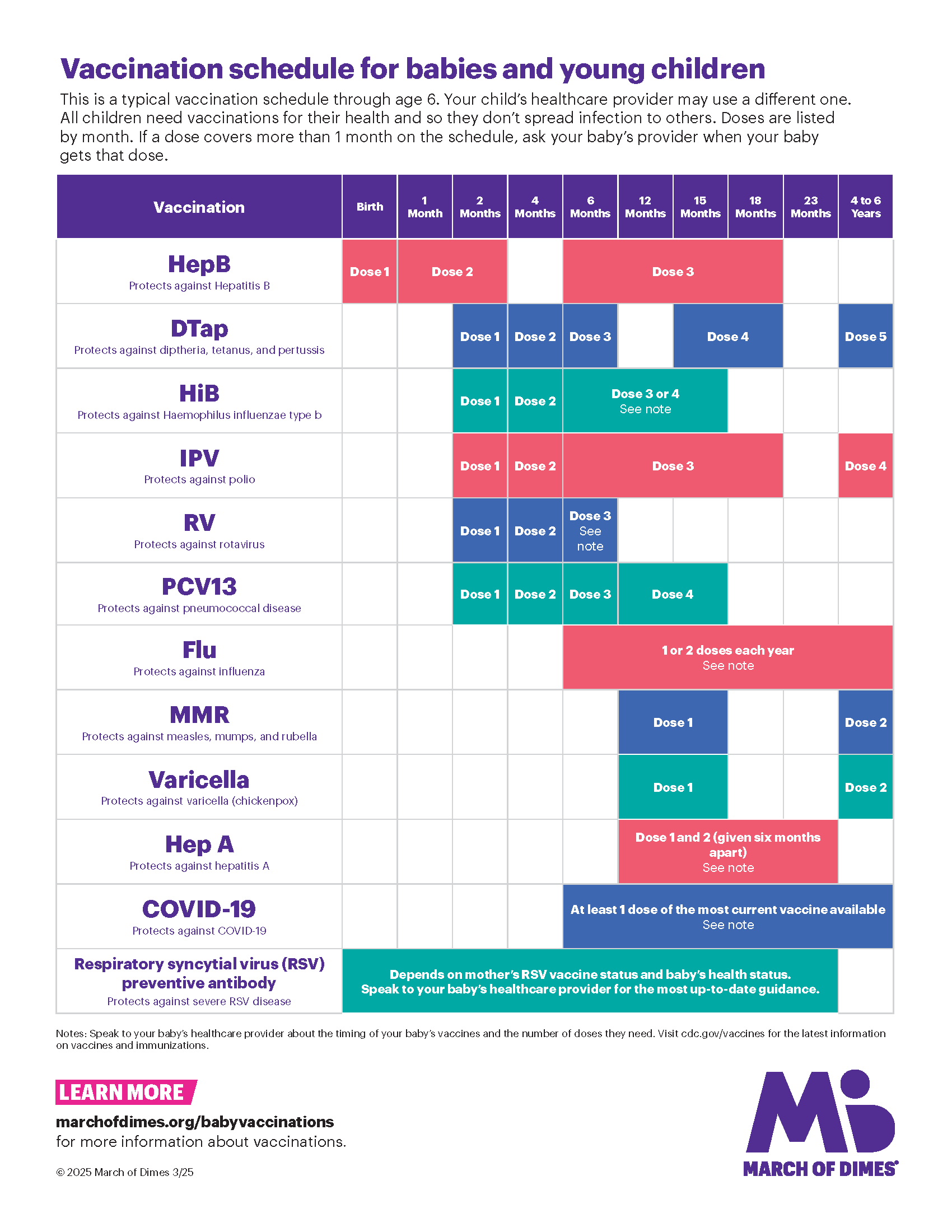
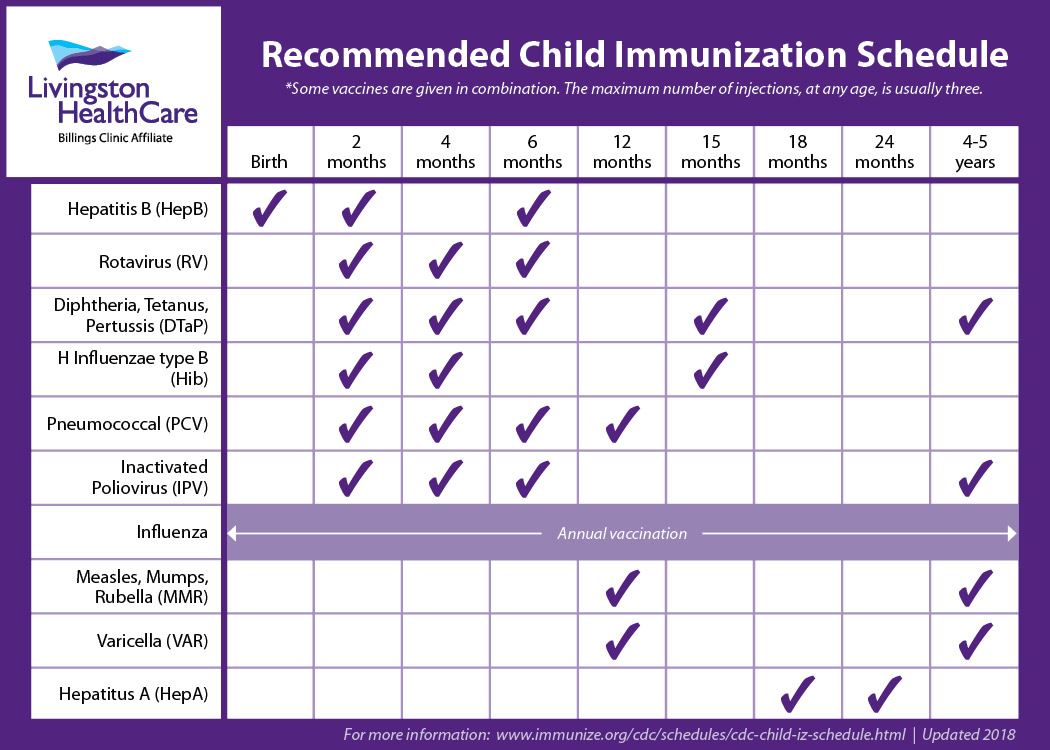
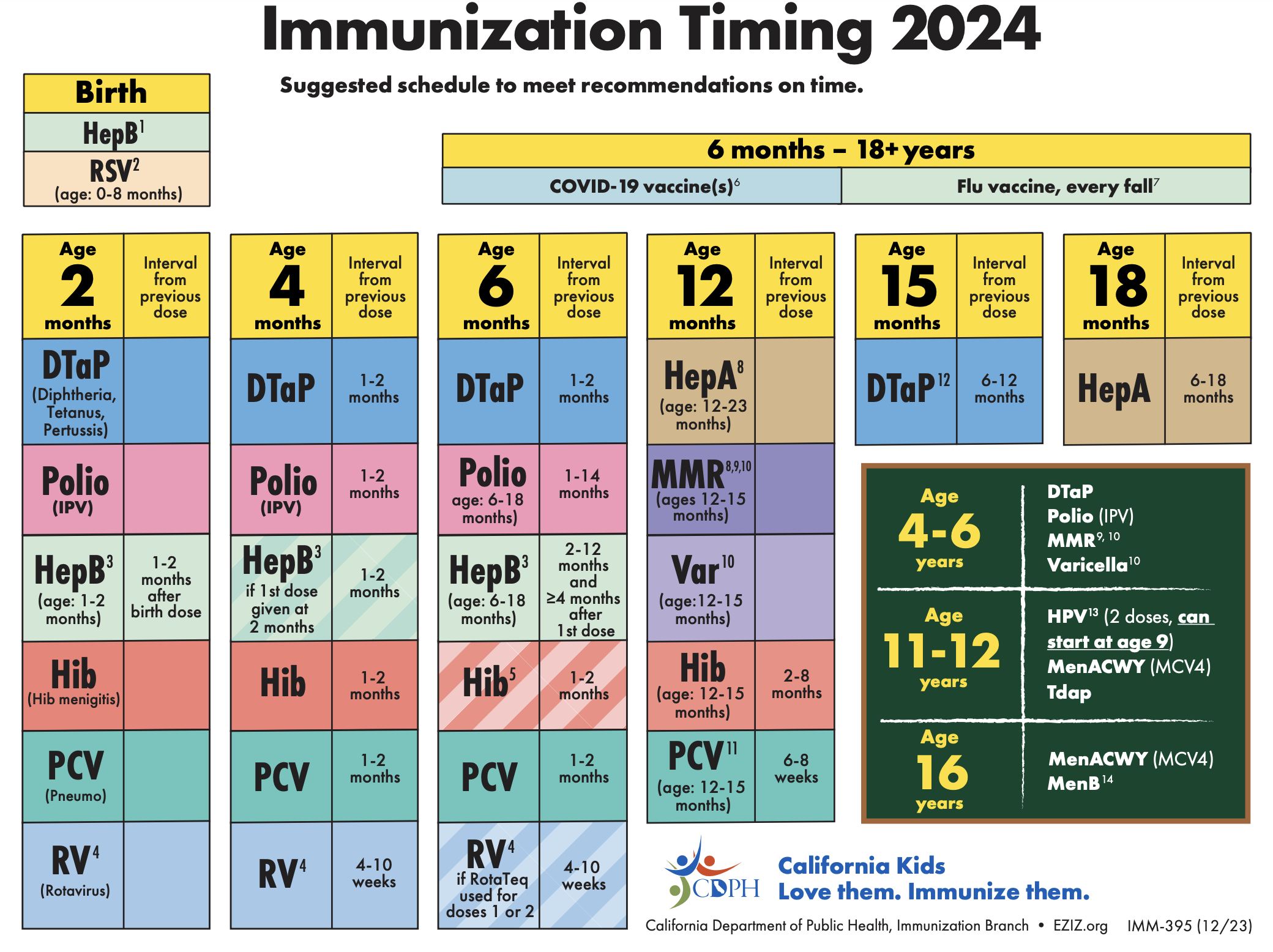
The immunization schedule is a series of strategic reinforcements. Following the birth dose, infants receive subsequent doses of the Hepatitis B vaccine, usually at one or two months, and again at six to eighteen months. This multi-dose strategy is essential for ensuring long-term seroprotection. The initial dose provides the foundation, while subsequent doses act as “compounding” events, strengthening the memory cells within the immune system to ensure that the body retains the ability to produce antibodies against the virus for years, if not a lifetime.
The Synergy of Preventative Care
The birth-dose immunization is often administered alongside other early-life interventions, such as the Vitamin K shot and antibiotic eye ointment. These procedures represent a bundled package of preventative medicine. By addressing potential deficiencies and infections immediately, the healthcare team secures the infant’s “baseline” health. This proactive stance reduces the probability of acute care needs during the critical first year of development, allowing the child to focus energy on growth and cognitive development rather than fighting avoidable pathogens.
Future Trends in Neonatal Immunization Research
The science of immunology is advancing rapidly, with new technologies promising to refine how we protect newborns in the coming years.
Advancements in Vaccine Delivery
While the current Hepatitis B vaccine is remarkably effective, researchers are constantly exploring ways to optimize the delivery and efficacy of neonatal vaccines. This includes the development of mucosal delivery systems and adjuvants that can elicit a more robust immune response from a smaller dose. These technological advancements aim to make the immunization process as seamless as possible, reducing the physical burden on the infant while maximizing the immunological yield.
The Expanding Scope of Preventative Medicine
As we look toward the future, the integration of genomic data and personalized medicine may eventually allow for more tailored immunization strategies. While the standard of care remains universal—ensuring that every infant is protected against Hepatitis B from their first day—the underlying goal remains the same: the intelligent application of science to provide the best possible head start.
Ultimately, the administration of the birth-dose vaccine is a defining moment of modern parental responsibility and clinical foresight. It is a commitment to the long-term well-being of the next generation, grounded in the understanding that the most effective way to manage health is to prevent the onset of illness before it ever has a chance to take root. By accepting this standard of care, parents and providers are not just following a protocol; they are securing a healthier, more resilient future for the infant.
aViewFromTheCave is a participant in the Amazon Services LLC Associates Program, an affiliate advertising program designed to provide a means for sites to earn advertising fees by advertising and linking to Amazon.com. Amazon, the Amazon logo, AmazonSupply, and the AmazonSupply logo are trademarks of Amazon.com, Inc. or its affiliates. As an Amazon Associate we earn affiliate commissions from qualifying purchases.