
The moon, our silent sentinel, exerts a profound influence on Earth, far beyond its poetic allure. Its gravitational pull orchestrates the rhythm of our planet, from the subtle tilt of its axis to the mighty ocean tides. To imagine a world devoid of its presence is to conjure a scenario of unprecedented global upheaval, with catastrophic ripple effects that would cascade through every facet of human existence, fundamentally reshaping our economic landscape and financial systems. The absence of the moon would not merely be an astronomical curiosity; it would be the ultimate stress test for global finance, igniting a new era of risk, adaptation, and unforeseen market dynamics.

The Global Economic Upheaval: Tides, Climate, and Agriculture
The immediate and most visible impact of a moonless Earth would be the dramatic alteration of our planet’s physical environment. The loss of tidal forces would unleash a series of domino effects, disrupting established economic pillars and creating new, volatile markets.
Tidal Disasters and Coastal Economies
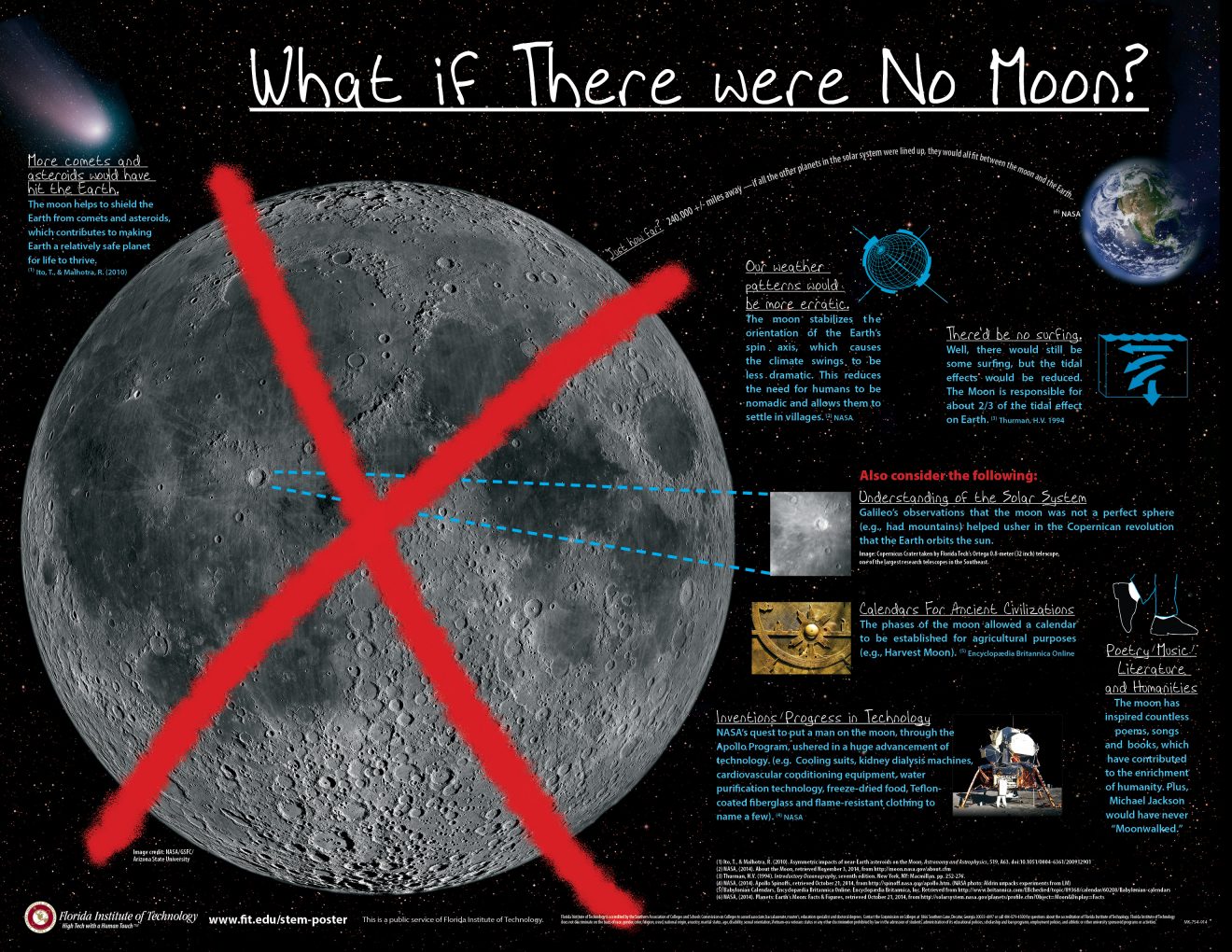
Without the moon’s gravitational tug, the rhythmic ebb and flow of tides, which have shaped coastal ecosystems and human settlement patterns for millennia, would largely cease. While some minor tides might persist due to solar gravity, their scale would be negligible compared to current levels. This would have devastating consequences for coastal economies. Ports, currently designed to accommodate significant tidal ranges, would become largely obsolete or require monumental, multi-trillion-dollar infrastructure overhauls. Shipping, the lifeblood of global trade, would face unprecedented logistical nightmares, leading to massive delays, increased costs, and a fundamental re-evaluation of supply chain resilience.
Coastal real estate, currently valued for its proximity to the ocean, would plummet in worth as environmental conditions become unpredictable and hazardous. The vast industries built around marine life – fisheries, aquaculture, and tourism – would collapse or be forced into radical transformation. Insurance markets, already grappling with climate change-induced risks, would face insolvencies as claims related to unprecedented storm surges and altered coastlines overwhelm current models. Governments would be forced to allocate immense capital towards coastal protection or planned retreat, creating sovereign debt crises and shifting global economic power.
Climate Chaos and Agricultural Collapse
The moon’s stabilizing influence on Earth’s axial tilt is crucial for maintaining relatively stable seasons and predictable climate patterns. Without it, Earth’s tilt would wobble erratically over relatively short geological timescales, leading to extreme and rapid climate shifts. This would plunge global agriculture into chaos. Regions once fertile would become arid deserts or frigid tundra within decades, rendering current farming practices unsustainable and leading to widespread crop failures.
The financial implications of such agricultural collapse would be catastrophic. Food prices would skyrocket, commodity markets would experience extreme volatility, and global supply chains for essential foodstuffs would break down. Famines, on a scale never before witnessed, would trigger mass migrations, fueling social unrest and resource wars. Investment in traditional agricultural land would become highly speculative, with capital shifting towards climate-controlled indoor farming, genetically modified crops, and synthetic food production – sectors that would see unprecedented investment and innovation, albeit at immense initial cost. Water scarcity would become a premium global resource, leading to speculation in water rights and infrastructure for desalination and recycling.
Energy Markets and Infrastructure: A World Without Lunar Influence
The moon’s absence would necessitate a complete re-evaluation of global energy strategies and infrastructure development, presenting both immense challenges and opportunities for technological innovation and investment.
Rethinking Renewable Energy
Tidal power, a nascent but promising renewable energy source, would vanish overnight, rendering significant existing investments worthless. While this represents a loss, the imperative to find stable energy sources would intensify. Investment in solar and wind power would accelerate dramatically, driven by the need to power advanced agricultural systems and support new infrastructure. However, the erratic climate patterns could introduce new challenges for these intermittent sources, demanding revolutionary breakthroughs in energy storage solutions, such as advanced battery technologies, compressed air energy storage, and green hydrogen production. This would create a multi-trillion-dollar market for energy storage innovation, attracting venture capital and government subsidies on an unprecedented scale. Furthermore, research into more exotic energy sources like geothermal or even space-based solar power would see exponential growth, attracting significant R&D spending.
Infrastructure Investment and Risk
Protecting existing infrastructure from extreme weather events, driven by a wobbling Earth and unpredictable climate, would become a continuous, escalating financial burden. Roads, bridges, dams, and communication networks would require constant reinforcement, relocation, or replacement. Governments and private entities would be forced into massive public works projects, leading to an explosion in demand for engineering, construction, and materials science, but also placing immense strain on public finances.
The financial markets would need to price in extreme levels of environmental risk, potentially leading to the collapse of traditional long-term bond markets and a shift towards short-term, high-yield investments in adaptive technologies. Cities designed around stable coastlines would require colossal investments in sea walls, levees, and entirely new urban planning philosophies, transforming municipal finance and urban development strategies globally.
Investment Strategies in an Unpredictable World
In a moonless world, traditional investment paradigms would be shattered. Risk assessment would become extraordinarily complex, and capital would flow dramatically towards sectors offering resilience, essential services, and revolutionary solutions.
Sectors of Resilience and Growth
Certain industries would not only survive but thrive in this chaotic new reality. Climate technology, encompassing everything from carbon capture to advanced weather prediction and geoengineering, would become a paramount investment area. Companies specializing in drought-resistant crops, vertical farming, and synthetic meat alternatives would command premium valuations. Disaster preparedness, including advanced warning systems, emergency logistics, and resilient housing, would attract significant capital. Biotech and pharmaceutical companies, addressing new health crises arising from environmental shifts and nutritional deficiencies, would see exponential growth.
Furthermore, industries focused on basic necessities – water purification, waste management, and secure energy – would become critical infrastructure and highly attractive for long-term, stable investments. Cybersecurity would also become paramount, as disrupted societies and economies become more vulnerable to digital warfare and theft. Investors would need to develop sophisticated new metrics for evaluating “sustainability” and “resilience” in an ever-changing world, favoring companies with robust R&D, adaptable supply chains, and strong ethical governance.
The New Global Supply Chain Economics
The disruption of trade routes, agricultural output, and energy supply would force a radical re-evaluation of global supply chains. The emphasis would shift from efficiency and cost-minimization to resilience, redundancy, and localization. Companies would invest heavily in diversified sourcing, regional production hubs, and advanced inventory management systems. This could lead to a fragmentation of global trade as nations prioritize self-sufficiency in critical resources.
Resource nationalism would intensify, as countries hoard essential commodities and raw materials. Speculation in these scarce resources would become rampant, and financial markets would create new derivatives and instruments to manage extreme volatility. The economics of logistics would be completely rewritten, with new technologies for autonomous shipping, aerial cargo, and underground transportation attracting massive investment. The global economy, currently optimized for interconnectedness, would likely bifurcate into regional blocks focused on survival and resilience.
The Human Element: Societal Costs and New Markets
Beyond the direct economic impacts, the human response to a moonless world would create profound societal costs and, paradoxically, foster the emergence of new economic models and markets.
Mass Migration and Resource Wars
The widespread environmental devastation and agricultural collapse would trigger unprecedented waves of mass migration. Millions, potentially billions, would be displaced, creating humanitarian crises on an unimaginable scale. The financial burden of housing, feeding, and integrating these populations would strain national budgets to breaking point, leading to increased taxation, inflation, and social unrest.
Competition for dwindling habitable land, fresh water, and arable soil would escalate, leading to localized conflicts and potentially global resource wars. Defense spending would surge, diverting capital from productive investments. The illicit trade in essential resources would flourish, creating powerful black markets that would further destabilize official economies. Financial instruments related to conflict resolution, peacekeeping, and humanitarian aid would become significant, albeit morbid, investment areas.
The Psychology of Scarcity and New Economic Models
In a world defined by scarcity and instability, human behavior would shift dramatically. Traditional consumerism might wane, replaced by an emphasis on utility, durability, and essentialism. This would drive demand for goods and services focused on survival, community resilience, and psychological well-being. New economic models, potentially moving away from pure capitalism in some regions, could emerge. Bartering systems, local currencies, and community-based resource sharing might gain traction, particularly in areas most affected by global economic breakdown. The value placed on skilled labor, particularly in fields related to engineering, survival, and sustainable agriculture, would skyrocket.
Financial System Adaptation and Innovation
The existing global financial architecture, built on assumptions of relative stability, would be ill-equipped for a moonless world. It would be forced to adapt through radical innovation and international cooperation.
Insurance in a High-Risk World
Traditional insurance models, reliant on statistical probabilities and diversified risks, would face existential threats. The scale and unpredictability of environmental disasters would make many risks uninsurable at current premiums. This would necessitate a complete overhaul of the industry. Micro-insurance, state-backed insurance, and global reinsurance pools would become essential. Actuaries would require entirely new data sets and computational models to price risks in an environment of constant, radical change. The concept of “uninsurable assets” would expand dramatically, forcing investors and governments to bear direct, unmitigated losses.
Sovereign Wealth and International Cooperation
Nations with remaining stable resources or innovative technologies would see their sovereign wealth increase, potentially leading to new geopolitical power dynamics. However, the sheer scale of the global crisis would demand unprecedented international financial cooperation. Institutions like the IMF and World Bank would need to be radically reconfigured to manage a global economy in perpetual crisis. New global financial frameworks, potentially involving shared risk and collective investment in planetary resilience, would be crucial to prevent complete economic collapse. The financial world, in essence, would be forced to evolve from a system of growth to one of global survival and collective adaptation.
aViewFromTheCave is a participant in the Amazon Services LLC Associates Program, an affiliate advertising program designed to provide a means for sites to earn advertising fees by advertising and linking to Amazon.com. Amazon, the Amazon logo, AmazonSupply, and the AmazonSupply logo are trademarks of Amazon.com, Inc. or its affiliates. As an Amazon Associate we earn affiliate commissions from qualifying purchases.