
The trickster god, the shapeshifter, the God of Mischief – Loki Laufeyson represents an archetype of chaos, charisma, and cunning that has captivated audiences for centuries, from Norse sagas to modern cinematic universes. But beyond the realm of myth and entertainment, “what if Loki” were viewed through the lens of modern brand strategy? What lessons could this complex figure offer businesses and personal brands seeking to carve out a unique identity, engage an audience, and master the art of market disruption? Examining Loki’s enduring persona reveals potent insights into authenticity, adaptability, and the power of narrative in branding.
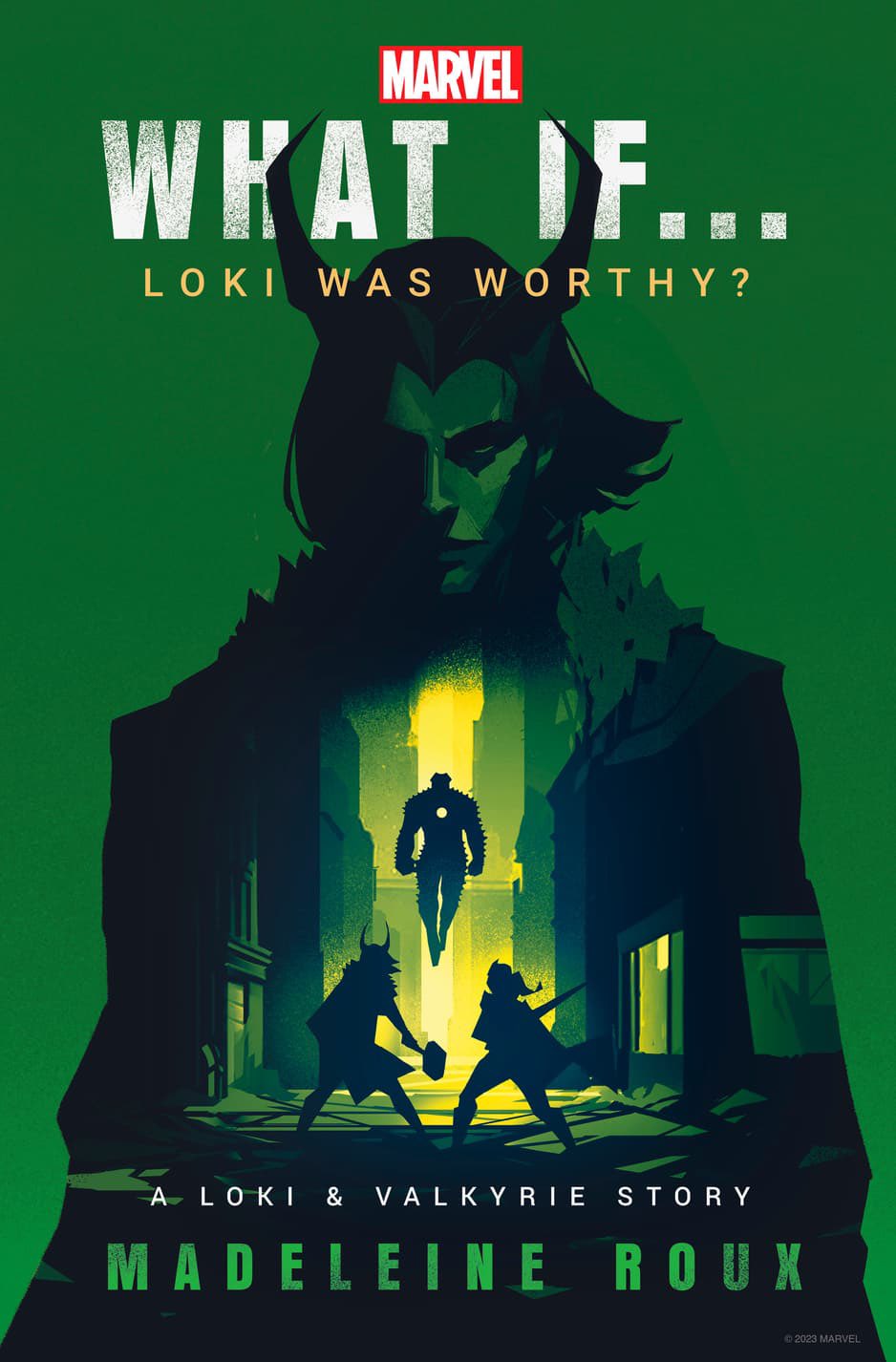
The Brand of Mischief: Deconstructing the Loki Archetype
At its core, a brand is a promise and an identity. Loki’s identity is undeniably powerful, a blend of intelligence, ambition, vulnerability, and a mischievous unpredictability that paradoxically defines him. His brand isn’t built on unwavering loyalty or heroism, but on a consistent inconsistency, a compelling narrative of self-interest often cloaked in charm.
Trickster as a Brand Identity
The trickster archetype is a potent, albeit risky, brand identity. For companies or individuals daring enough to embrace it, it signals a departure from the norm, a willingness to challenge conventions, and an inherent cleverness. Brands like Richard Branson’s Virgin Group, known for entering established markets and shaking them up, or challenger brands that deliberately subvert industry expectations, embody elements of the trickster. They don’t just compete; they disrupt the game itself. Loki’s brand teaches that standing out often requires being different, not just better, and that a dash of playful rebellion can be incredibly attractive to certain market segments fatigued by traditional approaches. This isn’t about deception for its own sake, but about strategic, unconventional maneuvers that redefine boundaries.
Consistency in Chaos
Paradoxically, Loki’s brand maintains a curious consistency within its chaotic nature. While his allegiances and methods may shift, his core motivations—a desire for recognition, power, and perhaps a convoluted form of belonging—remain constant. For a brand, this translates to maintaining a core mission, values, or unique selling proposition (USP), even as market conditions, product lines, or marketing tactics evolve. A brand that constantly reinvents its essence loses its identity and confuses its audience. Loki proves that a brand can be dynamic, adaptable, and even unpredictable in its execution, provided there’s an underlying, identifiable ‘why’ that anchors its various manifestations. This ‘why’ becomes the brand’s immutable core, allowing for tactical fluidity without compromising foundational recognition.
From Asgard to Ad Campaigns: Loki’s Branding Lessons
Loki’s journey, fraught with betrayal, redemption arcs, and perpetual reinvention, provides a masterclass in several crucial branding principles applicable to the modern commercial landscape.
The Power of Transformation and Reinvention
Loki is the ultimate shapeshifter, not just physically but in his roles and perceived motivations. He is an antagonist, an anti-hero, sometimes a reluctant ally. This constant transformation, while often driven by self-preservation or ambition, ensures he is never stagnant. For brands, this translates to the imperative of strategic reinvention. Market saturation, evolving consumer tastes, and technological advancements demand that brands be willing to shed old skins and embrace new forms. This isn’t about abandoning identity but about iterating, expanding, and adapting the brand experience to remain relevant. Consider how legacy brands like Apple have continually redefined themselves, moving from computers to music players, then smartphones, wearables, and services, all while maintaining a consistent brand ethos of innovation and design. Loki’s lesson here is about knowing when to pivot, when to embrace a new narrative, and when to challenge existing perceptions of your brand.
Engaging Through Unpredictability
One of Loki’s most compelling traits is his unpredictability. You never quite know what he’ll do next, which keeps his narrative engaging. In branding, while consistency is key, a degree of strategic unpredictability can also captivate an audience. This doesn’t mean being erratic; it means surprising consumers in positive ways. Innovative product launches that defy expectations, unconventional marketing campaigns that spark conversation, or unexpected collaborations can create buzz and differentiate a brand in a crowded market. Loki understands the psychology of suspense and surprise, lessons that can be harnessed to create memorable brand moments and foster deeper, more exciting customer relationships than purely transactional exchanges. This is about injecting an element of delightful surprise into the customer journey, ensuring the brand never becomes boring or stale.
Cultivating a Devoted Following (and Foes)
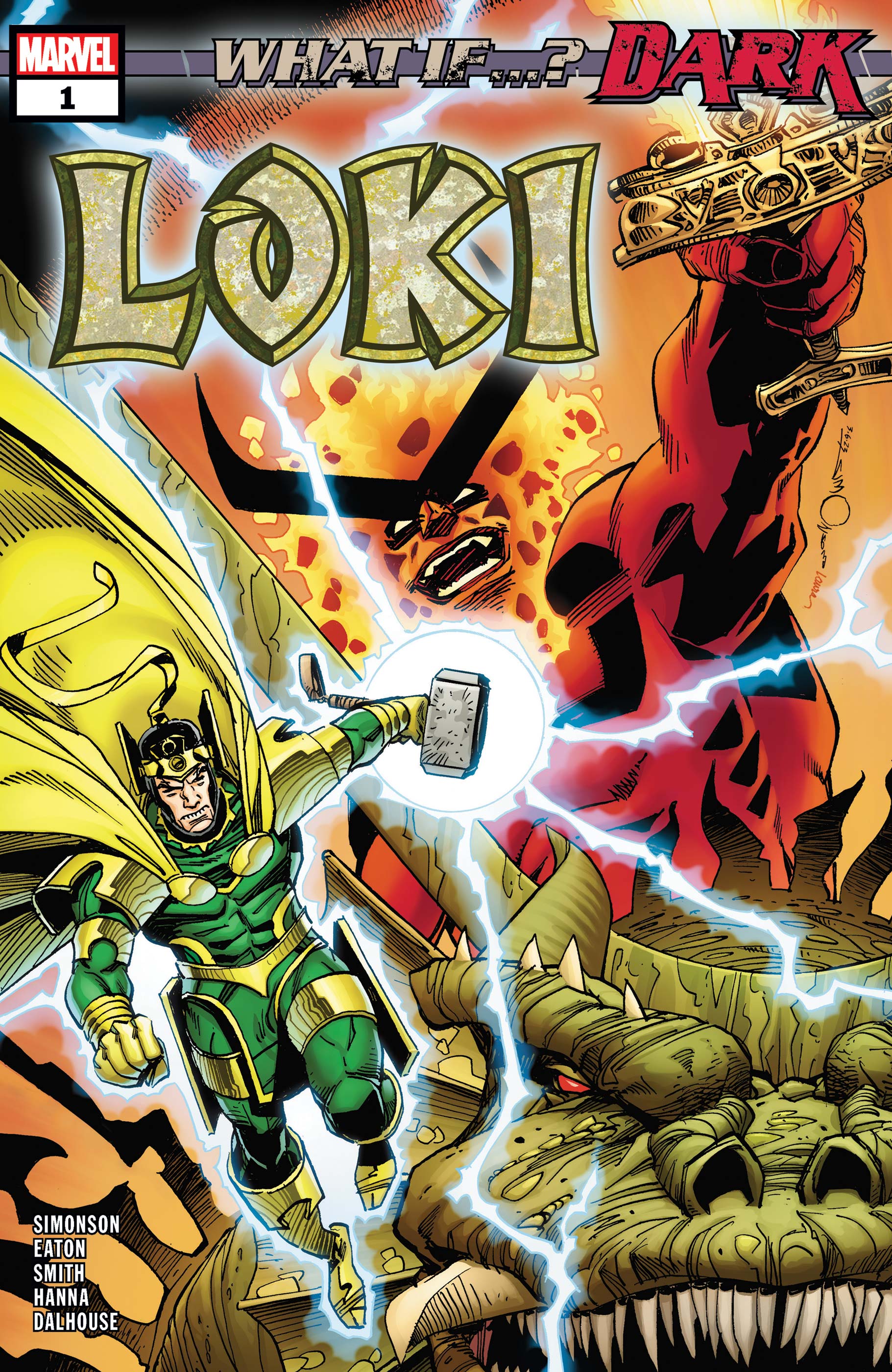
Loki inspires strong reactions: adoration, frustration, fascination, and sometimes outright hatred. Yet, even his detractors are deeply engaged with his story. He possesses a cult following precisely because of his complexities and flaws. For brands, this means understanding that attempting to appeal to everyone often results in appealing to no one particularly strongly. By embracing a distinct personality—even one that might alienate a segment of the market—a brand can forge incredibly strong bonds with its target audience. Loki teaches that having distinct values, a clear voice, and even an “adversarial” stance against something (e.g., inefficiency, outdated technology) can create a tribal loyalty. Furthermore, his dynamic with his rivals often serves to highlight his own narrative, reminding brands that competitors are not just threats but also essential elements in defining one’s own identity and value proposition.
The Anti-Hero’s Playbook: Applying Loki’s Persona to Modern Marketing
Loki’s narrative arc, oscillating between villainy and a nuanced form of heroism, offers a compelling framework for unconventional marketing strategies.
Disruptive Innovation and Market Entry
Loki rarely plays by the rules; he finds loopholes, manipulates situations, and often achieves his goals through unconventional means. This mirrors the strategy of disruptive innovation. Rather than directly competing with established players, disruptive brands (the “Lokis” of the market) often introduce simpler, more affordable, or entirely new solutions that initially target overlooked segments, eventually growing to challenge market leaders. Think of how Netflix disrupted Blockbuster or how Airbnb challenged the hotel industry. These brands didn’t just offer a better version of an existing product; they changed the game, much like Loki often seeks to rewrite the rules of engagement. For startups or brands looking to enter a saturated market, adopting a “Loki-esque” mindset means identifying vulnerabilities, thinking laterally, and exploiting unconventional angles to gain traction.
Authenticity in Ambiguity
One of Loki’s most fascinating traits is his complex authenticity. He is true to himself, even when that self is contradictory or morally ambiguous. For brands, this translates to the idea that authenticity isn’t always about being perfectly wholesome or transparent to a fault. It can also be about embracing complexity, acknowledging flaws, or having a distinct, even edgy, personality that feels real rather than manufactured. Brands that are too polished or generic often come across as inauthentic. Loki suggests that a brand can be authentic by owning its distinct voice, values, and even its quirks, rather than conforming to a perceived ideal. This type of authenticity, while perhaps niche, fosters deep trust and loyalty among consumers who appreciate a brand with character and depth.
Crisis Management with a Twist
Loki is a master of navigating precarious situations, often through clever deception, strategic alliances, or sheer oratorical skill. While brands should never embrace deception, Loki’s ability to pivot and control narratives during crises offers a lesson in agile communication. When a brand faces negative publicity or a significant challenge, a “Loki-esque” approach might involve not just issuing a standard apology, but strategically reframing the narrative, offering unexpected solutions, or even humbly admitting fault in a way that disarms critics and rebuilds trust. It’s about being proactive and creative in messaging, rather than simply reactive, turning potential setbacks into opportunities for demonstrating resilience and character.
Beyond the Veil: The Enduring Impact of a Shapeshifting Brand
Ultimately, Loki’s staying power across millennia speaks volumes about the enduring qualities of his “brand.” His ability to remain relevant, debated, and compelling offers final insights for long-term brand success.
Longevity Through Adaptability
Loki has endured precisely because he is adaptable. He changes forms, motivations, and allegiances, allowing his story to evolve with each retelling and cultural context. Brands seeking longevity must similarly embrace continuous evolution. This doesn’t mean abandoning core values, but rather adapting product offerings, marketing channels, and communication styles to resonate with new generations and shifting cultural landscapes. A static brand, much like a static character, eventually fades into irrelevance. Loki teaches that the essence can remain, even as the manifestation transforms, ensuring a brand remains fresh and engaging for centuries, not just seasons.

The Ethical Edge of Trickery (and Brand Trust)
While Loki’s trickery often leads to deceit, the ultimate brand lesson isn’t to be deceptive, but to understand the power of cleverness and strategic ambiguity. The ethical dilemma Loki presents forces us to consider the fine line between cunning marketing and misleading practices. The most successful long-term brands operate within a framework of trust. Loki, despite his misdeeds, often reveals truths or exposes hypocrisies through his actions. For a brand, this translates to using strategic thinking to challenge norms and innovate, while always upholding consumer trust. The “trick” for brands is to be clever, surprising, and disruptive without sacrificing integrity, proving that even a trickster can teach us the value of an honest, albeit complex, brand identity.
aViewFromTheCave is a participant in the Amazon Services LLC Associates Program, an affiliate advertising program designed to provide a means for sites to earn advertising fees by advertising and linking to Amazon.com. Amazon, the Amazon logo, AmazonSupply, and the AmazonSupply logo are trademarks of Amazon.com, Inc. or its affiliates. As an Amazon Associate we earn affiliate commissions from qualifying purchases.