
In the modern landscape of identity and influence, the question of “What if Kane Brown” serves as a provocative starting point for a deeper exploration into the mechanics of personal branding. While the world recognizes Kane Brown as a multi-platinum country music star, brand strategists view him as a masterclass in market disruption, audience retention, and cross-genre positioning. He represents a shift from the traditional gatekeeper-led model of stardom to a decentralized, brand-first approach that thrives on authenticity and digital-native engagement.
To understand the “What if” of his success is to understand how a personal brand can dismantle historical barriers and redefine an entire industry’s corporate identity. This analysis explores the strategic pillars that have made Kane Brown a global brand powerhouse.
The Intersection of Authenticity and Genre Disruption
At the core of any successful brand strategy is the “Unique Selling Proposition” (USP). For Kane Brown, his USP was not just his vocal ability, but his position as an outsider who bridged the gap between traditional country sensibilities and contemporary urban influences. When we ask “What if Kane Brown had followed the traditional Nashville path?” the answer is simple: he likely would have been filtered through a lens that diluted his most valuable brand asset—his multifaceted identity.
Breaking the Nashville Mold
Historically, the country music industry operated under a rigid brand architecture. To succeed, an artist had to look, sound, and act within a specific set of parameters defined by labels and radio programmers. Kane Brown’s brand emerged as a counter-narrative. By embracing his biracial heritage and his love for R&B and hip-hop while maintaining a deep reverence for country storytelling, he created a “Blue Ocean” strategy. He wasn’t competing for the same narrow audience; he was expanding the market by inviting new demographics into the fold.
Visual Identity and Cultural Fusion
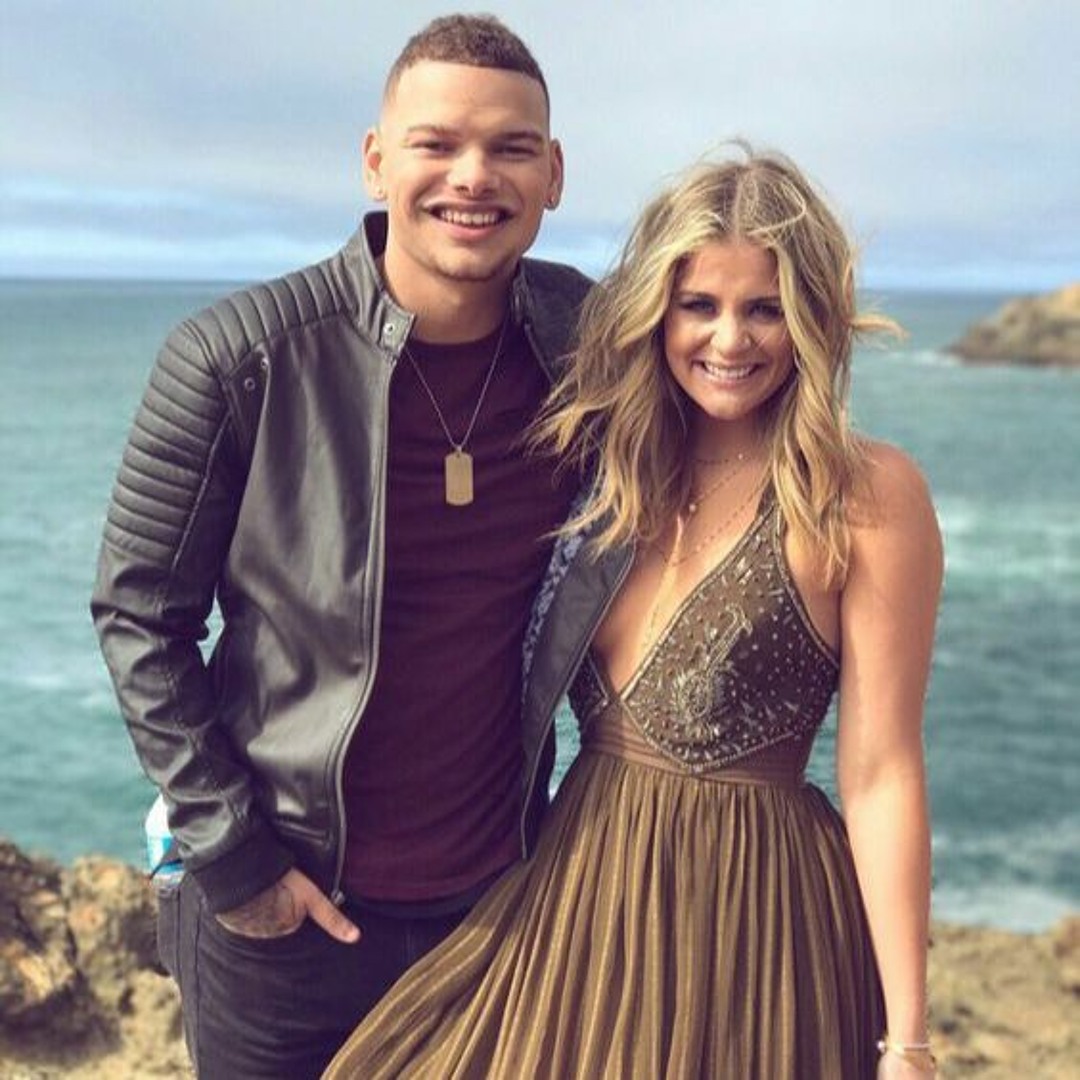
A brand’s visual identity is its first point of contact with the consumer. Brown’s aesthetic—characterized by tattoos, streetwear, and a modern edge—contrasted sharply with the “boots and hats” imagery of his peers. This was a deliberate or perhaps intuitive branding choice that signaled a new era. It communicated to younger, more diverse audiences that the brand was accessible, relatable, and reflective of a modern, pluralistic society. This visual consistency across platforms solidified his brand equity before he even released a major label debut.
Social Media as the Foundation of the Brand Ecosystem
The most significant “What if” in Kane Brown’s career involves the absence of social media. Without the democratic nature of platforms like Facebook and Vine, the industry might never have discovered him. His brand was built from the bottom up, utilizing a direct-to-consumer (D2C) model that prioritized engagement over polish. This approach turned passive listeners into a dedicated “community,” which is the ultimate goal of any modern brand strategy.
Direct-to-Consumer Connection
Brown’s early strategy involved posting raw, unfiltered covers and original snippets directly to his social feeds. This removed the “middleman” of the record label and allowed him to conduct real-time market research. He could see exactly which songs resonated, which stories elicited emotional responses, and how his audience grew geographically. This data-driven approach, even if executed organically, allowed him to build a brand that was already “vetted” by the market before any corporate investment occurred.
Leveraging Viral Moments for Longevity

The hallmark of a weak brand is the “one-hit wonder” status. Kane Brown avoided this by leveraging viral moments as entry points into a larger narrative. Every video was a brick in the wall of his brand story—a story of a small-town kid overcoming adversity. By the time he achieved mainstream radio success, his brand was already fortified with millions of followers. This digital-first foundation ensured that his brand was resilient; even if radio play fluctuated, his direct line to his audience remained intact.
Brand Partnerships and Strategic Diversification
A brand reaches its peak maturity when it can successfully “stretch” into new categories without losing its core identity. Kane Brown’s team has executed this beautifully through strategic collaborations and lifestyle brand extensions. By analyzing these moves, we can see a clear pattern of brand cross-pollination designed to maximize reach and revenue.
The Collaborative Brand Value
One of the boldest moves in recent brand history was Kane Brown’s collaboration with electronic artist Marshmello on the hit “One Thing Right.” This wasn’t just a musical choice; it was a high-level brand alignment. By partnering with a global DJ, Brown’s brand was introduced to the massive EDM and international pop markets. Conversely, Marshmello gained credibility within the country demographic. This type of strategic alliance is a textbook example of “Co-Branding” where both parties increase their Total Addressable Market (TAM) by leveraging the other’s cultural capital.
Cross-Pollinating Audiences
Following the success of his pop crossovers, Brown continued to diversify his brand portfolio by engaging with professional sports, high-fashion, and family-oriented content. This diversification serves a dual purpose: it mitigates risk by not being overly dependent on a single revenue stream (like touring), and it creates multiple “Brand Entry Points” for new consumers. Whether through a partnership with a major athletic brand or a collaboration with a Latin music star like Becky G, the Kane Brown brand remains the consistent anchor in a sea of diverse content.
Lessons for Corporate and Personal Brands
What can the corporate world learn from the “What if Kane Brown” case study? The lessons are universal: authenticity is the most valuable currency, digital engagement is non-negotiable, and brand evolution is the only way to survive in a shifting marketplace.
Embracing Vulnerability as a Value Proposition
In corporate branding, there is often a fear of showing weakness or admitting to a non-linear path. However, Kane Brown’s brand is built on vulnerability. He has been open about his upbringing, his struggles with anxiety, and his experiences with racism. In doing so, he transformed his personal story into a brand value proposition. For modern consumers, particularly Gen Z and Millennials, a brand that is “too perfect” is a brand that is “untrustworthy.” Embracing the “messy” parts of a brand’s history can lead to deeper, more loyal customer relationships.

Future-Proofing the Brand Identity
The final “What if” focuses on the future. What if the market shifts again? Kane Brown’s strategy suggests that the answer lies in agility. He has positioned himself not just as a singer, but as a “content creator” and “cultural influencer.” By diversifying his output and maintaining a multi-platform presence, he has future-proofed his brand against the inevitable decline of specific genres or platforms.
For any entity looking to build a lasting brand, the Kane Brown model suggests three core tenets:
- Iterate in Public: Don’t wait for perfection; let your audience participate in your growth.
- Own the Audience: Never rely solely on a third-party distributor; build a direct relationship with your community.
- Bridge the Gaps: Look for opportunities where two seemingly disparate markets meet, and position your brand as the bridge.
In conclusion, “What if Kane Brown” is not just a question about a musician; it is a question about the evolution of influence. His career stands as a testament to the power of a well-executed personal brand strategy. By prioritizing authenticity, leveraging social infrastructure, and strategically expanding into new markets, he has created a brand that is as durable as it is dynamic. For marketing professionals and entrepreneurs alike, his journey provides a modern roadmap for turning an outsider perspective into an industry-leading identity.
aViewFromTheCave is a participant in the Amazon Services LLC Associates Program, an affiliate advertising program designed to provide a means for sites to earn advertising fees by advertising and linking to Amazon.com. Amazon, the Amazon logo, AmazonSupply, and the AmazonSupply logo are trademarks of Amazon.com, Inc. or its affiliates. As an Amazon Associate we earn affiliate commissions from qualifying purchases.