
The digital landscape is no longer just a place for sharing information; it is a sophisticated stage for identity construction. Among the most pervasive trends to emerge on TikTok is the “What I Drive” format—a short, high-energy video sequence where creators showcase their vehicles as an extension of their persona. At the heart of this trend lies Tesla. While other luxury vehicles appear frequently, the Tesla brand has become a unique cultural shorthand for a specific type of modern success. By examining the “What I Drive: Tesla” phenomenon through the lens of brand strategy, we can uncover how creators leverage corporate identity to build personal brand equity in the attention economy.

The Anatomy of the Tesla Status Symbol
To understand why Tesla dominates TikTok’s automotive subculture, one must first understand the brand’s positioning. Tesla is not marketed as a mere car manufacturer; it is positioned as a mission-driven technology company. For a creator, featuring a Tesla is a strategic choice that signals alignment with specific values: innovation, sustainability, and forward-thinking minimalism.
The Minimalist Identity
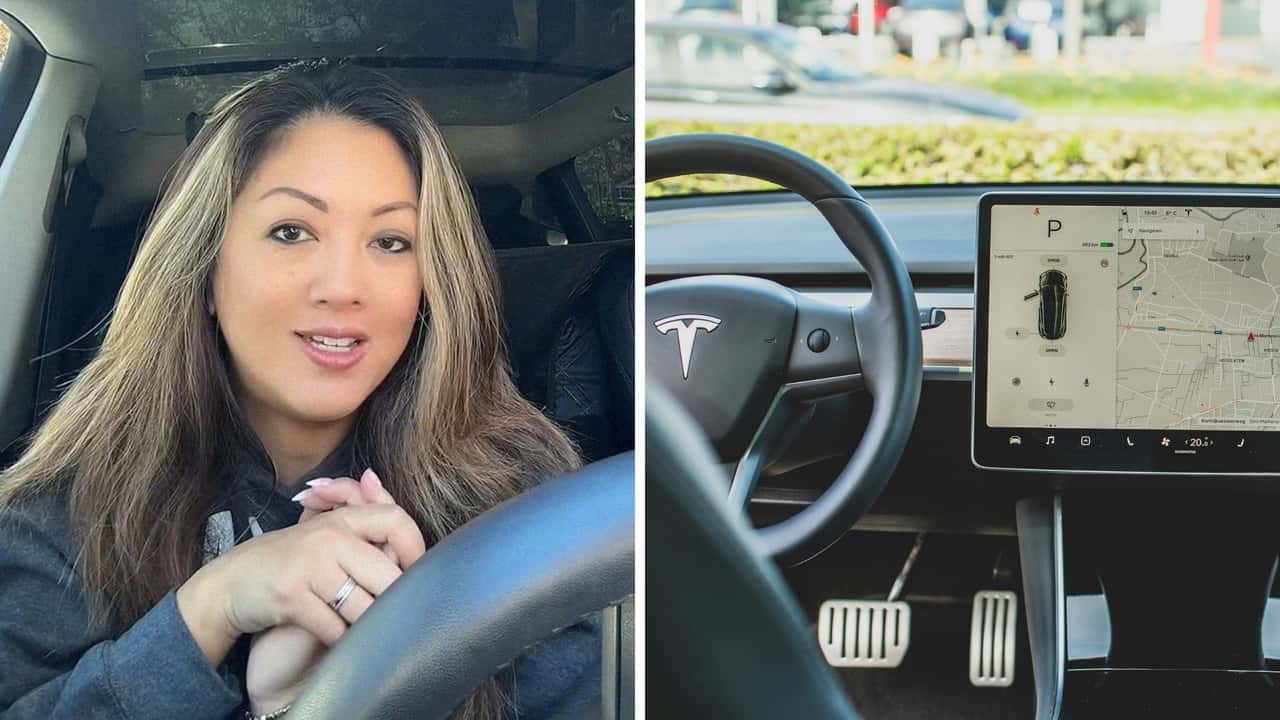
Tesla’s design language—characterized by clean lines, a lack of physical buttons, and a sprawling glass roof—provides a perfect backdrop for TikTok’s visual-first medium. In the “What I Drive” niche, the vehicle’s interior acts as a minimalist studio. This aesthetic aligns with the “Clean Girl” or “Tech Minimalist” trends, where the brand’s identity (simplicity and sophistication) is transferred to the creator. When a user films themselves inside a Model 3 or Model Y, they aren’t just showing a car; they are adopting a visual palette that communicates they are organized, modern, and tech-savvy.
Beyond Transportation: The Lifestyle Statement
In traditional marketing, brands sell a “jobs-to-be-done” solution. Tesla, however, sells a lifestyle. On TikTok, the “What I Drive” video serves as a non-verbal resume. By choosing Tesla over a traditional luxury brand like BMW or Mercedes, a creator signals that they are part of the “new guard.” It represents a shift from “old money” opulence to “new tech” influence. This brand association is a powerful tool for personal branding, as it allows creators to tap into a pre-existing community of enthusiasts and innovators without saying a single word.
Deciphering the TikTok “What I Drive” Formula
The success of a “What I Drive” video is rarely accidental. It is the result of meticulous personal brand management and an understanding of platform-specific storytelling. Creators use the Tesla brand as a hook to capture attention within the first three seconds of a scroll.
Visual Storytelling and Rapid-Fire Editing
The most successful Tesla-centric TikToks follow a rhythmic pattern: a quick shot of the key card, the flush door handles popping out, the yoke steering wheel, and the expansive infotainment screen. This isn’t just showing a car; it is a sensory brand experience. For the creator, these specific brand markers act as “trust signals.” In the world of personal branding, showing the “Easter eggs” of a Tesla—like the light show or the minimalist dashboard—proves the creator’s proximity to high-value assets, which in turn elevates their perceived authority in their chosen niche.
The Psychology of Aspiration
TikTok thrives on aspirational content. The “What I Drive” trend utilizes a brand strategy known as “aspirational positioning.” By showcasing a Tesla, creators invite their audience to envision a future where they, too, own such a vehicle. This creates a parasocial bond. The creator becomes a “hero” figure who has achieved a milestone that the audience desires. This dynamic is essential for building a personal brand that can eventually pivot into coaching, courses, or high-ticket affiliate marketing. The car is the proof of concept for the creator’s lifestyle brand.
Leveraging Luxury Brands for Personal Positioning
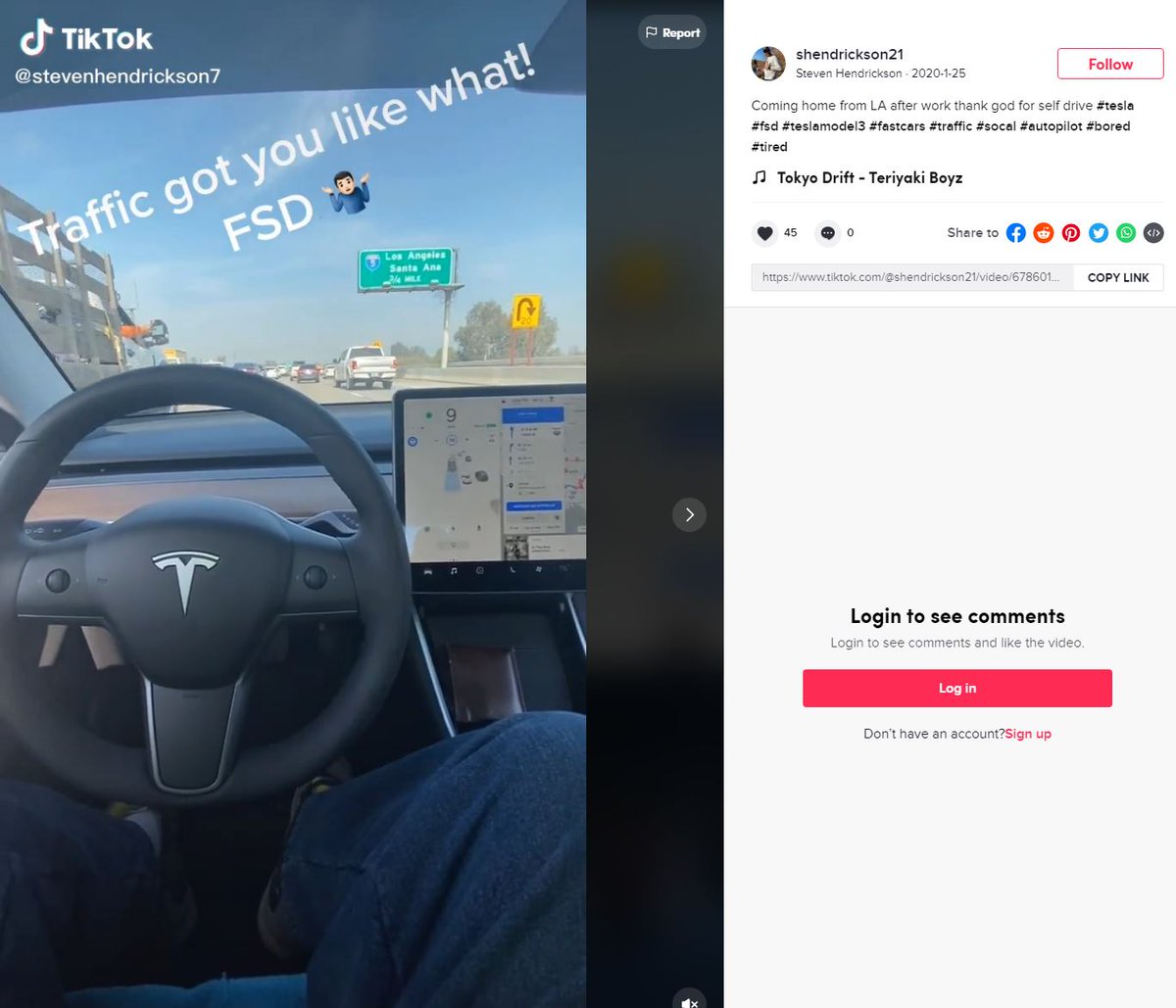
Personal branding is the art of managing your public perception. One of the most effective ways to do this is through “borrowed equity.” This occurs when a person aligns themselves with an established, high-value brand to absorb some of that brand’s reputation.
Borrowed Equity: Why Teslas Outperform Traditional Luxury
While a Ferrari or a Lamborghini might signal extreme wealth, they can often feel inaccessible or even polarizing to a mainstream TikTok audience. Tesla occupies a “sweet spot” in brand strategy. It is premium enough to be aspirational, yet grounded in a “save the world” narrative that makes it more relatable. Creators use this to build a brand that is successful but “conscious.” By featuring a Tesla, they avoid the “nouveau riche” stigma often associated with loud, gasoline-powered supercars, instead projecting a brand image of “quiet wealth” and environmental responsibility.
Building Authenticity through Tech-Savvy Imagery
In the digital age, authenticity is a currency. Interestingly, the high-tech nature of Tesla helps creators appear more authentic to a Gen Z and Millennial audience. The brand is synonymous with the future. When a creator shows off the “Autopilot” feature or the over-the-air software updates, they are positioning themselves as an early adopter. In brand strategy, being an early adopter is a key trait of a thought leader. Thus, the “What I Drive” video becomes a subtle way to tell the audience, “I am ahead of the curve.”
Brand Synergy: When Product and Platform Align
The intersection of Tesla’s brand identity and TikTok’s algorithmic nature creates a powerful synergy. Both entities prioritize “the new,” “the viral,” and “the visual.” This alignment makes Tesla-related content particularly potent for those looking to scale their personal brand quickly.
The Algorithmic Favor of High-Value Keywords
TikTok’s algorithm is highly sensitive to visual cues and keywords. The word “Tesla” and the unmistakable silhouette of the car act as high-value metadata. Creators who participate in the “What I Drive” trend are essentially “SEO-optimizing” their personal brand for the TikTok For You Page (FYP). By tagging the vehicle and using popular automotive sounds, they ensure their content is served to an audience that values luxury, technology, and success. This is a classic brand marketing tactic: placing your product (in this case, the creator’s personality) where the most relevant eyeballs are already looking.
Engagement Loops and Community Building
The “What I Drive: Tesla” trend fosters a specific type of community engagement. Tesla owners and fans are notoriously vocal. When a creator posts a video, the comment section often becomes a hub for brand-related discourse—questions about range, software versions, or interior modifications. For the creator, this engagement is gold. It provides an opportunity to interact with their audience, further solidifying their personal brand as an accessible expert or an engaging lifestyle lead. The car acts as the “conversation starter,” while the creator’s personality acts as the “conversation sustainer.”
The Future of Personal Branding in a Post-Ownership Economy
As we move toward a future where “access” often outweighs “ownership,” the way we use brands to define ourselves is shifting. The “What I Drive” trend on TikTok may eventually evolve, but the underlying strategy of using high-status objects to signal personal values will remain.
From Possession to Experience
We are seeing a shift where creators don’t necessarily need to own the Tesla to benefit from its brand equity. Turo rentals and “day in the life” videos featuring borrowed vehicles suggest that personal branding is becoming more about the experience of the brand than the permanent possession of the asset. This “fractional branding” allows up-and-coming creators to project a high-value image while they are still in the growth phase of their business. It is a strategic use of brand perception to manifest actual brand reality.
Sustaining Influence Beyond the Vehicle
The ultimate goal of any personal brand strategy is longevity. While a “What I Drive: Tesla” video might provide a spike in views and followers, the most successful creators use the vehicle as a gateway to deeper content. They transition from showing the car to discussing the mindset, the work ethic, and the business strategies that allowed them to acquire it. In this way, the Tesla brand serves as the “hook,” but the creator’s unique value proposition is the “hold.”
In conclusion, the “What I Drive: Tesla” trend on TikTok is far more than a vanity project. It is a sophisticated exercise in brand alignment, visual storytelling, and personal positioning. By tapping into the futuristic, minimalist, and aspirational identity of Tesla, creators are able to rapidly build their own brand equity. In a digital world where attention is the ultimate commodity, leveraging the power of a global brand like Tesla is a masterclass in modern marketing. Whether it’s through the lens of sustainability or the allure of high-tech luxury, these videos prove that what you drive is not just about how you get from point A to point B—it’s about who you tell the world you are.
aViewFromTheCave is a participant in the Amazon Services LLC Associates Program, an affiliate advertising program designed to provide a means for sites to earn advertising fees by advertising and linking to Amazon.com. Amazon, the Amazon logo, AmazonSupply, and the AmazonSupply logo are trademarks of Amazon.com, Inc. or its affiliates. As an Amazon Associate we earn affiliate commissions from qualifying purchases.