
Beyond the rustic charm of a crackling fire and the comforting warmth it provides, the simple term “seasoned firewood” holds a profound economic significance that often goes unappreciated. For homeowners, entrepreneurs, and anyone managing a budget, understanding what seasoned firewood truly means can translate directly into substantial financial savings, potential income streams, and a more sustainable approach to resource management. This isn’t just about logs for the hearth; it’s about smart financial planning for your home, your business, and your future.
The Economic Divide: Seasoned vs. Unseasoned Wood
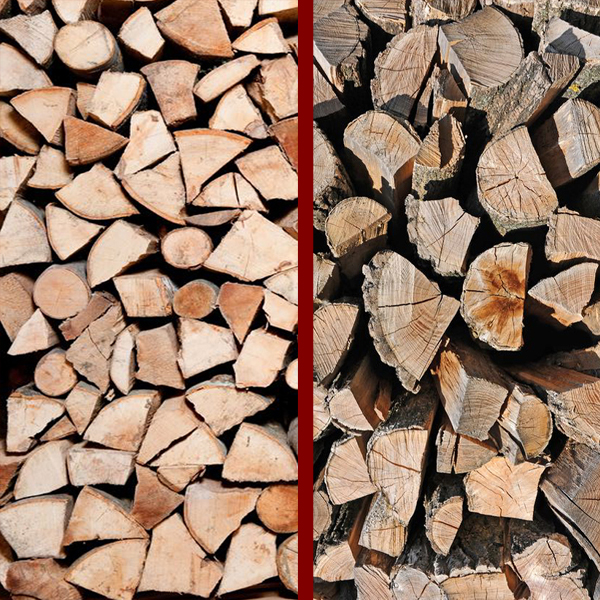
At its core, “seasoned firewood” refers to wood that has been properly dried, allowing most of its internal moisture to evaporate. Typically, this means the wood has a moisture content of 20% or less. This process usually takes 6 to 12 months, sometimes longer, depending on the wood type, climate, and storage conditions. The distinction between seasoned and unseasoned (or “green”) wood is not merely an aesthetic preference; it’s a critical factor with direct financial implications.
The BTU Betrayal: Understanding Energy Output
The most immediate financial impact of seasoned firewood lies in its heating efficiency. Wood’s energy content is measured in British Thermal Units (BTUs). When you burn unseasoned wood, a significant portion of its potential energy is wasted, consumed simply to boil off the excess water trapped within its fibers. This means that instead of generating heat for your home, your fire is primarily acting as a wood-drying appliance.
Consider this: fresh cut wood can contain 50% or more moisture. To evaporate just one pound of water requires approximately 1,000 BTUs. A cord of green wood, which weighs considerably more than a cord of seasoned wood due to its water content, might contain hundreds of pounds of water. Consequently, you’re not just paying for wood; you’re paying a premium for water that offers no warmth. For the same amount of usable heat, you’ll need to burn significantly more unseasoned wood, increasing your purchase volume, your handling effort, and ultimately, your heating expenditure. Investing in seasoned wood, or the time to season it yourself, is effectively investing in higher BTUs per dollar spent.
Hidden Costs of Inefficiency: Maintenance and Safety
The financial penalties of burning unseasoned wood extend beyond just lower heat output. The incomplete combustion of wet wood produces more smoke and, crucially, a greater accumulation of creosote within your chimney. Creosote is a highly flammable substance that, if left to build up, poses a severe risk of chimney fires.
From a financial perspective, this translates into:
- Higher Maintenance Costs: Professional chimney sweeps recommend annual inspections and cleanings, but burning unseasoned wood often necessitates more frequent cleanings, driving up these service costs. A single cleaning can cost hundreds of dollars, and repeated visits add up quickly.
- Insurance and Property Risks: The risk of a chimney fire is not just a safety concern; it’s a significant financial liability. A chimney fire can cause extensive damage to your home, leading to costly repairs, increased insurance premiums, or even the denial of claims if negligence (like burning unseasoned wood and neglecting maintenance) is proven.
- Compliance Fines: In many urban and suburban areas, air quality regulations are becoming increasingly stringent. Burning wet wood produces more particulate matter and smoke, which can violate local ordinances, leading to fines that negate any perceived initial savings on cheaper green wood.
Seasoned Firewood: A Strategic Investment in Home Heating
For many households, especially those in colder climates, wood heating is a cornerstone of their energy strategy. Approaching firewood as a commodity and an investment can yield substantial long-term financial benefits.
Optimizing Your Heating Budget
When wood is a primary or secondary heat source, its efficiency directly impacts your annual heating budget. By choosing seasoned wood, you optimize every dollar spent. Let’s quantify this: if a cord of seasoned hardwood can provide roughly 20-25 million BTUs of usable heat, an equivalent cord of green wood might deliver only 10-15 million BTUs after accounting for the energy lost to moisture evaporation. This means you’d need nearly two cords of unseasoned wood to get the same heat as one cord of seasoned wood. If a cord of green wood is $200 and a cord of seasoned wood is $300, you’d effectively spend $400 on green wood to achieve the same heat output as $300 on seasoned wood – a clear 25% saving.
Furthermore, integrating seasoned firewood into your home heating strategy allows for more predictable budgeting. Unlike volatile fossil fuel markets, which are subject to global politics and supply chain disruptions, the cost of firewood can be more stable, especially if purchased off-season or self-produced. This allows homeowners to hedge against energy price spikes and maintain greater control over their monthly expenses.
Embracing Energy Resilience and Price Stability
The ability to heat your home independently, or at least supplementarily, using wood, offers a crucial layer of energy resilience. In times of power outages, natural disasters, or significant economic fluctuations that impact traditional energy supplies, a well-stocked supply of seasoned firewood becomes a valuable asset. It’s an investment in self-sufficiency and peace of mind.
From a long-term perspective, relying on seasoned firewood can be part of a broader financial strategy to reduce dependence on the grid and fossil fuels. This strategy is not only about direct cost savings but also about risk management, ensuring a stable, accessible heat source regardless of external market pressures. The upfront cost of buying or preparing seasoned wood is a tangible investment that pays dividends through consistent warmth and reduced financial vulnerability.
Firewood as a Financial Asset: From Consumption to Capital
For those with the means and motivation, firewood can transition from a household expense to a profitable venture. The demand for quality, seasoned firewood is consistent, offering a viable path for a side hustle or even a small business.
Cultivating a Lucrative Side Hustle: Selling Seasoned Wood
The process of sourcing, splitting, seasoning, and delivering firewood represents a clear value-add chain that can generate significant income.
- Sourcing: Obtaining raw timber, whether through sustainable harvesting, purchasing from loggers, or salvaging fallen trees (with permission), is the first step.
- Processing: Cutting logs into manageable lengths, then splitting them, requires equipment like chainsaws and log splitters (an initial capital investment).
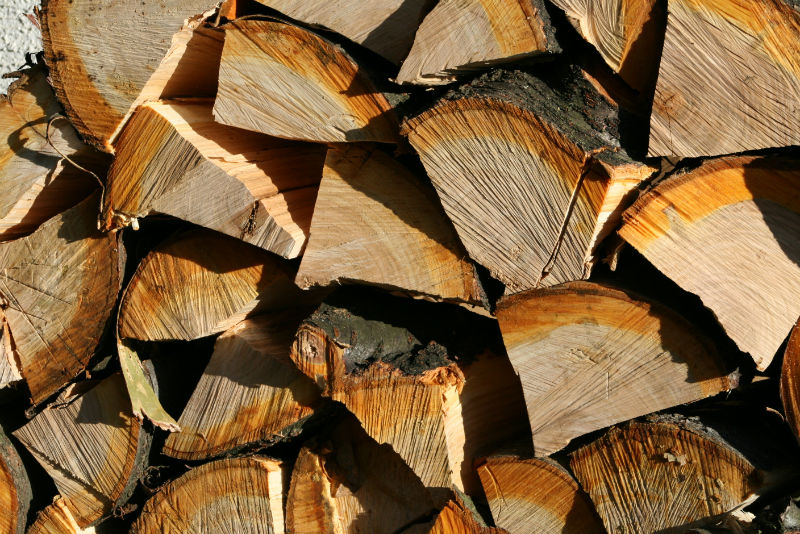
- Seasoning: This is where the true value is added. Properly stacking wood in a well-ventilated, elevated location for 6-12 months transforms it from a raw material into a premium product. This requires space and patience, but minimal ongoing cost.
- Marketing and Sales: Local classifieds, social media, and word-of-mouth can effectively connect sellers with buyers.
- Delivery: Offering delivery services for an extra fee further enhances profitability and customer convenience.
The financial planning for such a venture must account for equipment depreciation, fuel costs, potential labor, and the value of one’s time. However, the premium commanded by guaranteed seasoned wood often allows for healthy profit margins. Customers are willing to pay more for seasoned wood because they understand its efficiency and the financial savings it offers them.
Market Dynamics and Value Proposition
The firewood market, while localized, operates on principles of supply, demand, and perceived value. Green wood is often a commodity, priced lower due to its inherent inefficiencies. Seasoned wood, however, is a value-added product. Its “seasoned” status is its unique selling proposition.
A seller who can consistently provide high-quality, genuinely seasoned firewood builds a reputation for reliability and value. This leads to repeat business, referrals, and the ability to command premium pricing. Understanding local demand—whether for recreational fires, primary heating, or restaurant use—allows a firewood entrepreneur to tailor their product and marketing strategies for maximum financial return. For instance, selling smaller, pre-bundled seasoned wood to gas stations or grocery stores can be more profitable per piece than selling cords directly, targeting different market segments. The key is to differentiate from competitors by emphasizing the financial and practical benefits of seasoned wood.
Smart Sourcing and Storage: Financial Best Practices
Even if you’re only a consumer of firewood, making financially astute decisions about its procurement and storage is crucial for maximizing its value.
Procurement Strategies: Buy Smart, Save More
- Timing is Everything: Firewood is often cheaper in the spring or summer, when demand is lower. Purchasing then not only saves money but also gives you ample time to ensure it’s fully seasoned before winter. If you buy green wood in spring, you can season it yourself for the next winter, saving significantly compared to buying seasoned wood in fall.
- Bulk vs. Bundles: Buying by the cord (a stack 4x4x8 feet) is almost always more cost-effective than buying smaller quantities or pre-packaged bundles. While bundles are convenient for occasional use, they carry a high per-piece premium.
- Verifying Quality: The financial risk of buying “unseasoned” wood advertised as seasoned is real. Look for visual cues: darker color, cracks at the ends of logs, loose bark, and a hollow sound when two pieces are knocked together. The most reliable method is using a moisture meter, a relatively inexpensive tool that can quickly confirm moisture content, protecting your investment. Asking for references or buying from reputable dealers also mitigates risk.
Optimal Storage: Protecting Your Investment
Once you’ve acquired seasoned firewood, proper storage is paramount to preserve its financial value. Improper storage can lead to re-absorption of moisture, diminishing its BTU output and negating your initial investment.
- Air Circulation: Stack wood off the ground on pallets or old timbers to prevent moisture absorption from the soil and allow air to circulate freely.
- Protection from Rain: Cover the top of the wood stack to protect it from rain and snow, but leave the sides exposed for ventilation. A dedicated woodshed or a simple tarp setup can achieve this.
- Space Management: Consider the aesthetic and practical implications of your wood storage. A well-organized, attractive woodpile can even enhance property value, while a haphazard pile can be an eyesore and a fire hazard.
- Inventory Rotation: If you accumulate wood over multiple seasons, practice “first-in, first-out” inventory management to ensure you’re always burning the driest wood available.
The Environmental and Ethical Dimensions: Beyond Immediate Costs
While the focus here is on financial implications, it’s worth noting that the practice of using seasoned firewood also aligns with broader environmental and ethical considerations that have indirect financial benefits.
Sustainable Sourcing and Long-Term Value
When sourced sustainably from managed forests, wood burning can be considered carbon neutral over its lifecycle, as the carbon released during combustion is roughly equivalent to what the tree absorbed during its growth. This contrasts with fossil fuels, which release sequestered carbon. Financially, this contributes to a more sustainable energy future, potentially reducing the long-term societal costs associated with climate change. Supporting local, sustainable forestry also bolsters local economies and ensures a renewable resource stream for future generations.
Policy and Regulatory Impact on Firewood Economics
Understanding regulations is crucial. Transporting unseasoned firewood across state or even county lines is often prohibited due to the risk of spreading invasive pests and diseases, such as the Emerald Ash Borer. Ignoring these regulations can result in significant financial penalties and contribute to ecological damage, which ultimately has economic repercussions for the timber industry and land management. Additionally, adhering to local air quality regulations by burning clean, seasoned wood helps avoid fines and promotes community health, minimizing healthcare costs associated with air pollution.

Conclusion
The question “what does seasoned firewood mean” resonates far beyond a technical definition of moisture content. It signifies an educated approach to household budgeting, a strategic investment in energy independence, and a potential avenue for entrepreneurial income. By understanding and valuing the principles behind seasoned wood, individuals can make financially astute decisions that lead to more efficient heating, reduced maintenance costs, enhanced safety, and even profit. In an increasingly complex economic landscape, investing in or providing seasoned firewood is a clear path towards greater financial prudence, heating efficiency, and environmental responsibility, making it a surprisingly impactful element of personal and business finance.
aViewFromTheCave is a participant in the Amazon Services LLC Associates Program, an affiliate advertising program designed to provide a means for sites to earn advertising fees by advertising and linking to Amazon.com. Amazon, the Amazon logo, AmazonSupply, and the AmazonSupply logo are trademarks of Amazon.com, Inc. or its affiliates. As an Amazon Associate we earn affiliate commissions from qualifying purchases.