
The game of golf, steeped in tradition, has paradoxically always been a hotbed for technological innovation. From the evolution of ball construction to the groundbreaking advancements in driver faces, engineers and designers consistently push the boundaries to enhance player performance and enjoyment. One of the most significant shifts in equipment technology in recent decades has been the widespread adoption of hybrid clubs, particularly as a direct replacement for the notoriously challenging long irons. The question, “what hybrid replaces a 4 iron?” isn’t just about a club swap; it’s an inquiry into the sophisticated engineering and design principles that have rendered traditional long irons increasingly obsolete for a vast majority of golfers. This deep dive will explore the technological underpinnings of why hybrids have become the preferred choice, offering a professional, insightful, and engaging look into these indispensable golf gadgets.
The Technological Imperative: Why Modern Golfers Seek Hybrid Solutions
For generations, the 4-iron stood as a formidable challenge in every golfer’s bag. Requiring precise striking, significant swing speed, and a high degree of technical skill, it was often dubbed a “misery stick” by amateur and even some professional players. The inherent design limitations of traditional long irons, particularly their low launch angle and limited forgiveness on off-center strikes, prompted a technological imperative for a more forgiving, versatile, and user-friendly alternative. The emergence of hybrid clubs was a direct response to this call, leveraging advanced design principles to bridge the performance gap between difficult-to-hit long irons and less precise fairway woods.
The Inherent Challenges of the Traditional 4-Iron
Traditional 4-irons are characterized by their relatively small clubface, thin sole, and a center of gravity (CG) that is positioned higher and further back relative to modern club designs. This geometry makes it difficult for average golfers to achieve optimal launch conditions – specifically, a high launch angle with sufficient spin to keep the ball airborne and achieve adequate carry distance. When struck imperfectly, which is common for many golfers, the lack of forgiveness results in significant loss of distance and accuracy. The low trajectory and tendency to dig into the turf rather than glide through it, especially from less-than-perfect lies, further compounded the difficulty, leading to frustration and inconsistent results. It was clear that for the majority of golfers, a fundamental re-engineering of the long iron concept was needed.
Bridging the Performance Gap: The Promise of Hybrid Technology
Hybrid technology promised a revolutionary solution by combining the best attributes of both irons and fairway woods. The goal was to create a club that offered the controlled trajectory and workability associated with irons, but with the easier launch, increased forgiveness, and greater distance potential of a wood. This vision necessitated a complete rethink of clubhead design, material selection, and weight distribution. Engineers set out to design clubs that could elevate the ball effortlessly, even from challenging lies, while maintaining a degree of precision that fairway woods often lacked. The success of hybrids lies in their ability to deliver on this promise, making them one of the most impactful technological advancements in golf equipment in recent memory.
Deconstructing the Hybrid: Engineering for Enhanced Playability
The superiority of hybrids over traditional long irons is not accidental; it is the result of meticulous engineering and the application of advanced material science. Every aspect of a hybrid’s design, from its profile to its internal weighting, is optimized to make it easier to hit, more forgiving, and ultimately, more effective for a wider range of golfers. Understanding these technical nuances is key to appreciating why they are such effective replacements for 4-irons.
Design Innovations: Weight Distribution and Center of Gravity
The most significant technological advantage of a hybrid lies in its clubhead design, which borrows heavily from fairway wood architecture. Unlike the solid, compact head of a traditional iron, hybrids feature a hollow body with a wider sole. This allows engineers to strategically redistribute mass, pushing the center of gravity (CG) lower and deeper within the clubhead. A low and deep CG is critical for several reasons: it promotes a higher launch angle by encouraging the ball to climb the clubface; it increases the club’s moment of inertia (MOI), which is a measure of its resistance to twisting on off-center hits, thus vastly improving forgiveness; and it helps the club glide more smoothly through turf, reducing the likelihood of fat shots. The wider sole also offers greater versatility from various lies, including rough and sand, further enhancing playability.
Material Science: Crafting Heads and Faces for Optimal Ball Flight
Modern hybrids utilize a sophisticated combination of materials to achieve their performance characteristics. Clubheads are typically constructed from high-strength stainless steel, often featuring maraging steel or other exotic alloys for the clubface. These advanced materials allow for thinner, hotter clubfaces that flex more efficiently at impact, generating higher ball speeds and greater distance, even on strikes that are slightly off-center. Some hybrids also incorporate tungsten weighting in specific areas of the sole to further optimize CG placement, fine-tuning launch and spin characteristics. The integration of multi-material construction ensures that each component contributes to the overall goal of maximizing launch, speed, and forgiveness.
Shaft Technology: The Unsung Hero of Hybrid Performance
While the clubhead often receives the most attention, the shaft plays an equally critical role in a hybrid’s performance. Hybrid shafts are typically lighter and slightly longer than those found in comparable irons, but shorter than fairway wood shafts, striking a balance that promotes swing speed while maintaining control. They are designed with specific flex profiles and torque ratings to complement the hybrid head, helping golfers achieve optimal launch and spin. Many hybrids come standard with graphite shafts, which, due to their lighter weight and vibration-dampening properties, contribute to increased clubhead speed and a smoother feel at impact. The careful selection and pairing of shaft technology with the clubhead are essential to unlocking the hybrid’s full performance potential.
A Comparative Analysis: Hybrid vs. 4-Iron from a Technical Standpoint
To truly understand why a hybrid effectively replaces a 4-iron, a direct technical comparison of their performance metrics is essential. This analysis moves beyond anecdotal evidence to objective data points that highlight the hybrid’s inherent advantages.
Launch, Spin, and Carry: Decoding the Ballistics
From a ballistic perspective, hybrids demonstrably outperform 4-irons for the average golfer. Thanks to their low and deep CG and flexible faces, hybrids consistently produce a higher launch angle. This higher launch, combined with optimal spin rates (typically moderate to low, but enough to hold the green), allows the ball to stay airborne longer, resulting in significantly greater carry distance. In contrast, 4-irons often produce a lower, piercing ball flight that may roll out more but lacks the aerial carry needed to clear hazards or stop effectively on greens. Modern launch monitors and swing analysis software routinely show that golfers achieve higher apex, more consistent carry distances, and a steeper descent angle with hybrids, leading to more predictable results.

Forgiveness and Playability: The User Experience Engineering
Forgiveness is arguably the most compelling technical advantage of a hybrid. The high MOI inherent in their design means that on off-center hits (toe or heel strikes), the clubhead resists twisting far more effectively than a traditional 4-iron. This resistance minimizes the loss of ball speed and directional deviation, translating into shots that remain closer to their intended target line and travel further, even when poorly struck. This engineered forgiveness dramatically enhances the “user experience,” reducing frustration and boosting confidence. Playability from various lies—such as tight fairways, light rough, or even divots—is also significantly improved, as the wider sole and leading edge design reduce drag and prevent the club from digging into the ground.
Customization and Fitting: Tailoring the Tech to the Golfer
Just like any advanced gadget, hybrids offer opportunities for customization and professional fitting to optimize their performance for an individual’s unique swing characteristics. Adjustable hosels, common on many modern hybrids, allow golfers and fitters to fine-tune loft and lie angles, impacting launch, spin, and shot shape. This technological flexibility ensures that the hybrid can be precisely matched to a golfer’s needs, whether they require more draw bias, a flatter trajectory, or specific gapping within their set. A proper fitting session, utilizing launch monitor data, takes the guesswork out of selection, ensuring the chosen hybrid is a perfectly tailored piece of equipment.
Integrating Your Hybrid: A Strategic Tech Upgrade for Your Golf Bag
The decision to replace a 4-iron with a hybrid isn’t merely about substituting one club for another; it’s a strategic technological upgrade that requires careful consideration of its integration into your existing set. The goal is to optimize your bag’s overall performance and ensure proper distance gapping.
Identifying Your Specific Gap: More Than Just Replacing a Number
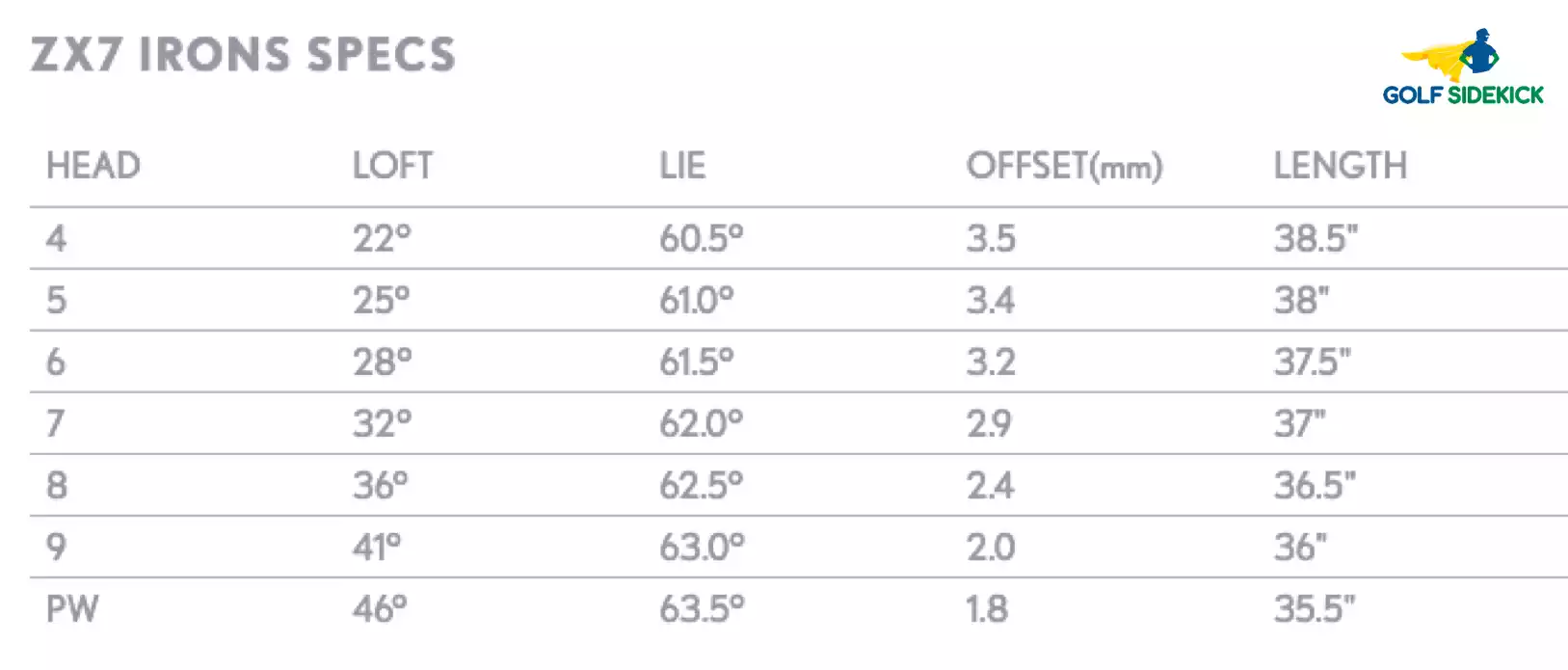
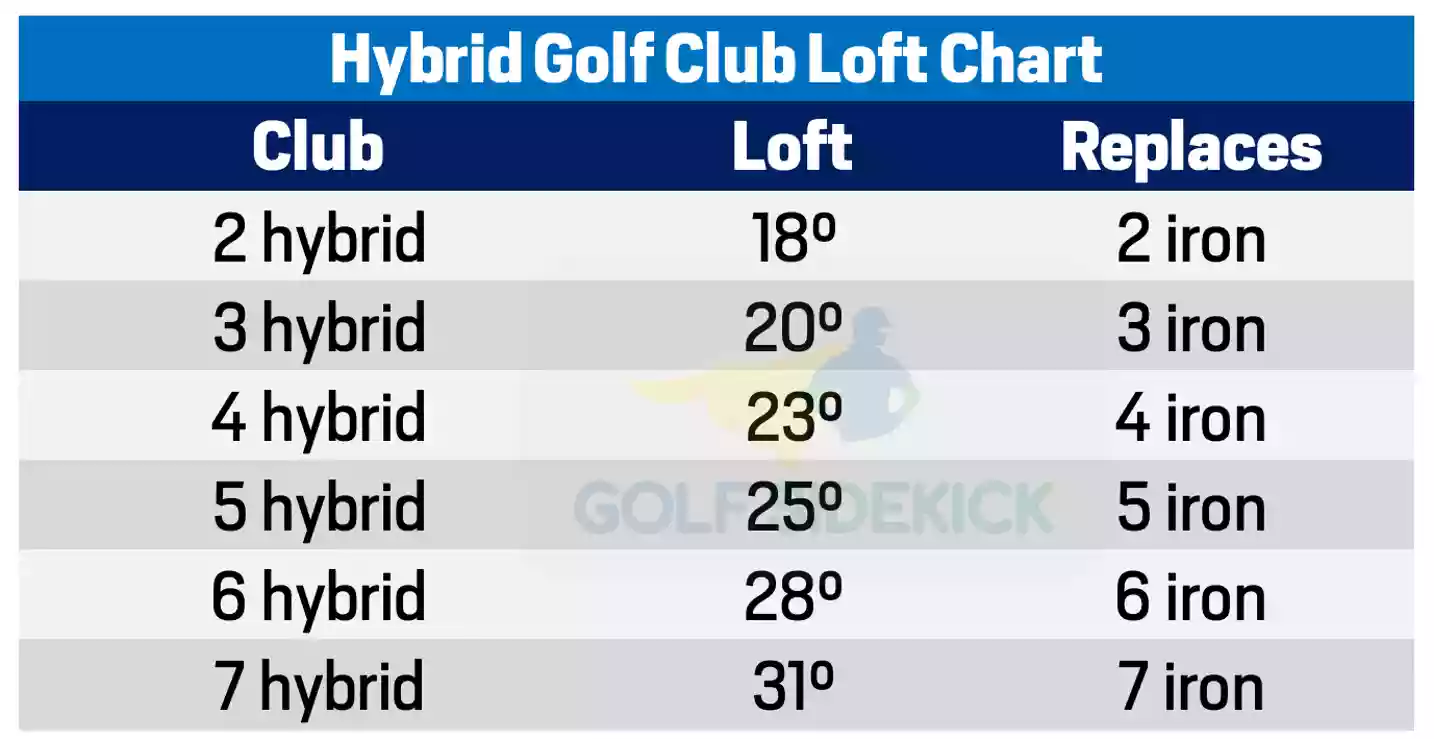
While many golfers replace their 4-iron with a hybrid of the “same number,” it’s crucial to understand that hybrid numbering doesn’t always directly correspond to iron numbering in terms of loft. A “4-hybrid” might have a loft closer to a traditional 3-iron or even a strong 5-iron, depending on the manufacturer and model. The smart approach is to identify the specific distance gap in your bag that your current 4-iron should cover (e.g., 180-195 yards for many male amateurs) and then select a hybrid with the appropriate loft to consistently achieve that distance. This often involves hitting various hybrids on a launch monitor to compare carry distances and ensure smooth transitions between clubs.
Matching Your Swing Profile with Hybrid Specifications
Different hybrids are engineered for different swing profiles. Some are designed for maximum forgiveness and high launch (ideal for slower swing speeds), while others offer more workability and a penetrating ball flight (suited for faster swingers). Understanding your own swing characteristics – tempo, attack angle, and clubhead speed – is paramount. A golfer with a sweeping swing might benefit from a hybrid with a more wood-like profile, while someone with a steeper attack might prefer a hybrid that more closely resembles an iron, offering a blend of control and forgiveness. Paying attention to factors like offset, sole width, and face progression can help align the hybrid’s technical design with your personal mechanics.
The Digital Edge: Using Launch Monitors and Data for Selection
The modern golfer has an invaluable technological advantage in the form of launch monitors. These sophisticated devices provide real-time data on clubhead speed, ball speed, launch angle, spin rate, carry distance, and much more. Utilizing a launch monitor during a fitting session is the most precise way to determine which hybrid truly replaces your 4-iron. By testing different models and lofts, you can objectively compare performance metrics and identify the hybrid that consistently delivers the optimal combination of launch, spin, and distance for your swing. This data-driven approach ensures that your equipment choice is scientifically sound, not just based on feel or brand preference.
The Future of Hybrids: Emerging Technologies and Design Horizons
The evolution of hybrid technology is far from complete. As materials science advances and manufacturing processes become more sophisticated, we can expect even greater innovations in these versatile clubs. The future of hybrids lies at the intersection of advanced engineering, data analytics, and potentially, artificial intelligence.
AI-Driven Design and Predictive Analytics in Club Manufacturing
The next frontier in golf club design will likely involve artificial intelligence and machine learning. AI algorithms can analyze vast datasets of swing characteristics and ball flight dynamics to generate optimal clubhead geometries, weighting schemes, and material compositions. This predictive analytics approach could lead to even more precisely engineered hybrids that are tailored to an even wider spectrum of golfer needs, anticipating performance requirements before physical prototypes are even built. AI could also optimize manufacturing tolerances to ensure unprecedented consistency in club production.
Smart Golf Clubs and Integrated Performance Tracking
Imagine a hybrid that not only performs exceptionally but also provides real-time feedback on your swing and impact. While currently in nascent stages for full clubs, the integration of micro-sensors within clubheads or shafts could become standard. These “smart hybrids” could track clubhead speed, path, face angle, and even impact location, transmitting data directly to your smartphone or smartwatch. This integrated performance tracking would offer golfers an unparalleled level of insight into their game, allowing for immediate adjustments and accelerated learning, making the hybrid not just a hitting tool, but a sophisticated coaching device.
Sustainable Materials and Advanced Manufacturing Techniques
As environmental consciousness grows, the golf industry, like many others, will increasingly look towards sustainable materials and eco-friendly manufacturing processes. Future hybrids might incorporate recycled or bio-based composites, offering similar or even superior performance characteristics to traditional materials. Advanced manufacturing techniques such as additive manufacturing (3D printing) could also revolutionize hybrid design, allowing for intricate internal structures and personalized club components that are impossible with conventional casting methods. This would lead to lighter, stronger, and even more customizable hybrids, pushing the boundaries of performance while minimizing environmental impact.
In conclusion, the hybrid club is a triumph of golf equipment technology, effectively replacing the demanding 4-iron for the vast majority of golfers. Its success is rooted in deliberate engineering that prioritizes forgiveness, high launch, and versatile playability through innovative design, advanced material science, and precise weight distribution. As the game continues to evolve, so too will the technology within these essential clubs, promising even greater advancements that will further democratize distance, enhance control, and ultimately make golf more enjoyable for everyone.
aViewFromTheCave is a participant in the Amazon Services LLC Associates Program, an affiliate advertising program designed to provide a means for sites to earn advertising fees by advertising and linking to Amazon.com. Amazon, the Amazon logo, AmazonSupply, and the AmazonSupply logo are trademarks of Amazon.com, Inc. or its affiliates. As an Amazon Associate we earn affiliate commissions from qualifying purchases.