
Soldering is more than just melting metal; it’s a fundamental skill, a precise art, and an indispensable process in the world of technology. From intricate PCB repairs and custom electronics builds to robust electrical connections and even delicate jewelry work, the quality of a solder joint directly dictates the reliability and longevity of a connection. Yet, lurking behind every successful solder joint is an unsung hero, a crucial chemical compound often overlooked by beginners and sometimes even underestimated by seasoned practitioners: flux.
Flux, in essence, is a chemical cleaning agent that prepares surfaces for soldering by removing oxidation and preventing further oxidation during the heating process. Without it, even the most skilled hands will struggle to create a strong, electrically conductive, and mechanically sound joint. Understanding the different types of flux, their applications, and their limitations is not merely an auxiliary detail; it is foundational knowledge that elevates a casual solderer to a true craftsman. This comprehensive guide will demystify the world of soldering flux, equipping tech enthusiasts, makers, and professional engineers alike with the insights needed to select the perfect flux for any project, ensuring superior results every time.
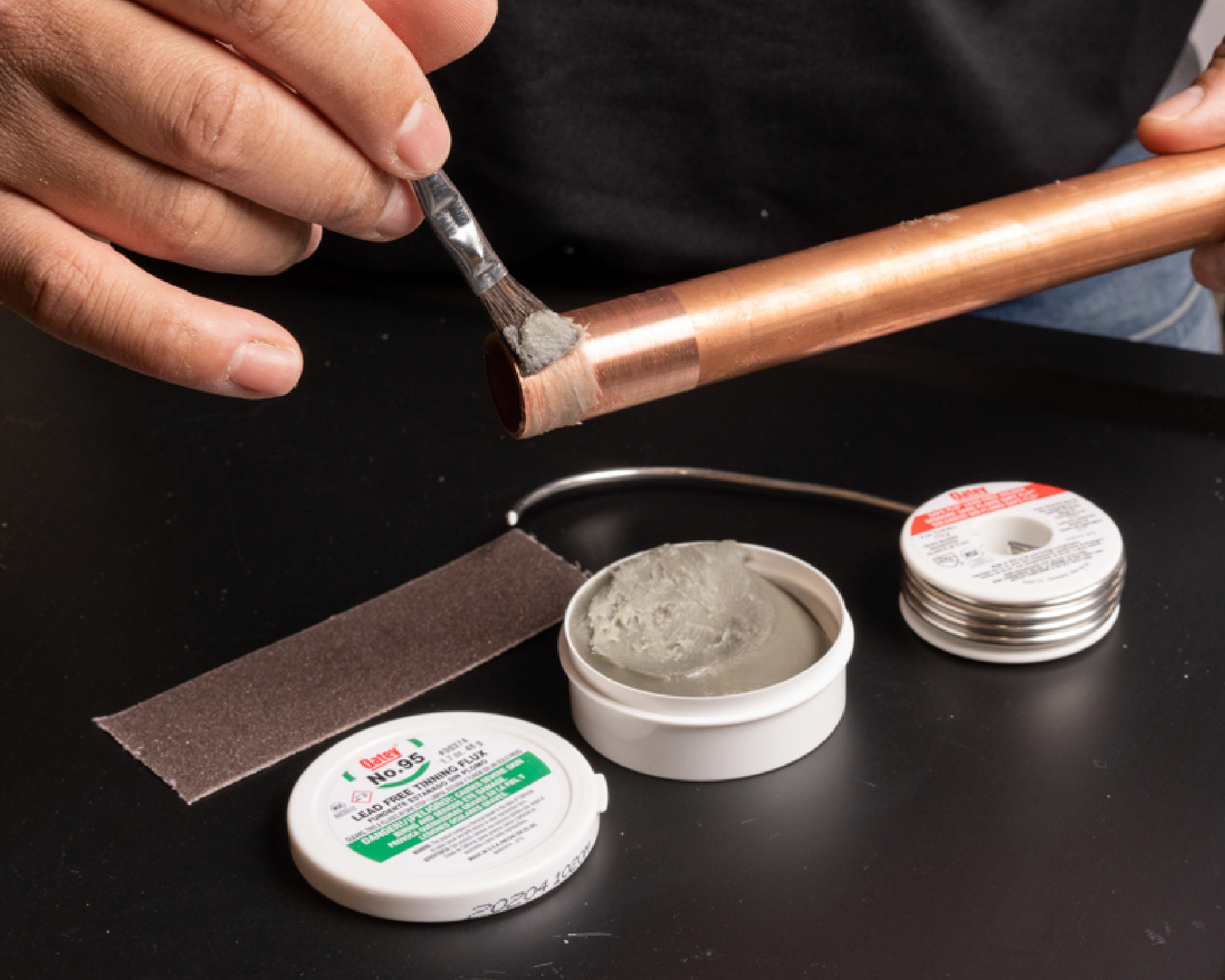
Understanding the Core Role of Flux in Soldering
To truly appreciate the necessity of flux, one must first grasp the challenges inherent in the soldering process itself. Metals, when exposed to air, naturally react with oxygen to form a thin layer of metal oxides on their surface. This layer, while often invisible to the naked eye, acts as a significant barrier to effective soldering.
The Science Behind Flux: Preventing Oxidation
The primary function of flux is rooted in its chemical properties: it is an active agent designed to chemically clean the metal surfaces that are to be joined. When heat is applied during soldering, the flux becomes active, dissolving and removing these surface oxides from the base metals (like copper pads or component leads) and the solder itself. This cleaning action is critical because molten solder, which relies on atomic bonding with the base metal to form a strong joint, cannot effectively bond to oxidized surfaces. Instead, it would simply ball up or form a weak, unreliable connection that might fail under stress or over time.
Beyond merely removing existing oxides, flux also plays a crucial preventative role. As the soldering iron heats the work area, the elevated temperatures would naturally accelerate the formation of new oxides. Flux creates a protective chemical barrier, shielding the clean metal surfaces from re-oxidizing as they are being heated and wetted by the molten solder. This ensures that the solder can flow freely and make intimate contact with the pristine metal underneath, forming a robust metallurgical bond.
Enhancing Solder Flow and Joint Quality
In addition to its cleaning and protective roles, flux significantly improves the “wetting” action of the solder. Wetting is the ability of molten solder to spread evenly and adhere thinly to the surface of the base metal, forming a concave fillet rather than a bead. Good wetting indicates a strong bond, characterized by the solder flowing smoothly and creating a low-contact angle with the joint.
By removing oxides and lowering the surface tension of the molten solder, flux allows the solder to flow more easily and uniformly across the clean metal surfaces. This enhanced flow promotes capillary action, drawing the solder into small gaps and around component leads, ensuring full coverage and robust connections. The result is a shiny, smooth, and aesthetically pleasing solder joint that is electrically sound and mechanically strong – a hallmark of quality workmanship.
Types of Flux: Matching the Right Flux to Your Project
The world of soldering flux is diverse, with various formulations designed for specific applications, metals, and environmental considerations. Choosing the correct type is paramount to success and can prevent headaches down the line.
Rosin Flux (R, RMA, RA): The Workhorse of Electronics
Rosin-based fluxes are the traditional and most widely used type in electronics soldering. Derived from pine tree resin, they are mildly acidic at soldering temperatures but chemically inert at room temperature, making their residues less corrosive than other types.
- Rosin (R) Flux: This is a pure rosin flux with no activators. It offers very mild cleaning action and is suitable for soldering already clean, easily solderable surfaces, often used for critical applications where minimal residue is desired.
- Rosin Mildly Activated (RMA) Flux: The most common rosin flux type. It contains a small amount of activating agents that enhance its cleaning power. RMA flux is effective for general electronics work and leaves a residue that is largely non-corrosive and often left on the board, though cleaning is recommended for high-reliability applications or aesthetics.
- Rosin Activated (RA) Flux: Contains stronger activators for more aggressive cleaning. It’s excellent for moderately oxidized surfaces or components that are more challenging to solder. RA flux leaves a more active residue that must be cleaned off after soldering, as it can become corrosive over time, especially in humid environments, leading to electrical leakage or shorts.
No-Clean Flux: Convenience Meets Performance
As the name suggests, “no-clean” fluxes are formulated to leave residues that are electrically non-conductive, non-corrosive, and aesthetically benign after soldering. The idea is to eliminate the need for post-soldering cleaning, saving time and reducing manufacturing costs.
No-clean fluxes often contain synthetic resins and very mild activators. While convenient, they are typically less aggressive than activated rosin or water-soluble fluxes. They work best on components and boards with good solderability. The residues, though inert, can sometimes be sticky or leave a dull finish. For high-frequency circuits or extremely sensitive applications, cleaning no-clean residues might still be advisable to avoid potential signal interference or cosmetic issues.
Water-Soluble Flux: Aggressive Cleaning for Specific Applications
Water-soluble fluxes are highly active, often containing organic acids that provide excellent cleaning power, especially for heavily oxidized surfaces or difficult-to-solder metals. Their aggressive nature ensures very clean, bright, and strong solder joints.
The defining characteristic of water-soluble fluxes is that their residues must be thoroughly cleaned off with deionized water after soldering. Failure to do so will result in highly corrosive residues that will rapidly degrade the solder joint and the surrounding components, leading to catastrophic failure. Due to the requirement for water cleaning, these fluxes are less common in hobbyist electronics but find widespread use in industrial applications, wave soldering, and situations where aggressive cleaning is necessary and post-soldering washing is standard practice.
Acid Flux: The Domain of Metals and Plumbing
Acid fluxes, often containing hydrochloric acid, zinc chloride, or phosphoric acid, are the most aggressive type of flux. They are incredibly effective at cleaning severely oxidized or dirty metal surfaces and are primarily used for plumbing, stained glass, and general metal fabrication (e.g., soldering copper pipes, sheet metal).
Crucially, acid fluxes are strictly NOT for use in electronics. Their residues are highly corrosive and would quickly destroy sensitive electronic components and circuit boards. The cleaning required for acid flux is also far more rigorous than that for water-soluble flux and involves neutralizing agents, making it unsuitable for electronics where complex geometries make thorough cleaning impossible.
Key Considerations for Selecting Your Flux

Choosing the right flux goes beyond simply knowing the types; it involves a careful evaluation of the project’s specific demands and constraints.
Material Compatibility: What Are You Soldering?
The type of metal being soldered is the most significant factor.
- Electronics (Copper, Tin, Lead-Free Alloys): Primarily use rosin (RMA, RA), no-clean, or water-soluble fluxes. The choice depends on the level of oxidation and post-cleaning capabilities.
- Brass, Bronze, Galvanized Steel (non-electronics): Stronger fluxes like some specialized non-electronic liquid fluxes or even mild acid fluxes might be required, but extreme caution must be exercised with cleaning.
- Stainless Steel, Cast Iron: Typically requires specialized, highly aggressive fluxes often with specific heating profiles, completely outside the realm of electronics soldering.
Post-Soldering Cleaning Requirements
- No-Clean: Ideal for quick repairs, prototyping, or manufacturing where cleaning is undesirable or impractical.
- RMA/RA: Can often be left, especially RMA, but cleaning with isopropyl alcohol (IPA) or flux remover is recommended for reliability and aesthetics, especially for RA.
- Water-Soluble: Mandates thorough cleaning with water immediately after soldering. This often requires dedicated washing stations in manufacturing environments.
- Acid Flux: Requires rigorous cleaning and neutralization, absolutely not for electronics.
Application Method: Paste, Pen, Liquid, or Core?
Flux comes in various forms, each suited for different application methods:
- Flux Pens: Convenient for precise application on PCBs, rework, and touch-ups. They dispense a controlled amount of liquid flux.
- Liquid Flux (Bottle): Used for brush application, dipping component leads, or in automated wave soldering machines. Can be sprayed or dispensed.
- Flux Paste: A viscous mixture of flux and sometimes finely powdered solder. Excellent for surface-mount device (SMD) work, reflow soldering, or when flux needs to stay in place.
- Flux-Cored Solder Wire: The most common form for hand soldering. The solder wire has a core filled with flux, which melts and activates as the solder heats, providing flux continuously as the solder flows. This is often the go-to for hobbyists and general electronics assembly.
Safety and Environmental Impact
Modern soldering practices increasingly emphasize safety and environmental responsibility.
- Fumes: All fluxes produce fumes when heated. These fumes, especially from rosin and some synthetic fluxes, can be respiratory irritants. Always use adequate ventilation (fume extractors, open windows) when soldering.
- VOCs (Volatile Organic Compounds): Some fluxes contain VOCs, which contribute to air pollution. Low-VOC or no-VOC options are becoming more prevalent.
- Halogen-Free: Halogens (like chlorine and bromine) are common activators in some fluxes. While effective, they can pose environmental concerns and leave corrosive residues. Halogen-free fluxes are gaining traction, especially in eco-conscious manufacturing.
- Lead-Free Compatibility: As lead-free soldering becomes standard, ensure your chosen flux is compatible with lead-free solders, which typically require more active fluxes due to higher melting points and different wetting characteristics.
Best Practices for Flux Application and Post-Soldering Care
Even with the correct flux, improper application or neglect of post-soldering care can undermine your efforts.
Proper Application Techniques
- Less is More (Usually): While flux is essential, oversaturating a joint can lead to excessive residue, making cleaning harder and potentially causing issues. Apply just enough to cover the joint area.
- Pre-fluxing: For heavily oxidized parts or large joints, pre-fluxing the component leads or pads before applying solder can significantly improve wetting.
- Timing: For flux-cored solder, the flux activates as the solder melts. For external flux, apply it just before bringing in the solder and iron, ensuring it’s active when the solder flows.
- Even Distribution: Ensure the flux covers all surfaces to be joined to get uniform cleaning and wetting.
The Importance of Residue Removal
Despite the claims of “no-clean” fluxes, cleaning is almost always a good practice for reliability, inspection, and aesthetics, especially in professional or high-reliability applications.
- Why Clean? Residues, even non-corrosive ones, can attract dust and moisture, act as a barrier for conformal coatings, obscure visual inspection, and in rare cases, cause electrical leakage (especially at high frequencies or voltages).
- Cleaning Agents:
- Isopropyl Alcohol (IPA): Effective for most rosin and no-clean residues. Use a soft brush or cotton swab.
- Commercial Flux Removers: Designed for specific flux types, often more powerful than IPA.
- Deionized Water: Essential for water-soluble fluxes, often used in ultrasonic cleaners or spray washers.
- Thoroughness: Ensure all residue is removed, especially from tight spaces. Rinse well if using water-based cleaning.
Troubleshooting Common Flux-Related Issues
- Dull/Gritty Joints: Often a sign of insufficient flux or flux that has burned off too quickly. Increase flux amount, ensure fresh flux, or use a slightly longer activation time.
- Solder Beading/Not Wetting: Indicates severe oxidation or ineffective flux. Pre-clean surfaces mechanically (e.g., with fine sandpaper) and apply fresh, more aggressive flux.
- Excessive Residue: Too much flux applied. Use less or consider a different flux type (e.g., no-clean).
- Component Damage (Corrosion): If using the wrong flux (e.g., acid flux on electronics) or not cleaning corrosive flux residues thoroughly. Immediate and thorough cleaning/neutralization is critical, but prevention is best.
Emerging Trends and Future of Soldering Flux
The evolution of soldering technology continues, driven by demands for higher performance, greater reliability, and enhanced environmental responsibility. Flux formulation is at the forefront of these innovations.
Low-VOC and Halogen-Free Fluxes
With increasing environmental regulations and health concerns, manufacturers are heavily investing in developing fluxes with reduced Volatile Organic Compounds (VOCs) and entirely halogen-free formulations. These fluxes aim to provide comparable performance to traditional counterparts while minimizing environmental impact and improving worker safety. This trend is especially pronounced in consumer electronics and automotive industries.
Specialized Fluxes for Advanced Materials
As new materials and advanced components emerge, requiring unique soldering profiles and higher temperatures, specialized fluxes are being developed to meet these challenges. This includes fluxes optimized for ultra-fine pitch components, highly reflective surfaces, or new solder alloys that have very different wetting characteristics. These specialized fluxes often combine multiple active ingredients and are engineered for precise temperature activation windows.

Conclusion: Empowering Your Soldering Journey
The choice of flux, though seemingly minor, holds profound implications for the success and reliability of any soldering endeavor. It is the silent enabler of strong, clean, and durable connections, protecting your work from the insidious effects of oxidation. By understanding the different types of flux – from the venerable rosin and convenient no-clean to the powerful water-soluble and specialized acid varieties – and considering factors like material compatibility, cleaning requirements, and application methods, you gain a powerful tool in your tech arsenal.
Embrace flux not as an optional accessory, but as an indispensable partner in your soldering journey. With the right knowledge and careful application, you can ensure that every connection you make is not just functional, but a testament to precision, durability, and true technical craftsmanship. So, the next time you power up your soldering iron, remember the critical role of flux, and choose wisely – your project’s longevity depends on it.
aViewFromTheCave is a participant in the Amazon Services LLC Associates Program, an affiliate advertising program designed to provide a means for sites to earn advertising fees by advertising and linking to Amazon.com. Amazon, the Amazon logo, AmazonSupply, and the AmazonSupply logo are trademarks of Amazon.com, Inc. or its affiliates. As an Amazon Associate we earn affiliate commissions from qualifying purchases.