
Humidity plays a surprisingly significant role in our comfort, health, and the very preservation of our homes. While often overlooked, maintaining optimal indoor humidity levels is a key component of a healthy and efficient living environment. In the age of smart homes, understanding and managing this invisible element has become more accessible and precise than ever before. This article delves into the ideal humidity ranges for your home, exploring the technological tools and strategies that empower you to achieve and maintain them, ultimately contributing to a more comfortable, healthier, and energy-efficient living space.
The Science Behind Ideal Indoor Humidity
Understanding why humidity matters is the first step to effectively managing it. Indoor humidity, the amount of water vapor in the air, is influenced by a variety of factors, including outdoor weather, building insulation, ventilation systems, and the activities of the occupants. Deviations from the ideal range can lead to a cascade of negative consequences for both human health and the structural integrity of your home.
Health Implications of Imbalanced Humidity
Both excessively high and low humidity levels can negatively impact your well-being.
Low Humidity and Its Effects
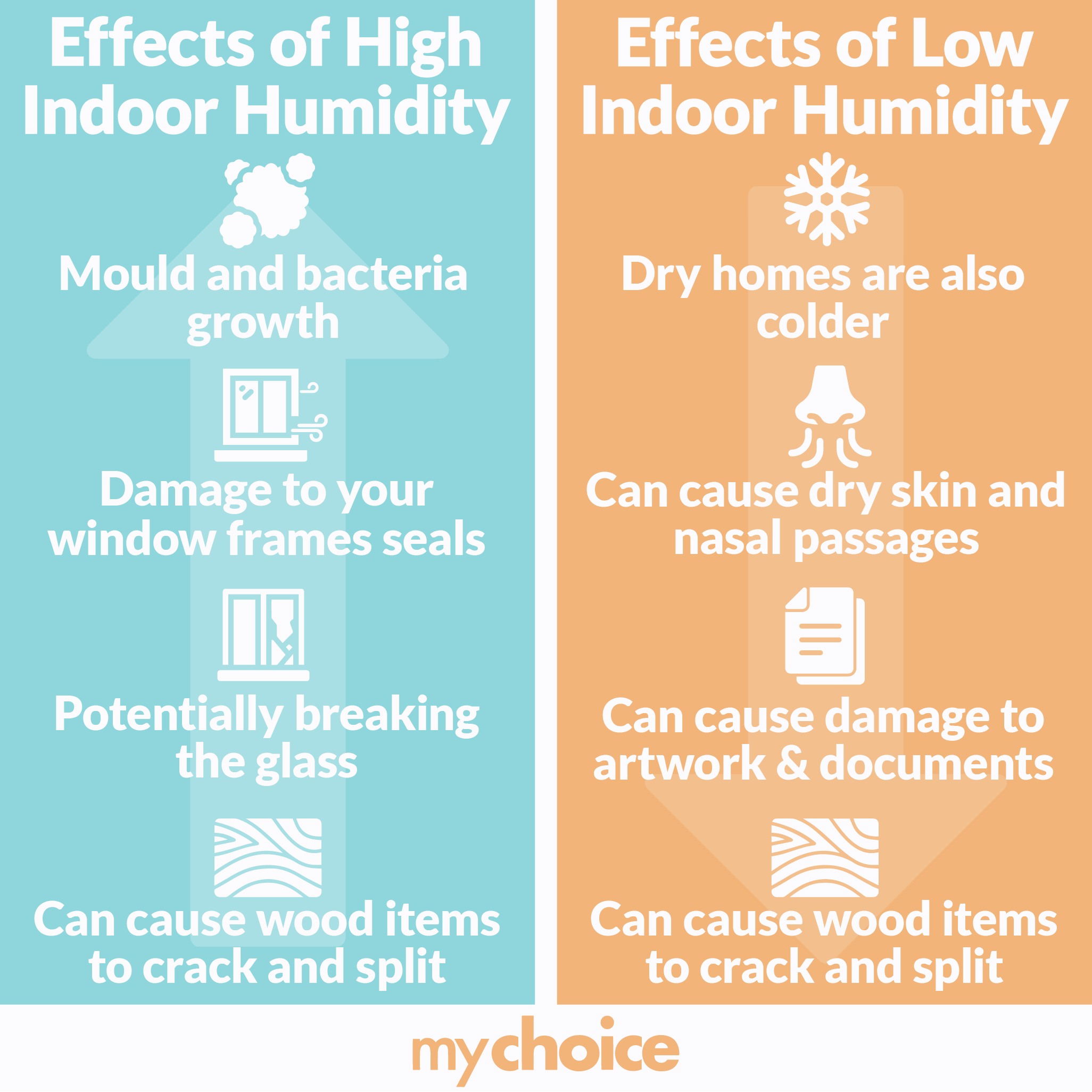
In drier conditions, typically found during winter months when heating systems are running, low humidity can dry out mucous membranes. This can make you more susceptible to colds, the flu, and other respiratory infections as your body’s natural defenses are compromised. Dry skin, chapped lips, itchy eyes, and aggravated asthma or allergy symptoms are also common complaints. Furthermore, static electricity becomes more prevalent, leading to annoying shocks and potentially damaging sensitive electronic equipment.
High Humidity and Its Consequences
Conversely, elevated humidity levels, often prevalent in warmer, more humid climates or during summer months, create a breeding ground for mold, mildew, and dust mites. These microorganisms are significant triggers for allergies and asthma, leading to respiratory problems and other allergic reactions. High humidity can also contribute to the deterioration of building materials, causing wood to warp, paint to peel, and a general feeling of dampness and mustiness in the air. It can also make your home feel warmer than it actually is, leading to increased reliance on air conditioning and, consequently, higher energy bills.
Impact on Home Structure and Belongings
The effects of humidity aren’t confined to your health. Your home itself and its contents are also at risk.
Protecting Your Home’s Structure
Wood, a ubiquitous material in homes, is particularly sensitive to humidity fluctuations. In low humidity, wood can shrink and crack, leading to issues with flooring, furniture, and even structural components. In high humidity, wood can expand, warp, and become prone to rot and decay, especially when combined with poor ventilation. This can compromise the integrity of your walls, ceilings, and foundations over time.
Preserving Your Possessions
Beyond the structure, your belongings are also vulnerable. High humidity can damage electronics, warp books and documents, and encourage the growth of mold on fabrics and artwork. Low humidity can lead to the drying out and cracking of wooden furniture, musical instruments, and other sensitive items. Maintaining a stable and appropriate humidity level acts as a form of passive preservation for your valuable possessions.
Leveraging Smart Technology for Humidity Control
Fortunately, the modern smart home offers sophisticated solutions for monitoring and managing indoor humidity with unprecedented accuracy and convenience. Gone are the days of guessing; technology empowers us to achieve and maintain the perfect balance.
Smart Thermostats and Integrated Sensors
Many modern smart thermostats go beyond simple temperature regulation. They often incorporate built-in sensors that can measure humidity levels, providing you with real-time data directly on the device or through its accompanying mobile application.
Real-time Monitoring and Alerts
These integrated sensors allow for continuous monitoring of your home’s humidity. You can access this information from anywhere, receiving alerts if the humidity strays outside your pre-set ideal range. This proactive approach allows you to address potential issues before they become problematic. For instance, if your humidity drops too low during a cold snap, your smart thermostat can alert you to turn on a humidifier. Conversely, if it rises too high during a humid summer day, it might suggest increasing your air conditioning’s dehumidification setting or opening windows for ventilation (if outdoor humidity is lower).
Automated Climate Adjustments
The true power of smart thermostats lies in their ability to automate climate adjustments. By linking humidity data with temperature readings, these devices can intelligently control your HVAC system. For example, a smart thermostat can be programmed to activate your furnace’s humidifier when the indoor temperature drops below a certain point and the humidity is also low. Conversely, it can increase the fan speed or engage a dedicated dehumidification cycle on your air conditioner when humidity levels climb too high, even if the temperature is still comfortable. This creates a seamlessly managed indoor environment without constant manual intervention.
Dedicated Smart Humidifiers and Dehumidifiers
While integrated solutions are effective, for more precise control or for homes with significant humidity challenges, dedicated smart humidifiers and dehumidifiers offer a specialized approach.
Intelligent Operation and Scheduling
These smart appliances connect to your home Wi-Fi network and can be controlled via smartphone apps. They often feature advanced sensors that can detect precise humidity levels and adjust their operation accordingly. You can schedule them to run at specific times of the day, integrate them into broader smart home routines (e.g., “Wake Up” scenes that adjust humidity and lighting), and receive notifications about filter replacements or water tank levels.
Energy Efficiency and Targeted Control
Smart humidifiers and dehumidifiers are designed for energy efficiency. They only operate when necessary and can often adjust their output based on ambient conditions. This targeted control ensures that you’re not over-humidifying or over-dehumidifying, saving energy and prolonging the life of the appliance. For larger homes, you might even consider placing multiple smart dehumidifiers in areas prone to dampness, such as basements or bathrooms, for more localized and effective control.
Establishing and Maintaining Your Ideal Humidity Range
Knowing what humidity level to aim for is crucial. While personal preference plays a role, there are generally accepted ranges that promote health, comfort, and home preservation.
The Golden Rule: 30-60% Relative Humidity
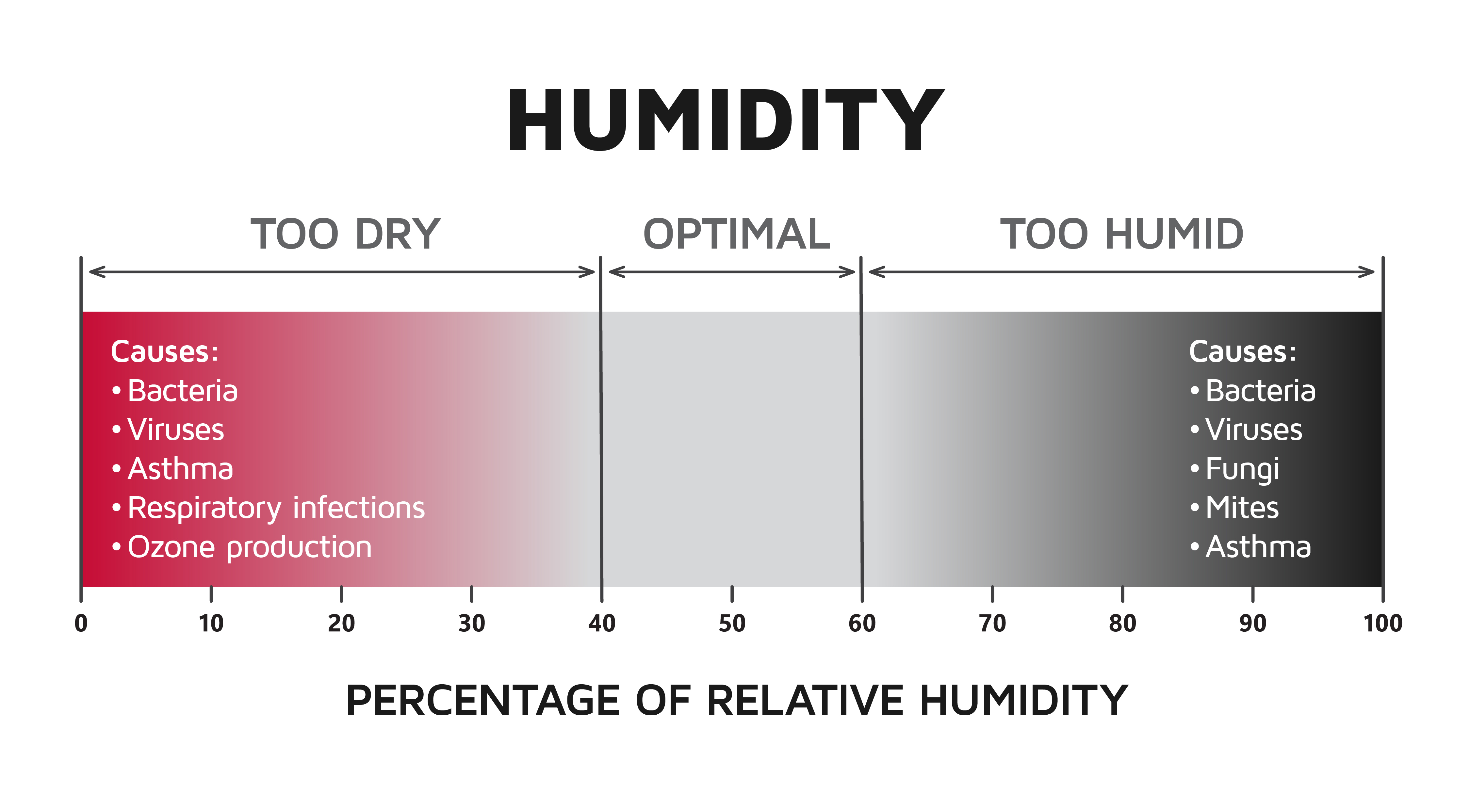
The consensus among health professionals and building scientists is that maintaining indoor relative humidity between 30% and 60% is ideal for most homes. Within this range, you’ll experience optimal comfort, minimize health risks, and protect your home’s structure and contents.
Fine-Tuning Within the Range
While 30-60% is the broad ideal, some minor adjustments can be made based on the season and personal comfort. During colder months, particularly when heating systems are in use, a humidity level towards the higher end of this range, perhaps 40-50%, can help combat dryness and its associated health issues. In warmer, more humid months, aiming for the lower end, around 30-40%, can help prevent mold growth and the feeling of clamminess. It’s also important to consider personal sensitivity; individuals with respiratory conditions might find comfort in slightly different ranges.
Utilizing Smart Home Ecosystems for Holistic Control
The real magic happens when you integrate your humidity control devices into a cohesive smart home ecosystem. This allows for a more intelligent and automated approach to managing your indoor climate.
Interoperability and Automation Hubs
Platforms like Google Home, Amazon Alexa, or Apple HomeKit act as central hubs for your smart devices. By ensuring your smart thermostat, humidifiers, and dehumidifiers are compatible with your chosen platform, you can create advanced automation routines. For example, you could set up a routine where if your smart thermostat detects humidity above 55% after 8 PM, it automatically turns on your smart dehumidifier and sends you a notification.
Data-Driven Insights and Predictive Maintenance
Smart home platforms often collect data over time, providing valuable insights into your home’s humidity patterns. You can analyze historical data to identify trends, understand when your humidity levels tend to fluctuate the most, and proactively adjust your settings or appliance usage. Some advanced systems can even use this data to predict potential issues, such as a filter needing replacement on your humidifier before it significantly impacts performance, or to suggest optimal times for ventilation based on outdoor air quality and humidity.
Practical Steps to Achieve Optimal Humidity
Implementing smart technology is a powerful step, but understanding basic principles and performing regular maintenance are equally important for sustained humidity control.
Regular Monitoring and Manual Adjustments
Even with smart devices, occasional manual checks and adjustments are beneficial.
Understanding Your Device’s Capabilities
Familiarize yourself with the specific features of your smart thermostat, humidifier, and dehumidifier. Understand how to set custom humidity targets, create schedules, and interpret the data provided by the apps. This will allow you to make the most of your devices’ capabilities.
Seasonal Adjustments and Personal Comfort
As mentioned, seasonal changes necessitate adjustments. Don’t hesitate to manually tweak your settings to adapt to the weather and your personal comfort preferences. What feels ideal in the dry winter might be too high in the humid summer.
The Role of Ventilation and Airflow
Proper ventilation is paramount for controlling indoor humidity, especially in conjunction with smart devices.
Strategic Use of Ventilation Systems
Your home’s HVAC system plays a crucial role. Ensure your air filters are clean and that your system is properly maintained. Utilizing your HVAC fan to circulate air can help distribute humidity more evenly throughout your home, preventing stagnant, overly humid pockets. Smart thermostats can often control fan circulation cycles.
Bathroom and Kitchen Ventilation
These areas are significant sources of indoor moisture. Always use exhaust fans when showering, bathing, or cooking. Consider installing smart exhaust fans that can automatically activate based on humidity sensors or timers, ensuring moisture is efficiently removed before it impacts the rest of your home.
Maintaining Your Smart Devices and HVAC System
Like any technology, your smart humidity control devices and your HVAC system require upkeep to function optimally.
Cleaning and Filter Replacement
Regularly clean the sensors on your smart thermostat and humidity control devices to ensure accurate readings. Replace filters in your HVAC system, humidifiers, and dehumidifiers according to the manufacturer’s recommendations. Dirty filters impede airflow and reduce efficiency, negatively impacting humidity control.
Professional HVAC Maintenance
Schedule regular professional maintenance for your HVAC system. A technician can identify and address any issues that might be affecting your system’s ability to manage humidity, such as leaks, refrigerant levels, or ductwork problems. This proactive approach can prevent costly repairs and ensure your smart technology is working with a healthy foundation.

Conclusion: A Smarter Approach to a Healthier Home
Achieving and maintaining the ideal indoor humidity level is no longer a complex or guesswork-laden endeavor. By embracing the capabilities of smart home technology, you can effortlessly monitor, manage, and automate your home’s humidity for optimal comfort, health, and preservation. From intelligent thermostats that adjust to changing conditions to dedicated appliances that precisely control moisture, the modern smart home offers a holistic solution. By understanding the science behind ideal humidity, leveraging the right technology, and implementing consistent maintenance, you can create an indoor environment that fosters well-being and protects your most valuable asset – your home. The pursuit of the perfect humidity is a journey towards a smarter, healthier, and more comfortable living experience.
aViewFromTheCave is a participant in the Amazon Services LLC Associates Program, an affiliate advertising program designed to provide a means for sites to earn advertising fees by advertising and linking to Amazon.com. Amazon, the Amazon logo, AmazonSupply, and the AmazonSupply logo are trademarks of Amazon.com, Inc. or its affiliates. As an Amazon Associate we earn affiliate commissions from qualifying purchases.