
The immediate, visceral reaction to the word “wasp” is often one of fear or annoyance. These stinging insects, with their bold coloration and assertive flight patterns, are widely perceived as pests, unwelcome intruders at picnics and a source of painful stings. Their reputation precedes them, overshadowing any potential benefits they might offer. However, a deeper examination reveals that wasps are far from mere nuisances. Their ecological roles are critical, and their intricate biological mechanisms offer a surprising wellspring of inspiration for technological advancements. This article will explore the often-overlooked economic and technological contributions of wasps, moving beyond their negative public image to understand their multifaceted value.

The Unseen Architects: Wasps as Natural Pest Controllers and Pollinators
While their predatory nature might be viewed negatively by humans, it is precisely this characteristic that makes wasps invaluable in natural and agricultural ecosystems. They form a vital part of the food web, controlling populations of insects that can be detrimental to crops and human health.
Apex Predators in Miniature: Regulating Insect Populations
Many wasp species are voracious predators, targeting a wide array of insects, including aphids, caterpillars, flies, and spiders. Solitary wasps, such as the cicada killer or the potter wasp, meticulously hunt specific prey, paralyze it with their sting, and then use it to provision their nests, ensuring a food source for their developing larvae. This targeted predation is crucial for maintaining ecological balance. Without these natural predators, populations of herbivorous insects could explode, leading to widespread crop damage and the proliferation of disease-carrying vectors like mosquitoes.
For instance, parasitic wasps, though often overlooked, are incredibly effective biological control agents. A single female can lay hundreds or even thousands of eggs within or on a host insect. The developing wasp larvae then consume the host from the inside out, effectively terminating its life cycle. This natural form of pest control significantly reduces the need for chemical pesticides in agriculture, saving farmers considerable costs and minimizing environmental contamination. The economic implications here are substantial. By keeping pest populations in check, wasps contribute directly to higher crop yields and reduced losses, underpinning a more sustainable and profitable agricultural sector.
Aiding the Bloom: The Role of Wasps in Pollination
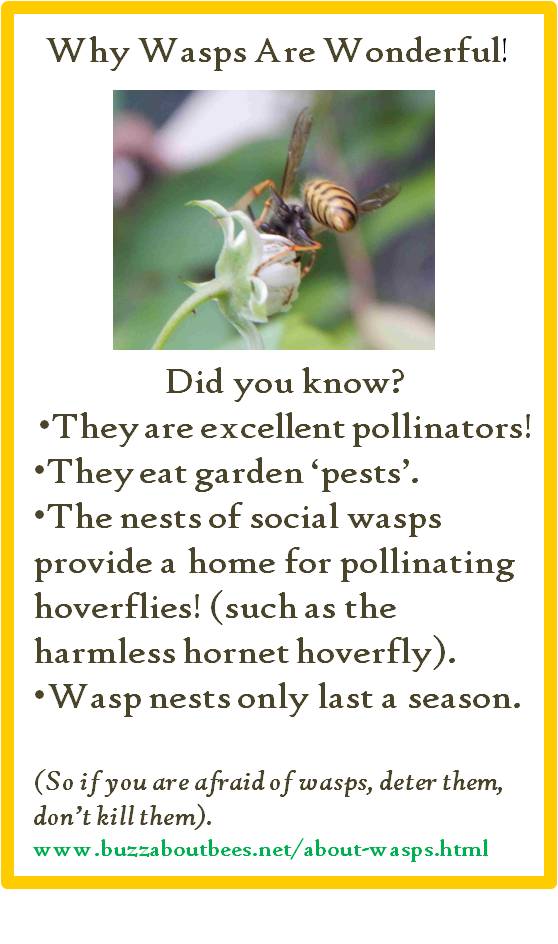
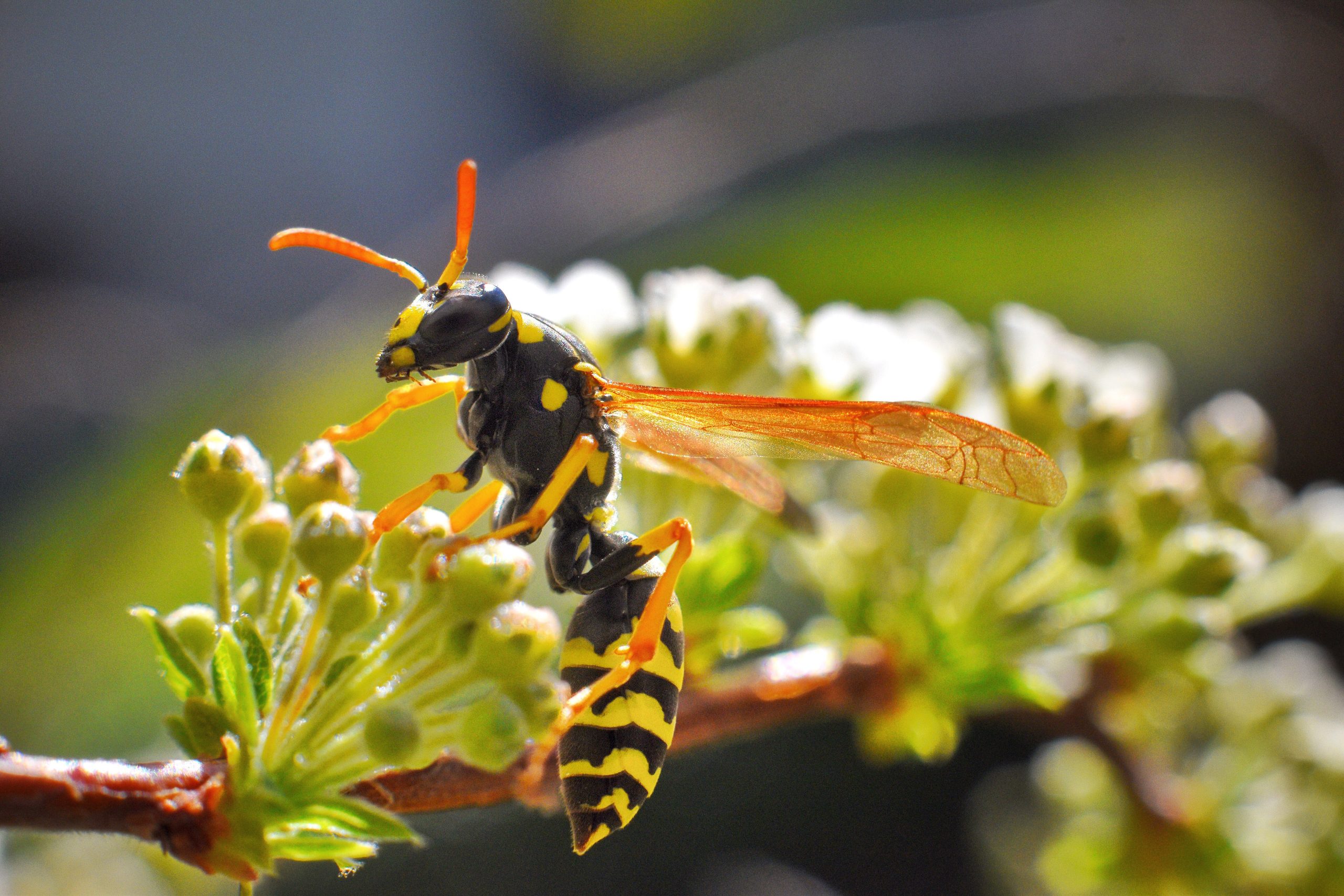
While bees often steal the spotlight for pollination, wasps also play a significant, albeit less recognized, role. Many wasp species, particularly solitary wasps and some social wasps, visit flowers to feed on nectar and pollen. This foraging inadvertently leads to the transfer of pollen between flowers, contributing to the reproductive success of numerous plant species.
Some plants have co-evolved with specific wasp species, relying on them for pollination. For example, certain fig species are exclusively pollinated by tiny fig wasps, demonstrating a highly specialized symbiotic relationship. The economic impact of pollination, whether by bees or wasps, is immense. It underpins the production of fruits, vegetables, nuts, and seeds that form the foundation of our global food supply. Even if wasps are not as efficient as bees in pollen transfer, their presence and foraging activities contribute to the overall health and diversity of plant communities, which in turn support a wider range of beneficial insects and agricultural productivity. The reduction in pesticide use, facilitated by their pest control services, further enhances the economic viability of organic farming and sustainable agriculture.
Borrowing Brilliance: Wasps as Bio-Inspiration for Technological Innovation
Beyond their ecological services, the biological marvels of wasps offer a rich tapestry of inspiration for technological innovation. Their sophisticated navigation, material science, and social organization have already spurred advancements in fields ranging from robotics to engineering.
Navigating the Skies: Lessons in Autonomous Flight and Navigation
The remarkable aerial agility and precise navigation of wasps have long fascinated scientists and engineers. Social wasps, in particular, exhibit an incredible ability to navigate complex three-dimensional environments, find their way back to their nests over long distances, and coordinate their movements within a colony. This innate capability is driven by sophisticated sensory systems and internal “maps” that allow them to orient themselves using visual cues, polarized light, and the Earth’s magnetic field.
Researchers are studying wasp navigation to develop more advanced autonomous systems, such as drones and robots. By understanding how wasps process visual information, learn routes, and avoid obstacles, engineers can design algorithms and sensor systems that enable unmanned vehicles to operate more effectively in unpredictable environments. This has direct applications in areas like search and rescue operations, environmental monitoring, and even last-mile delivery services, where efficient and accurate navigation is paramount. The development of robust, self-navigating robots inspired by wasp flight could revolutionize logistics and emergency response, leading to significant cost savings and improved outcomes.
Masters of Material Science: Nest Construction and Bio-Mimicry
The intricate and structurally sound nests constructed by wasps are a testament to their sophisticated material science. Many species build their nests from a mixture of chewed wood fibers or mud and saliva, creating a surprisingly durable and weather-resistant material. This natural composite material exhibits remarkable strength-to-weight ratios and excellent thermal insulation properties.
This “wasp-inspired” construction has led to innovations in materials engineering. Scientists are exploring the possibility of creating new construction materials that mimic the properties of wasp nests. Imagine buildings constructed with lightweight, strong, and eco-friendly materials that offer superior insulation, reducing energy consumption and associated costs. Furthermore, the self-assembling and self-repairing capabilities observed in some aspects of nest construction offer insights for developing advanced manufacturing techniques and smart materials that can adapt and mend themselves, leading to longer-lasting products and reduced waste. The economic benefits of these material advancements could be substantial, leading to more sustainable construction practices, reduced reliance on traditional, energy-intensive materials, and the creation of more resilient infrastructure.
The Social Network: Insights into Collaboration and Efficiency
Social wasps, living in complex colonies with distinct roles and communication systems, offer a fascinating model for understanding distributed intelligence and efficient organization. Their ability to coordinate large numbers of individuals to achieve complex tasks, such as foraging, nest maintenance, and defense, holds valuable lessons for human endeavors.
Collective Intelligence and Distributed Systems
The intricate social structure of wasp colonies, with their division of labor and communication networks, can inform the design of more efficient and resilient distributed systems. From ant colonies to bee swarms, the principles of collective intelligence are being studied to develop more robust algorithms for computing, logistics, and even artificial intelligence.
By observing how wasps share information, make collective decisions, and adapt to changing circumstances, researchers can develop better models for decentralized networks and swarm robotics. This can lead to more efficient resource allocation in complex systems, improved fault tolerance in technological networks, and even new approaches to artificial intelligence that are less reliant on centralized control. The economic implications of these advancements are far-reaching, potentially leading to more efficient supply chains, more robust internet infrastructure, and more adaptable automation in various industries.
Understanding Communication and Coordination
The communication methods used by social wasps, though not as complex as human language, are highly effective for colony coordination. Through pheromones, tactile signals, and body language, they convey information about food sources, danger, and colony needs. Understanding these communication pathways can inspire new approaches to human-machine interaction and the development of more intuitive and efficient communication protocols in technological systems.
For instance, studying how wasps relay information about foraging sites could lead to improvements in data dissemination in sensor networks or optimization algorithms for traffic management. The ability of wasps to efficiently coordinate large-scale efforts, like building a nest or defending against a threat, offers a blueprint for optimizing teamwork and resource management in complex human organizations and technological systems. This can translate into increased productivity, reduced errors, and more effective problem-solving across various sectors.
In conclusion, the humble wasp, often maligned and feared, is a creature of profound ecological importance and a remarkable source of scientific and technological inspiration. From their role as indispensable pest controllers and pollinators to their influence on the development of cutting-edge robotics, materials science, and distributed systems, wasps offer a compelling case for appreciating the hidden value in the natural world. By looking beyond their sting, we discover a wealth of knowledge that can lead to more sustainable agriculture, innovative technologies, and a deeper understanding of complex biological and social systems, ultimately contributing to a more efficient and prosperous future.
aViewFromTheCave is a participant in the Amazon Services LLC Associates Program, an affiliate advertising program designed to provide a means for sites to earn advertising fees by advertising and linking to Amazon.com. Amazon, the Amazon logo, AmazonSupply, and the AmazonSupply logo are trademarks of Amazon.com, Inc. or its affiliates. As an Amazon Associate we earn affiliate commissions from qualifying purchases.