
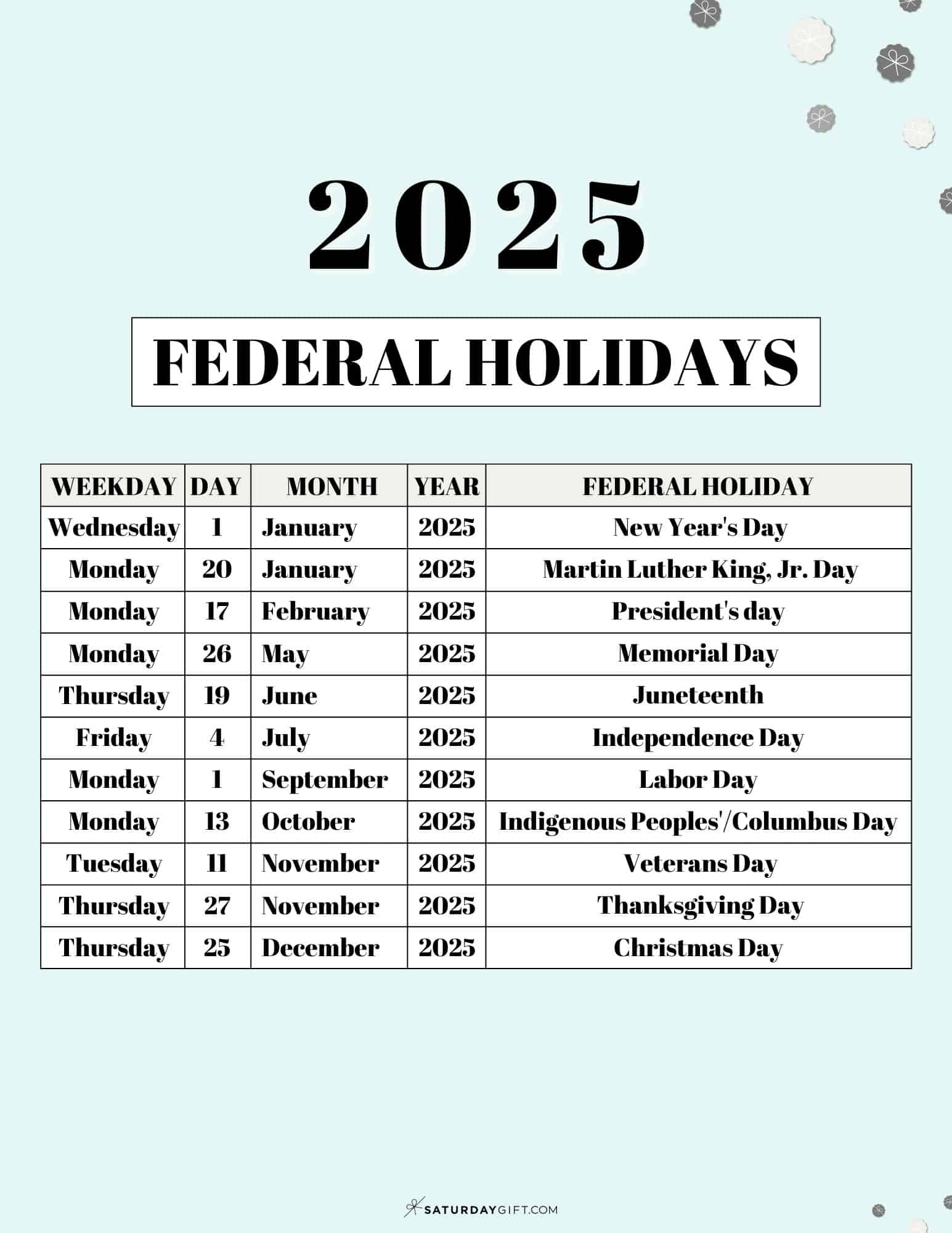
In the United States, May 26th, 2025, marks the observance of Memorial Day. While the day is primarily dedicated to honoring the men and women who died while serving in the U.S. military, it also represents a pivotal moment in the American financial calendar. As the unofficial start of the summer season, Memorial Day functions as a significant economic catalyst, influencing retail trends, market behaviors, and individual personal finance strategies.
Understanding the implications of this federal holiday is essential for investors, budget-conscious consumers, and business owners alike. From the closure of major financial markets to the surge in seasonal consumer spending, May 26th, 2025, is more than just a day off; it is a complex intersection of national sentiment and fiscal movement.
The Economic Footprint of Memorial Day Weekend
The significance of May 26th, 2025, extends deep into the macro-economy. As a federal holiday, its impact is felt through the cessation of standard business operations and the subsequent redirection of capital into specific sectors like travel and hospitality.
The Federal Holiday Calendar and Financial Markets
On Monday, May 26th, 2025, the New York Stock Exchange (NYSE) and the Nasdaq will be closed. This closure creates a three-day weekend for the financial markets, which often results in a phenomenon known as “holiday thinning.” In the days leading up to the long weekend, trading volumes may fluctuate as institutional investors adjust their positions to avoid exposure to unforeseen news cycles during the break.
For the individual investor, the May 26th holiday serves as a reminder of the importance of liquidity management. Because banks and federal institutions are closed, wire transfers and settlement periods for stock trades are delayed. Understanding this schedule is crucial for anyone managing short-term cash flow or looking to execute time-sensitive financial maneuvers.
Retail Revenue and Consumer Spending Trends
Memorial Day is historically one of the most significant retail periods of the year. In 2025, economists expect a continuation of the trend where the long weekend serves as a “litmus test” for consumer confidence. Retailers often utilize May 26th to clear out spring inventory and introduce summer product lines, driving massive revenue through promotions.
From a business finance perspective, this period is vital for the “Big Box” retail sector and home improvement industries. The surge in spending on outdoor furniture, appliances, and clothing provides a significant boost to quarterly earnings reports. For those tracking the “Money” niche, watching the performance of retail stocks during the final week of May offers valuable insights into the overall health of the American consumer.
Maximizing Your Personal Finance Strategy for the May 26th Weekend
While the national economy moves in large waves, the individual’s primary concern on May 26th, 2025, should be the protection and growth of their own capital. The long weekend presents both a temptation to overspend and an opportunity to save through strategic purchasing.
Budgeting for the “Unofficial Start of Summer”
The transition into summer often comes with hidden costs. Between travel expenses, social gatherings, and seasonal maintenance, the financial drain of the May 26th weekend can be substantial. To maintain financial health, individuals should treat the holiday as a planned expense rather than a spontaneous splurge.
Creating a “Sinking Fund” for summer activities is a prudent financial move. By setting aside small amounts of capital in the months leading up to May 2025, consumers can enjoy the holiday without relying on high-interest credit cards. This disciplined approach to personal finance ensures that the celebration of the holiday doesn’t lead to a “debt hangover” in June.
Navigating Holiday Sales: Investment vs. Expense
The marketing surrounding May 26th, 2025, will be aggressive. Consumers will be inundated with offers for “the lowest prices of the year.” From a wealth-building perspective, it is essential to distinguish between a needed purchase and a discount-driven impulse.
Certain items, particularly large appliances and mattresses, are statistically cheaper during the Memorial Day sales cycle. Purchasing these items on May 26th can be seen as a savvy financial move—provided the purchase was already planned. However, spending money on non-essential “wants” simply because they are on sale is an erosion of net worth. A professional approach to personal finance involves auditing your needs in April and May so that you can capitalize on the May 26th discounts with surgical precision.

The Investment Perspective: Market Behavior Surrounding the Holiday
Sophisticated investors look at May 26th, 2025, through the lens of historical data and sector performance. The timing of Memorial Day—late May—coincides with the popular financial adage, “Sell in May and go away.” While this strategy is debated, the holiday itself creates specific market conditions.
Historical Stock Market Trends in Late May
Historically, the week following Memorial Day has shown a tendency for increased volatility. As traders return from the long weekend, they often react to international news that broke while the U.S. markets were closed. For those involved in active trading or options, the period around May 26th requires a heightened level of risk management.
Long-term investors, however, may view the holiday as a period of stability. The “pre-holiday rally” sometimes occurs as optimism rises, but the true value lies in observing which sectors maintain their strength through the holiday transition. Analyzing the performance of the S&P 500 in the wake of May 26th can provide a roadmap for the market’s trajectory throughout the summer months.
Sector-Specific Performance: Travel, Leisure, and Energy
May 26th, 2025, will see a massive influx of travel. According to AAA and various financial analysts, the volume of travelers during this period directly correlates with the performance of airline stocks, hotel chains, and the energy sector.
As gasoline demand peaks over the long weekend, energy companies often see a spike in short-term profitability. Similarly, the hospitality sector uses the May 26th data to forecast their summer occupancy rates. For an investor looking to diversify their portfolio, keeping a close eye on these “seasonal cyclicals” around the May holiday can identify entry or exit points that align with consumer behavior patterns.
Side Hustle and Income Opportunities on May 26th
For those focused on increasing their cash flow, May 26th, 2025, offers unique opportunities to generate additional income. The high demand for services during a federal holiday allows for “surge pricing” and increased gig-economy participation.
Capitalizing on the Travel and Hospitality Surge
With millions of Americans traveling for the holiday, the demand for transportation and short-term rentals reaches an annual high. Those who own property or participate in ride-sharing platforms can see their daily earnings double or triple over the May 26th weekend.
Furthermore, pet sitting and house sitting become lucrative side hustles during this period. As families head out of town for the long weekend, the “peace of mind” industry thrives. From a business finance standpoint, these low-overhead, high-demand services represent some of the best short-term ROI (Return on Investment) opportunities for the average worker.
Seasonal Business Ventures and Short-term Gigs
May 26th marks the beginning of the “busy season” for many local businesses. Landscaping, pool maintenance, and outdoor event planning services see their schedules fill up rapidly. Entrepreneurs can capitalize on this by offering specialized “holiday prep” packages in the weeks leading up to May 26th.
Additionally, many local municipalities and organizations host events that require temporary staffing. While these are short-term engagements, they provide a quick influx of capital that can be redirected into an emergency fund or a brokerage account. In the modern economy, holidays are not just for rest; they are for the strategic acquisition of capital while the majority of the workforce is offline.

Financial Planning for the Remainder of 2025
As the sun sets on May 26th, 2025, the savvy financial planner is already looking toward the second half of the year. The conclusion of Memorial Day weekend serves as a mid-year checkpoint for personal and corporate goals.
By evaluating your spending and investment performance during the first five months of the year, you can use the May 26th holiday as a “reset button.” Did you overspend on travel? Was your portfolio resilient during the market closure? Use the quiet evening of the holiday to audit your financial progress.
In conclusion, while May 26th, 2025, is a day of remembrance and national tradition, its role in the world of money is undeniable. By understanding the market closures, retail cycles, and income opportunities associated with Memorial Day, you can ensure that this holiday contributes to your long-term financial stability rather than detracting from it. Whether you are an investor watching the ticker or a consumer watching your budget, the financial implications of May 26th are a vital component of a successful 2025 fiscal strategy.
aViewFromTheCave is a participant in the Amazon Services LLC Associates Program, an affiliate advertising program designed to provide a means for sites to earn advertising fees by advertising and linking to Amazon.com. Amazon, the Amazon logo, AmazonSupply, and the AmazonSupply logo are trademarks of Amazon.com, Inc. or its affiliates. As an Amazon Associate we earn affiliate commissions from qualifying purchases.