
In the modern landscape of global commerce, a brand is no longer just a logo or a product line; it is a narrative. For high-profile individuals, personal branding has become the ultimate currency, turning fame into sustainable business empires. Perhaps no one illustrates the strategic use of cultural heritage in brand building better than Jennifer Lopez. While the public often asks, “What heritage is Jennifer Lopez?” the more relevant question for brand strategists and entrepreneurs is: “How did Jennifer Lopez leverage her heritage to build a multi-billion dollar brand?”

Lopez’s Puerto Rican heritage is not merely a biographical fact; it is the foundational pillar of a brand identity that has remained resilient for over three decades. By analyzing her trajectory, we can uncover how authenticity, cultural storytelling, and strategic positioning allow a personal brand to transcend industry boundaries.
Heritage as a Brand Pillar: The Roots of the “J.Lo” Identity
The core of any successful brand is its “origin story.” For Jennifer Lopez, that story is inextricably linked to her Puerto Rican roots and her upbringing in the Bronx, New York. In the 1990s, the entertainment industry often pressured minority performers to “neutralize” their heritage to appeal to a broader, more homogenized audience. Lopez did the opposite.
From the Bronx to Global Superstardom
Lopez’s heritage provided her with a unique value proposition (UVP). By identifying as a “Nuyorican” (a member of the Puerto Rican diaspora in New York City), she tapped into a specific, vibrant subculture that felt underrepresented in mainstream media. This was not a passive identity; it was a deliberate brand choice. When she broke into the mainstream with the biopic Selena, she didn’t just play a role; she positioned herself as the bridge between the Latin American market and the Hollywood establishment.
Embracing the “J.Lo” Moniker
The transition from Jennifer Lopez to “J.Lo” was one of the most successful rebranding exercises in history. The nickname, which originated among her fans and was solidified by her second studio album, served to simplify her brand for global consumption while retaining its “street” authenticity. It humanized her, moving the brand away from the cold image of a distant movie star toward the relatable “Jenny from the Block.” This move anchored her heritage in a way that was accessible, trendy, and marketable.
Strategic Monetization of Cultural Authenticity
A brand remains a hobby until it is monetized. Jennifer Lopez’s genius lies in her ability to take the intangible elements of her heritage—her aesthetic, her energy, and her values—and turn them into scalable business ventures.
The “Jenny from the Block” Narrative as a Marketing Tool
The 2002 hit “Jenny from the Block” was a masterclass in brand positioning. At a time when she was becoming a fixture of high-fashion and tabloid luxury, the song served to remind her audience of her roots. In marketing terms, this is known as “brand anchoring.” By reinforcing her heritage and her humble beginnings, she ensured that her brand remained “authentic” even as her net worth skyrocketed. This authenticity built a high level of brand equity and consumer trust, particularly among the Hispanic and Latino communities, which are among the fastest-growing consumer segments in the United States.
Bridging the Gap Between Latin and Global Markets
Lopez’s heritage allowed her to operate in two spheres simultaneously. She could release Spanish-language albums that dominated Latin charts and English-language films that topped the domestic box office. This “dual-market strategy” is a dream for most corporate brands. By leveraging her heritage, she didn’t have to choose an audience; she expanded her total addressable market (TAM). She became a “cross-cultural icon,” a brand that felt local in San Juan and global in Tokyo.
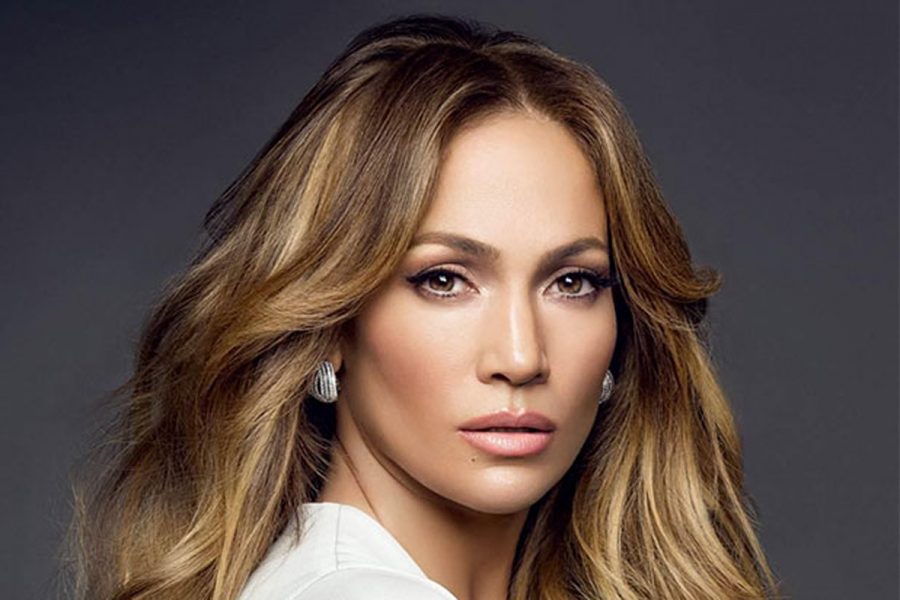
The Evolution of the Brand: From Performer to Business Mogul
The true test of a personal brand is its ability to diversify. Lopez’s heritage influenced not just her music and acting, but also her approach to fashion, fragrance, and skincare.
Beauty, Fashion, and Lifestyle Ventures
The “J.Lo Glow” is perhaps one of the most valuable assets in the beauty industry. When Lopez launched her fragrance line and later JLo Beauty, she didn’t just sell products; she sold a lifestyle rooted in her specific cultural aesthetic. Her heritage—characterized by a focus on family, vibrancy, and a “glow” that celebrated diverse skin tones—became the blueprint for her product development.
Leveraging Heritage in the JLo Beauty Empire
In the competitive skincare market, JLo Beauty focuses heavily on “Old World” beauty secrets, specifically the use of olive oil, which she attributes to her mother and grandmother. By framing her products through the lens of generational heritage, she creates a narrative of timelessness and reliability. This is a classic brand strategy: connecting a modern product to a long-standing cultural tradition to increase its perceived value.
Lessons in Brand Longevity and Pivot Strategies
In the world of branding, relevance is the hardest thing to maintain. Most brands have a life cycle, but Jennifer Lopez has managed to avoid the “decline” phase through strategic pivots that always circle back to her core identity.
Maintaining Relevance Across Three Decades
Lopez has successfully navigated the shift from traditional media to the digital age. She utilizes social media to provide “behind-the-scenes” access to her life, often highlighting her family life and Puerto Rican traditions. This keeps the brand “warm” and accessible. By consistently referencing her heritage, she provides a constant thread of continuity that reassures long-time followers while attracting new ones who value representation and diversity.
The Impact of Representation on Brand Loyalty
One of the most powerful psychological drivers of brand loyalty is “self-congruity”—the idea that consumers buy brands that reflect who they are or who they want to be. For millions of Latinas and women of color, Lopez’s brand is a symbol of success that doesn’t require the abandonment of one’s heritage. This creates a deep-seated emotional connection with the brand that is far more powerful than any traditional advertising campaign. When she performed at the Super Bowl halftime show, draped in a dual-sided flag representing both the United States and Puerto Rico, it was the ultimate brand statement: her heritage is not a footnote; it is the headline.
Conclusion: The Heritage Blueprint
When we analyze the question of Jennifer Lopez’s heritage, we find a blueprint for modern personal branding. Her success is not an accident of talent alone, but a result of the strategic alignment between her cultural identity and her commercial goals.
For brand builders and entrepreneurs, the lessons from the J.Lo empire are clear:
- Authenticity is an Asset: Don’t hide the unique elements of your background; use them to differentiate yourself in a crowded market.
- Anchor Your Brand: Use your “origin story” to maintain trust as you scale and diversify.
- Expand Your Market: Use cultural fluency to bridge gaps between different consumer segments.
- Storytelling over Sales: People don’t buy products; they buy the narrative behind them.
Jennifer Lopez’s Puerto Rican heritage is the “North Star” of her brand. It provides her with a sense of direction, a unique voice, and an unbreakable bond with a global audience. In the world of branding, heritage is not just about where you come from—it’s about the unique value you bring to the table. By embracing her roots, J.Lo didn’t just become a star; she became a legacy brand.
aViewFromTheCave is a participant in the Amazon Services LLC Associates Program, an affiliate advertising program designed to provide a means for sites to earn advertising fees by advertising and linking to Amazon.com. Amazon, the Amazon logo, AmazonSupply, and the AmazonSupply logo are trademarks of Amazon.com, Inc. or its affiliates. As an Amazon Associate we earn affiliate commissions from qualifying purchases.