
In an increasingly digital world, managing personal finances has transcended traditional banking methods, moving towards innovative mobile solutions that offer unparalleled convenience and speed. Among these, Cash App has emerged as a frontrunner, transforming how millions of individuals send, receive, spend, and even invest money. For those looking to streamline their financial interactions, understand the landscape of digital money management, or simply explore a modern alternative to conventional banking, creating a Cash App account is a pivotal first step. This guide delves into the process, illuminating not just the mechanics of setup but also the broader financial implications and opportunities that Cash App unlocks within the personal finance ecosystem.

The Evolution of Personal Finance and Cash App’s Role
The narrative of personal finance has undergone a dramatic transformation in recent years, shifting from branch visits and paper statements to instantaneous digital transactions and comprehensive financial management from the palm of your hand. This paradigm shift has been driven by a confluence of technological advancements and a growing consumer demand for more agile, accessible, and intuitive financial tools.
Embracing Digital Financial Tools
Traditional banking, while still foundational, is increasingly complemented by—and in some cases, challenged by—fintech innovations. Digital financial tools offer advantages like instant transfers, lower fees, greater transparency, and integrated services that go beyond mere transactions. They empower users with real-time insights into their spending, facilitate quick peer-to-peer payments, and even democratize access to investment opportunities that were once the exclusive domain of established financial institutions. The widespread adoption of smartphones has accelerated this trend, making mobile financial applications an indispensable part of modern financial literacy and daily money management.
Cash App as a Modern Financial Ecosystem
Cash App, developed by Block Inc. (formerly Square Inc.), stands out as more than just a payment app; it’s a versatile financial ecosystem designed for the mobile-first generation. It simplifies peer-to-peer money transfers, allowing users to instantly send and receive funds with just a few taps. Beyond this core functionality, Cash App integrates features typically found across multiple financial platforms: a debit card (the Cash Card), direct deposit capabilities, and even micro-investing options for stocks and Bitcoin. This comprehensive suite of services positions Cash App not merely as a transaction facilitator, but as a holistic tool for managing various aspects of one’s personal financial life, from everyday spending to long-term wealth building, all within a single, user-friendly interface. Understanding its multifaceted nature is crucial for appreciating its potential impact on your financial strategy.
Your Essential Guide to Setting Up a Cash App Account
Embarking on your journey with Cash App is a straightforward process, designed to be intuitive even for those new to mobile financial applications. The setup process is intentionally streamlined, prioritizing user experience while adhering to necessary security protocols.
Downloading and Initial Setup: The Gateway to Digital Finance
The first step to accessing Cash App’s financial functionalities is to download the application. It is readily available on both the Apple App Store for iOS devices and the Google Play Store for Android devices. Ensure you are downloading the official application from Square, Inc. to avoid fraudulent imitations.
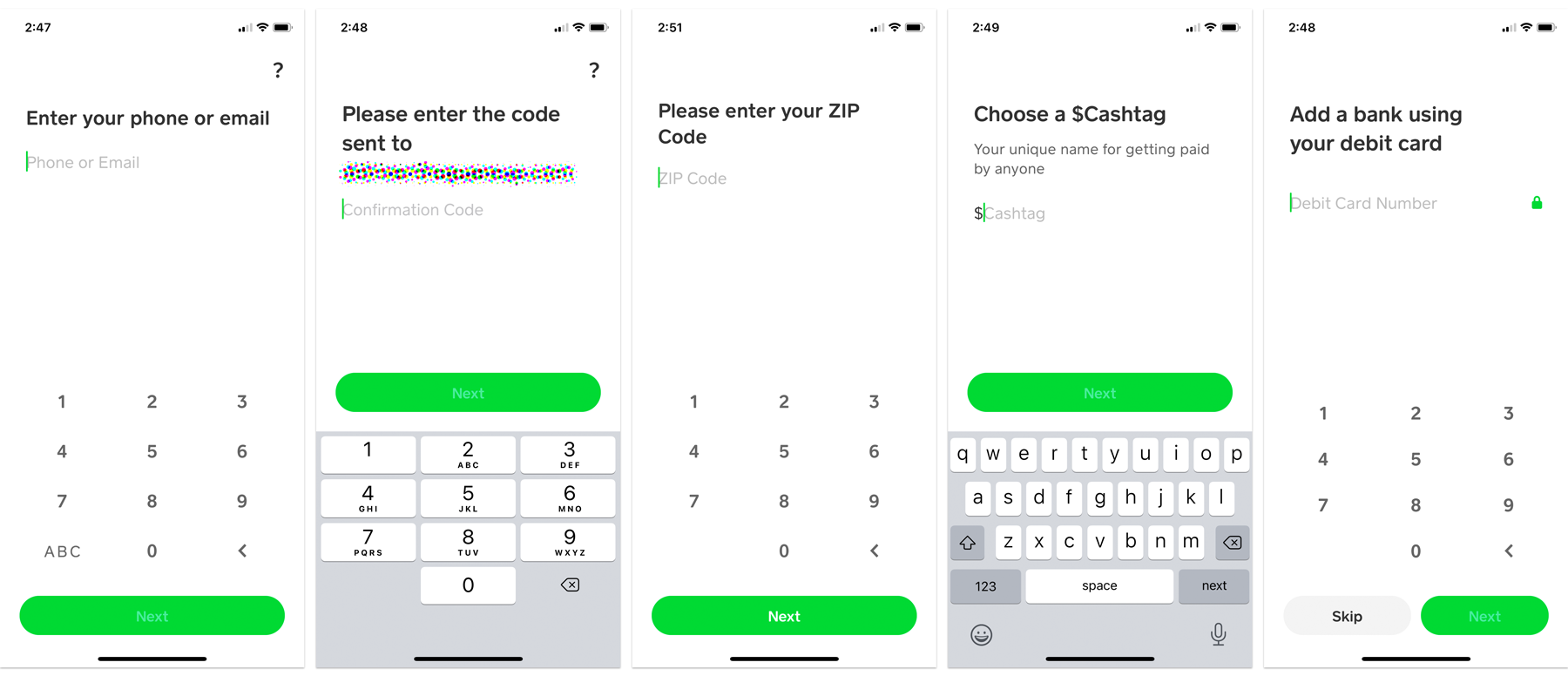
Once downloaded, open the app. You’ll be prompted to enter either your phone number or email address. This initial piece of information serves as your primary identifier within the Cash App system. Choose the option that you prefer for receiving verification codes and notifications. This is the bedrock of your account, linking it directly to your communication channels for security and accessibility.
Securing Your Account: Phone Number and Email Verification
After entering your preferred contact method, Cash App will send a verification code (a one-time passcode, or OTP) to that phone number or email address. This step is critical for confirming your ownership of the contact information and is a fundamental security measure. Retrieve the code and enter it into the app when prompted. This confirms your identity and grants you access to proceed with the account creation.
Next, you’ll be asked to choose a unique Cashtag ($Cashtag). This is your personalized identifier within Cash App, much like a username. It’s how others can find you and send you money without needing your full name, phone number, or email. Your Cashtag will also automatically create a shareable URL (e.g., cash.app/$yourcashtag) that you can use to request payments. Choose something memorable and professional, as this will be your public-facing financial identity within the app. While you can change it later, it’s best to select a suitable one from the start.
Connecting Your Financial Lifeline: Linking a Bank or Debit Card
To fully utilize Cash App – particularly for sending money and adding funds to your balance – you’ll need to link an external financial account. The most common and convenient method is linking a debit card. You’ll be prompted to enter your debit card number, expiration date, CVV, and zip code. This securely connects your bank account to Cash App through your debit card, enabling seamless transfers of funds between the two.
Alternatively, you can link a bank account directly using your bank’s login credentials or by manually entering your account and routing numbers. This process is facilitated by secure third-party financial aggregation services, ensuring your banking information remains encrypted and protected. Linking a bank account is essential for transferring larger sums or for direct deposit features. This connection forms the backbone of your Cash App’s financial utility, allowing money to flow in and out of your digital wallet.
Unlocking Full Potential: Identity Verification for Expanded Features
While you can perform basic transactions like sending and receiving small amounts with just a phone number/email and a linked debit card, Cash App has federal regulatory obligations (Know Your Customer – KYC laws) that require identity verification for expanded financial services. To increase your sending and receiving limits, access features like the Cash Card, direct deposit, stock investing, or Bitcoin trading, you will need to verify your identity.
This typically involves providing your full legal name, date of birth, and the last four digits of your Social Security Number (SSN). In some cases, you might be asked to provide your full SSN or even upload a photo of a government-issued ID. This information is securely transmitted and used to confirm your identity, mitigating fraud and ensuring compliance with financial regulations. While this step might seem intrusive, it is a standard practice across regulated financial institutions and is crucial for unlocking the full breadth of Cash App’s financial ecosystem, transforming it from a simple peer-to-peer tool into a comprehensive personal finance platform.
Maximizing Your Financial Utility with Cash App
Once your Cash App account is set up and, ideally, fully verified, you gain access to a powerful suite of financial tools designed to simplify and enhance your money management. Moving beyond basic transactions, Cash App empowers users with diverse capabilities that integrate seamlessly into their daily financial lives.

Seamless Money Transfers: Peer-to-Peer Payments
At its core, Cash App excels in peer-to-peer (P2P) payments. This feature allows you to send and receive money instantly from friends, family, or colleagues with ease. Whether you’re splitting a restaurant bill, sending rent money, or paying back a loan, the process is swift and convenient. You simply enter the recipient’s Cashtag, phone number, or email, input the amount, and confirm the transaction. Funds are typically available immediately in the recipient’s Cash App balance, which can then be spent using the Cash Card or transferred to a linked bank account. This immediacy is a significant advantage over traditional bank transfers, which can take days to clear.
The Cash Card: A Debit Card for Digital Assets
The Cash Card is a free, customizable debit card linked directly to your Cash App balance. Once ordered and activated (which requires identity verification), it functions like any standard Visa debit card. You can use it for purchases online or in physical stores, withdraw cash from ATMs (though fees may apply), and manage all transactions directly within the app. The Cash Card is not just a payment method; it’s a tangible link between your digital Cash App funds and the broader financial world, offering flexibility and accessibility to your money even without a traditional bank account. Its unique “Boosts” feature also provides instant discounts at select merchants, adding a valuable savings component to your everyday spending.
Diversifying Your Portfolio: Investing in Stocks and Bitcoin
One of Cash App’s most innovative features is its integration of micro-investing. Users can buy and sell fractional shares of stocks and exchange Bitcoin directly within the app, starting with as little as $1. This democratizes access to investment markets, allowing individuals with limited capital to begin building a diversified portfolio. For personal finance enthusiasts, this means Cash App transcends mere transactional utility, offering a direct pathway to participate in wealth creation strategies that were once perceived as complex or inaccessible. It provides a simple, low-barrier entry point into understanding market dynamics and long-term investment principles, directly from a platform already used for daily financial tasks.
Streamlining Income: Direct Deposit Functionality
Cash App also offers direct deposit capabilities, providing users with a unique routing and account number. This allows employers, government agencies, or other payers to directly deposit paychecks, benefits, or tax refunds into your Cash App balance. This feature is particularly beneficial for those who may not have a traditional bank account, providing a reliable and quick method for receiving income. For those with existing bank accounts, it offers an alternative or supplementary option for managing income streams, enabling faster access to funds and easier integration with Cash App’s spending and investing features. This integration positions Cash App as a more comprehensive financial hub, handling both inflows and outflows of personal income.
Safeguarding Your Digital Wallet: Security and Best Practices
While the convenience of mobile financial tools like Cash App is undeniable, understanding and implementing robust security measures is paramount. Protecting your digital wallet is a shared responsibility, with Cash App providing foundational security and users playing a critical role in maintaining account integrity.
Understanding Cash App’s Security Measures
Cash App employs several layers of security to protect user information and funds. These include data encryption for all transactions, secure server infrastructure, and fraud detection systems that monitor for suspicious activity. Identity verification (KYC) requirements, as discussed earlier, are also a crucial security measure, ensuring that accounts are linked to legitimate individuals and helping prevent illicit financial activities. Furthermore, Cash App offers PIN lock, fingerprint ID, or Face ID authentication for accessing the app, adding another barrier against unauthorized access to your funds.
Proactive Steps for Personal Account Protection
While Cash App provides robust security, individual vigilance is crucial. Always use a strong, unique password for your linked email account and ensure your phone’s screen lock is enabled. Be wary of logging into your Cash App account on public Wi-Fi networks, as these can be vulnerable to data breaches. Regularly review your transaction history for any unauthorized activity and enable notifications to be alerted of all account movements. Never share your login credentials, PIN, or verification codes with anyone, regardless of who they claim to be. Remember, Cash App support will never ask for your PIN or full login information.
Recognizing and Avoiding Financial Scams
The popularity of Cash App unfortunately makes it a target for various scams. Common tactics include “cash flipping” schemes, fake customer support calls, phishing emails or texts, and imposter scams where individuals pretend to be a friend or family member in distress. Be highly suspicious of any unsolicited requests for money, promises of unrealistic returns, or demands for immediate payment, especially if they involve gift cards or cryptocurrency. Always verify the identity of the sender or recipient before approving transactions. If something feels off, err on the side of caution. Report suspicious activity to Cash App support immediately and educate yourself on common scam tactics to protect your financial well-being.
Beyond Transactions: Integrating Cash App into Your Financial Strategy
Beyond its core functionalities, Cash App can be strategically integrated into a broader personal finance framework, acting as a dynamic tool for both daily money management and long-term financial growth. Its features, when used thoughtfully, can contribute significantly to better financial discipline and opportunity.
Managing Daily Spending and Budgeting
For many, Cash App can serve as a primary spending account. By directing a portion of your income via direct deposit to Cash App, you can allocate specific funds for daily expenses. The app’s intuitive interface allows for easy tracking of transactions, offering a real-time view of your spending habits. This can complement a larger budgeting strategy, helping you to stick to spending limits for certain categories. The Cash Card, with its instant transaction notifications, acts as a continuous ledger of your outgoing funds, making it easier to monitor where your money is going and adjust your habits as needed.
Leveraging Boosts for Savings
The “Boosts” feature on the Cash Card provides instant discounts or cashback at various merchants. While seemingly small on an individual basis, strategically utilizing these boosts can accumulate into significant savings over time. By consciously choosing merchants with active boosts for everyday purchases like coffee, groceries, or gas, users can effectively reduce their overall spending without altering their habits drastically. This passive saving mechanism is a unique advantage of Cash App, adding an intelligent layer to routine financial decisions that directly impacts your bottom line.
The Future of Mobile-First Finance
Cash App represents a significant stride in the evolution of mobile-first finance, demonstrating how technology can empower individuals to take greater control of their money. Its continued expansion into areas like investing and tax filing (through its sister service, Cash App Taxes) signals a future where a single app could potentially manage nearly every aspect of one’s personal financial life. For individuals seeking agility, simplicity, and integrated financial services, understanding and effectively utilizing platforms like Cash App is no longer just a convenience, but an increasingly vital component of navigating the modern financial landscape and achieving financial goals. As digital currencies and decentralized finance continue to emerge, Cash App’s role as an accessible gateway to these innovations will likely only grow in significance.
aViewFromTheCave is a participant in the Amazon Services LLC Associates Program, an affiliate advertising program designed to provide a means for sites to earn advertising fees by advertising and linking to Amazon.com. Amazon, the Amazon logo, AmazonSupply, and the AmazonSupply logo are trademarks of Amazon.com, Inc. or its affiliates. As an Amazon Associate we earn affiliate commissions from qualifying purchases.