
The pursuit of financial independence is often framed as a race to accumulate assets. We obsess over investment portfolios, high-yield savings accounts, and tax-advantaged retirement vehicles. However, there is a silent, systemic risk that can derail even the most meticulously crafted financial plan: the cost of chronic health conditions. High blood pressure, often termed the “silent killer,” is not merely a medical concern; it is a significant financial liability. By proactively managing your vascular health, you are essentially engaging in high-level risk management that protects your greatest income-generating asset: yourself.
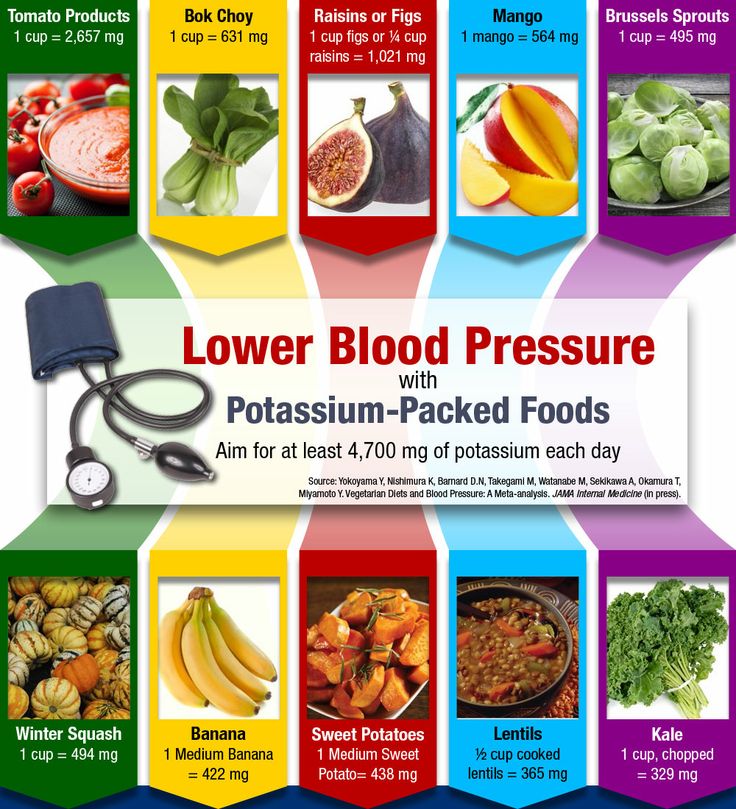
The Cost of Neglect: Viewing Health as a Financial Asset
In the world of personal finance, we talk extensively about the return on investment (ROI) of a college degree, a real estate purchase, or a diversified stock portfolio. Yet, we rarely calculate the “cost of inaction” regarding our physiology. High blood pressure acts as a drag on your net worth in ways that are both direct and indirect.
Medical Expenses and the Inflation of Healthcare Costs
When you view health through the lens of a balance sheet, chronic hypertension is a high-interest debt that compounds over time. The costs associated with long-term medication, regular specialist consultations, diagnostic testing, and the potential for acute cardiac events represent a significant outflow of capital. As healthcare inflation consistently outpaces general CPI (Consumer Price Index) inflation, relying on reactive medical care is a losing financial strategy. Preventive maintenance of your physical health is, by extension, an essential hedge against future medical bankruptcy and the erosion of your retirement nest egg.
The Impact on Human Capital and Earning Potential
Your ability to earn income is the engine of your financial plan. High blood pressure—and the subsequent fatigue, focus issues, and health complications associated with it—can compromise your peak earning years. Whether you are an entrepreneur building a business or an employee climbing the corporate ladder, vascular health is directly correlated with cognitive performance and stamina. By treating blood pressure management as a productivity tool, you are effectively optimizing your human capital, allowing for longer, more robust periods of high-impact work.
Strategic Capital Allocation for Physical Wellness
Just as you diversify your investment portfolio to mitigate risk, you must diversify your approach to lowering blood pressure. Treating this as a strategic initiative requires the same rigor you would apply to an asset allocation strategy.
The ROI of Nutritional Investment
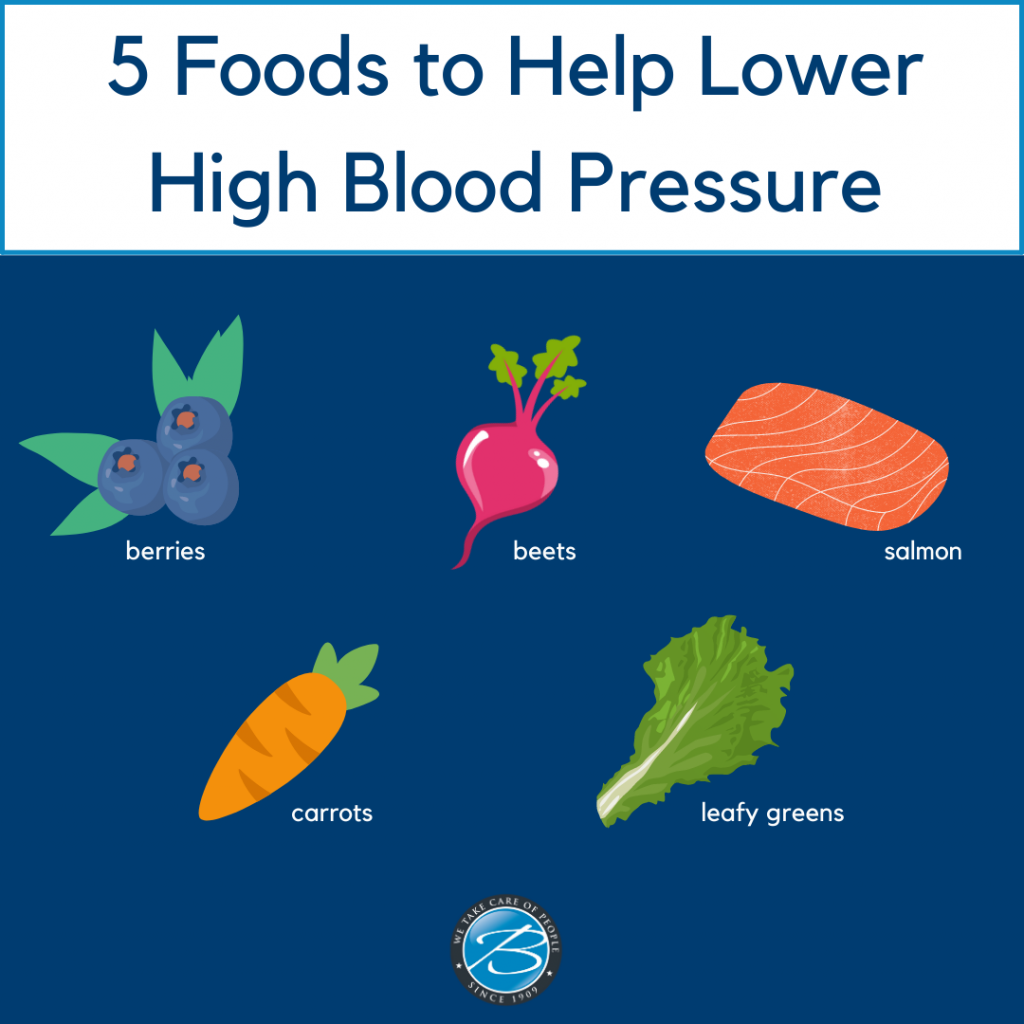
Dietary choices are the most frequent financial transactions you make. Redirecting funds from processed, convenience-heavy foods toward nutrient-dense, whole-food alternatives is a classic example of “spending to save.” Investing in fresh produce, lean proteins, and heart-healthy fats reduces systemic inflammation. From a financial perspective, consider this an allocation shift: you are moving money from a depreciating asset (fast food/processed items) to a value-added asset (long-term longevity).
Outsourcing and Automation: The Role of Fitness
Time is our most finite currency. Many professionals struggle to incorporate physical activity because they view it as a competing priority against their professional duties. However, viewing exercise as a mandatory “fixed cost” in your schedule is the only way to ensure compliance. Just as you automate your savings and investments to ensure they happen consistently, you must automate your physical activity. Whether this involves hiring a personal trainer to ensure accountability or investing in home gym equipment to eliminate the friction of travel time, these are capital expenditures designed to secure the longevity of your primary asset.
Risk Management: Mitigating the Volatility of Stress
Financial markets are volatile, and the professional lives we lead often mirror that volatility. High stress levels act as a stimulant for blood pressure, creating a feedback loop that undermines both mental clarity and vascular health. Integrating stress-mitigation techniques is not just a self-care luxury; it is a form of professional risk management.
The Value of “Time-Off” as a Financial Hedge
Overworking—often glorified in “hustle culture”—is frequently a form of borrowing against future health. Taking consistent, restorative time off is the physiological equivalent of a market correction. It allows your nervous system to reset, naturally lowering cortisol and helping to regulate blood pressure. If you do not schedule rest, your body will eventually schedule it for you through illness, which is often far more expensive and disruptive to your career trajectory.
Implementing Mindfulness for Long-Term Decision Making
Mindfulness and meditation are often misunderstood as esoteric practices. In a professional context, they are tools for emotional regulation. High blood pressure is often exacerbated by reactive, high-stress decision-making. By cultivating a practice that lowers your baseline stress response, you improve the quality of your decision-making. Investors and business leaders who remain calm under pressure are consistently more successful than those who allow external volatility to spike their internal metrics.
The Compound Interest of Consistent Habits
The most successful financial strategies are built on the principle of compound interest—small, consistent actions that yield exponential results over decades. Managing blood pressure follows the exact same logic.
Incremental Adjustments vs. Radical Overhauls
Many people fail to lower their blood pressure because they attempt to change their entire lifestyle overnight, leading to burnout and abandonment of the goal. The financially literate individual knows that consistency beats intensity. Instead of an unsustainable crash diet, focus on incremental reductions in sodium intake or the gradual addition of daily walks. These small, sustainable changes accumulate, creating a massive shift in health outcomes over a five-to-ten-year horizon.
Monitoring Your Key Performance Indicators (KPIs)
In business, you cannot manage what you do not measure. If you are not tracking your blood pressure, you are effectively operating a business without financial statements. Utilizing digital health tools, such as home blood pressure monitors and health-tracking apps, allows you to observe trends, correlate them with your lifestyle habits, and make data-driven adjustments. This objective approach removes the emotional friction from health management, turning the process into a project of optimization rather than a chore of medical compliance.

Securing Your Financial Future Through Longevity
Ultimately, the goal of accumulating wealth is to afford the freedom to enjoy your life. If your health is compromised, that freedom is curtailed. By applying the principles of financial discipline—strategic asset allocation, risk mitigation, and the power of compounding—to your vascular health, you ensure that you are not only wealthy but also healthy enough to enjoy the fruits of your labor.
Lowering your blood pressure is the ultimate high-yield investment. It pays dividends in the form of increased energy, extended earning years, reduced medical overhead, and the profound peace of mind that comes from knowing you have secured your foundation. When you prioritize your heart health, you are not just living longer; you are securing the longevity of your financial legacy. Treat your vascular system with the same reverence you treat your portfolio, and the results will compound for a lifetime.
aViewFromTheCave is a participant in the Amazon Services LLC Associates Program, an affiliate advertising program designed to provide a means for sites to earn advertising fees by advertising and linking to Amazon.com. Amazon, the Amazon logo, AmazonSupply, and the AmazonSupply logo are trademarks of Amazon.com, Inc. or its affiliates. As an Amazon Associate we earn affiliate commissions from qualifying purchases.