
When investing in your personal brand, your physical presence is often the first asset people encounter. For professionals, entrepreneurs, and public figures, the appearance of skin—including the visibility of scars—can influence self-confidence and, by extension, the perceived authority of their brand. While scars are natural remnants of the body’s healing process, managing their appearance is a legitimate component of personal maintenance. In the realm of brand strategy, presentation matters; understanding how to effectively mitigate the visibility of scars is as much about psychological confidence as it is about aesthetic refinement.
The Science of Scar Management and Skin Recovery
To effectively minimize the appearance of scars, one must first understand the biological mechanism of skin repair. When the dermis—the thick layer of tissue below the epidermis—is damaged, the body produces collagen fibers to repair the wound. This rapid production often results in tissue that looks different in texture and color than the surrounding skin. From a strategic standpoint, “getting rid of” a scar is rarely about erasing it entirely, but rather optimizing the healing environment so the new tissue integrates seamlessly with the surrounding skin.
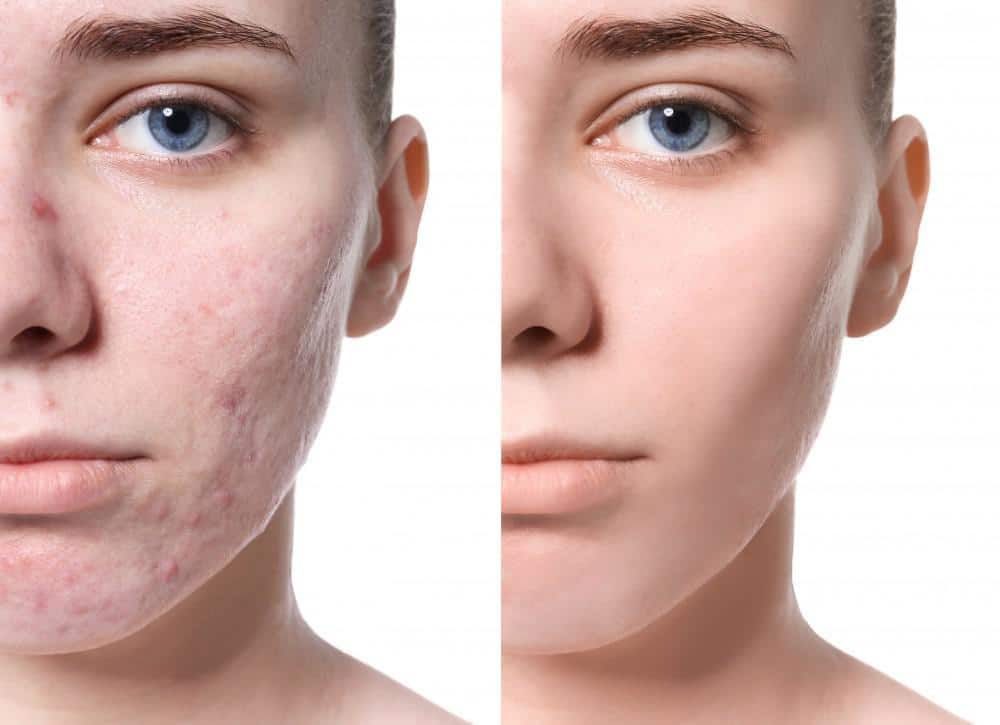
The Role of Hydration and Silicone Therapy
The gold standard in clinical scar management is the use of medical-grade silicone. Silicone sheets and gels have been shown in numerous dermatological studies to create a hydrated, occlusive environment that prevents excessive collagen production. For the busy professional, silicone gel is often the preferred choice; it is invisible once dry, allowing for a seamless integration into a daily morning routine. By keeping the scar hydrated, the tissue remains pliable and less prone to the hypertrophy—or raised thickness—that makes scars noticeable.
Sun Protection as a Brand Preservation Strategy
If you are serious about minimizing the visibility of any skin marking, sun protection is non-negotiable. Ultraviolet radiation triggers melanin production in fresh scar tissue, which can cause the area to darken significantly compared to the rest of the skin. This hyperpigmentation makes the scar stand out, creating a permanent visual distraction. Incorporating a broad-spectrum, high-SPF sunscreen into your daily regimen is not merely a health choice; it is a strategic maneuver to ensure your skin remains uniform, supporting a polished and professional aesthetic.
Advanced Aesthetic Interventions
While topical treatments provide a foundation for care, modern technology has introduced sophisticated methods for scar revision. For individuals whose personal branding requires a pristine appearance, professional interventions often yield the most dramatic results. These procedures should be viewed as investments in one’s personal image, akin to professional photography or high-quality wardrobe curation.
Fractional Laser Resurfacing
Laser technology has revolutionized the way we address textural irregularities. Fractional laser treatments work by creating microscopic channels in the skin, which stimulates the body’s natural wound-healing response and triggers the production of new, healthy collagen. Unlike older laser techniques that removed the entire top layer of skin, fractional lasers leave the surrounding tissue intact, allowing for faster recovery times. This makes it a viable option for those who cannot afford extensive downtime but are looking for significant improvements in scar texture and color.
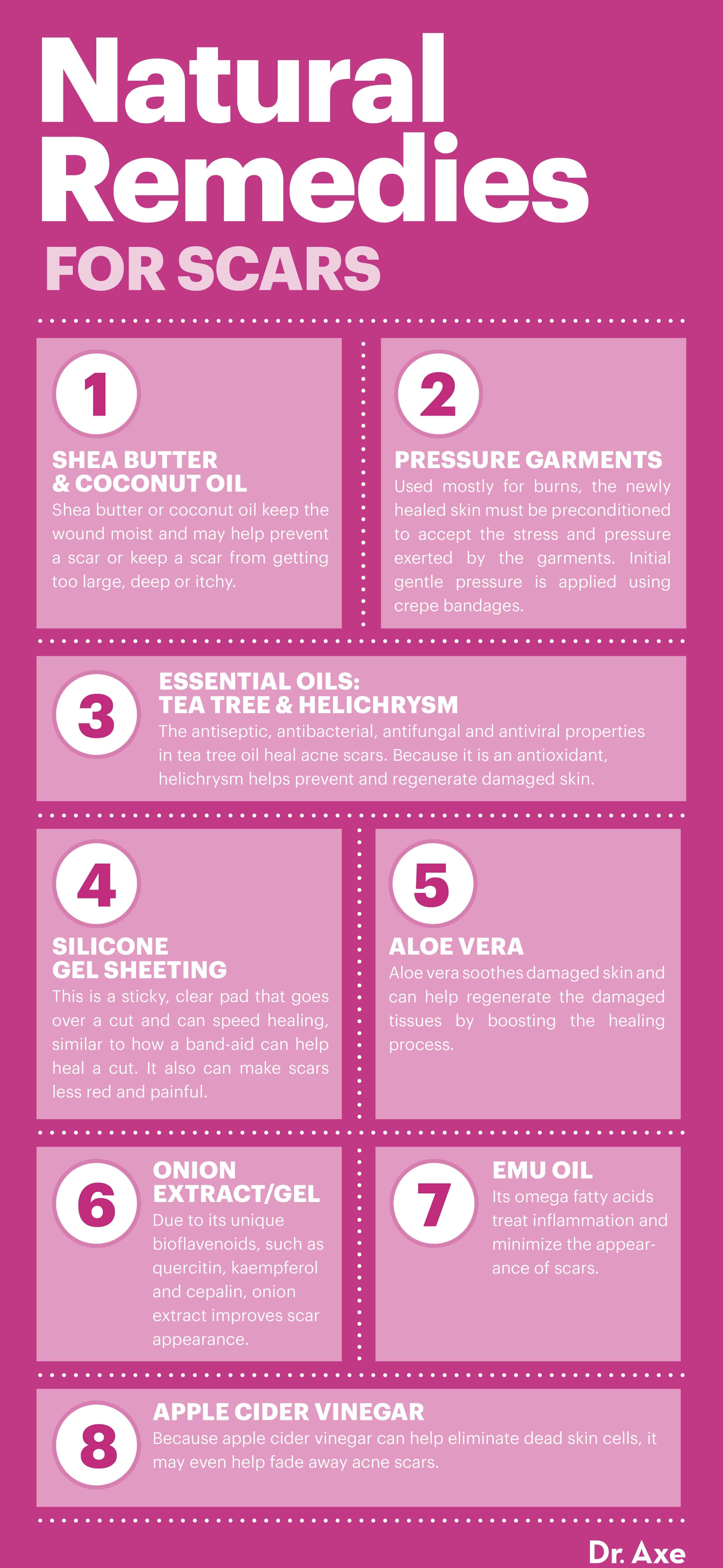
Microneedling and Collagen Induction
Microneedling, or collagen induction therapy, is another powerful tool. By using fine needles to create controlled micro-injuries, this procedure forces the skin to remodel itself. For scars, this process is particularly effective because it encourages the skin to “re-fill” indentations—common with acne or surgical scars—with new, healthy tissue. When paired with high-quality serums containing growth factors or hyaluronic acid, the results can be transformative. It is a strategic approach that treats the skin’s structure at a cellular level, providing a more refined texture that projects professionalism and health.
Lifestyle Habits for Optimal Skin Regeneration
In branding, consistency is the bedrock of success. The same principle applies to skin health. No amount of expensive topical treatment or professional procedures will yield long-term results if the body is not supported from the inside out. Your skin is the largest organ of your body, and it reflects your overall systemic health. To ensure scars fade effectively, one must look at the lifestyle habits that facilitate optimal cellular turnover.
Nutritional Support for Collagen Synthesis
Collagen is the primary structural protein in the skin. To optimize the healing of a scar, your body requires the right “raw materials.” This includes a diet rich in Vitamin C, which is essential for collagen synthesis, and zinc, which plays a critical role in cellular repair and immune function. Hydration is equally vital; well-hydrated skin cells are more resilient and recover faster from trauma. Treating your body as a high-performance vehicle—fueling it with antioxidants and essential minerals—is a fundamental aspect of maintaining an appearance that aligns with your professional aspirations.
The Impact of Stress Management on Skin Integrity
It is well-documented that chronic stress can impede the body’s natural healing processes. Elevated cortisol levels can lead to systemic inflammation, which can exacerbate the appearance of scars and hinder the skin’s ability to recover from minor injuries. For the high-performing individual, managing stress isn’t just about mental clarity; it is a vital skin-care strategy. Incorporating mindfulness, adequate sleep, and physical activity into your routine helps regulate inflammatory responses, ensuring that when your body is tasked with repairing skin tissue, it does so with maximum efficiency.
Integrating Scar Management into Your Personal Image Strategy
Your appearance is a component of your personal brand equity. Whether you are leading a team, pitching to investors, or networking at a high-level conference, the way you present yourself serves as a signal to others. Choosing to manage the appearance of scars—and choosing to do so with care and professionalism—is a reflection of your attention to detail.
The Power of Acceptance and Refinement
It is important to strike a balance between improvement and acceptance. Strategic self-improvement is about enhancing your natural assets and refining the areas that may cause you undue distraction. Once you have implemented a routine of silicone therapy, sun protection, and potentially professional interventions, the goal is to shift your focus back to your core objectives. A scar should never be a source of shame or a barrier to your professional confidence. By taking control of the healing process, you reclaim the narrative, shifting from a position of passive concern to one of active management.
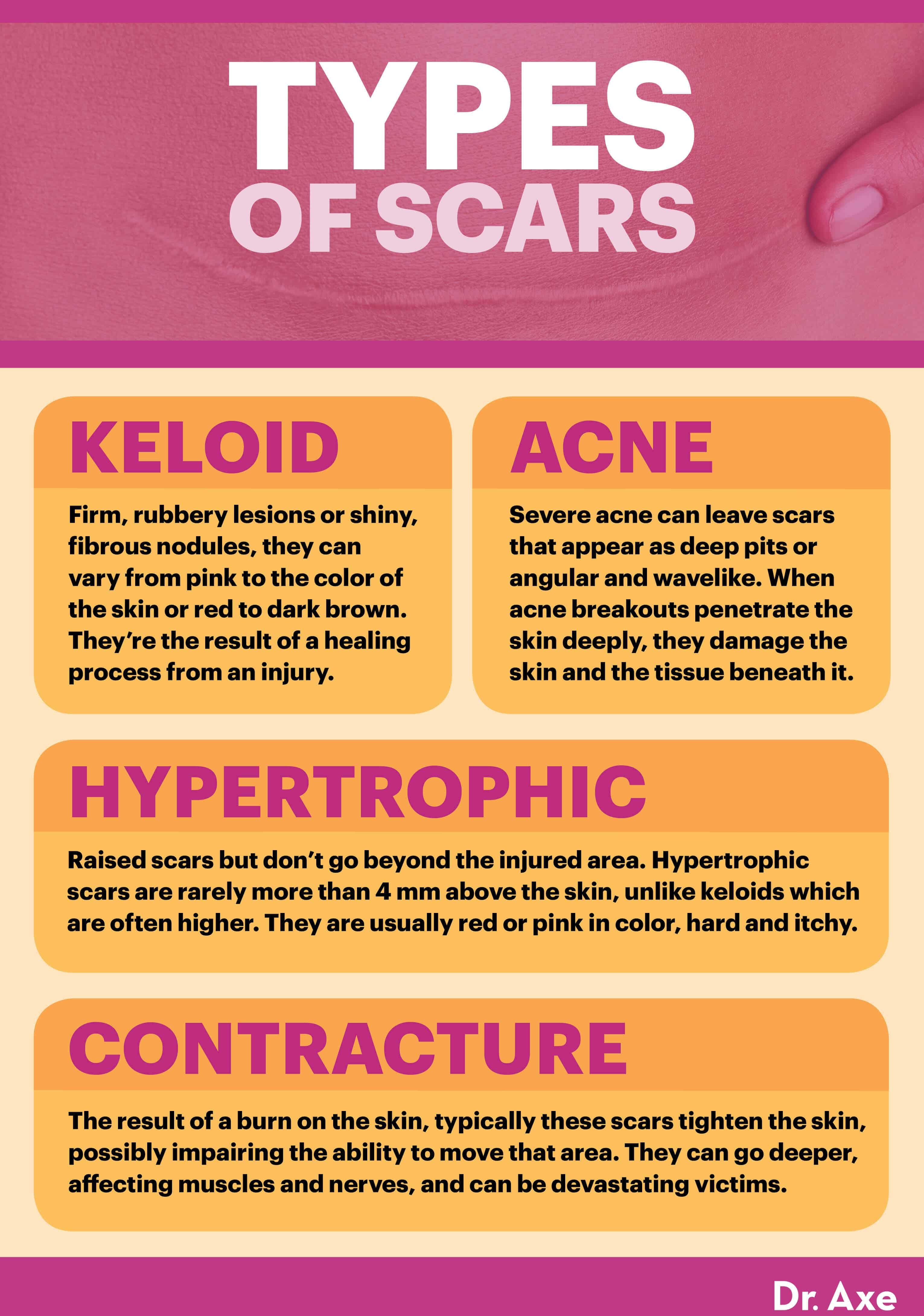
Final Considerations for Long-Term Results
True improvement in the appearance of scars is a marathon, not a sprint. The skin regenerates slowly, and the most successful outcomes are achieved through consistent, daily attention over several months. Whether you are using a simple silicone gel or undergoing a series of laser treatments, maintain a long-term perspective. Evaluate your progress through the lens of incremental improvement. When you align your skin-care habits with your broader professional standards, you not only improve your appearance but also reinforce a disciplined, success-oriented mindset. By treating your skin with the same rigor you apply to your professional strategies, you ensure that your physical presence remains a consistent, polished asset in your personal branding arsenal.
aViewFromTheCave is a participant in the Amazon Services LLC Associates Program, an affiliate advertising program designed to provide a means for sites to earn advertising fees by advertising and linking to Amazon.com. Amazon, the Amazon logo, AmazonSupply, and the AmazonSupply logo are trademarks of Amazon.com, Inc. or its affiliates. As an Amazon Associate we earn affiliate commissions from qualifying purchases.