
The seemingly simple task of installing a mailbox carries more regulatory weight than many homeowners realize. While it may appear to be a matter of personal preference or aesthetic choice, the placement of your mailbox is governed by strict United States Postal Service (USPS) guidelines. Ensuring your mailbox is at the correct height is not merely a bureaucratic hurdle; it is a critical component of efficient mail delivery, postal worker safety, and the overall maintenance of your residential property’s curb appeal. Whether you are replacing an aging post or installing a new unit for a custom home, understanding these standards is essential for every homeowner.
Understanding USPS Regulatory Standards for Mailbox Placement
The USPS maintains a standardized set of rules to ensure that mail carriers can deliver letters and packages safely and efficiently without exiting their vehicles. Deviating from these standards can lead to delivery suspension, forcing homeowners to retrieve their mail from a local post office until the issue is rectified.
The Standard Height Requirement
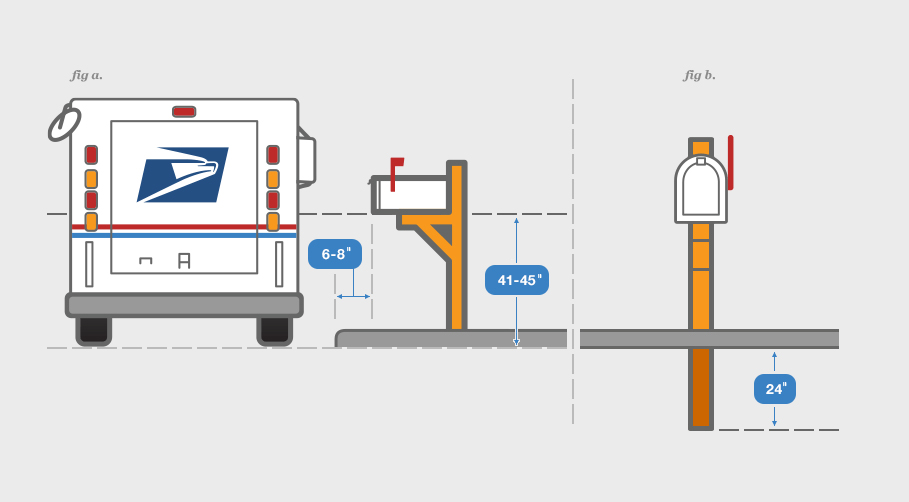
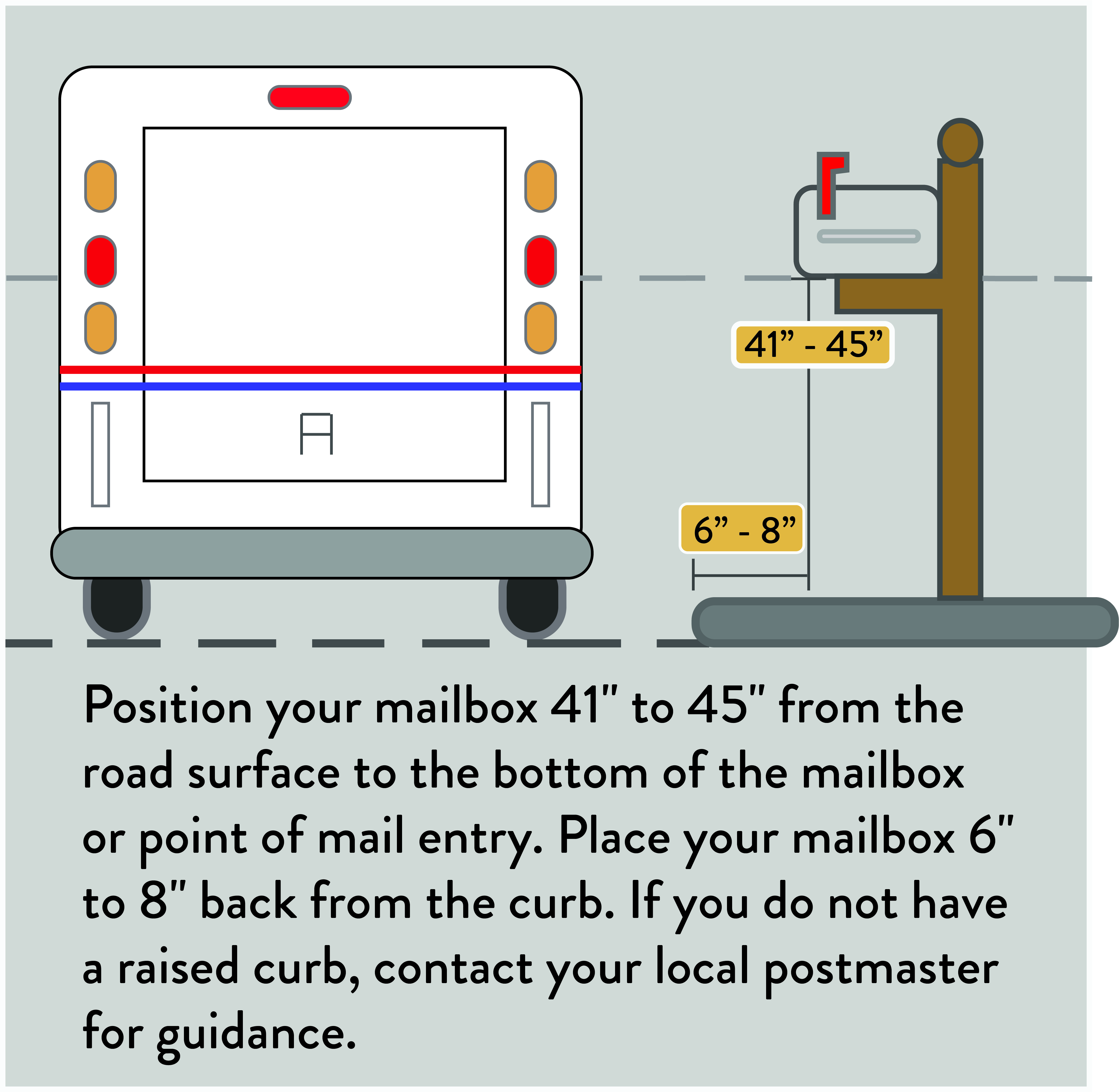
According to the official USPS guidelines, the bottom of the mailbox or the point of entry for mail must be positioned between 41 and 45 inches from the surface of the road. This measurement is calculated from the finished road surface (the asphalt or concrete of the street) up to the bottom of the mailbox floor.
The range provided allows for minor variations in driveway slope and road conditions, but it is a rigid federal standard. If your mailbox is too low, the carrier must physically lean out of the vehicle, increasing the risk of shoulder and back strain. If it is too high, the carrier may struggle to reach the opening, leading to frustration and potential damage to the unit.
Horizontal Placement and Offset
Height is only one half of the equation; the horizontal distance from the road is equally important. The face of the mailbox should be set back between 6 and 8 inches from the edge of the curb or the shoulder of the road. This distance prevents the mailbox from being struck by the side mirrors of passing vehicles or the equipment used by city street sweepers and snowplows. By adhering to these dimensions, you ensure that your mailbox remains a permanent fixture of your home rather than a casualty of routine neighborhood traffic.
Design and Aesthetic Considerations for Modern Mailboxes
While postal regulations dictate the placement, they do not necessarily dictate the design of your mailbox unit. Today, homeowners treat the mailbox as an extension of their home’s architectural style. Integrating a functional, compliant unit into your landscaping plan requires a balance between strict utility and design-forward choices.
Balancing Form and Function
The “post and box” combination is the most common residential configuration, but there is immense room for personalization within the 41-to-45-inch height mandate. For instance, mounting a sleek, modern, mid-century mailbox on a natural wood post can elevate the look of your front yard. Alternatively, a classic wrought-iron structure can add a touch of traditional elegance.
Regardless of the material chosen, the internal structure must be reinforced to ensure that the height remains consistent over time. Frost heaves in colder climates and shifting soil in softer terrains can cause posts to lean or sink. Using a concrete footing for your post is highly recommended. By setting the post deep into the ground with high-quality concrete, you prevent the seasonal movement that could push your mailbox out of the mandated 41-to-45-inch range.

Materials and Durability
Since your mailbox will be exposed to the elements 365 days a year, the material selection is vital. Stainless steel, heavy-duty aluminum, and treated cedar are popular choices. When selecting your unit, consider the local climate. If you live in an area with high moisture, avoid materials that corrode easily. If you live in a region with heavy snowfall, ensure your post is sturdy enough to withstand the “snow throw” from passing plows. A mailbox that is at the correct height but lacks structural integrity will quickly become a liability, requiring frequent repairs that can be costly and time-consuming.
Maintenance and the “Check-Up” Schedule
Installation is not the end of the process. Over time, environmental factors can compromise the stability and height of your mailbox. Establishing a routine maintenance schedule ensures that your mail service remains uninterrupted and that your investment is protected.
Seasonal Inspections
Each spring, homeowners should conduct a “Mailbox Health Check.” After the ground has thawed, check the verticality of your post. If the post has shifted, a quick realignment and packing of the soil at the base might be necessary. More importantly, measure the distance from the road surface to the bottom of the box. If it has dipped below 41 inches due to ground settling, you may need to raise the box on its mount or adjust the height of the mounting bracket.
Addressing Structural Damage
If a mailbox is struck by a vehicle or damaged by severe weather, it is often tempting to perform a “quick fix” by simply duct-taping the unit back together or propping it up with temporary materials. However, the USPS often requires that mailboxes be kept in a condition that is clean, accessible, and safe. A mangled or leaning mailbox can be viewed as an obstruction or a sign of neglect.
When replacing parts, always prioritize hardware that is rust-resistant. Stainless steel screws and bolts are preferred over standard zinc-plated options, which can rust within a single season. If you are upgrading your mailbox, verify the weight of the new unit. Heavier steel boxes may require a more robust post than lightweight plastic alternatives to prevent the assembly from drooping over time.
Navigating HOA and Local Municipal Regulations
While the USPS sets the federal floor for mailbox standards, local jurisdictions and Homeowners Associations (HOAs) often impose additional layers of regulation. Before beginning any installation or significant modification, it is prudent to review local bylaws.
Understanding HOA Covenants
Many planned communities have specific design standards for mailboxes to ensure visual uniformity throughout the neighborhood. Your HOA may dictate the exact color, material, and style of the mailbox unit allowed. In some cases, the association provides a preferred vendor or a standard model that must be used. While these rules may feel restrictive, they serve to preserve property values and ensure a cohesive aesthetic. When working within an HOA, ensure that the “standard” model they provide also aligns with the 41-to-45-inch federal height requirement. If you find a discrepancy, communicate with your HOA board; federal postal regulations take precedence, but a polite inquiry can resolve potential conflicts before the post is anchored in concrete.
Safety and Visibility Standards
Beyond height and placement, visibility is a key safety factor. Reflective tape or address numbers that are clearly visible from both directions of traffic help your postal carrier identify your address quickly, which is especially important during inclement weather or at night. Furthermore, if your mailbox is located on a busy road, consider the safety of the carrier. If the area in front of your mailbox is prone to parking or is blocked by trash cans, your delivery may be skipped. Keep the area clear to ensure your mailbox serves its purpose as an effective conduit for your mail.
By treating the installation and maintenance of your mailbox as a professional property improvement project, you not only comply with essential regulations but also enhance the functionality of your home’s perimeter. Precision in measurements, quality in materials, and diligence in maintenance are the three pillars of a mailbox installation that stands the test of time.
aViewFromTheCave is a participant in the Amazon Services LLC Associates Program, an affiliate advertising program designed to provide a means for sites to earn advertising fees by advertising and linking to Amazon.com. Amazon, the Amazon logo, AmazonSupply, and the AmazonSupply logo are trademarks of Amazon.com, Inc. or its affiliates. As an Amazon Associate we earn affiliate commissions from qualifying purchases.