
Choosing the right seating for your kitchen island or breakfast bar is a fundamental aspect of interior design, yet it is one that often falls victim to poor planning. In the realm of home design and branding, your furniture choices act as a reflection of your commitment to functionality and aesthetic harmony. When a home is staged—whether for a personal sanctuary or as part of a high-end property sale—every element must align to create a seamless user experience. Understanding the ergonomics of counter height seating is not just about home improvement; it is about mastering the “design-to-human” interaction that defines a well-curated space.
The Standard Ergonomics of Counter Height Seating
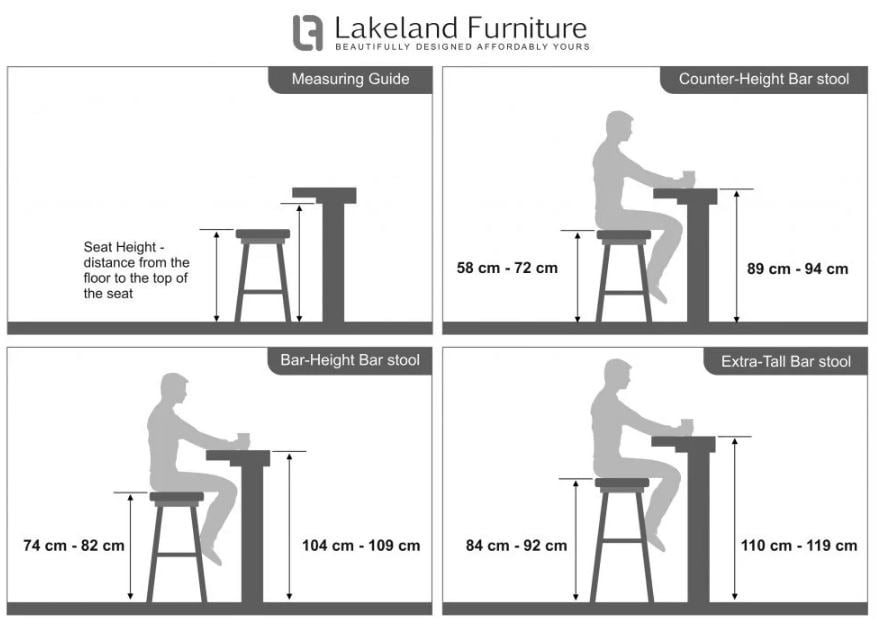
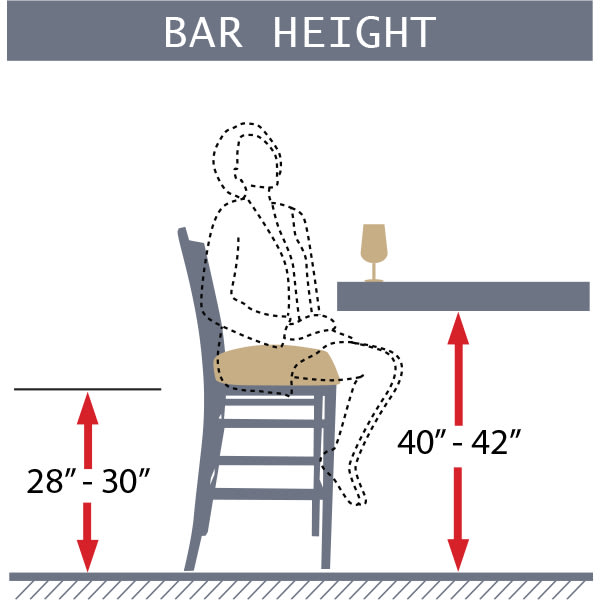
The primary reason many homeowners struggle with stool selection is a misunderstanding of what “counter height” actually entails. In residential design, there is a distinct difference between counter height and bar height. Failing to distinguish between these two can lead to a disjointed look and, more importantly, an uncomfortable sitting position.
Defining Counter Height Dimensions
A standard kitchen countertop sits at approximately 36 inches from the floor. This measurement is consistent across most modern kitchen designs, as it aligns with the standard height of base cabinets. To achieve the perfect level of comfort, your stools should have a seat height between 24 and 26 inches.
This 10-to-12-inch gap between the seat and the countertop is the “golden ratio” of kitchen seating. It provides enough space for your legs to move comfortably under the counter while ensuring you are not hunched over or straining your neck to reach your workspace or dining plate. When you choose stools that fall within this range, you are prioritizing the “user journey” within the kitchen, ensuring that the space remains a functional extension of your lifestyle rather than an uncomfortable afterthought.
The Importance of the “Drop”
When assessing furniture for your home, consider the “drop”—the clearance between the top of the seat and the underside of the counter. If your counter has a thick apron or an edge profile, you must account for that in your measurements. If your counter is unusually thick, you may need to lean toward a 24-inch stool to prevent your knees from knocking against the underside. Conversely, if your island has a minimal profile, a 26-inch stool might feel perfectly proportionate. Precision in these dimensions signals a level of design sophistication that elevates the entire room’s profile.
Aesthetic Integration and Brand Consistency in Design
Your home is a physical manifestation of your personal brand. Just as a corporation maintains a brand style guide to ensure consistency across all touchpoints, your furniture choices should reflect a coherent design language. When you select stools for a counter-height island, you are making a statement about your taste and your prioritization of form versus function.
Choosing Styles That Complement Your Architecture
The aesthetic of your stool should align with the architectural “brand” of your kitchen. If your kitchen features clean, minimalist lines and high-end integrated appliances, selecting an ornate, oversized stool would create a visual clash. Instead, look for low-profile, sleek stools that maintain the sightlines of the room.
If you are aiming for a traditional or “farmhouse” aesthetic, look for materials that warm up the room, such as weathered woods or upholstered seats with neutral, textured fabrics. From a design perspective, your bar stool should never be the focal point unless it is an intentionally curated statement piece. It should act as a supporting element that reinforces the overarching theme of your kitchen design.

Materiality and Longevity
In professional branding, materials matter. The same applies to your furniture. High-traffic areas like the kitchen require materials that can withstand daily use while maintaining their visual appeal. When selecting your stools, consider the “maintenance cost” of your design. Leather may provide a premium, executive look, but it requires care and can show wear in a high-usage family kitchen. Wood offers a timeless, organic feel, while metal stools—particularly those with powder-coated finishes—offer a modern, industrial durability that is difficult to surpass. By choosing materials that align with your lifestyle, you ensure that your design choices remain relevant and functional for years to come.
Measuring for Success: A Practical Guide to Layout
Precision is the hallmark of a well-executed design plan. Beyond the height of the stool itself, you must also consider the spatial distribution of the furniture within your layout. A cluttered counter area is the enemy of efficient design, and calculating the correct spacing is crucial for both flow and comfort.
Calculating Spacing Requirements
To ensure a comfortable experience for your guests or family members, aim for at least 24 to 30 inches of space per person along the counter. If your stools are wider than the average, you may need to increase this distance to 36 inches to prevent the “elbow-bumping” phenomenon that can ruin the flow of a dinner conversation or a morning coffee session.
Think of this spacing as the “clearance zone” in your layout. Just as digital interfaces require white space to prevent the user from feeling overwhelmed, a kitchen counter requires physical space to allow for movement. If you crowd your stools too close together, you diminish the comfort level of the space, essentially creating a poor user experience regardless of how high-end the stools are.
Managing Traffic Patterns
The placement of counter stools also dictates how people navigate your home. If your island serves as a thoroughfare, ensure that your stools can tuck fully underneath the counter. This keeps the walkway clear when the seating is not in use. In modern open-plan homes, the island is the central hub. When the stools are tucked away, the island becomes a clean, sculptural element. When pulled out, it transforms into an inviting social zone. Mastering this duality is the secret to a high-functioning, professionally designed home.
Finalizing Your Investment
Ultimately, the choice of bar stools is an investment in your home’s usability and your own daily satisfaction. When you invest in the right height, you are preventing the ergonomic discomfort that leads to furniture abandonment—where stools are bought, found to be uncomfortable, and then relegated to a corner or sold on a secondary marketplace.
The Value of Testing
If possible, always “test-drive” your furniture. If you are ordering online, pay strict attention to the seat height measurement—not the total height of the stool, as the backrest can be deceptive. A high backrest might make a stool look substantial, but if the seat height is wrong, the piece will never be used.
Harmonizing Function and Fashion
The best design decisions are those where the user doesn’t even notice the effort put into them. When a guest sits at your counter and feels perfectly at ease, your design mission has been accomplished. By respecting the 24–26 inch standard for counter-height seating, minding the spacing between chairs, and selecting materials that align with your home’s architectural brand, you create a space that is not only beautiful but intuitively functional.
Whether you are designing your dream home or simply looking to update your kitchen, remember that the smallest details often define the quality of the overall experience. By focusing on the math behind the design, you ensure that your kitchen remains a place where comfort and style coexist in perfect balance. Investing time in these measurements today will pay dividends in the comfort and visual harmony of your home for many years to come.
aViewFromTheCave is a participant in the Amazon Services LLC Associates Program, an affiliate advertising program designed to provide a means for sites to earn advertising fees by advertising and linking to Amazon.com. Amazon, the Amazon logo, AmazonSupply, and the AmazonSupply logo are trademarks of Amazon.com, Inc. or its affiliates. As an Amazon Associate we earn affiliate commissions from qualifying purchases.