
In the evolving landscape of digital entertainment, understanding the financial implications of your streaming choices is paramount. Amazon, a titan in e-commerce, has significantly carved out its niche in the streaming world with a multifaceted offering that often leaves consumers wondering: “How much does Amazon streaming video really cost?” This isn’t a simple question, as Amazon’s approach bundles various services and offers multiple layers of access, each with its own price tag and value proposition. For the financially savvy consumer, dissecting these costs is essential for optimizing entertainment spending and ensuring maximum value for every dollar spent.
This article delves into the financial architecture of Amazon’s streaming video services, breaking down the various ways you can access content and, critically, how to integrate these costs into your personal finance strategy. From the flagship Prime Video to à la carte rentals and specialized channels, we’ll explore the economic considerations that guide smart streaming decisions, helping you make an informed choice that aligns with your budget and viewing preferences.
Understanding Amazon’s Core Streaming Offerings: A Financial Overview
Amazon’s streaming video ecosystem isn’t a monolithic entity; it’s a tiered structure designed to cater to a wide spectrum of viewing habits and financial capacities. To accurately assess the cost, it’s crucial to understand these distinct components.
Amazon Prime Video: More Than Just Free Shipping
At the heart of Amazon’s streaming empire lies Prime Video, a significant perk bundled within an Amazon Prime membership. For many, the primary draw of Prime is expedited shipping, but the inclusion of Prime Video transforms it into a formidable entertainment package.
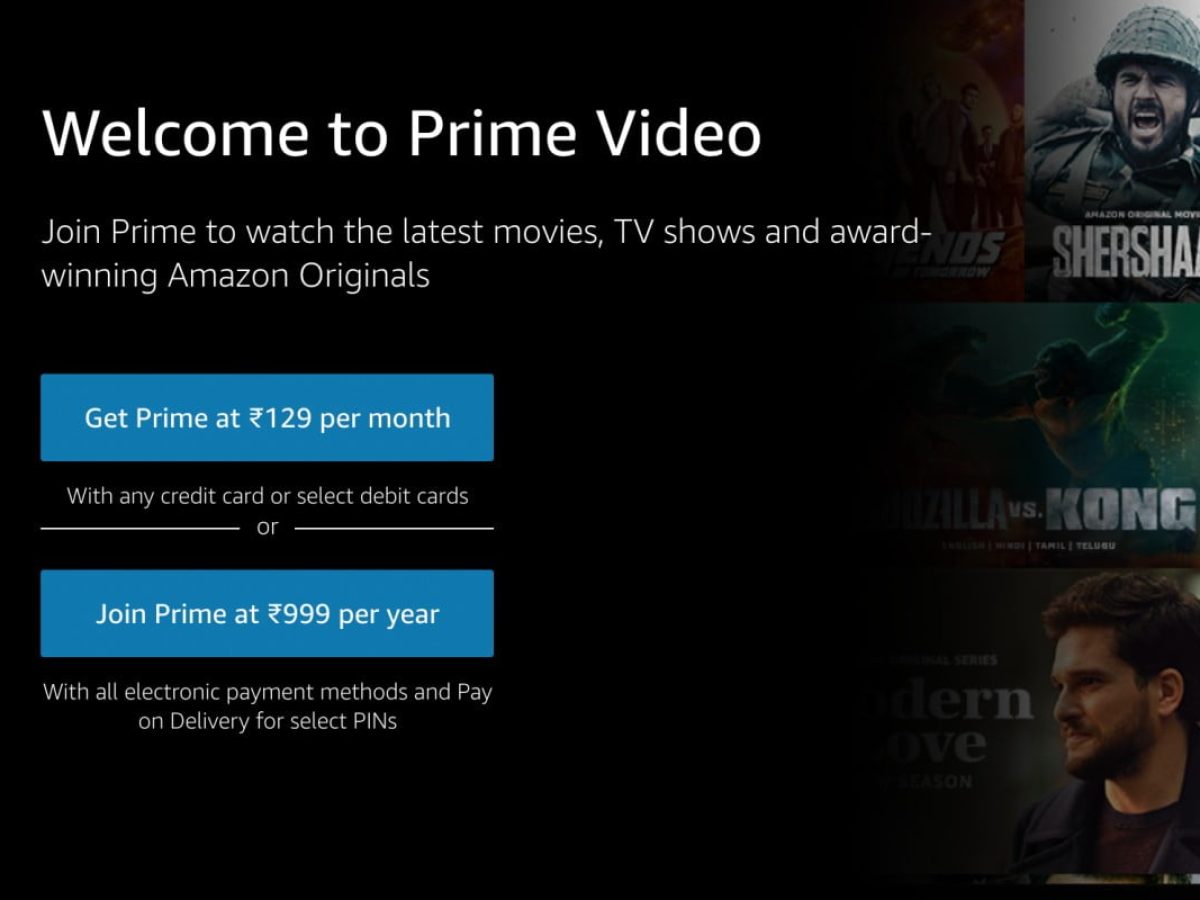
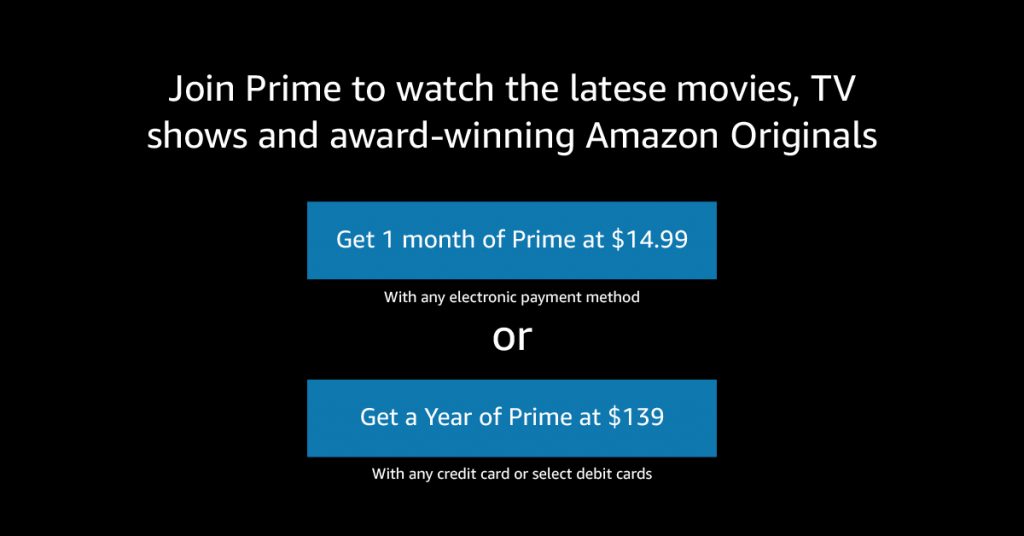
- The Annual Investment: An Amazon Prime membership typically costs around $139 per year in the U.S. (or $14.99 per month if paid monthly). This annual fee covers a wealth of benefits beyond streaming, including free two-day shipping on eligible items, Amazon Music, Prime Reading, and more. From a financial perspective, if you heavily utilize Amazon’s retail services, the cost of Prime Video essentially becomes marginal, making it an incredibly cost-effective streaming option.
- Stand-alone Prime Video: For those who are solely interested in the streaming content and don’t require the other Prime benefits, Amazon also offers a stand-alone Prime Video subscription. This is typically priced at $8.99 per month. Financially, this option allows for a focused expenditure, ensuring you’re only paying for the entertainment component. It’s a key consideration for budget-conscious viewers who want to avoid the “bloat” of a full Prime membership if they don’t use its other features.
- Student and Government Assistance Discounts: Amazon offers discounted Prime memberships for students (typically 50% off) and recipients of qualifying government assistance programs. These financial concessions significantly lower the barrier to entry, making Prime Video accessible to a broader demographic and representing a substantial saving for eligible individuals.
The content within Prime Video includes a vast library of movies, TV shows, and Amazon Originals. When evaluating its financial worth, consider the breadth and exclusivity of this content in relation to its subscription cost. For a flat monthly or annual fee, it offers a considerable amount of ad-free content, making it a strong contender in the streaming value proposition.
Prime Video Channels: Expanding Your Viewing Universe
Beyond the core Prime Video library, Amazon introduces Prime Video Channels. These are optional, add-on subscriptions that allow Prime members to subscribe to third-party streaming services directly through their Amazon account.
- Individual Channel Subscriptions: Each Prime Video Channel, such as HBO Max, Showtime, Starz, Paramount+, or AMC+, carries its own monthly subscription fee, typically ranging from $3 to $15 per month. This model allows for highly customized content selection, meaning you only pay for the specific channels you desire.
- Budgeting for Channels: From a personal finance standpoint, Prime Video Channels require careful budgeting. While convenient, these individual costs can quickly accumulate, potentially exceeding the cost of your primary Prime membership. It’s crucial to regularly review which channels you are actively using and cancel those that no longer provide sufficient value. This “a la carte” approach empowers consumers to control their spending precisely, but also demands vigilance to prevent subscription creep.
- Trial Periods: Most Prime Video Channels offer free trial periods, usually 7 days. This provides a valuable financial opportunity to test a service’s content and user experience before committing to a monthly payment, reducing the risk of paying for something you won’t enjoy.
Renting & Buying Titles: On-Demand Entertainment
For content not available on Prime Video or through a subscribed channel, Amazon offers the option to rent or buy individual movies and TV show episodes/seasons. This is a pay-per-view model, distinct from subscription services.
- Rental Costs: Movie rentals typically range from $3.99 to $5.99 for new releases, with older titles sometimes available for less. TV show episodes are usually around $1.99 to $2.99. Rentals generally come with a 30-day window to start watching and a 24-48 hour period to finish once started.
- Purchase Costs: Buying a movie outright usually costs between $9.99 and $19.99, while full seasons of TV shows can range from $19.99 to $49.99 or more, depending on the title and number of episodes.
- Financial Decision-Making: This option is ideal for those who want access to specific new releases without committing to another monthly subscription, or for acquiring a title they wish to rewatch repeatedly. Financially, buying a single movie that you watch once is often less cost-effective than a subscription service if you watch a lot of content. However, for a beloved classic or a show you intend to revisit many times, purchasing can be a sound long-term investment, avoiding the perpetual cost of subscriptions. Consider the “cost per view” when deciding between renting, buying, or waiting for content to potentially appear on a subscription service.
Deconstructing the Cost: What Are You Really Paying For?
Understanding the listed prices is one thing; truly grasping the financial value and implications is another. It’s about dissecting what each dollar procures within the Amazon streaming ecosystem.
The Value Proposition of an Amazon Prime Membership
When you subscribe to Amazon Prime, the $139 annual fee isn’t just for Prime Video. It’s an investment in a suite of services. From a financial perspective, the “cost” of Prime Video itself is diluted across free shipping, Amazon Music, Prime Reading, exclusive deals, and more. If you frequently shop on Amazon, the shipping savings alone could justify the annual fee, making Prime Video a “free” bonus. However, if your only interaction with Amazon is streaming, then paying $14.99/month for the full Prime membership is financially inefficient compared to the $8.99/month for a stand-alone Prime Video subscription. Your financial evaluation should therefore weigh the utility of all Prime benefits against the total annual or monthly cost. Is the convenience and breadth of benefits worth the premium over a dedicated streaming service? For many households, the integrated value of Prime makes it a highly competitive financial proposition for entertainment and commerce combined.
Assessing the Price of Prime Video Channels
Prime Video Channels offer unparalleled flexibility but demand rigorous financial oversight. The allure of easily adding a channel can lead to “subscription fatigue” or “bill shock.” While each channel’s individual cost might seem modest, stacking several can quickly inflate your monthly entertainment budget. For instance, adding HBO Max ($14.99), Showtime ($10.99), and Starz ($9.99) to your Prime Video ($8.99 stand-alone) subscription results in a monthly outlay of nearly $45. This sum rivals or exceeds many premium cable packages that consumers are actively trying to avoid.
The financial strategy here is to be deliberate. Ask yourself:
- Do I watch enough content on this channel to justify its monthly fee?
- Can I subscribe for a month or two to binge-watch a specific series, then cancel?
- Is the content exclusive, or can I find it elsewhere (or later) at a lower cost?
Prudent management of Prime Video Channels means regularly auditing your subscriptions and being prepared to cancel and resubscribe as your viewing interests shift, thereby ensuring you’re only paying for active consumption.
One-Time Purchases vs. Subscription Value
The decision to rent or buy content versus relying on a subscription model is a classic financial dilemma in the streaming world.
- Renting: Financially, renting is ideal for a one-off viewing of a new release or a film you’re curious about but don’t intend to rewatch. At $4-$6, it’s often cheaper than a cinema ticket for one person and provides instant gratification.
- Buying: Purchasing a digital movie or TV season ($10-$50) becomes financially viable when you anticipate multiple viewings over time. For example, buying a favorite movie for $15 that you watch 10 times results in a “cost per view” of $1.50, which is excellent value. However, buying a movie you watch once is a higher “cost per view” than a rental or a subscription, potentially making it a poor financial decision.
- Subscription Value: The “value” of a subscription like Prime Video lies in its breadth and ongoing access. For a flat fee, you get unlimited access to a large library. The more you watch, the lower your “cost per hour” of entertainment.
The financial assessment must consider your viewing habits. A family with diverse tastes might find a Prime Video subscription more valuable due to its breadth, while a cinephile primarily interested in the latest blockbusters might combine a basic Prime Video subscription with strategic rentals or purchases.

Maximizing Your Entertainment Budget with Amazon Streaming
Optimizing your spending on Amazon streaming isn’t just about knowing the prices; it’s about strategic financial planning to ensure you get the most entertainment for your money.
Evaluating Your Viewing Habits
The foundation of smart streaming finance is a clear understanding of your own (and your household’s) viewing habits.
- Are you a binge-watcher? If so, subscribing to a channel for a month, devouring a series, and then canceling can be far more cost-effective than a continuous subscription.
- Do you watch casually? If you only watch a few hours a month, a full Prime membership might be overkill if you don’t use other benefits. A stand-alone Prime Video subscription or even just strategic rentals might be a better financial fit.
- Are you a “set it and forget it” subscriber? This habit often leads to paying for services you barely use. Regularly auditing your subscriptions (e.g., quarterly) is a crucial financial discipline. Make a spreadsheet of all your streaming services, their costs, and when you last used them. This simple exercise can reveal significant savings.
The Art of Stacking Subscriptions (and When Not To)
“Stacking” subscriptions refers to subscribing to multiple services simultaneously. While tempting, it can quickly erode your entertainment budget.
- Strategic Stacking: It can be financially savvy if each service offers unique, compelling content that you actively watch, and the combined cost remains within your allocated entertainment budget. For example, Prime Video for its Originals and Amazon-exclusive content, alongside Netflix for its broader library, might be justified if both are heavily utilized.
- Avoiding Over-Stacking: The cumulative cost of several streaming services can quickly surpass what you might have paid for traditional cable, defeating the original purpose of “cord-cutting” for financial savings. Always compare the total monthly cost of your streaming bundle against what you would deem acceptable for your entertainment budget. If it exceeds that, it’s time to cut back.
Exploring Free Trials and Bundles
Amazon, like many streaming providers, offers financial incentives that can reduce your outlay:
- Free Trials: Take advantage of free trials for Prime Video Channels. Set a calendar reminder to cancel before the trial expires if you don’t intend to continue the subscription. This is a risk-free way to explore content and ensures you’re not paying for something you don’t value.
- Student and Government Assistance Programs: As mentioned, these discounts offer substantial savings on Prime memberships. Always check eligibility to ensure you’re not paying full price when a discount is available.
- Seasonal Promotions: Keep an eye out for Amazon’s promotional offers, especially during sales events like Prime Day or Black Friday, which may include discounts on Prime memberships or bundles for Prime Video Channels.
- Third-Party Bundles: Occasionally, other service providers (e.g., mobile carriers, internet providers) might offer Amazon Prime or Prime Video as a bundled perk. Always investigate if any of your existing services already include or offer a discount on Amazon streaming.
Tax Implications and Financial Planning
While largely a personal finance matter, it’s worth briefly noting that streaming subscriptions are generally considered personal expenses and are not tax-deductible for most individuals. However, for content creators or specific businesses, certain subscriptions might qualify as business expenses. For the average consumer, the financial planning aspect focuses solely on managing this discretionary spending within your household budget. Treat streaming as a non-essential expense that can be adjusted based on your overall financial health.
The Financial Landscape of Streaming: Amazon vs. Competitors
To make the most financially sound decision regarding Amazon streaming, it’s imperative to benchmark its costs and value against the broader streaming market.
Cost Comparison: Prime Video vs. Netflix, Disney+, Hulu
- Prime Video: At $8.99/month (stand-alone) or effectively less if you maximize the full Prime membership, it offers a strong library of originals, movies, and TV shows, often including sports (like Thursday Night Football in the U.S.). Its value increases significantly if you use other Prime benefits.
- Netflix: With various tiers (e.g., from $6.99/month with ads to $22.99/month for premium), Netflix is renowned for its vast library of original content and licensed shows. Financially, it offers a wide range of price points to fit different budgets and viewing preferences, but it’s generally a dedicated streaming expense.
- Disney+: At around $7.99/month (with ads) or $10.99/month (ad-free), Disney+ excels in family-friendly content, Marvel, Star Wars, Pixar, and National Geographic. It often comes in bundles with Hulu and ESPN+, which can offer significant savings if you desire all three, making it a powerful financial value for specific household needs.
- Hulu: Starting at $7.99/month (with ads), Hulu is strong for current network TV shows and a growing library of originals. Its Live TV option is more expensive but can replace cable.
From a purely financial standpoint, Prime Video’s integration with the broader Prime ecosystem makes its “effective” cost hard to isolate, but it often presents a robust content offering for a competitive price, especially if you’re already a Prime member. The key is to avoid redundant subscriptions if content overlaps and to choose services that align with your primary viewing interests.
Hidden Costs and Long-Term Value
- Internet Costs: All streaming requires a reliable internet connection, which is a foundational “hidden cost.” Ensure your internet plan can support high-quality streaming without buffering, as upgrading your internet speed could be an indirect cost of robust streaming.
- Device Costs: While many devices come with streaming capabilities built-in, some consumers invest in dedicated streaming sticks (like Amazon Fire TV Stick, Roku, Apple TV) to enhance their experience. These are one-time costs to consider.
- Ad-Free vs. Ad-Supported: Increasingly, streaming services offer cheaper ad-supported tiers. While saving a few dollars, the trade-off is your time and viewing experience. Financially, decide if the monetary saving is worth the interruption. Amazon Prime Video is generally ad-free for its core content, but some Freevee (Amazon’s free, ad-supported service) content might be integrated.
- Long-Term Value: A service that consistently adds new content you enjoy offers better long-term financial value than one where you’ve exhausted the library after a few months.
Future-Proofing Your Streaming Budget
The streaming market is dynamic, with prices changing and new services emerging.
- Regular Review: Annually, or even semi-annually, review all your streaming subscriptions. Are you still using them? Have their prices changed? Has content shifted to another service?
- Budget Allocation: Set a fixed monthly budget for entertainment and stick to it. This financial discipline prevents overspending as new services or channels emerge.
- Flexibility: Be prepared to cancel and re-subscribe as needed. The power of streaming lies in its month-to-month flexibility, a stark contrast to restrictive cable contracts.
Is Amazon Streaming Video a Good Financial Investment for Your Entertainment?
Ultimately, the question of “how much does Amazon streaming video cost?” culminates in a deeper query: Is it a good financial investment for your entertainment needs?
Weighing the Pros and Cons from a Monetary Standpoint
Pros:
- Bundled Value (Prime Membership): If you utilize other Prime benefits, Prime Video becomes an incredibly cost-effective streaming option.
- Flexible Access: The ability to rent, buy, or subscribe to channels offers tailored financial control.
- Extensive Library: A vast array of content, including high-quality Amazon Originals, often included at no extra charge beyond the Prime fee.
- Student/Assistance Discounts: Significant financial breaks for eligible individuals.
Cons:
- Subscription Creep: The ease of adding Prime Video Channels can lead to rapidly escalating monthly costs.
- Perceived Complexity: The tiered structure (Prime, stand-alone, channels, rentals, purchases) can make it harder for some to track overall spending.
- Content Overlap: Some content might be available on other services you already pay for, leading to redundant spending.
Making an Informed Financial Decision
An informed financial decision regarding Amazon streaming video involves:
- Defining Your Budget: Establish a clear monthly maximum for all entertainment streaming.
- Assessing Your Needs: Identify your primary content interests (e.g., new releases, specific genres, family content, live sports).
- Utilizing Prime Benefits: If you’re an Amazon Prime member, ensure you’re leveraging all its benefits to maximize the value of your existing investment.
- Strategic Channel Management: Subscribe to Prime Video Channels only when you intend to actively watch, and cancel promptly when viewing diminishes.
- Cost-Benefit Analysis for Rentals/Purchases: Weigh the cost of individual titles against the likelihood of rewatching and the availability on subscription services.
By approaching Amazon streaming video with a diligent financial mindset, you can navigate its diverse offerings to create a personalized, cost-effective entertainment package that delivers maximum enjoyment without breaking the bank. It’s not just about the sticker price, but about the strategic allocation of your entertainment dollars for optimal financial return.
aViewFromTheCave is a participant in the Amazon Services LLC Associates Program, an affiliate advertising program designed to provide a means for sites to earn advertising fees by advertising and linking to Amazon.com. Amazon, the Amazon logo, AmazonSupply, and the AmazonSupply logo are trademarks of Amazon.com, Inc. or its affiliates. As an Amazon Associate we earn affiliate commissions from qualifying purchases.