
The decision to embark on a weight loss journey, particularly one involving prescription medication like Mounjaro (tirzepatide), often comes with a significant financial commitment. While the health benefits of weight reduction are undeniable, the cost of sustained treatment can be substantial, making the point of cessation a critical financial inflection point for many individuals. Understanding the monetary implications of stopping Mounjaro is paramount for effective personal finance management and long-term financial health.
The Immediate Financial Impact: Realizing Cost Savings
For many, the most immediate and tangible effect of discontinuing Mounjaro is the significant reduction in monthly out-of-pocket expenses. Mounjaro, like other GLP-1 receptor agonists, can be costly, often ranging from hundreds to over a thousand dollars per month without comprehensive insurance coverage or patient assistance programs. Ceasing this medication instantly frees up a substantial portion of one’s monthly budget.
Estimating Savings from Ceasing Medication
To fully grasp the financial implications, individuals should calculate their exact monthly expenditure on Mounjaro, including prescription costs, consultation fees, and any associated lab work. This figure represents the direct saving. Over a year, these savings can accumulate into thousands of dollars, a sum that can be strategically reallocated towards other financial goals or health investments. For instance, an individual saving $1,000 per month on medication is looking at $12,000 annually. This capital, previously allocated to medication, now becomes available for other purposes.
Redirecting Funds: From Prescriptions to Prevention
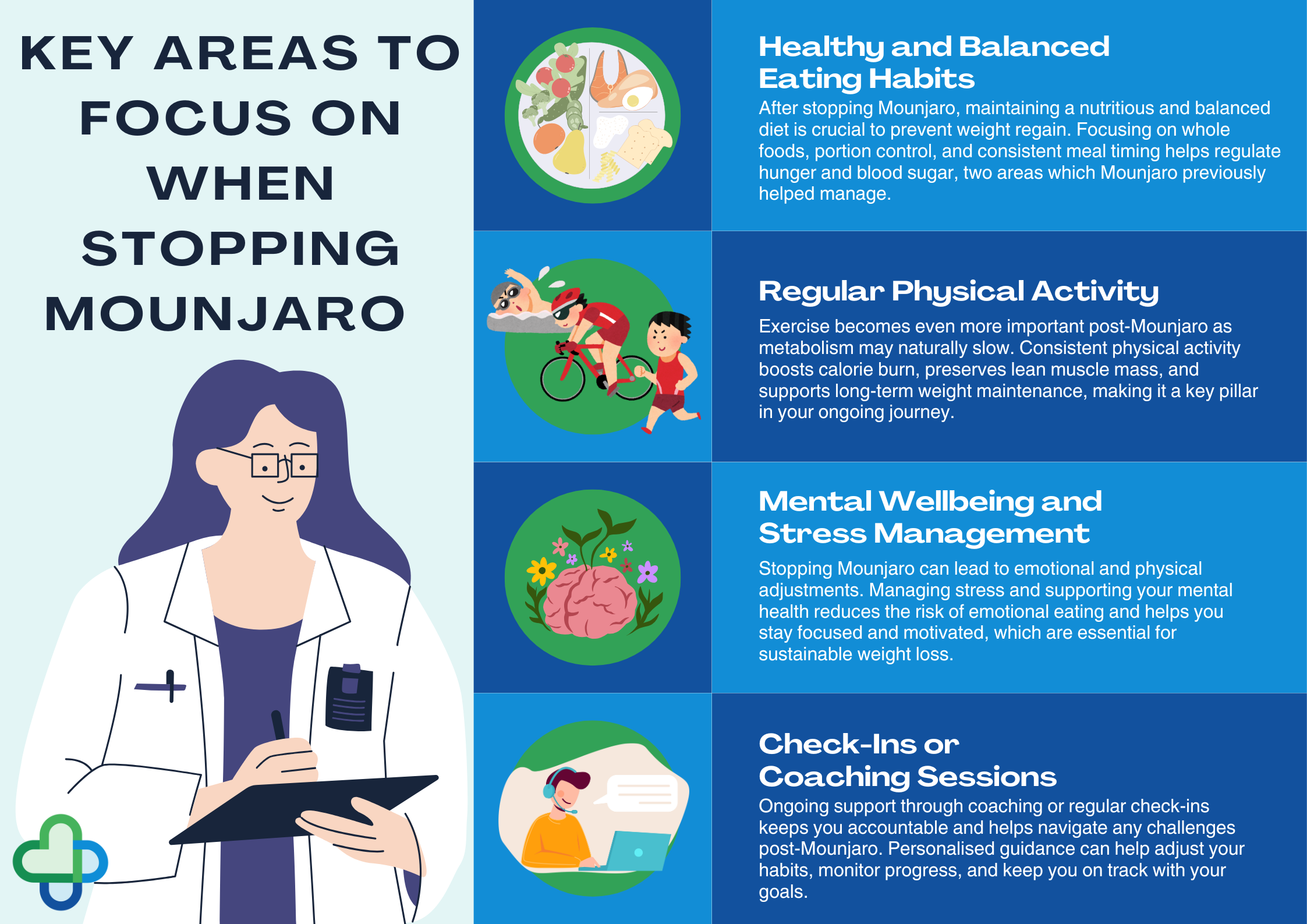
The newfound financial flexibility presents an opportunity to proactively invest in sustainable weight management strategies that don’t rely on expensive pharmaceuticals. Instead of viewing these savings as mere disposable income, a prudent financial approach involves reallocating them towards lifestyle changes that support long-term health and weight maintenance. This might include:
- Nutritional Guidance: Investing in a registered dietitian or nutritionist for personalized meal planning and education.
- Fitness Programs: Subscribing to a gym membership, hiring a personal trainer, or purchasing home exercise equipment.
- Meal Preparation Services: Utilizing healthy meal delivery options, which, while an expense, can be more cost-effective than continuous medication and can aid in maintaining dietary discipline.
- Therapy or Coaching: Addressing the psychological aspects of eating and weight management.
By shifting funds from reactive medication to proactive lifestyle investments, individuals can potentially mitigate the risk of weight regain and its associated future financial burdens, thereby optimizing their personal finance strategy for health.
The Hidden Costs of Weight Regain: Long-Term Financial Implications
One of the primary concerns when stopping Mounjaro is the potential for weight regain. Clinical trials and real-world experience suggest that a significant portion of the weight lost on such medications may be regained once treatment ceases. This phenomenon, often referred to as “rebound weight gain,” carries substantial financial implications that extend far beyond simply having to repurchase the medication.
Increased Healthcare Expenses and Chronic Condition Management
Weight regain, particularly if substantial, can lead to the resurgence or worsening of weight-related health conditions that Mounjaro helped to manage. These include:
- Type 2 Diabetes: Elevated blood sugar levels requiring reintroduction of diabetes medications, increased monitoring, and potential complications.
- Hypertension: Higher blood pressure leading to a need for antihypertensive drugs.
- Dyslipidemia: Unfavorable cholesterol profiles necessitating lipid-lowering agents.
- Obstructive Sleep Apnea: Increased severity, potentially requiring CPAP machines or other interventions.
- Joint Pain and Mobility Issues: Requiring physical therapy, pain medication, or even surgical interventions over time.
Each of these conditions carries its own set of prescription costs, doctor visit fees, specialist consultations, and potential hospitalizations. From a financial perspective, the cost savings realized from stopping Mounjaro can quickly be overshadowed by these escalating healthcare expenditures, creating a significant long-term financial drain. Individuals must budget for these potential future expenses or, ideally, invest in preventative measures to avoid them.

The Economic Burden of Dietary Changes and Fitness Programs
While investing in diet and exercise is a positive step, failing to maintain these habits post-Mounjaro can lead to a cycle of expensive, ineffective interventions. Regaining weight might prompt individuals to re-enroll in costly commercial weight loss programs, try various fad diets requiring specific (and often expensive) foods, or invest in new gym memberships and equipment, only to abandon them later. This pattern represents a repeated financial outlay without a sustainable return on investment. The key is to select financially sustainable and personally adaptable lifestyle changes rather than chasing quick fixes that often prove expensive and temporary.
Impact on Insurance Premiums and Employment
In some cases, significant weight regain and the development of related chronic conditions can subtly impact personal finances through increased health insurance premiums or limitations in certain types of life or disability insurance. While the direct link might not always be obvious or immediate, the overall health profile, including weight, can factor into actuarial assessments. Furthermore, declining health can impact productivity and career longevity, indirectly affecting earning potential and long-term financial stability.
Strategizing Sustainable Weight Management Without Mounjaro: Investing in Your Future Health and Wallet
Proactive financial planning is essential when transitioning off Mounjaro. The goal is to allocate funds intelligently to support continued weight management, mitigating the risk of future financial distress caused by weight regain. This involves a shift from simply budgeting for medication to strategically investing in long-term health infrastructure.
Building a Robust Health and Wellness Budget
The initial savings from Mounjaro cessation should be consciously reallocated into a dedicated health and wellness budget. This budget should encompass:
- Professional Support: Regular consultations with a dietitian, certified personal trainer, or a behavioral therapist specializing in weight management. These professionals can provide personalized strategies that are often more cost-effective in the long run than cycling through ineffective self-help methods.
- Healthy Food Procurement: Allocating funds for high-quality, nutritious foods, which may sometimes be perceived as more expensive than processed alternatives but offer greater health dividends. This could involve learning to cook more, meal prepping, or strategically shopping for seasonal produce.
- Physical Activity Resources: Membership fees for gyms, fitness classes, or outdoor activity groups. Alternatively, investing in durable home exercise equipment can be a one-time cost that yields continuous benefits.
By viewing these expenditures as investments in personal capital and long-term financial resilience, individuals can prioritize them effectively.
Maximizing Health Savings Accounts (HSAs) and Flexible Spending Accounts (FSAs)
For those in high-deductible health plans, optimizing contributions to Health Savings Accounts (HSAs) becomes crucial. HSA funds can be used tax-free for qualified medical expenses, including doctor visits, therapy, and even certain nutrition services if prescribed. Similarly, Flexible Spending Accounts (FSAs) allow pre-tax dollars to be set aside for healthcare costs. Understanding and utilizing these financial tools can significantly reduce the out-of-pocket burden of maintaining health post-Mounjaro, essentially making health expenses more affordable through tax advantages. Strategic use of these accounts can help bridge the gap between medication cessation and establishing a sustainable, self-managed weight maintenance routine.

Long-term Financial Health and Quality of Life
Ultimately, the decision to stop Mounjaro and the subsequent financial planning revolves around optimizing long-term financial health and overall quality of life. The initial cost savings are a potent catalyst for re-evaluating spending habits and prioritizing investments in well-being. Failing to plan for the transition can lead to a vicious cycle of weight regain, increased medical expenses, and diminished earning capacity—a detrimental financial outcome.
Conversely, a well-thought-out financial strategy that redirects Mounjaro savings into sustainable lifestyle changes can lead to a healthier future, characterized by lower healthcare costs, greater energy levels, and enhanced productivity. This allows for better financial planning for retirement, wealth accumulation, and overall financial security, proving that investing in one’s health is one of the most powerful financial decisions an individual can make.
aViewFromTheCave is a participant in the Amazon Services LLC Associates Program, an affiliate advertising program designed to provide a means for sites to earn advertising fees by advertising and linking to Amazon.com. Amazon, the Amazon logo, AmazonSupply, and the AmazonSupply logo are trademarks of Amazon.com, Inc. or its affiliates. As an Amazon Associate we earn affiliate commissions from qualifying purchases.