
We’ve all heard the admonition: brush your teeth twice a day. It’s a fundamental tenet of personal hygiene, ingrained in us from childhood. Most understand the immediate implications of neglect – bad breath, yellowing teeth, maybe a cavity or two. However, what often goes unsaid, and tragically uncalculated, are the profound and escalating financial repercussions of failing to maintain proper oral hygiene. Beyond the discomfort and aesthetic concerns, neglecting your pearly whites can lead to a significant drain on your wallet, transforming a simple oversight into a substantial financial burden over a lifetime.

This article delves deep into the often-overlooked monetary aspect of dental health, demonstrating that choosing not to brush your teeth isn’t just a health choice; it’s a critical financial decision with far-reaching consequences. From minor fillings to complex surgeries, and even indirect costs on productivity and overall health, the price of dental neglect can quickly snowball, making a compelling case for prevention as the ultimate financial strategy.
The Immediate Price of Neglect: Early Dental Woes
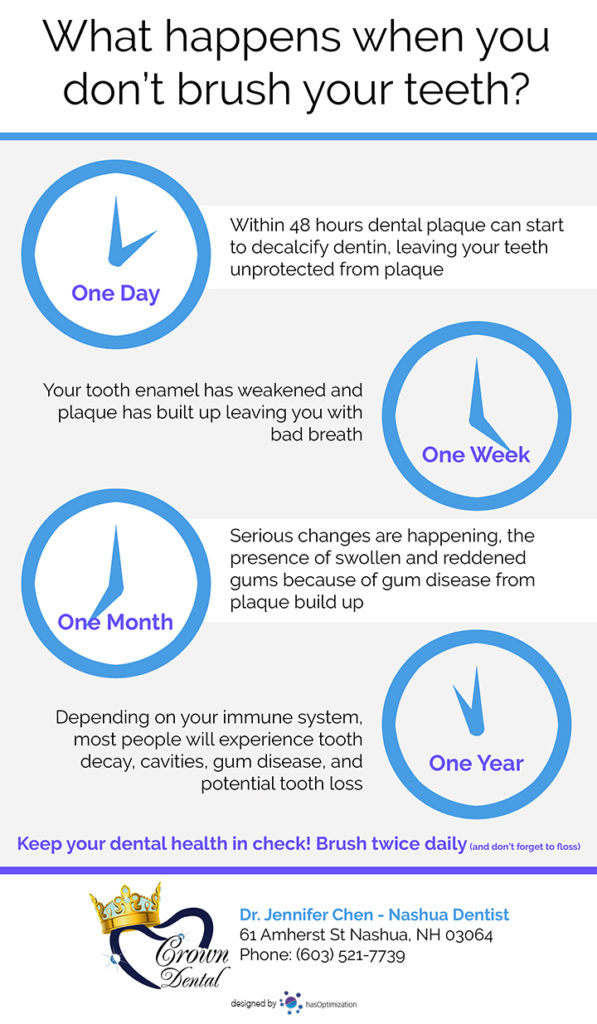
The moment you start skipping brushing, a silent, microscopic battle begins in your mouth. Plaque, a sticky film of bacteria, starts to accumulate, turning sugary and starchy foods into acids that erode tooth enamel. This initial phase of neglect might seem harmless, but it quickly paves the way for a cascade of issues that come with increasingly hefty price tags.
Cavities and Fillings: The Gateway to Debt
The most common and earliest consequence of poor brushing habits is tooth decay, leading to cavities. These small holes in your teeth require professional intervention to prevent further damage and infection. What might start as an inexpensive problem can quickly escalate depending on the cavity’s size and location.
Initially, a small composite filling might cost anywhere from $100 to $250 per tooth, varying by location, dentist, and the specific material used. However, if multiple cavities develop due to prolonged neglect, these individual costs quickly multiply. A patient with several untreated cavities could easily face a bill of $500 to $2,000 for fillings alone. Furthermore, fillings are not a one-and-done solution; they can wear down, crack, or fall out over time, necessitating costly replacements. Ignoring these initial warning signs is akin to ignoring a small leak in your roof – what seems minor at first will inevitably lead to a far more expensive repair later.
Gum Disease (Gingivitis & Periodontitis): A Costly Inflammation
Beyond the teeth themselves, the gums are also highly susceptible to the effects of poor hygiene. Plaque accumulation along the gumline leads to gingivitis, an inflammation characterized by red, swollen, and bleeding gums. While reversible with improved hygiene and professional cleaning, leaving gingivitis untreated is a dangerous financial gamble.
Untreated gingivitis progresses to periodontitis, a severe form of gum disease where the gums pull away from the teeth, forming pockets that become infected. This infection can destroy the bone supporting the teeth, eventually leading to tooth loss. Treating periodontitis is significantly more invasive and expensive than dealing with cavities. It often requires deep cleaning procedures such as scaling and root planing, which can cost $200 to $500 per quadrant of the mouth, potentially totaling $800 to $2,000 for a full mouth treatment. In advanced cases, surgical interventions like flap surgery or bone grafting might be necessary, pushing costs into the thousands, often ranging from $1,000 to $5,000 or more per procedure. These are not one-time costs; periodontitis often requires ongoing maintenance therapy, adding recurrent expenses to your budget indefinitely.
Escalating Expenses: Advanced Dental Interventions
As dental neglect deepens, so does the complexity and cost of necessary treatments. What began as preventable decay or inflammation can lead to irreversible damage, demanding sophisticated and expensive procedures to restore function and mitigate further health risks. These advanced interventions represent a significant financial drain, far outweighing the minimal investment in daily brushing and flossing.
Root Canals and Crowns: Saving a Tooth, Draining Your Wallet
When a cavity penetrates deep into the tooth, reaching the pulp (the soft tissue containing nerves and blood vessels), the tooth becomes infected. At this stage, a filling is no longer sufficient; a root canal is often the only way to save the tooth from extraction. A root canal involves removing the infected pulp, cleaning and shaping the root canal system, and then filling and sealing it.
The cost of a root canal varies significantly based on the tooth’s location (front teeth are generally less expensive than molars) and the complexity of the case. A typical root canal can range from $700 to $1,500. However, a root-canaled tooth often becomes brittle and requires a crown to protect it from fracture. A dental crown, custom-made to cap the entire tooth, adds another $800 to $2,500 to the total cost. Thus, saving a single neglected tooth can easily amount to $1,500 to $4,000, a staggering sum that could have been entirely avoided with consistent oral hygiene.
Extractions and Dentures/Implants: The Ultimate Financial Hit
If a tooth is too decayed, broken, or infected to be saved even with a root canal, extraction becomes the only option. While a simple extraction might cost $75 to $300, a surgical extraction for an impacted or severely damaged tooth can range from $150 to $650. However, the financial implications don’t stop there. An extracted tooth leaves a gap, which can lead to shifting of adjacent teeth, bite problems, and further bone loss in the jaw.
To address these issues and restore function and aesthetics, replacements are necessary. The options for tooth replacement are among the most expensive dental procedures:
- Dental Bridges: A bridge replaces one or more missing teeth by cementing crowns on the adjacent teeth and suspending a false tooth (or teeth) in between. A typical bridge for a single missing tooth can cost between $2,000 and $5,000, as it involves at least three crowns.
- Dentures: For multiple missing teeth, partial or full dentures may be required. While initially less expensive than implants, ranging from $600 to $3,500 for a partial or full set, dentures often come with ongoing costs for adjustments, repairs, and eventual replacements, typically every 5-10 years. They also don’t prevent bone loss in the jaw.
- Dental Implants: Widely considered the gold standard for tooth replacement, dental implants involve surgically placing a titanium post into the jawbone, which then fuses with the bone, acting as an artificial tooth root. A crown is then placed on top of this implant. A single dental implant, from placement to crown, can cost anywhere from $3,000 to $6,000, and sometimes even more depending on whether bone grafts or sinus lifts are needed. Replacing multiple teeth with implants can quickly push the total cost into tens of thousands of dollars.
These figures illustrate that the seemingly simple act of not brushing your teeth can ultimately lead to a lifetime of expensive dental interventions, culminating in costs that are hundreds or even thousands of times greater than the minor expense of a toothbrush and toothpaste.
Beyond the Dentist’s Chair: Indirect Financial Impacts
The direct costs of dental treatments are just one piece of the financial puzzle when it comes to neglecting oral hygiene. The problems can ripple outwards, impacting various other aspects of your financial life that are less obvious but equally significant. These indirect costs further underscore the economic wisdom of prioritizing preventative dental care.
Lost Productivity and Missed Opportunities
Dental pain, whether from a nagging toothache, an abscess, or post-procedure recovery, is notoriously disruptive. It can severely impair concentration, make speaking difficult, and interfere with sleep, leading to reduced productivity at work or school. Repeated dental emergencies or extensive treatment plans often require multiple appointments, translating to missed work hours and potentially lost wages. Even if paid sick leave is available, the company bears a cost, and your overall contribution might be affected, potentially impacting performance reviews, promotions, and future earning potential. Furthermore, chronic oral health issues can diminish overall energy and well-being, indirectly stifling ambition and the pursuit of income-generating opportunities.
Increased Healthcare Premiums and Associated Medical Costs
The mouth is often referred to as a “mirror to the body,” and its health is intrinsically linked to overall systemic health. Poor oral hygiene and severe gum disease (periodontitis) have been scientifically linked to a range of serious medical conditions, including:
- Heart Disease: Bacteria from infected gums can enter the bloodstream, contributing to inflammation and plaque buildup in arteries.
- Diabetes: Periodontitis can make blood sugar control more difficult, and diabetes, in turn, can worsen gum disease.
- Stroke: Some studies suggest a link between gum disease and an increased risk of stroke.
- Respiratory Infections: Inhaling bacteria from infected teeth and gums can lead to pneumonia and other respiratory issues, especially in vulnerable individuals.
- Adverse Pregnancy Outcomes: Periodontitis has been linked to premature birth and low birth weight.
When oral health contributes to or exacerbates these systemic diseases, individuals face higher medical bills, increased medication costs, and potentially elevated health insurance premiums. The costs associated with managing chronic conditions linked to poor oral hygiene can dwarf even the most expensive dental procedures, creating a multi-faceted financial drain that extends far beyond dentistry.
Social and Professional Repercussions: The “Soft” Financial Cost
While harder to quantify, the social and professional ramifications of neglected oral hygiene can have significant indirect financial consequences. Chronic bad breath, visibly decayed or missing teeth, and self-consciousness about one’s smile can impact self-confidence and how one is perceived by others.
In professional settings, a compromised appearance due to poor oral health can subtly (or overtly) affect opportunities. Imagine going for a job interview, a client meeting, or a networking event with noticeable dental issues or foul breath. While illegal to discriminate, subconscious biases can play a role in hiring decisions, client trust, and career advancement. A healthy, confident smile is often associated with professionalism, reliability, and good self-care – traits valued in the workplace. Similarly, in social contexts, poor oral hygiene can affect personal relationships and dating prospects, which, while not directly financial, can impact overall well-being and access to supportive networks that indirectly contribute to financial stability. These “soft” costs, though intangible, contribute to a diminished quality of life that often has underlying economic implications.
The Investment in Prevention: Brushing Up Your Budget
Given the daunting financial landscape painted by dental neglect, the argument for proactive oral hygiene becomes not just a health imperative, but a shrewd financial strategy. The costs associated with prevention are minuscule compared to the potential expenditures on reactive treatments, making daily brushing and flossing one of the best investments you can make for your long-term financial health.
The Minimal Cost of Daily Care
Think about the cost of the tools needed for basic oral hygiene:
- Toothbrush: A standard manual toothbrush costs around $2-$5 and should be replaced every 3-4 months. Annually, this is $8-$20. An electric toothbrush, while a larger initial investment ($20-$150+), has replacement heads costing $5-$10 every few months, making the annual cost similar or slightly higher.
- Toothpaste: A tube of toothpaste costs $3-$7 and lasts for months. Annual cost: $10-$30.
- Dental Floss: A roll of floss costs $3-$5 and can last for several months. Annual cost: $10-$20.
- Mouthwash (Optional but Recommended): A bottle costs $5-$10 and lasts for weeks. Annual cost: $30-$60.
Even with premium products, the annual expenditure for essential daily oral hygiene typically falls within the range of $50 to $200. This nominal sum is a tiny fraction of what a single root canal, crown, or implant can cost, representing an extraordinary return on investment in terms of avoided dental bills.
Regular Check-ups: A Small Price for Big Savings
Beyond daily home care, regular dental check-ups and professional cleanings are the cornerstone of preventative dental finance. Most dentists recommend visits every six months. The cost of a routine check-up, including cleaning and examination, can range from $75 to $200, depending on your location and whether X-rays are included.
These seemingly small, recurring expenses are invaluable for several reasons:
- Early Detection: Dentists can spot small cavities, early signs of gum disease, or other issues before they become painful, expensive emergencies. A tiny cavity caught early can be filled for a fraction of the cost of a root canal.
- Professional Cleaning: Even the most diligent brushers miss spots. Professional cleanings remove hardened plaque (tartar) that cannot be removed by brushing alone, preventing gum disease and decay.
- Personalized Advice: Your dentist can offer tailored advice on brushing techniques, product recommendations, and dietary habits to further minimize risks.
Investing $150-$400 annually in preventative dental visits is a strategic financial move that can save thousands by averting costly advanced treatments down the line. It’s a classic example of “an ounce of prevention is worth a pound of cure.”
The Power of Dental Insurance: Worth the Premium?
For many, dental insurance can be a valuable tool in managing oral health costs, especially if you anticipate needing more than just basic preventative care. Dental insurance typically covers:
- 100% of Preventative Care: Most plans fully cover routine check-ups, cleanings, and X-rays. This alone can justify the premium for individuals who consistently use these benefits.
- 80% of Basic Procedures: Fillings, simple extractions, and basic root canals are often covered at 70-80%.
- 50% of Major Procedures: Crowns, bridges, dentures, and more complex procedures usually receive 50% coverage.
Monthly premiums for individual dental insurance plans can range from $20 to $50, totaling $240 to $600 annually. While there’s often an annual maximum benefit (e.g., $1,000-$2,000), for those who are at higher risk of developing dental issues or who need existing problems addressed, the savings can significantly outweigh the premiums. It acts as a financial safety net, reducing out-of-pocket expenses when more expensive treatments become necessary. Evaluating a dental plan’s return on investment requires considering your current oral health, projected needs, and the cost-benefit analysis of premiums versus potential cost savings.

Conclusion
The question, “what happens when we don’t brush our teeth?” extends far beyond the realm of personal discomfort or cosmetic imperfections. It leads us directly into a complex web of escalating financial burdens that can significantly impact personal finances, productivity, and even overall medical expenses. From the relatively modest cost of fillings to the exorbitant price tags of root canals, implants, and gum disease treatments, the cost of neglect quickly dwarfs the minimal investment required for consistent preventative care.
Choosing to ignore daily oral hygiene is not a benign oversight; it is a financial gamble with high stakes. The few minutes each day dedicated to brushing and flossing, coupled with regular professional check-ups, represent one of the most cost-effective forms of health insurance available. By prioritizing oral health, we not only safeguard our physical well-being but also make a smart, proactive financial decision that protects our wallets from unnecessary and often substantial drains. In essence, a healthy mouth isn’t just a sign of good hygiene; it’s a testament to sound personal financial management. Don’t let your teeth become a silent financial liability – brush up your budget, one healthy smile at a time.
aViewFromTheCave is a participant in the Amazon Services LLC Associates Program, an affiliate advertising program designed to provide a means for sites to earn advertising fees by advertising and linking to Amazon.com. Amazon, the Amazon logo, AmazonSupply, and the AmazonSupply logo are trademarks of Amazon.com, Inc. or its affiliates. As an Amazon Associate we earn affiliate commissions from qualifying purchases.