
For many small business owners, accessing capital is a perpetual challenge. Traditional bank loans often come with stringent requirements, making them difficult to secure, especially for startups or businesses without extensive collateral. This is where Small Business Administration (SBA) loans become a crucial lifeline. Far from being direct loans from the government, SBA loans are guaranteed by the U.S. Small Business Administration, reducing risk for lenders and making it easier for small businesses to obtain funding. Understanding the intricacies of these programs, from eligibility to application, is paramount for any entrepreneur looking to leverage this powerful financial tool.
Understanding SBA Loans: More Than Just a Loan
Before diving into the “how-to,” it’s essential to grasp the fundamental nature of an SBA loan. It’s not just another line of credit; it’s a strategically designed financial product aimed at stimulating small business growth and, by extension, economic prosperity.
What is an SBA Loan?
At its core, an SBA loan is a commercial loan issued by participating lenders (such as banks, credit unions, and other financial institutions) that is partially guaranteed by the U.S. Small Business Administration. The SBA’s guarantee mitigates the risk for lenders, encouraging them to provide financing to small businesses that might not otherwise qualify for conventional loans. This guarantee can cover a significant portion of the loan, often ranging from 50% to 85%, depending on the specific program and loan amount.
The SBA’s Role: Facilitator, Not Direct Lender
A common misconception is that the SBA directly lends money to businesses. While the SBA does offer some direct disaster relief loans, its primary role in the context of business expansion and operation is that of a guarantor. They set the guidelines, administer the programs, and provide the guarantee, but the actual funds originate from private sector lenders. This distinction is vital because your application and relationship will primarily be with the bank or credit union, not directly with the government agency. The SBA acts as a bridge, connecting deserving small businesses with willing financial institutions.
Key Benefits of SBA Loans
SBA loans offer several distinct advantages over conventional financing options, making them highly attractive to small business owners:
- Lower Down Payments: Often requiring less upfront capital compared to traditional loans.
- Longer Repayment Terms: Extended repayment periods translate to lower monthly payments, improving cash flow.
- Competitive Interest Rates: Due to the government guarantee, lenders can offer more favorable interest rates.
- Flexible Use of Funds: Proceeds can be used for a wide range of business purposes, including working capital, equipment purchases, real estate acquisition, debt refinancing, and business expansion.
- Reduced Collateral Requirements: While collateral is often required, the SBA’s guarantee can sometimes reduce the burden on the borrower, especially for loans under a certain threshold.
These benefits collectively make SBA loans a cornerstone of small business funding, enabling growth and stability that might otherwise be out of reach.
Navigating Eligibility Requirements: Are You a Fit?
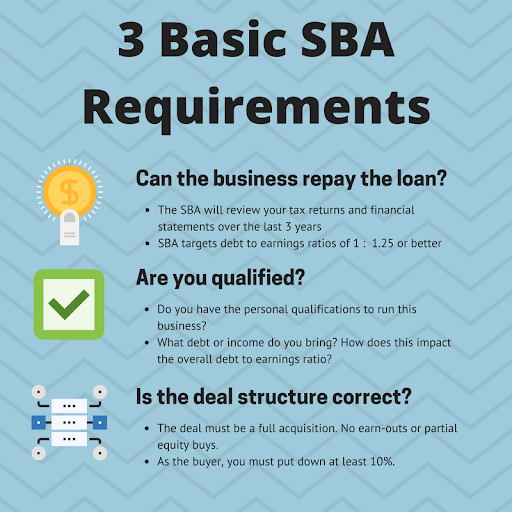
Before embarking on the application journey, it’s crucial to determine if your business, and you as an owner, meet the fundamental eligibility criteria set by the SBA. These standards are in place to ensure that the programs benefit genuine small businesses that contribute to the economy.
General Business Qualifications
To be considered for an SBA loan, your business must generally meet the following conditions:
- Operate for Profit: The business must be for-profit and engage in, or propose to engage in, business in the U.S. or its possessions.
- Meet SBA Size Standards: Your business must qualify as “small” as defined by the SBA, which varies by industry and is based on criteria like average annual receipts or number of employees. These standards are surprisingly generous, encompassing a vast majority of U.S. businesses.
- Sound Business Purpose: The loan proceeds must be used for a sound business purpose, such as starting a business, expansion, working capital, or equipment purchase.
- Not Involved in Certain Industries: Certain types of businesses are ineligible, including those primarily engaged in lending, speculation, gambling, passive investments, or those deriving more than one-third of their gross annual revenue from legal gambling activities. Non-profit organizations are also typically ineligible for standard SBA loan programs.
- Unable to Obtain Credit Elsewhere: While not an absolute bar, the SBA’s “credit elsewhere” rule suggests that businesses should ideally not be able to obtain credit on reasonable terms from other non-SBA sources. This isn’t a strict requirement but rather a guiding principle for the program’s intent.
Personal Eligibility Criteria for Owners
Beyond the business itself, the personal circumstances and character of the business owner(s) are also scrutinized:
- Good Character: Applicants must demonstrate good character, which typically means a clean legal record without recent felony convictions or a history of defaulting on government debts.
- Acceptable Credit History: While SBA loans are more forgiving than conventional loans, a reasonable personal credit score (generally above 640-680, though it can vary) and a history of responsible debt management are crucial. Severe credit issues or bankruptcies within the last few years can be significant hurdles.
- Investment in the Business: Owners are generally expected to have some equity or financial investment in the business, demonstrating commitment and a vested interest in its success.
- U.S. Citizenship or Legal Resident Status: Owners must typically be U.S. citizens or lawful permanent residents.
Industry and Business Size Standards
The SBA defines “small” business using specific size standards that vary across industries. These standards are primarily based on average annual receipts over the past three years or the average number of employees over the past 12 months. It’s critical to check the SBA’s website for the specific size standards applicable to your industry (identified by NAICS codes) to confirm eligibility. Many businesses that consider themselves “medium-sized” might still qualify under SBA definitions.
The SBA Loan Programs: Choosing the Right Path
The SBA offers a suite of loan programs, each designed to meet specific business needs. Understanding these programs is vital for selecting the one that best aligns with your objectives.
SBA 7(a) Loan Program: The Most Common
The 7(a) program is the SBA’s primary and most flexible loan program, accounting for the vast majority of SBA loans. It’s suitable for a wide range of general business purposes:
- Working Capital: Day-to-day operational expenses.
- Equipment Purchases: New or used machinery, vehicles, etc.
- Real Estate: Purchasing land or buildings, construction, or renovations.
- Business Acquisition: Buying an existing business.
- Debt Refinancing: Under certain conditions.
- Loan Amounts: Can range up to $5 million.
- Repayment Terms: Typically up to 10 years for working capital and equipment, and up to 25 years for real estate.
Within the 7(a) umbrella, there are specialized sub-programs like SBA Express (faster processing, smaller loans) and Export Express (for businesses engaged in international trade).
SBA 504 Loan Program: For Real Estate & Equipment
The 504 loan program is designed for long-term, fixed-asset financing. It’s ideal for businesses looking to acquire or improve major assets like commercial real estate or heavy machinery. This program involves three parties: the borrower, a conventional bank, and a Certified Development Company (CDC), a non-profit organization focused on economic development.
- Structure: Typically, the borrower contributes at least 10%, a conventional lender provides up to 50% (first lien), and the CDC (backed by an SBA guarantee) provides up to 40% (second lien).
- Use of Funds: Exclusively for major fixed assets (land, buildings, equipment). Cannot be used for working capital or inventory.
- Loan Amounts: While the CDC portion has a maximum (usually $5 million, with higher limits for certain energy-related projects), the total project size can be much larger.
- Repayment Terms: 10, 20, or 25 years, fixed-rate for the CDC portion.
SBA Microloan Program: Smaller Needs
The Microloan program provides small, short-term loans to startups and small businesses, particularly those in underserved communities. These loans are administered through non-profit, community-based intermediary lenders.
- Loan Amounts: Up to $50,000, with the average loan being around $13,000.
- Use of Funds: Working capital, inventory, supplies, furniture, fixtures, machinery, and equipment.
- Repayment Terms: Up to 6 years.
- Benefits: Often provides business counseling and technical assistance alongside the funding.
Disaster Loans and Other Specialized Programs
The SBA also provides direct low-interest disaster loans to businesses, homeowners, and renters in declared disaster areas. These are distinct from the standard guaranteed loan programs and are directly funded by the SBA. Additionally, specific programs exist for veterans, women-owned businesses, and businesses operating in historically underutilized business zones (HUBZones), though these often fall under the broader 7(a) or Microloan structures but with additional support or relaxed criteria.
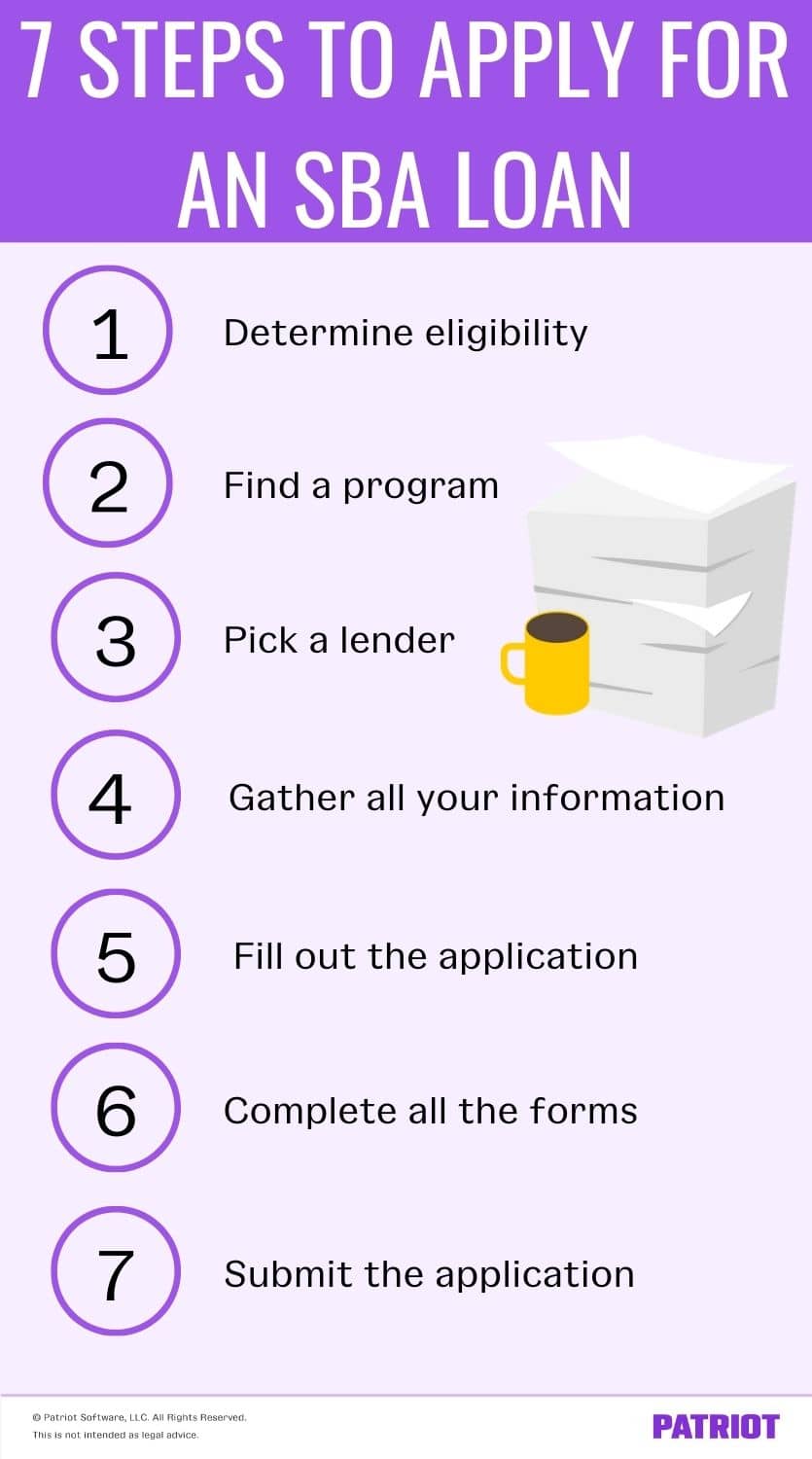
The Application Process: A Step-by-Step Guide
Securing an SBA loan can be a detailed process, but breaking it down into manageable steps makes it less daunting. Thorough preparation is the key to a smooth and successful application.
Step 1: Prepare Your Business Plan
A robust and comprehensive business plan is arguably the most critical document. It demonstrates to lenders that you have a clear vision, a viable strategy, and an understanding of your market. Your plan should include:
- Executive Summary: A concise overview.
- Company Description: What your business does.
- Market Analysis: Industry, target market, competition.
- Organization & Management: Legal structure, management team bios.
- Service or Product Line: Details of what you offer.
- Marketing & Sales Strategy: How you’ll reach customers.
- Financial Projections: Detailed forecasts, including profit and loss statements, cash flow projections, and balance sheets for at least three years. This is especially critical.
- Funding Request: How much you need and how you’ll use it.
Step 2: Gather Financial Documents
Lenders will require a complete financial picture of both your business and your personal finances. This typically includes:
- Business Financials:
- Profit & Loss statements (current and historical, 3 years).
- Balance sheets (current and historical, 3 years).
- Cash flow statements.
- Business federal income tax returns (3 years).
- Business debt schedule.
- Accounts receivable and accounts payable aging.
- Personal Financials:
- Personal financial statement (SBA Form 413).
- Personal federal income tax returns (3 years).
- Personal resumes for all owners.
- Statements for other real estate owned.
- Legal Documents:
- Business legal documents (articles of incorporation/organization, partnership agreements).
- Business licenses and permits.
- Franchise agreement (if applicable).
- Lease agreements.
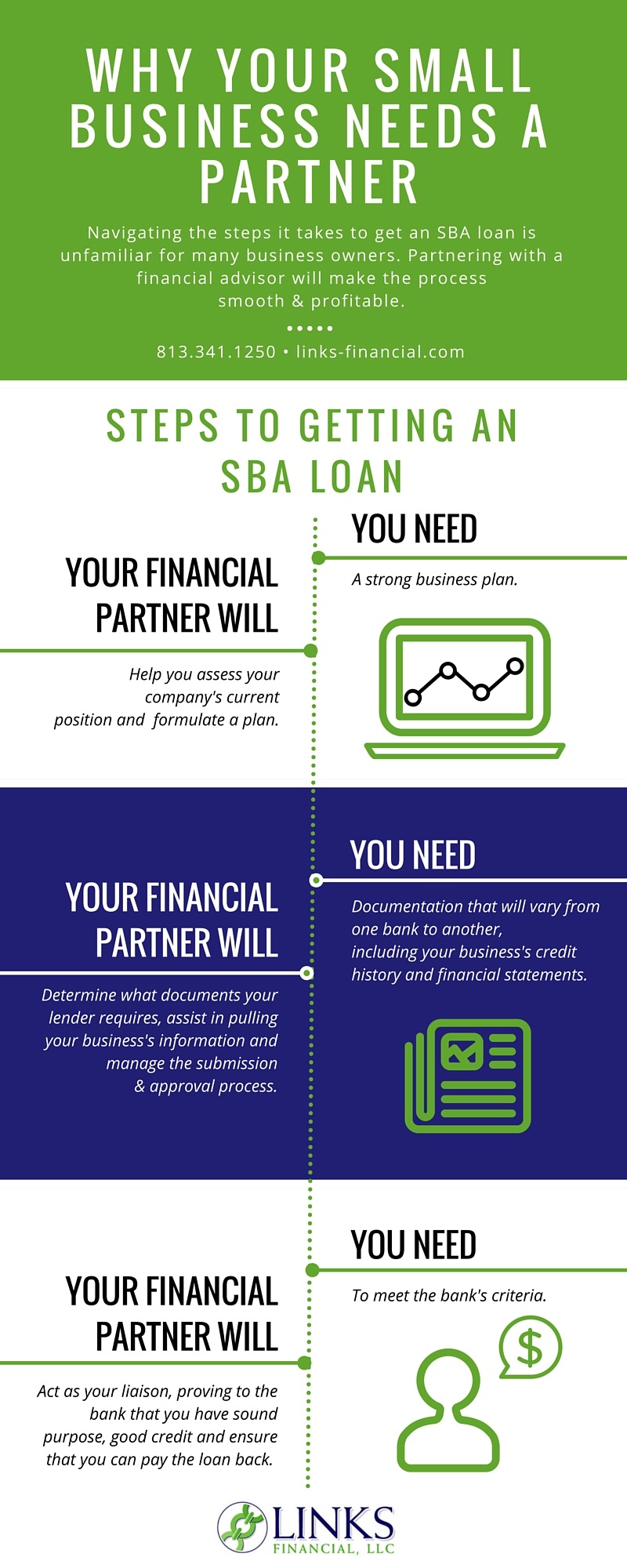
Step 3: Identify a Participating Lender
Since the SBA does not lend directly (for most programs), you need to find a bank, credit union, or alternative lender that participates in the SBA programs. It’s advisable to:
- Contact Your Current Bank: Start with institutions where you already have a relationship.
- Use the SBA Lender Match Tool: The SBA website offers a tool to connect you with participating lenders.
- Seek Out Preferred Lenders: Lenders designated as “SBA Preferred Lenders” have demonstrated a proficiency in SBA lending and have the authority to make final credit decisions without submitting every application to the SBA for review, often leading to faster processing.
- Shop Around: Different lenders have different appetites for risk, industry specializations, and fee structures.
Step 4: Submit Your Application
Once you’ve chosen a lender, you’ll submit your complete application package. Be prepared to answer follow-up questions and provide additional documentation as requested. Your lender will guide you through specific SBA forms (e.g., SBA Form 1919 for borrower information) and their internal application forms.
Step 5: Underwriting and Approval
The lender will conduct a thorough underwriting process, evaluating your business’s financial health, your personal creditworthiness, the viability of your business plan, and the proposed use of funds. They will assess your ability to repay the loan. If the lender approves your application, they will then submit it to the SBA for final review and guarantee approval (if they are not a Preferred Lender).
Step 6: Closing and Funding
Upon SBA approval (or lender approval for Preferred Lenders), you’ll proceed to closing. This involves signing all legal documents, establishing collateral (if required), and fulfilling any remaining conditions. Once all closing requirements are met, the funds will be disbursed to your business.
Maximizing Your Chances of Approval
While the SBA programs are designed to facilitate access to capital, approval is not guaranteed. Several factors can significantly enhance your application’s strength.
Strong Creditworthiness and Collateral
Although SBA loans can be more flexible, demonstrating a solid personal and business credit history is paramount. A higher credit score indicates lower risk to lenders. Furthermore, while the SBA often has reduced collateral requirements compared to conventional loans, a willingness to pledge available collateral (e.g., real estate, equipment, accounts receivable) can strengthen your application. The SBA typically won’t decline a loan solely for lack of collateral if the business has strong cash flow and management, but having it certainly helps.
A Well-Articulated Business Plan
As mentioned, your business plan is your opportunity to sell your vision. It must be clear, concise, realistic, and compelling. Lenders want to see that you’ve done your homework, understand your market, and have a credible strategy for success and repayment. Pay particular attention to the financial projections; they must be well-supported and realistic.
Professional Presentation and Attention to Detail
The entire application package should be meticulously organized, accurate, and professionally presented. Errors, omissions, or sloppy documentation can signal a lack of attention to detail or preparedness, potentially raising red flags for lenders. Double-check all figures, ensure consistency across documents, and clearly label everything.
Working with the Right Lender
Choosing a lender experienced in SBA loans, especially one that is a “Preferred Lender,” can make a substantial difference. These lenders are adept at navigating the SBA’s requirements, understand the nuances of the programs, and can often streamline the application process. They can also offer valuable guidance on structuring your loan request and presenting your business in the best possible light.
In conclusion, obtaining an SBA loan can be a transformative step for small businesses seeking growth capital. By understanding the different programs, meticulously preparing your documentation, and strategically navigating the application process, entrepreneurs can significantly improve their chances of securing the funding necessary to achieve their business aspirations. It requires diligence and patience, but the long-term benefits of accessible capital and favorable terms often outweigh the initial effort.
aViewFromTheCave is a participant in the Amazon Services LLC Associates Program, an affiliate advertising program designed to provide a means for sites to earn advertising fees by advertising and linking to Amazon.com. Amazon, the Amazon logo, AmazonSupply, and the AmazonSupply logo are trademarks of Amazon.com, Inc. or its affiliates. As an Amazon Associate we earn affiliate commissions from qualifying purchases.