
Ignoring a traffic ticket or any other minor infraction might seem like a small oversight, a problem for “future you.” However, the financial repercussions of an unpaid ticket can quickly escalate from a minor inconvenience into a significant drain on your personal finances, impacting everything from your credit score to your ability to drive and even your employment prospects. Understanding the intricate web of financial consequences is crucial for anyone facing such a situation, as the costs invariably grow far beyond the initial fine.
The Immediate Financial Burden: Escalating Costs of Non-Payment
The first and most direct consequence of not paying a ticket is the rapid accumulation of additional fees. The initial fine is merely the starting point; every day or week it remains unpaid, new financial penalties are likely to attach themselves to the original sum, turning a manageable amount into a substantial debt.

Late Fees and Penalties: A Growing Bill
Jurisdictions are quick to impose late payment penalties once the initial due date passes. These are not merely symbolic charges; they often represent a significant percentage of the original fine or a fixed, substantial amount that can double or even triple the cost of the ticket within a relatively short period. For instance, a $100 parking ticket could easily become $200 or more with a single late fee. These penalties are designed to incentivize prompt payment and cover the administrative costs associated with processing overdue accounts. Failing to address these escalating fees only compounds the problem, making the eventual payment much harder to stomach.
Administrative Surcharges: Hidden Expenses
Beyond the explicit late fees, many courts and municipal departments levy administrative surcharges for handling delinquent accounts. These charges might be less obvious than late fees but contribute significantly to the total amount owed. They cover the costs of sending additional notices, updating records, and initiating further enforcement actions. These surcharges can add another layer of expense, often fixed regardless of the original ticket amount, pushing the total debt even higher. Individuals might find themselves paying more in administrative costs than the actual violation itself, highlighting the financial folly of procrastination.
Collection Agency Involvement: New Fees, New Pressure
If a ticket remains unpaid for an extended period, the issuing authority or court may outsource the debt collection to a third-party collection agency. This introduces a whole new set of financial ramifications. Collection agencies typically add their own fees to the outstanding balance, which can be a percentage of the debt or a flat fee, further inflating the amount you owe. Moreover, dealing with a collection agency can be a stressful and time-consuming process. Their primary goal is to recover the debt, and they employ various tactics, including persistent calls and letters, to achieve this. The involvement of a collection agency also marks a critical point where the unpaid debt can start affecting your credit score, a crucial aspect of your financial health.
Beyond the Fine: Indirect Financial Consequences and Legal Repercussions
While the direct financial impact of escalating fees is significant, the indirect consequences of an unpaid ticket can cast a much longer shadow over your financial stability and daily life. These repercussions often carry a substantial hidden cost that far outweighs the original fine.
Impact on Driving Privileges: The Cost of Restricted Mobility
One of the most immediate and impactful consequences of an unpaid traffic ticket, particularly moving violations, is the potential suspension or revocation of your driver’s license. Losing your driving privileges carries immense financial weight. For many, driving is essential for commuting to work, performing job duties, or simply managing daily life, like grocery shopping and taking children to school. The financial implications include:
- Lost Income: If your job requires driving, a suspended license could mean temporary unemployment or difficulty performing your duties, leading to a direct loss of income.
- Increased Transportation Costs: Without a license, you’ll need to rely on public transportation, rideshares, or taxis, which can be significantly more expensive and less convenient than driving your own vehicle.
- Reinstatement Fees: Getting your license back is not free. You’ll likely face substantial reinstatement fees from the Department of Motor Vehicles (DMV) or equivalent authority, in addition to paying the original fines and penalties.
- Difficulty Getting to Work: Even if your job doesn’t directly involve driving, simply getting to work without a license can be a major logistical and financial hurdle.
In some cases, your vehicle registration might also be suspended or a “hold” placed on it, preventing you from renewing it. Driving an unregistered vehicle can lead to further fines, vehicle impoundment, and even more severe legal penalties, accumulating further financial burdens.
Increased Insurance Premiums: A Long-Term Drain
For traffic violations, an unpaid ticket can eventually lead to points on your driving record. These points are red flags for insurance companies, signaling a higher risk. As a result, your auto insurance premiums are highly likely to increase, sometimes substantially. This isn’t a one-time fee; it’s an ongoing, recurring cost that can persist for several years, silently eroding your financial resources. Over the long term, the cumulative increase in insurance premiums can easily dwarf the original ticket amount, making it one of the most insidious financial penalties. Even a seemingly minor infraction can have a disproportionate impact on your monthly budget through higher insurance rates.
The Price of Legal Action: Warrants, Arrests, and Court Costs
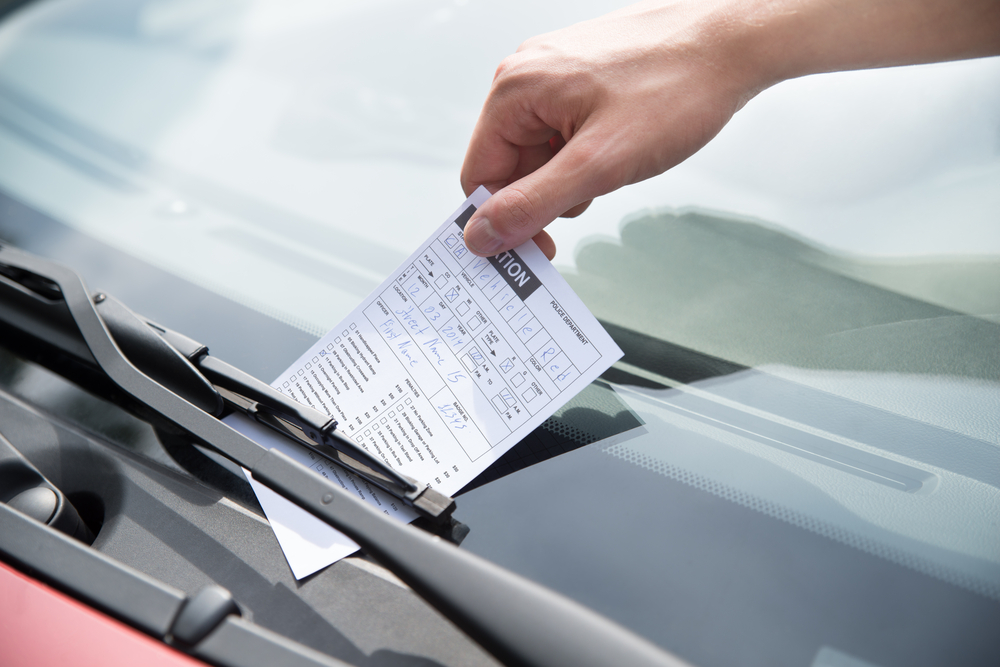
Ignoring an unpaid ticket long enough can escalate into serious legal trouble. Many jurisdictions will issue a bench warrant for your arrest if you fail to appear in court or fail to pay a fine by a specified date. Being arrested carries significant financial implications:
- Bail Costs: You may need to pay bail to be released from custody, which can be a substantial sum, often requiring the services of a bail bondsman who charges a non-refundable percentage of the bail amount.
- Impoundment Fees: If you’re arrested while driving, your vehicle will likely be impounded, incurring towing and daily storage fees that can quickly add up to hundreds of dollars.
- Additional Court Fines and Fees: Appearing in court for a warrant will almost certainly result in additional court costs, fines for contempt of court, and possibly even jail time, depending on the severity and nature of the original offense and your history.
- Legal Representation: If the situation becomes complex, you might need to hire an attorney, which is a significant expense that could be avoided by addressing the original ticket promptly.
These legal consequences represent a dramatic increase in financial pressure and can severely disrupt your life, creating a cascade of unexpected and unwanted expenses.
Credit Score Damage and Long-Term Financial Health
One of the most overlooked but impactful consequences of an unpaid ticket is its potential effect on your credit score and overall financial health. While not all tickets directly appear on your credit report, the actions taken to collect the debt certainly can.
Reporting to Credit Bureaus: A Scar on Your Financial History
If an unpaid ticket goes to a collection agency, that agency is likely to report the delinquent debt to the major credit bureaus (Experian, EquiFax, TransUnion). Once reported, this negative mark becomes part of your credit history, significantly lowering your credit score. A poor credit score acts as a gatekeeper to various financial opportunities, making your financial life considerably more difficult and expensive. It signals to potential lenders, landlords, and even employers that you are a higher risk.
Difficulty Securing Loans or Mortgages: Future Financial Hurdles
A damaged credit score directly impacts your ability to secure future loans, such as auto loans, personal loans, or even a mortgage. Lenders view individuals with poor credit as less reliable borrowers and may either deny credit altogether or offer loans with much higher interest rates. This means you’ll pay more over the life of the loan for things like a car or a home, severely impacting your long-term financial planning and wealth accumulation. The cost of borrowing increases, effectively penalizing you for past financial oversights.
Wage Garnishment and Bank Levies: Direct Attacks on Your Assets
In extreme cases, if a judgment is obtained against you for an unpaid ticket or fine, the court may authorize wage garnishment or a bank levy. Wage garnishment means a portion of your paycheck is legally withheld by your employer and sent directly to the creditor until the debt is paid. A bank levy allows the creditor to seize funds directly from your bank account. These are serious financial interventions that can severely impact your cash flow and ability to meet other financial obligations, representing a direct assault on your earned income and savings. The legal process for obtaining these measures also adds further court costs and fees to your ever-growing debt.
Strategies for Resolution: Mitigating Financial Harm
Facing a mountain of fines and penalties for an unpaid ticket can feel overwhelming, but taking proactive steps can help mitigate the financial damage and restore your financial standing. Ignoring it further is the most costly approach.
Understanding Payment Plans and Negotiation Tactics
Many courts and municipalities offer payment plans for outstanding fines, especially if you can demonstrate financial hardship. Contacting the court clerk or relevant department as soon as possible is crucial. They might allow you to pay the debt in installments, preventing further late fees and legal action. Sometimes, they may even be willing to waive some late fees or collection costs if you commit to a payment plan. Be prepared to explain your situation and propose a realistic payment schedule. Negotiation, while not always possible, can sometimes lead to a reduction in total fees, particularly if you’re dealing directly with the court before a collection agency gets involved.
The Cost-Benefit of Legal Representation
For complex situations, such as multiple unpaid tickets, a suspended license, or an outstanding warrant, consulting with a legal professional can be a wise financial decision. An attorney specializing in traffic law can navigate the legal system, identify potential defenses, negotiate with the court, or help resolve outstanding warrants without further complications. While hiring an attorney involves an upfront cost, their expertise can often save you much more in the long run by preventing harsher penalties, reducing fines, avoiding jail time, and streamlining the process of getting your driving privileges reinstated. They can analyze the cost-benefit of fighting the ticket versus simply paying, providing invaluable financial insight.

Proactive Financial Management: Preventing Future Tickets
The best strategy for dealing with unpaid tickets is to prevent them from occurring in the first place. This involves responsible driving habits, being mindful of parking regulations, and immediately addressing any tickets received. Financially, it’s prudent to set aside a small emergency fund specifically for unexpected expenses like tickets. Familiarize yourself with traffic laws and local ordinances. If you do receive a ticket, pay it promptly by the due date or, if you dispute it, seek legal advice immediately. Timely action prevents the cascade of escalating fines, legal troubles, and long-term financial detriment. Regular financial check-ups and an awareness of your outstanding obligations are key components of safeguarding your financial health against the unexpected costs of ignored infractions.
aViewFromTheCave is a participant in the Amazon Services LLC Associates Program, an affiliate advertising program designed to provide a means for sites to earn advertising fees by advertising and linking to Amazon.com. Amazon, the Amazon logo, AmazonSupply, and the AmazonSupply logo are trademarks of Amazon.com, Inc. or its affiliates. As an Amazon Associate we earn affiliate commissions from qualifying purchases.