
When a patient receives a diagnosis requiring a radical cystectomy—the surgical removal of the bladder—the immediate concerns are naturally centered on oncology, surgical recovery, and long-term physiological adjustments. However, the secondary impact of such a life-altering medical procedure is a profound shift in one’s financial ecosystem. Navigating the cost of cancer care, the logistical expenses of reconstructive surgery, and the ongoing maintenance of urinary diversion systems requires a strategic approach to personal finance that most patients are ill-prepared to manage. Understanding the fiscal realities of this transition is essential for maintaining stability during a period of high vulnerability.
The Immediate Economic Impact of Surgical Intervention
The removal of the bladder is a major surgical undertaking that typically involves an extended hospital stay, specialized anesthesia, and advanced robotic or open surgical techniques. For many patients, the initial “sticker shock” of the surgery is merely the tip of the iceberg.
Insurance Deductibles and Out-of-Pocket Maximums
Regardless of the quality of a health insurance plan, a procedure of this magnitude almost always triggers the maximum out-of-pocket financial liability for the calendar year. Patients should be prepared to pay their full annual deductible and coinsurance obligations within the first few weeks of the surgical window. It is critical to review the specific “in-network” versus “out-of-network” status of the surgical team and the facility, as the difference in cost-sharing can reach tens of thousands of dollars.
The Hidden Costs of Post-Operative Care
Beyond the operating room, there are ancillary expenses that often go overlooked in initial financial planning. These include physical therapy, home health nursing visits, specialized nutritional support, and mobility aids. Furthermore, if the patient must travel to a center of excellence for the procedure, the logistics of lodging, transportation, and meal stipends for caregivers must be factored into the immediate budget. Creating a liquid emergency fund specifically earmarked for the first three months of post-operative recovery is a vital fiscal safeguard.
Long-Term Financial Planning for Urinary Diversion
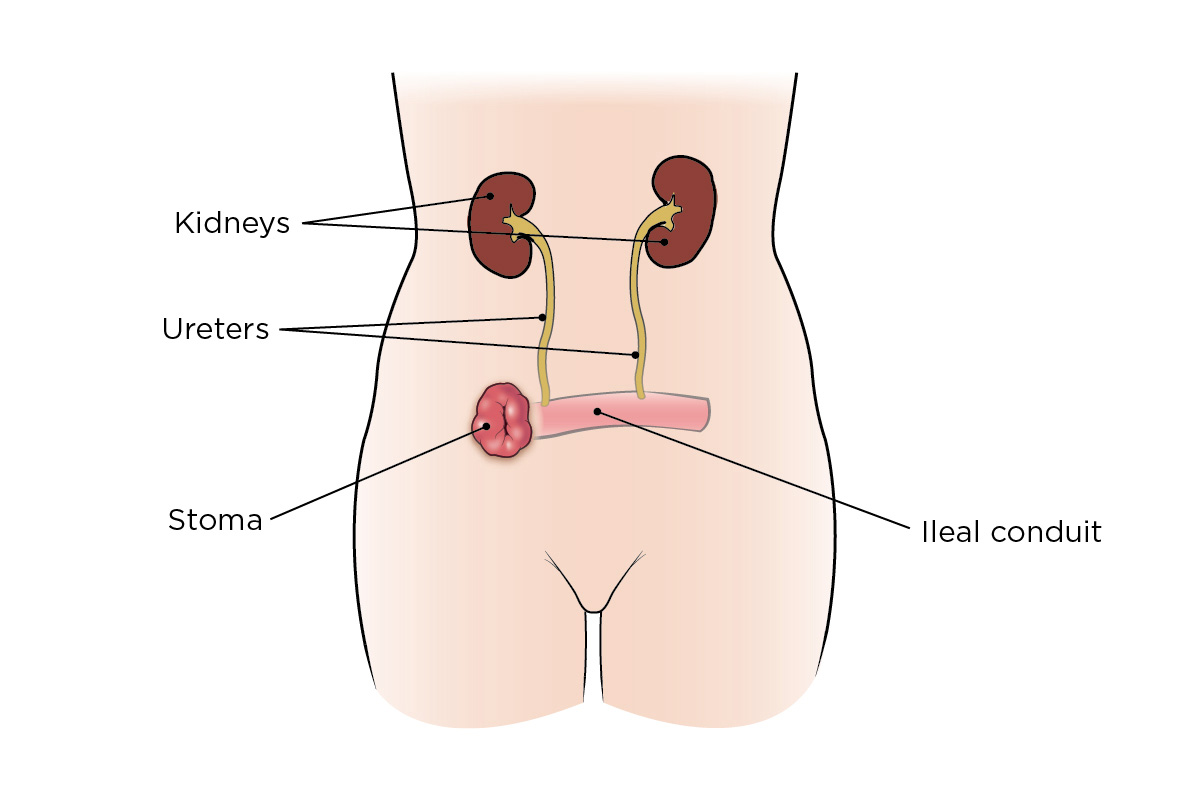
The removal of the bladder necessitates a method of urinary diversion, such as an ileal conduit or a neobladder. Each of these options carries distinct long-term financial implications that impact a household’s recurring monthly expenses.
Recurring Supply Costs
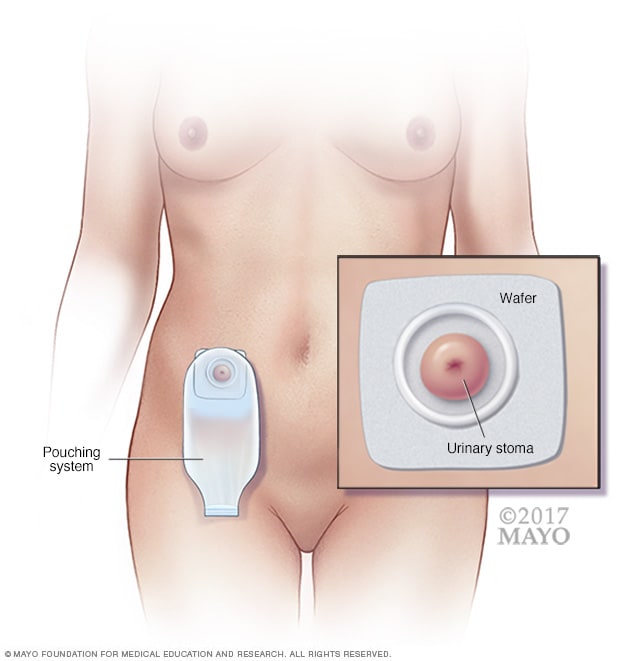
For patients who utilize an external urostomy bag (ileal conduit), the financial commitment becomes a permanent, recurring line item. This involves the monthly purchase of wafers, pouches, adhesives, skin barriers, and odor-neutralizing agents. While these are often covered by medical insurance under Durable Medical Equipment (DME) benefits, the “allowable amount” and frequency limits imposed by insurers can leave patients responsible for significant residual costs. Establishing a relationship with a reliable DME supplier is not just a medical decision; it is a procurement strategy that minimizes unnecessary markups.

Monitoring and Specialized Maintenance
Patients with internal diversions, such as a neobladder or Indiana pouch, face a different financial profile. While they may not have ongoing supply costs, they require regular, specialized follow-ups. These include periodic imaging, blood chemistry panels to monitor acid-base balance, and occasional endoscopic interventions. Long-term budget planning must account for these recurring co-pays and the potential for increased premiums if employer-sponsored healthcare plans change or if the patient transitions to Medicare.
Mitigating Professional and Income Risks
A radical cystectomy often results in a significant period of disability, necessitating a strategic look at income protection and workplace rights. The financial fallout of being unable to work during the recovery period can be more devastating than the surgery itself if not managed with foresight.
Navigating Disability Insurance and FMLA
Before the surgery date is finalized, employees should verify the terms of their Short-Term Disability (STD) and Long-Term Disability (LTD) policies. Understanding the “elimination period”—the time between the onset of the disability and the commencement of benefit payments—is crucial for cash flow management. If a patient is self-employed, the lack of an institutional safety net makes the creation of a “six-month runway” of liquid assets a non-negotiable financial prerequisite.
Workplace Transitions and Career Longevity
Recovery from a radical cystectomy can take several months, and the transition back to the workforce may require accommodations. From a career management perspective, it is wise to document necessary accommodations under the Americans with Disabilities Act (ADA) early in the recovery process. Maintaining professional viability is an essential component of long-term wealth preservation. For those whose roles require strenuous physical labor or extensive travel, a professional pivot to less physically demanding duties may be required, which could influence long-term earning trajectories.
Financial Stewardship and Future-Proofing
The experience of a major surgery acts as a catalyst for refining one’s overall financial strategy. When a health crisis reshapes your lifestyle, it also provides an opportunity to stress-test your investment portfolio and estate planning documents to ensure they are robust enough to withstand future health-related volatility.
Estate Planning and Legal Protections
The financial complexity of life after bladder removal warrants a review of legal directives. A robust estate plan should include a Medical Power of Attorney and a Living Will, which clearly outline preferences for care. From a financial standpoint, ensuring that a trusted individual has the legal authority to manage banking and investment accounts during a period of temporary incapacity prevents the freezing of essential assets.
Reassessing Long-Term Investment Horizons
Medical expenses can easily erode savings if they are not balanced by a well-diversified portfolio. After a significant health event, it is prudent to shift a portion of one’s portfolio toward more liquid, conservative instruments. This liquidity provides a buffer against unforeseen medical inflation. Additionally, engaging with a fee-only financial planner who understands the unique tax implications of medical deductions—such as those allowed under IRS guidelines for unreimbursed medical expenses—can help optimize tax liabilities.
Ultimately, while the bladder removal procedure is a medical milestone, it functions as a financial inflection point. By treating the recovery process with the same level of analytical rigor applied to asset management and business budgeting, patients can minimize the fiscal strain. Financial peace of mind is not merely about the accumulation of wealth; it is about the disciplined management of resources during life’s most challenging transitions. By proactively addressing supply chain costs, income protection, and long-term healthcare inflation, individuals can navigate the post-surgical landscape with confidence, ensuring that their financial legacy remains secure while they focus on their physical recovery and overall well-being.
aViewFromTheCave is a participant in the Amazon Services LLC Associates Program, an affiliate advertising program designed to provide a means for sites to earn advertising fees by advertising and linking to Amazon.com. Amazon, the Amazon logo, AmazonSupply, and the AmazonSupply logo are trademarks of Amazon.com, Inc. or its affiliates. As an Amazon Associate we earn affiliate commissions from qualifying purchases.