
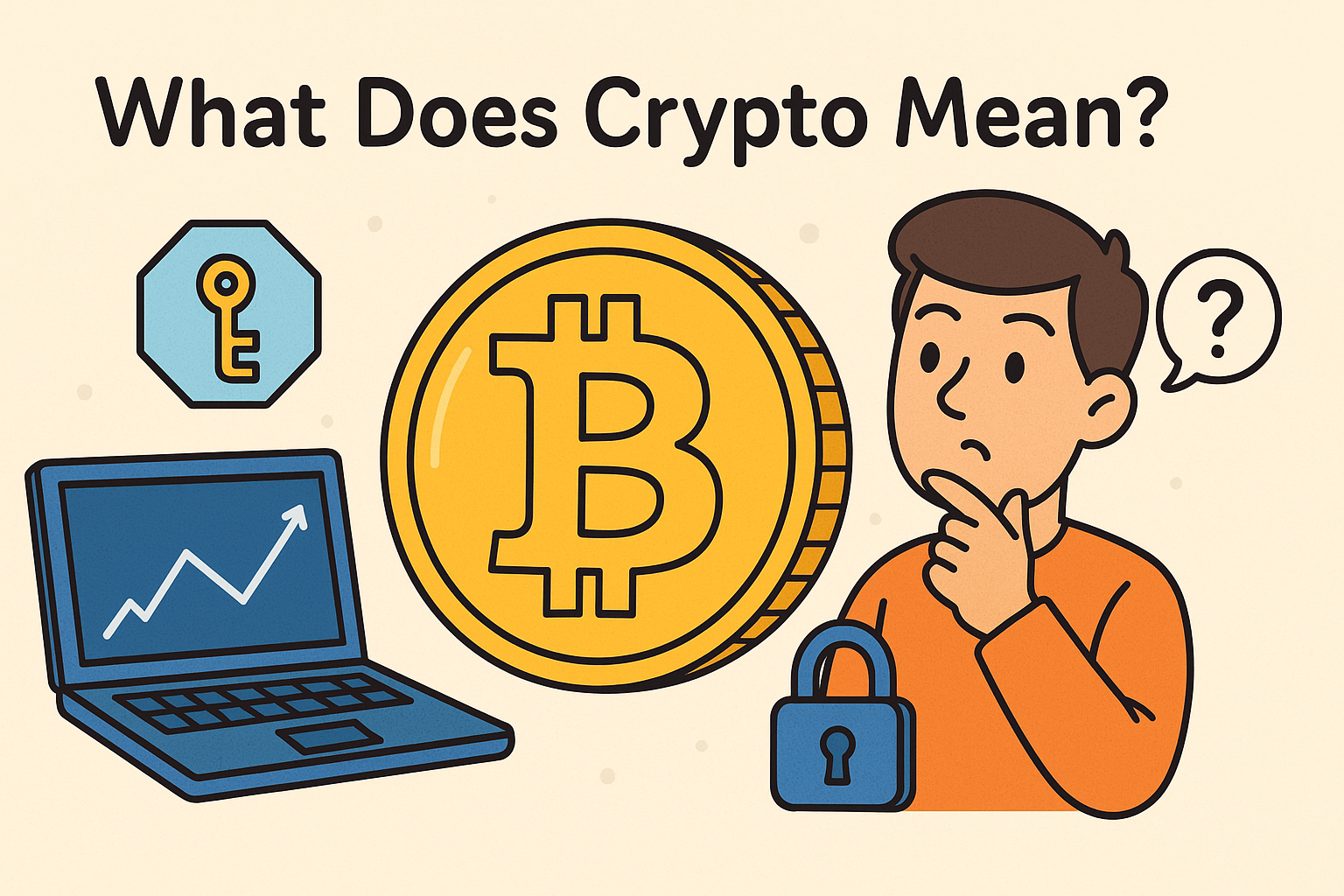
Cryptocurrency, a term that has rapidly permeated global discourse, represents a fundamental shift in how we perceive and interact with money. At its core, it is a digital or virtual currency secured by cryptography, making it nearly impossible to counterfeit or double-spend. Unlike traditional fiat currencies issued by governments (like the US Dollar or Euro), most cryptocurrencies are decentralized, meaning they are not subject to government or financial institution control. This independence from central authorities is a defining characteristic and a key driver of its financial implications.
The advent of cryptocurrency marks a pivotal moment in the evolution of finance, challenging conventional economic models and introducing a new paradigm for asset ownership, transactions, and wealth management. Understanding its meaning transcends a mere definition; it requires grasping its underlying technology, its role as an investment vehicle, and its potential to reshape the financial landscape.

The Digital Revolution of Money
The emergence of cryptocurrency is often hailed as a digital revolution, offering an alternative to the centuries-old system of centralized banking and government-issued money. This revolution is powered by innovative technologies and foundational principles that redefine trust and security in financial transactions.
Beyond Traditional Currencies
Traditional currencies, or fiat money, derive their value from government decree and public trust in the issuing authority. They are centralized, managed by central banks, and their supply can be influenced by monetary policy decisions. Cryptocurrency operates on an entirely different premise. It is a form of digital money that exists purely online and is not physically embodied. Its value is determined by market demand, utility, and the collective trust of its network participants, rather than by a central bank.
The decentralization aspect is critical. Instead of relying on banks to verify transactions and maintain ledgers, cryptocurrency networks distribute this responsibility across a global network of computers. This distributed control aims to reduce the risk of censorship, manipulation, and single points of failure, offering a financial system that is theoretically more resilient and accessible to anyone with an internet connection. This shift fundamentally alters the control and power dynamics in financial systems, moving it from institutions to individuals.
The Blockchain Backbone
The technological bedrock of virtually all cryptocurrencies is blockchain. Imagine a digital ledger that is not stored in one central location but is instead duplicated and distributed across thousands of computers globally. Every transaction that occurs within the network is recorded as a “block” of data. Once verified by the network, this block is added to a chain of previous blocks, creating an immutable and transparent history of all transactions.
From a financial perspective, blockchain offers unprecedented transparency and security. Because each block is cryptographically linked to the previous one, and copies of the ledger exist on numerous nodes, it is incredibly difficult to alter or tamper with past transactions without detection. This immutability ensures the integrity of financial records, eliminating the need for intermediaries to verify authenticity. For investors and users, this means a higher degree of trust in the system’s ability to accurately record ownership and transfer of value, without the costs and delays associated with traditional financial intermediaries.
Cryptography for Security
The “crypto” in cryptocurrency refers to the advanced cryptographic techniques employed to secure transactions and control the creation of new units. Cryptography ensures the authenticity of transactions and protects the privacy of users. Each transaction is encrypted and digitally signed by the sender, proving ownership of the funds without revealing the sender’s identity (in most cases, though transactions are public, identities linked to wallet addresses can be pseudonymous).
This cryptographic security is paramount for the financial integrity of cryptocurrencies. It prevents fraud, such as double-spending (the act of spending the same digital currency twice), and ensures that only the rightful owner can initiate a transfer of their digital assets. For individuals and businesses engaging with cryptocurrencies, this robust security framework is a cornerstone of trust, mitigating risks commonly associated with digital assets and establishing a verifiable system of ownership in a decentralized environment.
Understanding Cryptocurrency as an Asset Class
Beyond its function as a medium of exchange, cryptocurrency has rapidly evolved into a significant and distinctive asset class within the global financial markets. Its unique characteristics demand a different analytical framework compared to traditional stocks, bonds, or commodities.
Volatility and Risk
One of the most defining features of cryptocurrency as an investment is its inherent volatility. Prices can experience dramatic fluctuations within short periods, driven by factors such as market sentiment, regulatory news, technological developments, macroeconomic trends, and even social media activity. This high degree of price movement presents both significant opportunities for gain and substantial risks of loss.
For investors, understanding this volatility is paramount. It means that while the potential for exponential returns exists, so too does the potential for rapid and significant capital depreciation. This makes cryptocurrencies a high-risk investment and typically unsuitable for those with a low-risk tolerance or for whom capital preservation is the primary objective. Prudent financial planning dictates that one should only invest what they can comfortably afford to lose when dealing with such volatile assets.
Potential for Returns
Despite the risks, the appeal of cryptocurrency as an asset class largely stems from its historical performance and the potential for substantial returns. Over the past decade, early investors in prominent cryptocurrencies like Bitcoin and Ethereum have seen astronomical appreciation in value. This growth is often attributed to increasing adoption, technological innovation, limited supply (for some cryptocurrencies), and growing institutional interest.
The narrative of “getting in early” has fueled considerable interest from retail and institutional investors alike, seeking to diversify portfolios and capitalize on a nascent, yet rapidly expanding, digital economy. However, it is crucial to recognize that past performance is not indicative of future results, and the market matures, the extraordinary gains seen in the past may become less frequent or harder to achieve. The potential for returns must always be weighed against the significant risks involved.
Diversification Strategy
For many sophisticated investors, cryptocurrencies are being considered as a component of a diversified investment portfolio. The argument for including crypto in a portfolio often rests on its low correlation with traditional asset classes like stocks and bonds. This low correlation means that cryptocurrency prices may not move in lockstep with traditional markets, potentially offering diversification benefits during periods of market downturns in other sectors.
However, the appropriate allocation to cryptocurrency depends heavily on an individual’s financial goals, risk tolerance, and investment horizon. Financial advisors often recommend a small percentage allocation (e.g., 1-5%) for those looking to gain exposure, recognizing its speculative nature. A well-diversified portfolio aims to spread risk across various asset types, and while crypto can offer a new dimension, its inclusion must be strategic and aligned with a broader financial plan.
The Mechanics of Acquiring and Managing Digital Assets
Engaging with cryptocurrency requires navigating a specific set of tools and processes for buying, selling, and securing these digital assets. These mechanics are central to understanding its practical financial application.
Exchanges and Wallets
The primary gateway for most individuals to acquire cryptocurrencies is through cryptocurrency exchanges. These platforms, similar to traditional stock brokers, allow users to buy and sell various digital assets using fiat currency or other cryptocurrencies. Exchanges facilitate price discovery, liquidity, and the matching of buyers and sellers. It’s crucial for investors to choose reputable exchanges with strong security measures, competitive fees, and a wide range of supported assets.
Once acquired, cryptocurrencies are stored in digital “wallets.” These wallets don’t actually hold the cryptocurrency itself (which resides on the blockchain), but rather store the cryptographic keys that prove ownership and allow access to one’s funds. Wallets come in various forms: “hot wallets” (online, connected to the internet, e.g., exchange wallets, mobile apps) and “cold wallets” (offline, more secure, e.g., hardware wallets, paper wallets). The choice of wallet significantly impacts the security of one’s digital assets, with cold storage generally recommended for larger holdings due to reduced risk of cyber theft. Understanding secure wallet management is fundamental to protecting one’s financial investment in crypto.
Transaction Costs and Fees
Transacting with cryptocurrencies often involves various costs and fees, which can impact profitability and the effective value of one’s holdings. These can include:
- Trading Fees: Charged by exchanges for buying and selling cryptocurrencies. These can be percentage-based or flat fees.
- Withdrawal Fees: Levied by exchanges for moving cryptocurrency off their platform to an external wallet.
- Network Fees (Gas Fees): These are paid to the miners or validators who process and secure transactions on the blockchain network. They fluctuate based on network congestion and the complexity of the transaction. For example, Ethereum’s “gas fees” can vary significantly, directly impacting the cost of transferring assets or interacting with decentralized applications (DApps).
Understanding and accounting for these fees is vital for financial planning, especially for frequent traders or those making smaller transactions, as they can significantly erode potential gains or increase transaction costs.
Taxation Implications
A critical, and often complex, aspect of managing cryptocurrency holdings is understanding the tax implications. Tax regulations surrounding cryptocurrencies vary significantly by jurisdiction and are continually evolving. Generally, most tax authorities classify cryptocurrency as property or an asset, meaning that capital gains from selling or exchanging crypto for a profit are taxable events. Income derived from activities like mining, staking, or receiving crypto as payment for goods/services is also typically considered taxable income.
Investors must maintain meticulous records of all cryptocurrency transactions, including acquisition dates, costs, sale prices, and fair market value at the time of disposition. Failing to report cryptocurrency activities correctly can lead to significant penalties. Consulting with a tax professional specializing in digital assets is highly advisable to ensure compliance with local tax laws and to optimize one’s financial position.
Cryptocurrency’s Role in Modern Finance
Cryptocurrency is not merely an alternative investment; it is actively shaping and influencing the broader landscape of modern finance, offering new paradigms for services, payments, and the future of economic interaction.
Decentralized Finance (DeFi)
Perhaps one of the most transformative applications of cryptocurrency technology is the rise of Decentralized Finance (DeFi). DeFi aims to recreate traditional financial services – such as lending, borrowing, insurance, and trading – using blockchain technology, without relying on central intermediaries like banks or brokers. Instead, these services operate through self-executing smart contracts on a blockchain, primarily Ethereum.
DeFi platforms allow users to earn interest on their crypto holdings, take out loans using crypto as collateral, and trade assets peer-to-peer. This open, transparent, and permissionless system promises to democratize finance, making services accessible to anyone globally, potentially at lower costs and with greater efficiency than traditional systems. For the financial sector, DeFi represents a significant disruption and an area of immense innovation and investment.
Payments and Remittances
Beyond investment, cryptocurrencies offer a compelling alternative for payments and remittances, especially across international borders. Traditional international money transfers can be slow, expensive, and subject to various intermediary fees. Cryptocurrencies, with their peer-to-peer nature and global reach, can facilitate faster and often cheaper cross-border transactions.
Businesses are exploring cryptocurrency for supply chain payments, and individuals use it for sending money to family abroad, particularly in regions with limited access to traditional banking services. While volatility remains a challenge for everyday spending, the underlying technology offers a glimpse into a future where value can be transferred globally with the speed and efficiency of sending an email, fundamentally altering the economics of international trade and personal remittances.
Future of Money and Digital Economy
The broader implication of cryptocurrency extends to the very future of money and the architecture of the digital economy. Central banks worldwide are actively researching and, in some cases, developing their own Central Bank Digital Currencies (CBDCs). These are digital versions of fiat currency, issued and backed by the central bank, which would coexist with physical cash and traditional bank deposits. While distinct from decentralized cryptocurrencies, the exploration of CBDCs is a direct response to the innovation sparked by projects like Bitcoin, acknowledging the increasing demand for digital forms of money and efficient digital payment systems.
Cryptocurrency also underpins the concept of Web3, a proposed new iteration of the World Wide Web incorporating decentralization and token-based economics. In this vision, digital assets, ownership, and financial interactions become integral to how individuals engage with online services, create content, and participate in virtual economies. This signals a future where financial operations are deeply interwoven with digital identity and online activity, requiring a fundamental shift in understanding financial control and ownership in a virtual space.
Navigating the Cryptocurrency Landscape Responsibly
Engaging with cryptocurrencies, whether as an investment or a transactional tool, requires a responsible and informed approach to mitigate risks and capitalize on potential opportunities.
Due Diligence and Research
The cryptocurrency market is vast and constantly evolving, with thousands of different cryptocurrencies and projects. It is prone to scams, misleading information, and speculative bubbles. Therefore, thorough due diligence and independent research are absolutely essential. Before investing in any cryptocurrency, individuals should:
- Understand the Technology: Research the underlying blockchain technology, its purpose, and its real-world applications.
- Read Whitepapers: Analyze the project’s whitepaper, which outlines its goals, roadmap, and technical specifications.
- Assess the Team: Investigate the credibility and experience of the development team and advisors.
- Evaluate Market Capitalization and Liquidity: Understand the size and trading volume of the asset.
- Monitor Community and Development Activity: Active development and a strong community can indicate a healthy project.
Blindly following social media trends or relying on speculative tips without personal research is a recipe for financial loss in this volatile market.
Risk Management and Investment Principles
Successful engagement with cryptocurrency hinges on adhering to sound financial risk management principles:
- Only Invest What You Can Afford to Lose: Given the extreme volatility, consider any investment in cryptocurrency as high-risk capital.
- Start Small and Learn: Begin with a modest investment and gradually increase exposure as your understanding and comfort level grow.
- Diversify (Within Crypto and Across Assets): While the market is volatile, diversifying across different cryptocurrencies can reduce risk, but more importantly, diversify outside crypto into traditional assets.
- Long-Term vs. Short-Term: Decide whether you are investing for short-term gains (which entails higher risk and requires active trading) or long-term growth (requiring patience and belief in the underlying technology).
- Security Best Practices: Implement strong cybersecurity measures, including strong, unique passwords, two-factor authentication (2FA), and secure wallet management practices.
Treating cryptocurrency as a legitimate, albeit high-risk, asset class within a broader financial plan is key to responsible participation.

Regulatory Environment
The regulatory landscape for cryptocurrencies is a dynamic and complex patchwork, varying significantly from country to country. Governments and financial authorities are grappling with how to classify, regulate, and oversee this new asset class to protect investors, prevent illicit activities, and maintain financial stability. Some countries have embraced cryptocurrencies, while others have imposed strict restrictions or outright bans.
This evolving regulatory environment directly impacts the financial feasibility and legality of cryptocurrency activities. Regulatory clarity, when it emerges, can bring stability and foster institutional adoption, but uncertainty can create market apprehension. Staying informed about the latest regulatory developments in one’s jurisdiction is not just a matter of compliance but also a critical component of assessing the ongoing financial risks and opportunities associated with cryptocurrency.
aViewFromTheCave is a participant in the Amazon Services LLC Associates Program, an affiliate advertising program designed to provide a means for sites to earn advertising fees by advertising and linking to Amazon.com. Amazon, the Amazon logo, AmazonSupply, and the AmazonSupply logo are trademarks of Amazon.com, Inc. or its affiliates. As an Amazon Associate we earn affiliate commissions from qualifying purchases.