
A recession is a period of significant economic contraction, typically defined by a decline in real GDP for two consecutive quarters, coupled with rising unemployment, reduced consumer spending, and dampened business activity. It’s a challenging time for individuals, businesses, and governments alike. One of the most critical economic levers that central banks pull during such periods is the interest rate. Understanding how interest rates behave during a recession, and why, is fundamental to comprehending the dynamics of economic recovery and the strategies employed by policymakers to steer economies back to health.
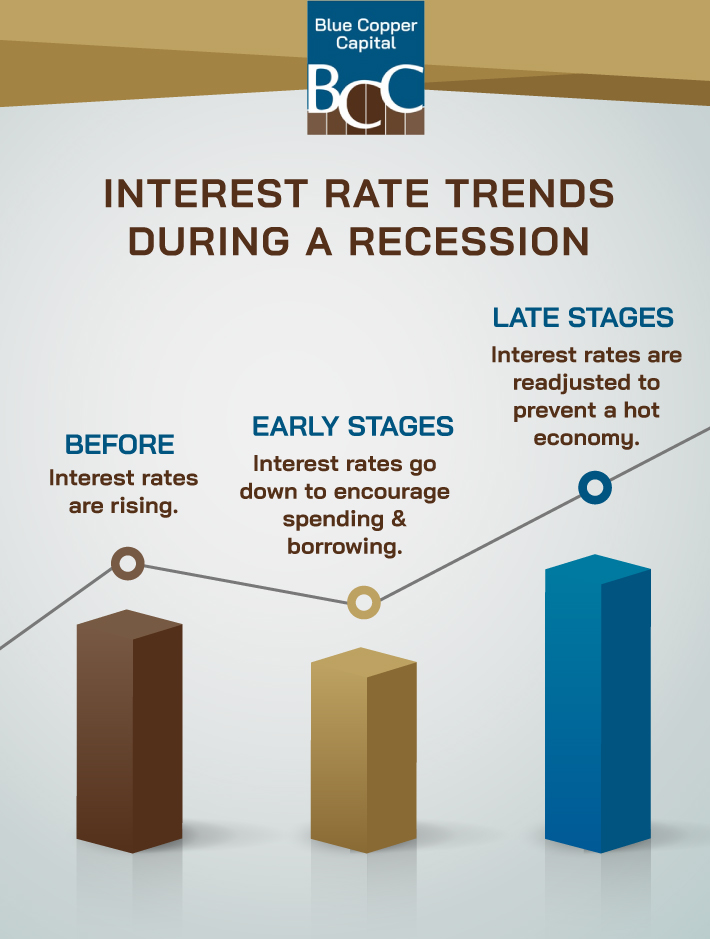
Interest rates are essentially the cost of borrowing money or the return on saving money. They influence everything from mortgage payments and credit card debt to business investment decisions and the value of savings accounts. When an economy enters a recession, the immediate concern for policymakers is often to stimulate activity, prevent further contraction, and restore confidence. Lowering interest rates is a primary tool in this arsenal, designed to make borrowing cheaper, encourage spending and investment, and inject liquidity into the financial system. However, the interplay is complex, involving multiple types of rates, a variety of economic actors, and a host of potential challenges.
The Role of Central Banks and Monetary Policy
The primary institution responsible for managing interest rates and monetary policy in most developed economies is the central bank. In the United States, this is the Federal Reserve (the “Fed”); in Europe, the European Central Bank (ECB); and in the UK, the Bank of England. Their actions during a recession are pivotal.
Understanding the Federal Reserve (or Equivalent Central Bank)
Central banks are often tasked with a dual mandate: achieving maximum sustainable employment and maintaining price stability (i.e., controlling inflation). During a recession, the focus often shifts heavily towards the employment side of the mandate, as job losses accelerate and economic activity stagnates. Price stability might become a secondary concern, especially if deflation (a general fall in prices) is a more immediate threat than inflation. They operate independently of government, ideally to ensure decisions are made based on economic data rather than political expediency.
How Central Banks Influence Interest Rates
Central banks do not directly set all interest rates. Instead, they influence a benchmark, or “policy rate,” which then cascades through the financial system. For the Federal Reserve, this is the federal funds rate – the target rate for overnight borrowing between banks. By buying or selling government securities (Open Market Operations), or by adjusting the interest paid on reserves, the Fed can influence the supply of money in the banking system, thereby pushing the federal funds rate up or down. A lower federal funds rate makes it cheaper for banks to borrow from each other, which theoretically translates to lower lending rates for consumers and businesses.
The Rationale Behind Rate Cuts During a Recession
The logic behind cutting interest rates during a recession is straightforward:
-
Stimulate Borrowing and Spending: Lower rates make it cheaper for consumers to take out mortgages, auto loans, and other forms of credit. This encourages spending on big-ticket items, which drives demand.
-
Boost Business Investment: For businesses, lower borrowing costs mean that investment projects (e.g., building a new factory, buying new equipment, hiring more staff) become more financially viable. This can lead to job creation and economic expansion.
-
Reduce Debt Burden: For individuals and businesses already carrying debt, lower interest rates can reduce their monthly payments, freeing up cash for other uses or reducing financial stress.
-
Weaken Currency (Potentially): Lower rates can make a country’s assets less attractive to foreign investors, potentially leading to a depreciation of the currency. While not always a direct goal, a weaker currency can make exports cheaper and imports more expensive, boosting net exports and domestic industries.
Impact on Different Types of Interest Rates
While the central bank primarily targets a single policy rate, its influence ripples across the entire spectrum of financial instruments, affecting various interest rates differently.
Short-Term vs. Long-Term Rates
Central bank policy actions have the most direct and immediate impact on short-term interest rates. The federal funds rate directly affects overnight lending rates, and its changes quickly translate to rates on instruments like Treasury bills, commercial paper, and short-term bank loans. Long-term rates, such as those on 10-year Treasury bonds or 30-year mortgages, are influenced by a broader set of factors, including inflation expectations, the market’s outlook on future short-term rates, and global capital flows. During a recession, however, even long-term rates tend to fall as investors flock to safe-haven assets like government bonds, pushing up bond prices and pushing down their yields (interest rates). This can sometimes lead to a “flattening” or even “inversion” of the yield curve, where short-term rates are higher than long-term rates – often considered a predictor of recession.
Consumer Lending Rates (Mortgages, Auto Loans, Credit Cards)
-
Mortgages: Mortgage rates are heavily influenced by bond yields, particularly those on long-term government bonds and mortgage-backed securities. When central banks cut rates and investors seek safety, bond yields fall, typically translating to lower mortgage rates. This makes homeownership more affordable and can stimulate the housing market, a critical component of economic recovery.
-
Auto Loans: Similar to mortgages, auto loan rates usually decrease in response to central bank rate cuts. This reduces the monthly cost of financing a vehicle, encouraging consumers to purchase new cars, which benefits the automotive industry.
-
Credit Cards: Credit card interest rates are often more sticky and less responsive to central bank rate cuts. Many credit card rates are tied to the prime rate (which follows the federal funds rate), but they also incorporate a significant risk premium due to the unsecured nature of the debt. While they may see some reduction, the percentage drop is often less dramatic than for secured loans like mortgages.
Savings and Investment Rates
For savers, a recession with falling interest rates presents a challenge.
-
Savings Accounts and CDs: Interest rates on traditional savings accounts, money market accounts, and Certificates of Deposit (CDs) tend to fall significantly during a recession. Banks pass on the lower cost of funds, meaning savers earn less on their deposits. This can disincentivize saving and encourage consumption, which is part of the central bank’s goal.
-
Bond Yields: As discussed, bond prices generally rise as interest rates fall during a recession, meaning new bonds issued will carry lower yields. Existing bondholders might see capital gains, but new investors will earn less interest income.
Business Lending Rates
Businesses seeking capital for operations, expansion, or even just to weather the downturn benefit from lower interest rates. Short-term corporate loans, lines of credit, and bonds issued by companies typically become cheaper. This can be crucial for businesses struggling with reduced revenues, allowing them to refinance debt at lower costs or access capital for essential investments that might otherwise be unaffordable.
Broader Economic Implications of Interest Rate Changes in a Recession
The ripple effects of interest rate movements extend far beyond the direct cost of borrowing and saving, influencing various facets of the broader economy.
Stimulating Economic Activity
The primary goal of cutting interest rates during a recession is to reignite economic activity. By reducing borrowing costs, central banks aim to encourage consumers to buy houses and cars, and businesses to invest in new projects and hire staff. This injection of cheaper capital is designed to reverse the downward spiral of reduced demand and production, fostering growth and job creation. The hope is that this leads to a virtuous cycle where increased spending leads to increased production, more jobs, and further spending.
Inflationary Pressures (or Lack Thereof)
During a typical economic expansion, significant rate cuts might risk stoking inflation. However, in a recession, the primary concern is often disinflation (slowing inflation) or even deflation (a sustained fall in prices). Demand is weak, and businesses are often hesitant to raise prices. In such an environment, the risk of inflation from rate cuts is usually minimal. In fact, cutting rates can help prevent a deflationary spiral, where falling prices lead consumers to postpone purchases (expecting even lower prices), which further stifles demand and exacerbates the recession.
Impact on Asset Prices
-
Stock Market: Lower interest rates can generally be positive for the stock market. Cheaper borrowing costs can boost corporate profits, and lower discount rates used in valuation models can increase the present value of future earnings. Moreover, when fixed-income investments (like bonds and savings accounts) offer very low returns, investors may be “pushed” into equities in search of higher yields.
-
Bond Market: As interest rates fall, bond prices (especially for existing bonds with higher fixed coupon payments) typically rise, offering capital gains to current bondholders. New bonds, however, will be issued at lower yields.
-
Real Estate: Lower mortgage rates make real estate more affordable, often leading to increased demand and potentially higher property values. However, during a severe recession, factors like job losses and economic uncertainty can counteract this effect.
Currency Implications
When a central bank significantly lowers interest rates, it can make that country’s currency less attractive to foreign investors. This is because the return on investments (like bonds) denominated in that currency will be lower. As foreign investors sell the currency, its value can depreciate relative to other currencies. While this can make imports more expensive, it also makes the country’s exports cheaper and more competitive on the global market, potentially providing a boost to domestic industries that rely on exports.
Challenges and Limitations of Interest Rate Policy in a Recession
While interest rate cuts are a powerful tool, they are not a panacea and face several limitations, especially in severe recessions.
The Zero Lower Bound (ZLB) and Quantitative Easing (QE)
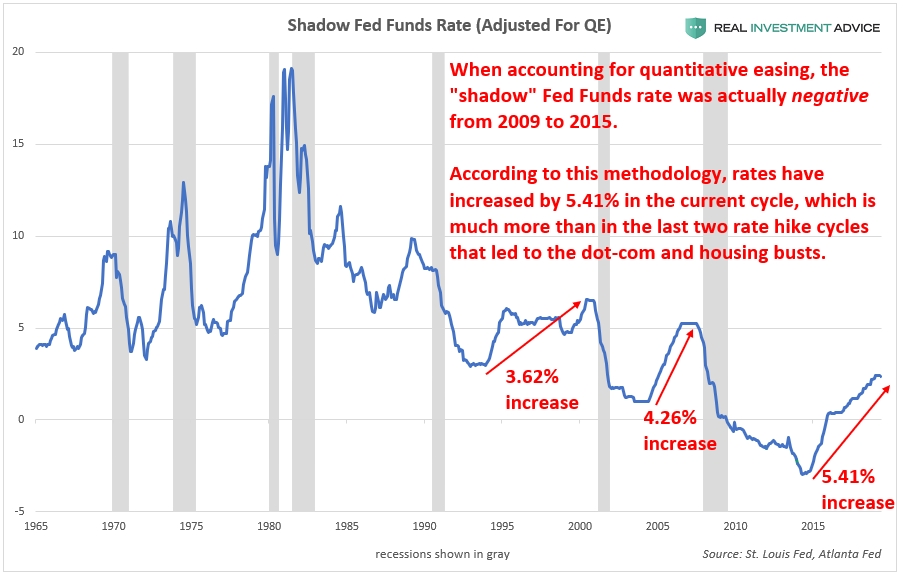
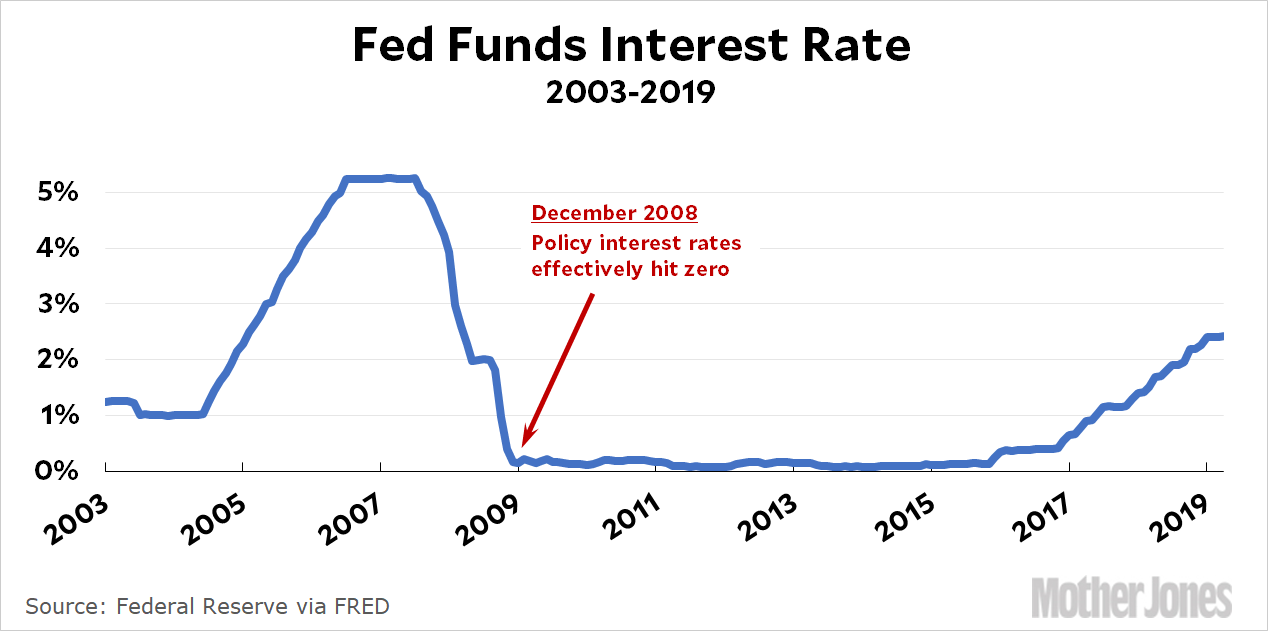
The most significant limitation is the “zero lower bound” (ZLB). Interest rates cannot fall indefinitely; there’s a practical limit at or near zero. Once the policy rate hits zero, central banks can no longer cut rates to stimulate the economy. In such situations, they resort to unconventional monetary policies, most notably Quantitative Easing (QE). QE involves the central bank buying large quantities of long-term government bonds and other financial assets from the open market. The goal is to further depress long-term interest rates, inject liquidity into the financial system, and signal the central bank’s commitment to keeping rates low for an extended period.
Confidence and Demand
Even with extremely low interest rates, economic activity may not pick up if consumer and business confidence remains low. If businesses are uncertain about future demand, they won’t invest or hire, regardless of how cheap borrowing is. Similarly, if consumers fear job loss or have accumulated too much debt, they may choose to save rather than spend, even with attractive loan rates. This phenomenon is sometimes referred to as “pushing on a string,” where monetary policy becomes less effective.
Debt Accumulation
While lower rates can ease the burden of existing debt, they can also encourage further borrowing, potentially leading to an accumulation of new debt by households and businesses. If not managed carefully, this can create vulnerabilities that could trigger future financial instability once rates eventually rise again.
Savers’ Dilemma
Persistent low interest rates during a prolonged recession create a difficult situation for savers, especially retirees and others who rely on interest income from their savings. Their fixed income streams diminish, potentially forcing them to take on more risk in other assets or reduce their living standards. This can exacerbate income inequality and create social challenges.
In conclusion, when a recession hits, the central bank typically responds by aggressively cutting interest rates. This is a deliberate and primary strategy aimed at making borrowing cheaper, stimulating spending and investment, and preventing a deeper economic slump. The effects cascade through the economy, impacting everything from mortgage payments to business expansion plans and asset prices. While a powerful tool, interest rate policy has its limitations, particularly when rates approach zero, requiring central banks to deploy more unconventional measures. Understanding this dynamic is crucial for anyone navigating the complexities of economic downturns, offering insights into the policy levers designed to foster recovery and stability.
aViewFromTheCave is a participant in the Amazon Services LLC Associates Program, an affiliate advertising program designed to provide a means for sites to earn advertising fees by advertising and linking to Amazon.com. Amazon, the Amazon logo, AmazonSupply, and the AmazonSupply logo are trademarks of Amazon.com, Inc. or its affiliates. As an Amazon Associate we earn affiliate commissions from qualifying purchases.