
In today’s dynamic economic landscape, the question “how can I make some money?” resonates with individuals from all walks of life. Whether you’re looking to supplement your existing income, escape the traditional 9-to-5, build a nest egg, or simply improve your financial standing, the pathways to earning are more diverse and accessible than ever before. This guide will explore a multitude of strategies, from foundational financial planning to leveraging digital opportunities and long-term wealth building, offering a holistic perspective on increasing your income and achieving your financial aspirations. It’s not just about earning more, but about earning smarter, aligning your efforts with your skills, passions, and personal goals. The journey to financial growth is deeply personal, requiring self-assessment, strategic planning, and a willingness to adapt. By understanding the various avenues available and equipping yourself with the right knowledge and tools, you can transform the desire to make money into actionable steps that lead to lasting financial security and independence.

Understanding Your Financial Landscape and Goals
Before embarking on any income-generating venture, it’s crucial to take stock of your current financial situation and clearly define what “making money” means to you. This foundational step provides clarity, helping you choose the most suitable strategies and set realistic expectations for your journey. Without a clear understanding of your starting point and desired destination, even the most promising opportunities can lead to frustration.
Assessing Your Current Financial Situation
Start by conducting a thorough audit of your finances. This involves listing all your income sources, however small, and meticulously tracking your expenses. Understanding where your money currently comes from and, more importantly, where it goes, is the bedrock of financial planning. Look at your assets (savings, investments, property) and liabilities (debts like credit cards, loans, mortgage). This holistic view reveals your net worth and identifies areas where you might be unknowingly bleeding funds. A clear picture of your current state helps you understand your baseline income needs, identify potential capital for investment, and highlight any financial burdens that need to be addressed. It also helps you determine how much time and effort you can realistically dedicate to new income streams.
Defining Your Income Goals
The phrase “make some money” is deliberately vague. To effectively pursue this goal, you need to quantify it. Are you aiming for an extra $500 a month to cover bills, $2,000 a month to accelerate debt repayment, or a full-time income replacement? Is your goal short-term, such as saving for a specific purchase, or long-term, like retirement planning or building significant wealth? Specific, measurable, achievable, relevant, and time-bound (SMART) goals are essential. For example, instead of “I want to make more money,” aim for “I want to earn an additional $1,000 per month by starting a freelance writing business within the next six months.” These defined objectives will guide your choices and motivate your efforts.
Identifying Your Skillset and Resources
What unique talents, knowledge, or experiences do you possess? Your skills, hobbies, and even your personal network are valuable resources in your quest to generate income. Perhaps you’re adept at graphic design, fluent in a second language, skilled in home repairs, or have a knack for social media. Consider what tools, equipment, or capital you already have at your disposal. This inventory of your human and physical capital will help you identify the most viable and enjoyable paths to making money, turning existing strengths into lucrative opportunities. Don’t underestimate soft skills either, such as problem-solving, communication, or organization; these are transferable and highly valued in various income-generating roles.
Exploring Diverse Avenues for Income Generation
With a clear understanding of your financial landscape and goals, it’s time to delve into the various pathways you can take to make money. These avenues range from traditional employment to entrepreneurial ventures, each with its own requirements, risks, and rewards. The key is to find the right fit for your situation, skills, and aspirations.
Traditional Employment and Career Advancement
For many, the most straightforward path to making money is through a job. If you’re currently employed, consider strategies for career advancement:
-
Skill Development and Certifications: Invest in courses or certifications that enhance your value to your employer, making you eligible for promotions or higher-paying roles.
-
Negotiating Salary and Benefits: Regularly assess your market value and be prepared to negotiate for better compensation during performance reviews or when accepting new positions.
-
Networking: Building strong professional relationships can open doors to new opportunities within your current company or in other organizations.
If you’re unemployed or seeking a career change, focus on identifying industries with high demand and aligning your skills with those opportunities. Optimize your resume and interview skills to secure a position that offers a stable and sufficient income.
The Power of Side Hustles
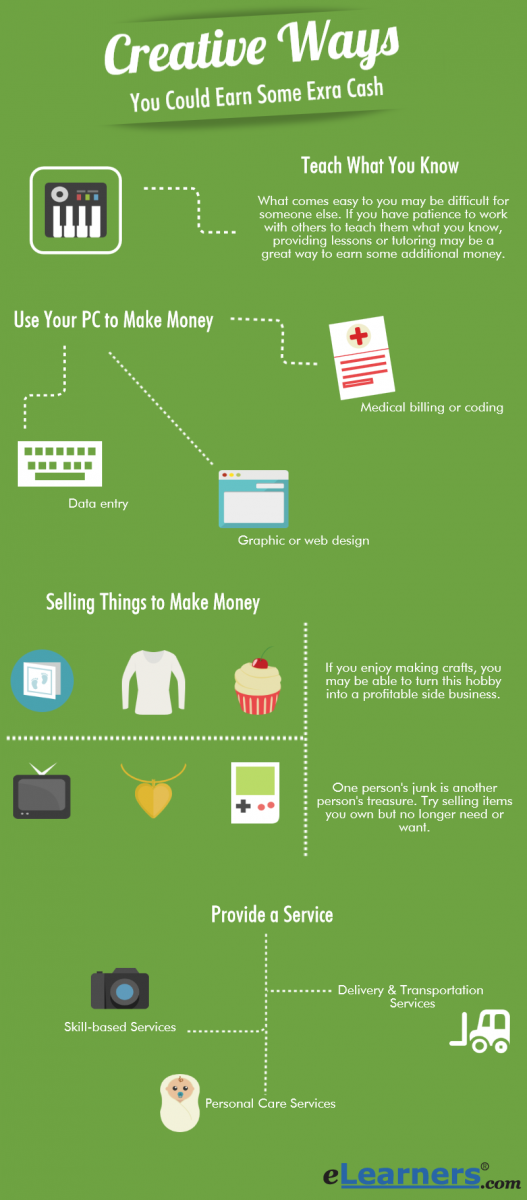
Side hustles are an excellent way to supplement your primary income or even test out new business ideas with minimal risk. These are typically part-time endeavors undertaken outside of your main job.
-
Gig Economy Services: Platforms like Uber, Lyft, DoorDash, and Instacart allow you to earn money on your own schedule by providing transportation, delivery, or other services.
-
Freelancing (Offline): Offer local services such as pet sitting, house cleaning, tutoring, gardening, or handyman work. Word-of-mouth and local online marketplaces can be great for finding clients.
-
Selling Crafts or Goods: If you have a creative talent, consider selling handmade items on platforms like Etsy or at local markets. You could also buy goods wholesale and resell them for a profit.
-
Rentals: If you have spare space, consider renting out a room on Airbnb, or even renting out equipment you own, like tools or sports gear.
Side hustles offer flexibility and can be tailored to fit your available time and specific interests, providing an immediate boost to your income.
Venturing into Entrepreneurship and Business Ownership
For those with a higher risk tolerance and a strong drive, starting your own business can lead to significant financial rewards and personal fulfillment. This path requires more upfront investment of time, effort, and often capital, but the potential for scalability and independence is vast.
-
Small Business Ventures: This could involve opening a brick-and-mortar store, starting a consulting firm, launching a local service business (e.g., catering, event planning), or even creating a unique product.
-
Franchising: Buying into an established franchise can offer a proven business model and brand recognition, reducing some of the risks associated with starting from scratch.
-
Online Businesses (beyond freelancing): This covers a broad spectrum, from e-commerce stores (selling physical or digital products), SaaS (Software as a Service) companies, to digital agencies. The scalability of online businesses often means they can reach a global audience.
Entrepreneurship demands resilience, problem-solving skills, and a willingness to learn continuously. It’s a journey that can provide not just money, but also a sense of purpose and control over your financial destiny.
Leveraging Digital Platforms for Online Income
The internet has democratized access to income-generating opportunities, allowing individuals to earn money from virtually anywhere in the world. Digital platforms offer unprecedented flexibility and reach, making online income a highly attractive option for many.
Freelancing and Gig Economy Opportunities
The rise of the gig economy has made freelancing more accessible than ever. Individuals can offer their skills to a global client base, working on projects that align with their expertise.
-
Specialized Skills: Websites like Upwork, Fiverr, and Freelancer.com connect professionals with clients seeking services in writing, graphic design, web development, video editing, translation, virtual assistance, and countless other fields.
-
Microtasks and Surveys: While not high-paying, platforms like Amazon Mechanical Turk, Clickworker, and various survey sites (e.g., Swagbucks, Survey Junkie) offer opportunities to earn small amounts of money by completing simple tasks or sharing your opinions. These can be good for filling small pockets of free time.
-
Online Tutoring: If you have expertise in a particular subject, platforms like Chegg Tutors, Skooli, and VIPKid (for teaching English online) allow you to tutor students remotely, often setting your own hours.
Freelancing empowers you to be your own boss, choose your projects, and set your rates, offering a high degree of autonomy.
Content Creation and Monetization
If you enjoy creating content, the digital realm provides numerous ways to monetize your passion and expertise. Building an audience can lead to various income streams.
-
Blogging/Website Content: Starting a blog or website around a niche topic can be monetized through advertising (e.g., Google AdSense), affiliate marketing (promoting products and earning a commission), selling your own digital products (e.g., e-books, courses), or offering premium content/subscriptions.
-
YouTube and Video Content: Creating engaging video content allows you to earn through YouTube’s Partner Program (ads), sponsorships, merchandise sales, and fan donations. Building a subscriber base is key to significant earnings.
-
Podcasting: Similar to YouTube, podcasts can generate income through sponsorships, listener donations (e.g., Patreon), and selling premium content or merchandise.
-
Social Media Influencing: If you can build a substantial following on platforms like Instagram, TikTok, or Facebook, brands may pay you to promote their products or services. This often requires consistent engagement and a clear niche.
Consistency, quality, and understanding your audience are paramount to success in content creation.
E-commerce and Dropshipping
Selling products online has become a cornerstone of digital income generation, with various models to suit different levels of investment and involvement.
-
Online Storefronts (e.g., Shopify, WooCommerce): Create your own website to sell physical or digital products. This gives you full control over branding and customer experience. You can sell anything from handmade goods to specialized electronics.
-
Marketplaces (e.g., Amazon, eBay, Etsy): Leverage existing large marketplaces to sell your products. These platforms offer a built-in audience and handle much of the infrastructure, though they take a commission. Amazon FBA (Fulfillment by Amazon) is particularly popular for sellers who want Amazon to handle storage and shipping.
-
Dropshipping: This e-commerce model allows you to sell products without ever holding inventory. When a customer places an order, you purchase the item from a third-party supplier, who then ships it directly to the customer. This significantly reduces startup costs and logistical headaches, but requires careful supplier management and marketing.
-
Print-on-Demand (POD): Sell custom-designed merchandise (t-shirts, mugs, phone cases) without managing inventory. When an order is placed, a third-party POD service prints the item and ships it directly to the customer. This is ideal for artists and designers.
E-commerce requires an understanding of marketing, customer service, and supply chain management, but offers immense potential for growth and scalability.
Strategic Investing for Long-Term Wealth Accumulation
While direct income generation focuses on active earnings, strategic investing is about making your money work for you, accumulating wealth over time through passive means. This is crucial for long-term financial security and achieving significant financial goals.
Understanding Investment Basics
Before diving into specific investments, grasp the fundamental concepts:
-
Risk vs. Reward: Higher potential returns typically come with higher risk. Understanding your personal risk tolerance is essential.
-
Diversification: Don’t put all your eggs in one basket. Spreading investments across different asset classes reduces risk.
-
Compounding: The magic of earning returns on your initial investment and on the accumulated interest or gains. This is why starting early is so powerful.
-
Long-Term Horizon: Investing for growth often requires patience. Market fluctuations are normal, and a long-term perspective helps ride out downturns.
Begin by educating yourself on investment terminology, market dynamics, and different investment vehicles. Numerous free resources, books, and courses are available to help beginners.
Diversifying Your Investment Portfolio
A well-diversified portfolio is key to mitigating risk and optimizing returns. Consider a mix of the following:
-
Stocks: Represent ownership in companies. Can offer high growth potential but come with volatility. You can invest in individual stocks or through mutual funds/ETFs (Exchange Traded Funds) that hold baskets of stocks.
-
Bonds: Loans made to governments or corporations, offering fixed interest payments. Generally less volatile than stocks, providing stability.
-
Real Estate: Can be a powerful wealth builder through appreciation and rental income. This can be direct ownership of properties or indirect through Real Estate Investment Trusts (REITs).
-
Mutual Funds and ETFs: Professionally managed collections of stocks, bonds, or other securities. They offer instant diversification, often with lower fees than individual stock picking for beginners.
-
Retirement Accounts: Utilize tax-advantaged accounts like 401(k)s, IRAs (Roth or Traditional), and HSAs (Health Savings Accounts) to save for retirement. These often come with employer matching contributions, which is essentially free money.
-
Alternative Investments: For experienced investors, options like commodities, cryptocurrencies, or peer-to-peer lending can offer diversification, but typically carry higher risks.
The specific allocation of your portfolio should align with your age, financial goals, and risk tolerance.
The Importance of Financial Education and Professional Guidance
Investing effectively is an ongoing learning process. Stay informed about market trends, economic indicators, and changes in tax laws. Don’t be afraid to seek professional advice.
-
Financial Advisors: A certified financial planner can help you assess your situation, set goals, create a personalized investment plan, and manage your portfolio. Ensure they are fiduciaries, meaning they are legally obligated to act in your best interest.
-
Online Brokerages and Robo-Advisors: For those who prefer a more hands-on or automated approach, online brokerages (like Fidelity, Vanguard, Charles Schwab) offer tools for self-directed investing, while robo-advisors (like Betterment, Wealthfront) provide algorithm-driven portfolio management at lower costs.
-
Continuous Learning: Read books, follow reputable financial news sources, listen to podcasts, and take online courses to deepen your understanding of investing. The more informed you are, the better decisions you’ll make.
Remember, investing is a marathon, not a sprint. Patience, discipline, and continuous learning are your greatest assets.
Practical Steps to Get Started and Sustain Momentum
The desire to make money is just the first step. Translating that desire into tangible results requires actionable strategies and consistent effort. This section outlines practical steps to initiate your financial growth journey and maintain momentum over the long term.
Creating a Detailed Financial Plan
A financial plan acts as your roadmap to earning money and achieving your financial goals. It provides structure and keeps you focused.
-
Set Clear Goals (SMART): Revisit your income goals and break them down into smaller, manageable milestones. For example, if your goal is to earn an extra $1000/month, plan specific actions like “secure two freelance clients by month one” or “sell X number of products by week three.”
-
Actionable Steps: For each goal, list specific tasks you need to complete. If you want to start a freelance writing business, your steps might include “create a portfolio website,” “research niche markets,” “pitch 5 clients per week.”
-
Timeline: Assign realistic deadlines to each step and milestone. This creates accountability and helps you track progress.
-
Contingency Planning: Anticipate potential roadblocks and have backup plans. What will you do if a side hustle doesn’t take off as quickly as expected? How will you handle unexpected expenses?
Your financial plan should be a living document, reviewed and adjusted regularly as your circumstances and goals evolve.
Budgeting and Expense Management
Making more money is only half the equation; managing the money you earn is equally critical. A robust budget ensures your increased income translates into real financial improvement.
-
Track Everything: Use budgeting apps, spreadsheets, or even pen and paper to meticulously record all your income and expenses. This highlights where your money is actually going.
-
Categorize Spending: Group your expenses (e.g., housing, food, transportation, entertainment) to identify areas where you can cut back.
-
Create a Realistic Budget: Allocate specific amounts to each spending category, ensuring you don’t spend more than you earn. The 50/30/20 rule (50% needs, 30% wants, 20% savings/debt repayment) is a popular starting point.
-
Automate Savings: Set up automatic transfers from your checking to your savings or investment accounts immediately after you get paid. This “pay yourself first” strategy is highly effective.
-
Eliminate High-Interest Debt: Prioritize paying off credit card debt or other high-interest loans, as the interest payments erode your ability to save and invest. The money freed up can then be redirected to wealth-building.
Effective budgeting liberates funds that can be reinvested into your income-generating efforts or put towards your long-term financial goals.

Continuous Learning and Adaptation
The world of money-making is constantly evolving. To stay competitive and maximize your earning potential, a mindset of continuous learning and adaptation is essential.
-
Stay Informed: Follow industry news, market trends, and economic developments relevant to your income streams. What new technologies are emerging? What skills are in high demand?
-
Skill Upgrading: Regularly invest in learning new skills or refining existing ones. This could be through online courses (Coursera, Udemy, LinkedIn Learning), workshops, or professional certifications.
-
Network Constantly: Connect with peers, mentors, and experts in your chosen fields. Networking can provide new opportunities, insights, and support.
-
Embrace Experimentation: Don’t be afraid to try new income strategies or pivot if an existing one isn’t working. Analyze what went wrong, learn from it, and adjust your approach.
-
Financial Literacy: Continuously educate yourself on personal finance, investing, and tax strategies. The more knowledgeable you become, the better equipped you’ll be to make sound financial decisions.
The pursuit of making money is a journey of growth, innovation, and perseverance. By staying agile and committed to lifelong learning, you ensure that you are always positioned to capitalize on new opportunities and build sustainable financial success.
Making money isn’t a singular event but a continuous process of learning, strategizing, and executing. By diligently assessing your current financial standing, setting clear and achievable goals, exploring diverse income streams – from traditional employment and dynamic side hustles to leveraging digital platforms and strategic investing – and committing to practical financial management, you can build a robust path toward financial growth. Remember, consistency, adaptability, and a proactive mindset are your most valuable assets in this journey. Whether you seek immediate supplemental income or aspire to long-term wealth accumulation, the opportunities are abundant for those willing to seek them out and put in the work. Start today, refine your approach along the way, and watch your financial future unfold.
aViewFromTheCave is a participant in the Amazon Services LLC Associates Program, an affiliate advertising program designed to provide a means for sites to earn advertising fees by advertising and linking to Amazon.com. Amazon, the Amazon logo, AmazonSupply, and the AmazonSupply logo are trademarks of Amazon.com, Inc. or its affiliates. As an Amazon Associate we earn affiliate commissions from qualifying purchases.