
The narrative arc of Jaime Lannister, from his inception as the “Kingslayer” to his complex evolution throughout HBO’s Game of Thrones, offers a compelling and multifaceted case study in the dramatic shifts of personal brand. Beyond the realm of political intrigue and warfare, his journey is a profound exploration of how reputation, perception, and self-identity are constructed, challenged, and ultimately redefined. Analyzing Jaime’s trajectory through the lens of personal branding reveals the power of narrative, the impact of public perception, and the arduous, often contradictory, path towards a renewed sense of self.
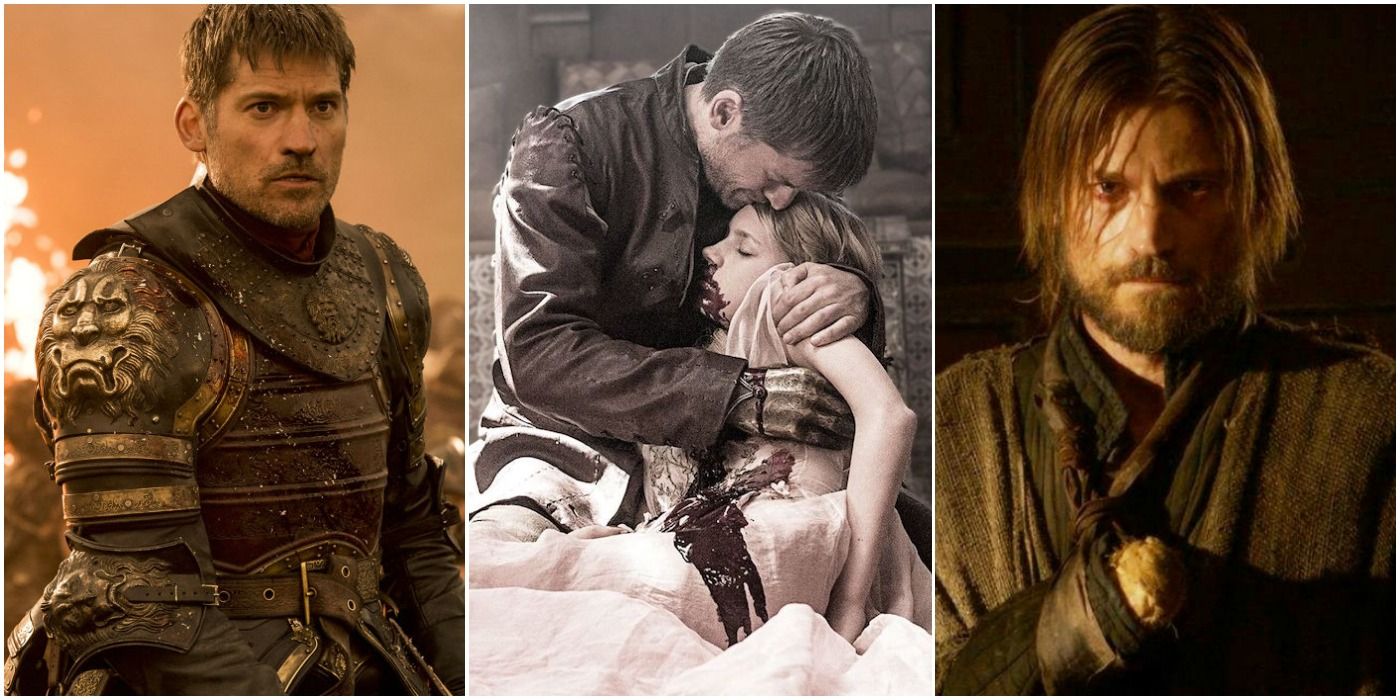
The Initial Brand: The Golden Lion of Castamere
Jaime Lannister’s initial personal brand was meticulously crafted, both by himself and by the society he inhabited. He was the epitome of the noble knight, the scion of one of Westeros’ most powerful and wealthy families, the Lannisters. This brand was characterized by an aura of privilege, martial prowess, and an almost arrogant confidence that stemmed from his perceived inherent superiority. His public persona was that of the Kingsguard, sworn to protect the king, yet also inextricably linked to his familial power and his incestuous relationship with his sister, Cersei.
The “Kingslayer” Infamy: A Brand Defined by Betrayal
The most defining, and damaging, element of Jaime’s early personal brand was his act of killing King Aerys II Targaryen. This single deed, while arguably motivated by a desire to prevent further madness and destruction, forever etched him as the “Kingslayer.” This moniker was not merely a label; it was a brand of betrayal, a fundamental violation of his sacred oath. This act instantly polarized his public image. For some, it was an act of treason and dishonor; for others, a hidden act of heroism that saved King’s Landing from annihilation. This ambiguity, however, did little to salvage his reputation, as the dominant narrative focused on the breach of trust.
The Golden Boy Persona: Privilege and Arrogance
Prior to his capture and subsequent experiences, Jaime cultivated a brand of the effortlessly golden boy. He was handsome, skilled in combat, and possessed a seemingly unshakeable belief in his own rightness. This persona was reinforced by his privileged upbringing and the immense wealth and influence of the Lannister name. His interactions often exuded a casual disdain for those he considered beneath him, further solidifying an image of arrogance and entitlement. This was the brand that allowed him to believe he could escape any consequence, shielded by his family name and his formidable abilities.
The Erosion of the Brand: Loss, Humiliation, and Confinement
Jaime’s personal brand experienced a significant and brutal erosion during his captivity at the hands of the Starks. This period marked a profound descent from his elevated status, stripping away the layers of privilege and forcing him into circumstances that brutally tested his core identity and his carefully constructed image. The physical and psychological trauma he endured shattered his former confidence and exposed the vulnerabilities that lay beneath his gilded exterior.
The Loss of the Sword Hand: A Symbol of Defiance and Vulnerability
The severing of Jaime’s sword hand by Locke, a brutal and arbitrary act of cruelty, was a devastating blow to his personal brand. For a knight, particularly one renowned for his swordsmanship, the sword hand was not just a physical appendage; it was a symbol of his martial identity, his ability to defend, and his prowess. Its loss was an emasculating and deeply humiliating experience. It signaled a dramatic loss of power and agency, forcing him to confront his own physical limitations and his dependence on others. This event marked a turning point, transitioning him from a figure of formidable strength to one of profound vulnerability.
The Humiliation of Captivity and Public Scorn
Beyond the physical mutilation, Jaime endured the psychological torment of captivity and the widespread scorn of those who viewed him as a dishonorable oathbreaker. His former glory was replaced by the chains of imprisonment and the taunts of his captors and the wider populace. This period stripped away any remaining illusion of invincibility, forcing him to confront the consequences of his actions and the negative public perception he had cultivated. His brand of the untouchable golden knight was irrevocably tarnished, replaced by the image of a disgraced prisoner.
The Rebuilding of the Brand: Redemption, Sacrifice, and Moral Ambiguity

As Jaime’s story progresses, a complex and compelling process of rebuilding his personal brand begins. This is not a simple restoration of his former glory but a multifaceted transformation driven by acts of unexpected courage, profound sacrifice, and a growing, albeit often conflicted, moral compass. He starts to forge a new identity, one that grapples with his past mistakes while striving for a different kind of honor.
The Unlikely Alliance and the Fight for the Living
Jaime’s decision to leave King’s Landing and ride north to join the fight against the White Walkers represented a significant pivot in his personal brand. This act was a profound rejection of his former life and allegiances, a risky gamble that demonstrated a nascent commitment to a greater cause. His participation in the Battle of Winterfell, fighting alongside individuals who had previously reviled him, showcased a willingness to transcend old animosities and embrace a shared destiny. This was a powerful act of self-redefinition, aligning him with the forces of survival rather than those of self-interest and political machinations.
The Struggle for True Honor: Beyond the Oath
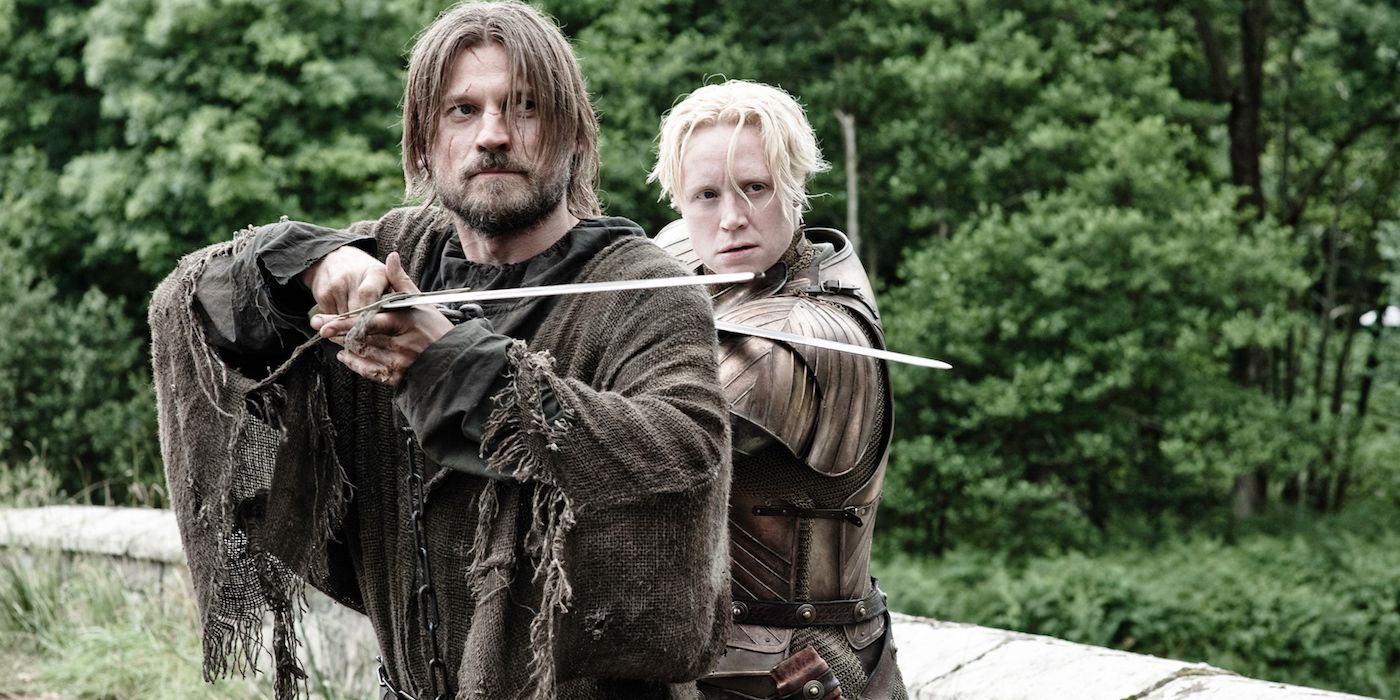
Throughout his journey, Jaime grapples with the true meaning of honor. He begins to question the rigid, often hypocritical, codes of chivalry he was raised with. His actions become less about upholding a tarnished ideal and more about making difficult, often morally ambiguous, choices for what he perceives as the greater good. His evolving relationship with Brienne of Tarth becomes a crucial catalyst in this redefinition, as she embodies a purer form of honor that challenges his own deeply ingrained cynicism and self-preservation. His quest for redemption is not about erasing his past but about learning from it and striving to be a better man.
The Tragic Return to Cersei: A Brand Defined by Unyielding Love and Fatal Flaws
Ultimately, Jaime’s personal brand ends in a tragic embrace of his past, a testament to the enduring power of his flawed love for Cersei. Despite his journey of apparent redemption, he cannot entirely escape the gravitational pull of his sister. His return to her side, even as she embraces an increasingly destructive path, signifies a tragic relapse into his most defining, and ultimately fatal, character trait. This final act complicates any easy narrative of redemption, leaving his brand perpetually shadowed by the unresolved conflict between his desire for something more and his deep-seated, destructive loyalty. He becomes a symbol of the enduring struggle against one’s own nature, a reminder that even the most profound transformations can be undone by deeply ingrained patterns.
The Legacy of Jaime Lannister’s Brand: A Study in Complexity
Jaime Lannister’s personal brand is a masterclass in the complexities of character development and the evolving nature of reputation. He is a testament to the idea that a brand is not static; it is a dynamic entity shaped by choices, circumstances, and the continuous interpretation of one’s actions. His journey from the arrogant Kingslayer to a figure grappling with honor and sacrifice, and finally returning to his destructive roots, offers invaluable insights for understanding how individuals, and even fictional characters, construct and reconstruct their public and private identities.
The Power of Narrative in Shaping Brand Perception
The narrative crafted around Jaime Lannister by the storytellers of Game of Thrones profoundly influenced how audiences perceived his brand. Initially presented as a villain, the gradual unveiling of his motivations, his internal struggles, and his acts of surprising valor allowed for a re-evaluation of his character. This highlights the critical role of narrative in shaping brand perception. A compelling story can foster empathy, challenge preconceived notions, and ultimately lead to a significant shift in how a brand – be it corporate, personal, or fictional – is viewed.
The Enduring Ambiguity of Redemption
Jaime’s arc raises profound questions about the nature of redemption. Can a person truly atone for grievous sins? Is redemption a linear process, or is it a constant, often fraught, struggle? His story suggests that redemption is rarely a clean slate. It is a messy, ongoing process, often marked by setbacks and the persistent shadow of past transgressions. His brand ultimately remains one of moral ambiguity, a compelling exploration of a character who, despite his efforts, cannot entirely escape the consequences of his deeply ingrained flaws.
Lessons for Personal Branding in the Modern Age
In the contemporary landscape of personal branding, Jaime Lannister’s story offers a powerful, albeit cautionary, tale. It underscores the importance of authenticity, the potential for profound transformation, and the devastating impact of unchecked flaws. While the stakes in the realm of personal branding are rarely life or death, the core principles remain: consistency, integrity, and the willingness to confront and evolve from one’s mistakes. Jaime’s journey reminds us that a personal brand is not merely about projecting an image, but about the ongoing, often difficult, work of defining who we are and who we aspire to be. His legacy is one of complexity, a stark reminder that even the most gilded brands can be forged in fire and ultimately shaped by the enduring power of human frailty and the relentless pursuit of love, however misguided.
aViewFromTheCave is a participant in the Amazon Services LLC Associates Program, an affiliate advertising program designed to provide a means for sites to earn advertising fees by advertising and linking to Amazon.com. Amazon, the Amazon logo, AmazonSupply, and the AmazonSupply logo are trademarks of Amazon.com, Inc. or its affiliates. As an Amazon Associate we earn affiliate commissions from qualifying purchases.