
In the intersection of biology and technology, few subjects are as provocative as the post-mortem state of the human body. Specifically, the question of “what happens to eyes after death” has transitioned from a purely forensic or medical concern into a critical topic for cybersecurity experts, biometric engineers, and digital legacy strategists. As we move toward a world where our physiological signatures—our irises and retinas—serve as the primary keys to our digital lives, understanding the degradation of these “biological passwords” is essential.
This article explores the technical transformation of the human eye post-mortem, the limitations of current biometric hardware, and the evolving field of liveness detection designed to prevent the unauthorized use of biological data after a user has passed away.
The Biological and Biometric Shift: Why Eyes Matter in the Tech Space
From a purely technical perspective, the human eye is one of the most sophisticated “input devices” in existence. However, once the biological systems supporting the eye cease to function, a series of rapid physical changes occur that render traditional ocular technology ineffective. Understanding these shifts is the first step in engineering secure biometric systems.
The Physiology of Post-Mortem Ocular Change
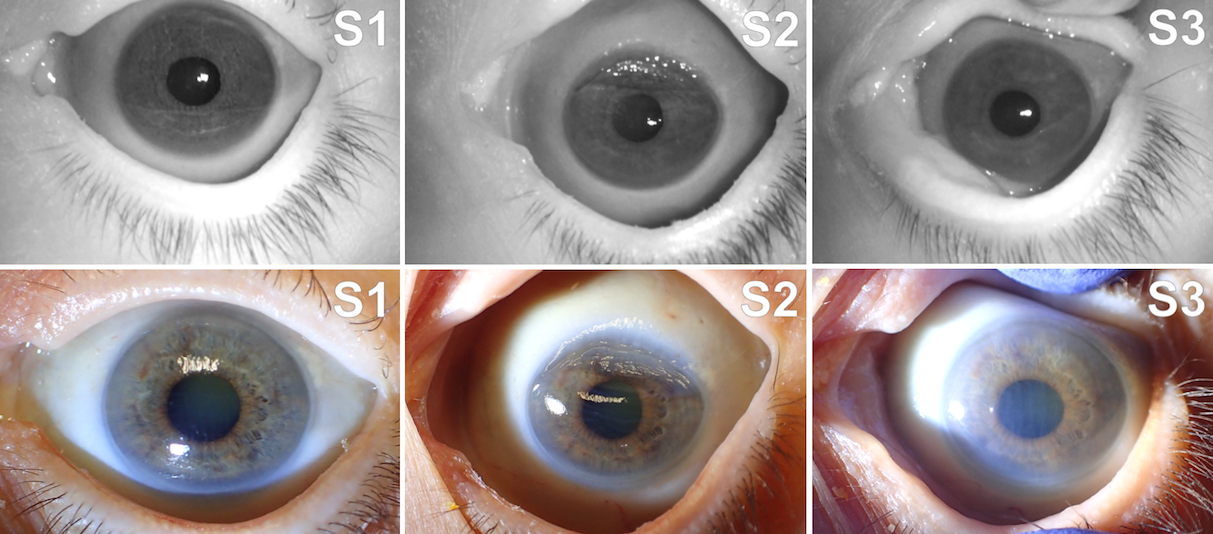
Immediately following death, the lack of blood pressure causes the intraocular pressure to drop. This leads to a phenomenon known as corneal clouding. Within hours, the cornea loses its transparency as the metabolic pumps that keep it dehydrated fail, allowing fluid to build up. Furthermore, “tache noire”—a dark, reddish-brown discoloration—may appear across the sclera if the eyes remain open.
For tech developers, these aren’t just biological facts; they are data-corruption events. Most iris scanners rely on the clear, high-contrast patterns of the iris. When the cornea clouds or the eye dehydrates and collapses (post-mortem opacification), the light emitted by an infrared sensor cannot penetrate or reflect accurately. The “data” becomes unreadable to the sensor.
Why Traditional Biometrics Fail After Death
Biometric systems are designed to recognize patterns, but modern “Smart Tech” is increasingly designed to recognize living patterns. In the minutes following death, the muscles of the iris—the sphincter and dilator pupillae—relax into a “mid-dilated” state. Because these muscles are no longer reactive to light, any technology relying on pupillary response (a common feature in high-end security gadgets) will immediately flag the eye as non-responsive. This transition from a dynamic, reactive biological organ to a static, degrading object is the primary hurdle for post-mortem biometric utility.
Ocular Biometrics and Digital Security: Can a Dead Eye Unlock a Phone?
The trope of a villain using a deceased person’s eye to bypass a high-security scanner is a staple of Hollywood, but how does this hold up against modern technological standards? As smartphones and secure facilities move toward ocular recognition, the distinction between retinal and iris scanning becomes vital.
Retinal vs. Iris Scanning: The Technical Distinction
It is important to distinguish between the two primary ocular technologies. Retinal scanning maps the unique patterns of blood vessels at the back of the eye. Because these vessels collapse and the blood begins to coagulate almost immediately after the heart stops, retinal scans are virtually impossible to perform post-mortem without highly specialized forensic equipment.
Iris scanning, on the other hand, captures the intricate patterns of the iris—the colored ring of the eye. While the iris is more resilient than the retina, it still undergoes significant structural changes. Within several hours, the loss of muscle tone and the onset of corneal opacity make it nearly impossible for a standard consumer-grade smartphone (like those utilizing Samsung’s Iris Scanner or specialized IR cameras) to authenticate a deceased user.
Liveness Detection: The Frontier of Cybersecurity
To combat “spoofing” (the use of photos, prosthetic eyes, or even post-mortem remains), tech companies have developed “Liveness Detection” or “Presentation Attack Detection” (PAD). This software analyzes specific technical indicators that only a living eye possesses:
- Hippus Movement: The minute, involuntary oscillations of the pupil.
- Spectrographic Analysis: Checking the way light reflects off the moisture and oxygenated blood of a living eye.
- Reflexive Response: Forcing a brief flash of light to see if the pupil constricts.

For the tech industry, the post-mortem state of the eye serves as the ultimate “negative test case” for developing these security protocols. If a system cannot distinguish between a living eye and a dead one, it is considered fundamentally insecure.
Digital Forensics and Law Enforcement Technology
While the security sector focuses on keeping people out, the forensic tech sector focuses on extracting data from the eyes of the deceased. The changes that occur in the eye after death provide a wealth of data for digital forensics, allowing investigators to use specialized software to determine time of death (TOD) with surgical precision.
Estimating Time Since Death Through Ocular Imaging
One of the most significant advancements in forensic tech is the use of digital ophthalmoscopy combined with AI. By analyzing the “segmentation” of blood in the retinal vessels—often referred to as “trucking” or “beading”—software can estimate the window of death. As the blood stops flowing, it breaks into distinct segments. Modern imaging tools can quantify this degradation, providing a more accurate timeline than traditional methods like body temperature (algor mortis).
Advancements in Post-Mortem Digital Reconstruction
In cases where identification is difficult, tech firms are developing software that can “re-animate” the appearance of the eye for facial recognition purposes. If a body is found and the eyes have begun to cloud or collapse, forensic technicians can use 3D modeling and texture mapping to reconstruct what the eye looked like in life. This allows for the use of automated facial recognition (AFR) systems to scan databases for a match, bridging the gap between biological decay and digital identification.
The Future of Vision: From Biological Preservation to Bionic Legacies
As we look toward the future, the boundary between the biological eye and technological hardware is blurring. With the advent of bionic eyes and ocular implants, the question of what happens to the eye after death takes on a new, more permanent dimension.
Cryogenics and Ocular Tech
In the niche of cryogenics and life extension tech, the preservation of the eye is paramount. The eye is essentially an extension of the brain (the optic nerve is part of the central nervous system). Tech companies working on “whole-brain emulation” or “neuromorphic computing” are investigating ways to preserve the neural pathways of the eye. The goal is to ensure that, should a person be “revived” or uploaded, their visual processing data—the unique way their brain interprets light—remains intact.
The Ethics of Digital Afterlives and Biometric Rights
Finally, we must consider the “Digital Legacy” aspect of tech. If our eyes are the keys to our encrypted lives, who owns the right to use those “keys” after we die? Technology now exists that could theoretically allow a family member to use a high-resolution photo of a deceased loved one’s eye to bypass older, less secure biometric systems.
This has led to the emergence of “Biometric Privacy” laws and tech features like “Digital Inheritance.” Companies like Apple and Google are building “Legacy Contact” features that allow access to data through legal software keys rather than biological ones, recognizing that the biological eye is a fleeting, decaying asset, whereas the digital footprint is permanent.

Conclusion: The Finality of the Biological Key
In the world of technology, the eye is much more than a window to the soul; it is a complex, high-resolution biometric signature. However, the rapid biological changes that occur after death—from corneal clouding to the cessation of retinal blood flow—act as a natural “system shutdown.”
For the tech industry, the post-mortem state of the eye is a reminder of the limitations of hardware and the necessity of robust liveness detection. As we move toward a future defined by bionic implants and digital immortality, the way we handle, protect, and digitize our ocular data will remain one of the most critical challenges in the tech landscape. Ultimately, the death of the eye marks the end of its utility as a security tool, forcing our digital systems to look for more permanent, less perishable ways to verify who we are.
aViewFromTheCave is a participant in the Amazon Services LLC Associates Program, an affiliate advertising program designed to provide a means for sites to earn advertising fees by advertising and linking to Amazon.com. Amazon, the Amazon logo, AmazonSupply, and the AmazonSupply logo are trademarks of Amazon.com, Inc. or its affiliates. As an Amazon Associate we earn affiliate commissions from qualifying purchases.