
The death of a loved one is a profound and often overwhelming experience. In the midst of grief, families are tasked with navigating the practicalities of estate administration. For those who have established a revocable trust, a crucial question arises: what happens to this financial vehicle upon the grantor’s passing? A revocable trust, often referred to as a living trust, is a powerful estate planning tool designed to offer flexibility and control during one’s lifetime, and to facilitate a smoother transition of assets after death. Understanding its post-mortem mechanics is essential for beneficiaries and successor trustees to manage the estate effectively and in alignment with the grantor’s wishes.
The Transition of Control: From Grantor to Successor Trustee
The fundamental principle governing a revocable trust upon the grantor’s death is the immediate transfer of control from the deceased grantor to the designated successor trustee. Unlike a will, which must go through the probate process – a public and often lengthy court-supervised procedure for validating wills and distributing assets – a revocable trust is designed to bypass probate entirely. This is one of its primary advantages, offering privacy, speed, and often, reduced costs in settling an estate.
Defining the Successor Trustee’s Role
The successor trustee is the individual or entity appointed by the grantor to manage the trust’s assets and administer its terms after the grantor’s death. This role carries significant fiduciary responsibility. The successor trustee must act in the best interests of the beneficiaries, adhering strictly to the instructions laid out in the trust document. Their duties typically include:
- Notifying Beneficiaries: Promptly informing all named beneficiaries of the grantor’s death and their rights under the trust.
- Gathering and Inventorying Assets: Identifying, collecting, and cataloging all assets that were transferred into the trust during the grantor’s lifetime. This might include bank accounts, investment portfolios, real estate, and personal property.
- Paying Debts and Taxes: Settling any outstanding debts, liabilities, and final expenses of the grantor. This also includes filing final income tax returns and potentially any estate or inheritance taxes if applicable.
- Distributing Assets: Distributing the remaining trust assets to the beneficiaries according to the specific instructions within the trust document. This can involve outright distributions, phased distributions, or the establishment of sub-trusts for minors or those with special needs.
- Maintaining Records: Keeping meticulous records of all transactions, expenses, and distributions made on behalf of the trust.
The grantor typically names a primary successor trustee and may also designate contingent successor trustees in case the primary choice is unable or unwilling to serve. It is crucial that the chosen successor trustee is trustworthy, financially responsible, and understands the responsibilities involved.
The Trust Document as the Guiding Blueprint
The revocable trust document itself serves as the operative blueprint for asset distribution after the grantor’s death. It is the grantor’s legally binding declaration of intent, detailing:
- Beneficiaries: Who will inherit the trust assets and in what proportions.
- Distribution Provisions: The specific terms and conditions under which beneficiaries will receive their inheritance. This can include age-based distributions, stipulations for specific purposes (e.g., education, healthcare), or outright inheritances.
- Powers of the Trustee: The explicit authority granted to the successor trustee to manage and distribute assets.
- Contingency Plans: What happens if a beneficiary predeceases the grantor or if certain circumstances arise.
A well-drafted trust document is paramount. Ambiguities or omissions can lead to disputes among beneficiaries or require court intervention, negating some of the trust’s intended benefits.
Navigating the Post-Death Administration Process
The death of the grantor triggers a series of administrative steps that the successor trustee must undertake to fulfill the trust’s purpose. While the process is generally less complex than probate, it still requires diligent attention to detail and adherence to legal and financial protocols.
Asset Identification and Valuation
The initial and often most significant task for the successor trustee is to identify and accurately value all assets held within the revocable trust. This involves:
- Reviewing Financial Records: Examining bank statements, investment account statements, property deeds, insurance policies, and any other documentation related to the grantor’s assets.
- Contacting Financial Institutions: Reaching out to banks, brokerage firms, and other financial institutions to confirm account balances and ownership.
- Appraising Property: If the trust holds real estate or valuable personal property (art, antiques, etc.), professional appraisals may be necessary to establish fair market value for tax purposes and equitable distribution.
- Identifying Liabilities: Locating any outstanding debts, mortgages, loans, or other financial obligations that are the responsibility of the grantor’s estate.
This comprehensive inventory forms the basis for all subsequent actions, including tax filings and distributions.
Settling Debts and Paying Expenses
Before any assets can be distributed to beneficiaries, the successor trustee has a legal obligation to settle the grantor’s final debts and expenses. This includes:
- Funeral and Burial Costs: Expenses associated with the memorial service and interment.
- Medical Bills: Any outstanding healthcare costs incurred before death.
- Creditor Claims: Outstanding credit card balances, personal loans, and other debts owed to third parties. The trustee will typically publish a notice to creditors, allowing them a specified period to submit claims.
- Trust Administration Expenses: Costs incurred in managing the trust, such as legal fees, accounting fees, appraisal costs, and trustee fees.
Properly handling debts and expenses ensures that the estate is settled cleanly and that beneficiaries receive what remains.
Tax Implications and Filings

While revocable trusts often avoid probate, they do not necessarily escape taxation. The successor trustee must address tax obligations:
- Final Income Tax Return: Filing the grantor’s final federal and state income tax returns for the year of their death.
- Estate Tax: If the grantor’s estate, including assets both inside and outside the trust, exceeds certain federal or state exemption thresholds, estate taxes may be due. The trustee will be responsible for preparing and filing the necessary estate tax returns (e.g., Form 706 for federal estate tax). It’s important to note that for most estates, the value will fall below the estate tax exemption.
- Beneficiary Income Tax: Distributions from the trust may have income tax implications for the beneficiaries, depending on the nature of the asset distributed and whether it has appreciated in value. The trustee may issue tax forms (like Schedule K-1) to beneficiaries reporting their share of trust income.
Accurate tax reporting is crucial to avoid penalties and ensure compliance with tax laws.
Distribution of Assets to Beneficiaries
The ultimate goal of a revocable trust is the equitable distribution of assets to the named beneficiaries. This phase, while seemingly straightforward, requires careful execution by the successor trustee.
Understanding Distribution Instructions
The trust document will contain detailed instructions on how assets are to be divided. This can range from simple percentage splits to complex provisions:
- Specific Bequests: Gifts of particular assets to specific individuals (e.g., “my antique watch to my nephew, John”).
- Residuary Clause: The distribution of all remaining assets after specific bequests, debts, and expenses have been paid.
- Contingent Beneficiaries: What happens if a primary beneficiary dies before the grantor.
- Trusts for Minors or Incapacitated Individuals: The trustee may be instructed to hold assets in separate trusts for beneficiaries who are not yet of age or who require ongoing management due to disability.
The Mechanics of Distribution
Once all debts, expenses, and taxes are settled, the successor trustee proceeds with distributing the remaining assets:
- Liquidation: If necessary, the trustee may need to sell certain assets (e.g., stocks, bonds, or even real estate) to create liquidity for cash distributions or to divide assets that cannot be physically divided.
- Transfer of Title: For assets like real estate or vehicles, the trustee must formally transfer ownership from the trust to the beneficiaries. This involves legal documentation and recording with relevant authorities.
- Distribution of Personal Property: Tangible personal property can be delivered directly to beneficiaries.
- Documentation: The trustee should maintain a clear record of all distributions made, including the date, asset description, and value, as proof of fulfillment of their duties.
Seeking Professional Guidance
While the successor trustee is empowered to manage the trust, it is often advisable to seek professional legal and financial assistance. An estate attorney can guide the trustee through the legal requirements, ensure compliance with state laws, and help resolve any complex issues. A tax advisor or CPA can assist with tax filings and provide advice on tax-efficient distributions. This professional support helps the trustee navigate the process with confidence and accuracy, minimizing the risk of errors or disputes.
Frequently Asked Questions and Considerations
As individuals and families navigate the process of settling an estate with a revocable trust, several common questions and considerations arise. Addressing these proactively can streamline the administration and provide peace of mind.
Can a Revocable Trust Avoid All Debts?
No, a revocable trust cannot shield assets from legitimate debts of the grantor. The successor trustee is legally obligated to use trust assets to pay off valid debts and expenses before distributing any remaining property to beneficiaries. This is a fundamental aspect of estate administration, ensuring that creditors are satisfied.
What if the Trust is Not Fully Funded?
A revocable trust is only effective for assets that were properly transferred into it during the grantor’s lifetime. If certain assets were not retitled in the name of the trust, they may not be subject to the trust’s administration and could instead pass through a will or intestacy (if no will exists), potentially requiring probate. This highlights the importance of thorough asset titling when establishing a trust.
How Long Does Trust Administration Take?
The timeline for administering a revocable trust can vary significantly. Factors such as the size and complexity of the estate, the number and nature of assets, the clarity of the trust document, and the efficiency of the successor trustee all play a role. Generally, a well-managed revocable trust can be settled much faster than an estate that goes through probate, often within a few months to a year. However, complex estates with significant tax liabilities or disputes can take longer.

What is the Difference Between a Revocable Trust and an Irrevocable Trust After Death?
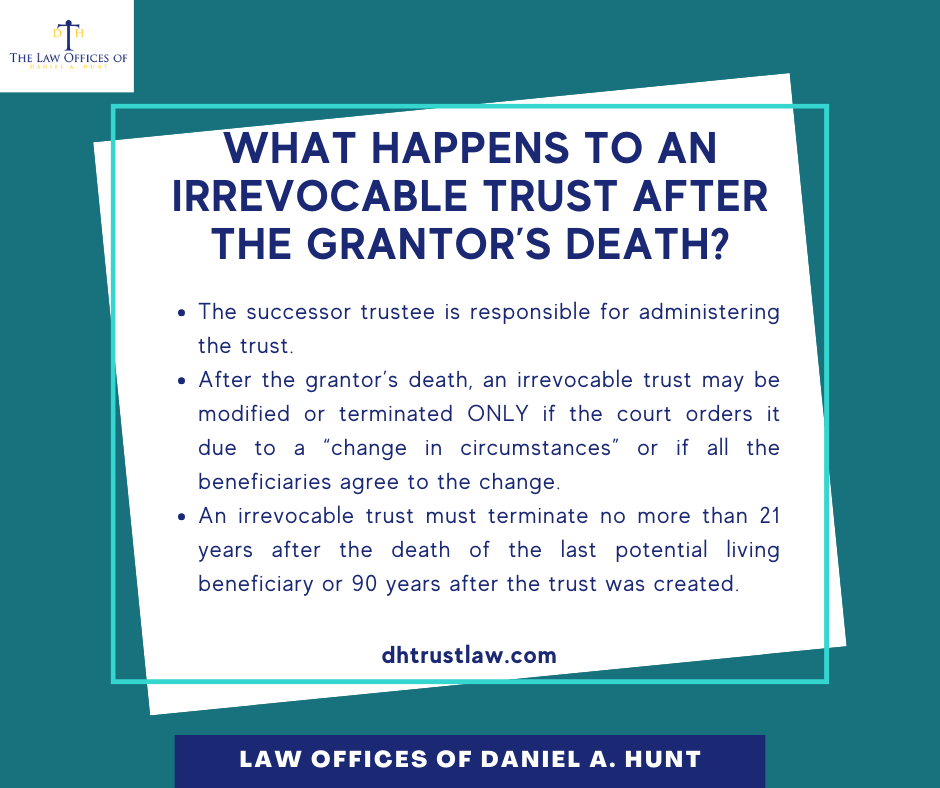
The key distinction lies in their control and flexibility during the grantor’s lifetime. A revocable trust can be altered or dissolved by the grantor at any time. Upon the grantor’s death, it becomes irrevocable. An irrevocable trust, by contrast, cannot be easily changed or revoked by the grantor once established, and often serves different estate planning purposes, such as reducing estate taxes or protecting assets from creditors. The administration of an irrevocable trust after the grantor’s death is guided by its unchangeable terms and legal framework.
By understanding these principles and diligently following the terms of the trust document, successor trustees can effectively manage the estate, honor the grantor’s wishes, and provide a smooth transition of assets to the intended beneficiaries, offering a measure of order and clarity during a difficult time.
aViewFromTheCave is a participant in the Amazon Services LLC Associates Program, an affiliate advertising program designed to provide a means for sites to earn advertising fees by advertising and linking to Amazon.com. Amazon, the Amazon logo, AmazonSupply, and the AmazonSupply logo are trademarks of Amazon.com, Inc. or its affiliates. As an Amazon Associate we earn affiliate commissions from qualifying purchases.