
The Erosion and Reaffirmation of Personal Brands
Chapter 10 of S.E. Hinton’s The Outsiders serves as a critical juncture in the personal branding narratives of its central characters, forcing both a brutal reassessment and, in some cases, a tragic culmination of their established identities. The emotional fallout from Johnny Cade’s death acts as a powerful catalyst, stripping away superficial veneers and exposing the core values, or lack thereof, that define each individual’s “brand” within their social ecosystem.
Dally’s Desperate Stand: A Brand in Crisis
Dally Winston’s personal brand has long been meticulously crafted around an image of unyielding toughness, defiance, and a hardened cynicism designed to project invincibility. His “brand messaging” consistently communicated a disinterest in sentimentality and a ruthless self-preservation. However, Johnny’s death shatters this carefully constructed façade. We witness Dally’s brand in an unprecedented crisis. His prior actions, though often violent and reckless, were underpinned by a sense of control and a clear purpose within his “market segment” – protecting his gang and maintaining his street credibility. In Chapter 10, this control completely collapses. His robbery, his desperate call to Darry, and his ultimate confrontation with the police can be viewed as a desperate, self-destructive rebranding attempt. He seeks to reassert a violent, rebellious identity, but it’s a hollow, grief-fueled imitation. His “brand loyalty” was singularly devoted to Johnny, the one soft spot in his tough exterior. When that core loyalty is severed, his entire brand identity disintegrates, leading to an almost suicidal final act that defines his legacy as a tragic figure, unable to adapt to profound emotional loss. This sequence provides a stark case study in how a brand, built on rigidity, can fail catastrophically when its foundational pillars are removed, leading to a “product recall” of sorts, defined by its ultimate, tragic end.
Ponyboy’s Shattered Identity: A Brand Undergoing Forced Reassessment
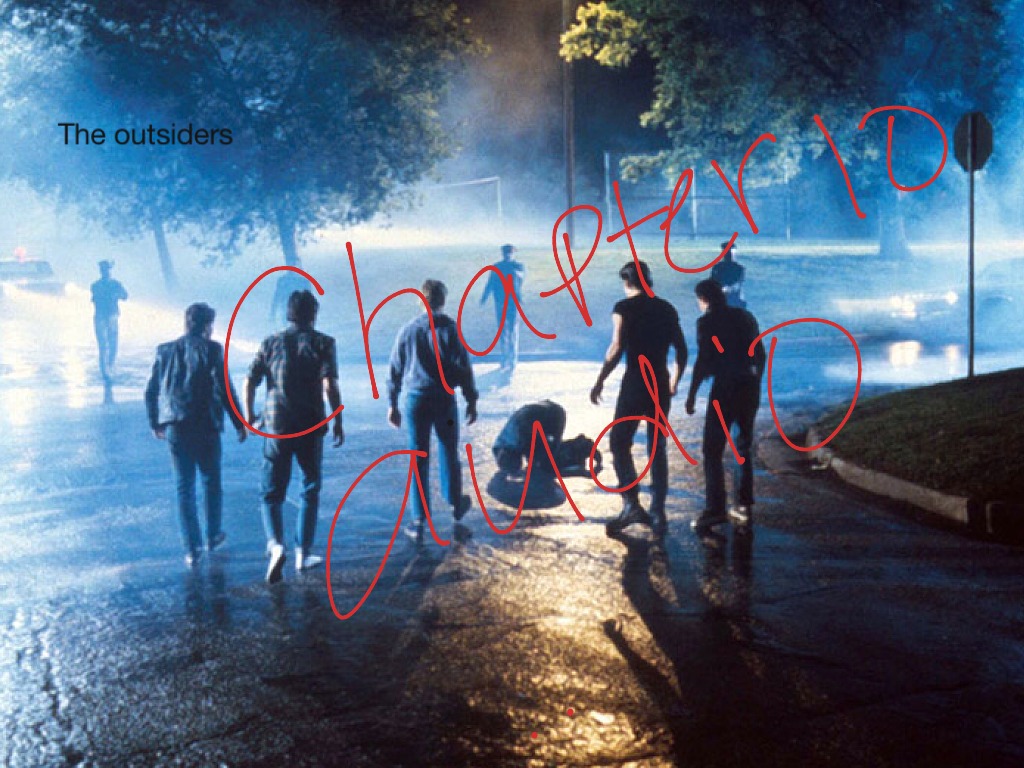
Ponyboy Curtis, by contrast, has been developing a brand identity centered on sensitivity, intelligence, and a thoughtful, often poetic, observation of the world around him. He is the introspective Greaser, a “niche market” within his own gang. Chapter 10, however, presents a severe challenge to this evolving brand. His denial of Johnny’s death, his physical collapse, and his subsequent delirium demonstrate a complete breakdown of his usual mental and emotional composure. His established “brand persona” as the analytical observer is shattered, replaced by a confused, feverish state. He struggles intensely with reconciling his internal chaos with external realities, unable to process the profound grief and trauma. His attempts to project a “marketing message” of strength, by denying the deaths or trying to pick up broken glass, are futile and clearly illustrate the dissonance between his desired public image and his internal turmoil. This period represents a forced reassessment of his entire identity. It’s a moment of severe “brand fatigue,” where the established emotional and intellectual frameworks are no longer sustainable. The chapter explores the vulnerability of an individual’s personal brand when faced with overwhelming external pressures and internal conflict, forcing a painful re-evaluation of core values and a difficult journey toward a new, albeit scarred, identity.
Gang Identity and Brand Resilience in Adversity
The “corporate identity” of the Greasers, built on loyalty, brotherhood, and a shared struggle against societal norms and the Socs, faces its most significant challenge in Chapter 10. The collective grief and loss profoundly impact their internal brand dynamics, testing the very resilience of their chosen identity.
The Greaser Brand: United by Loss, Divided by Grief
The deaths of Johnny and Dally represent not just individual tragedies but a significant blow to the “corporate identity” of the Greasers. These individuals were integral components of the gang’s “brand architecture.” Johnny, as the quiet, vulnerable core, and Dally, as the tough, protective edge, represented key aspects of what it meant to be a Greaser. Their loss creates a vacuum, forcing the remaining members to confront the fragility of their collective identity. The immediate aftermath, particularly the grief for Johnny, functions as a shared “brand experience.” While the gang is united in their sorrow, the processing of this grief highlights individual differences in “brand values.” Some, like Ponyboy, retreat into denial; others, like Darry and Sodapop, double down on their responsibilities to the surviving members. The chapter explores how a collective brand, even one forged in adversity, can be strained by internal emotional diversity when faced with overwhelming trauma. Their loyalty is reaffirmed through their support for each other, but the sheer weight of sorrow introduces fissures within their established emotional framework, creating internal ‘market segmentation’ based on coping mechanisms.
Darry and Sodapop: Reinforcing the Family Brand
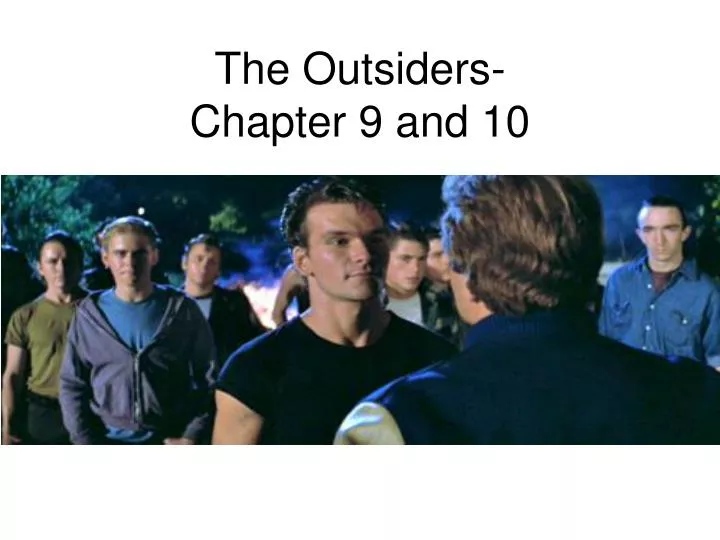
Within the broader Greaser collective, the Curtis brothers – Darry, Sodapop, and Ponyboy – represent a distinct “family brand” with its own internal dynamics and brand strategy. In Chapter 10, Darry and Sodapop play crucial roles in attempting to stabilize this family brand, particularly in the face of Ponyboy’s physical and mental breakdown. Darry, whose “personal brand” is that of the responsible, stern, but ultimately loving leader, steps up to manage the crisis. He embodies the “crisis management” aspect of their family brand, making decisions, taking care of Ponyboy’s physical needs, and providing a stable presence. Sodapop, with his “personal brand” as the easygoing peacemaker and emotional anchor, offers comfort and unconditional support. His presence is a vital “emotional marketing” tool, reassuring Ponyboy and helping to maintain the “brand integrity” of their household. Their combined efforts are a testament to their commitment to maintaining the “brand values” of family unity and mutual support, even under immense pressure. They understand that for the “Curtis brand” to survive, Ponyboy needs to recover, and they strategically deploy their individual strengths to achieve this objective, illustrating a focused approach to internal brand reinforcement.
Narrative Design and Audience Perception: A Case Study in Emotional Marketing
The craftsmanship of Chapter 10 exemplifies sophisticated “narrative design,” acting as a powerful “emotional marketing” campaign to solidify the core themes and character arcs in the minds of the audience. The events are meticulously structured to elicit profound reader engagement and solidify the lasting impact of the story.
The Climax of Emotional Resonance: Crafting a Memorable Brand Experience
Chapter 10 is designed as a climax of emotional resonance, a strategic “design element” intended to create a memorable “brand experience” for the reader. The sequence of events – Dally’s desperate run, the police confrontation, Ponyboy’s subsequent collapse – is not merely a recounting of plot points but a carefully orchestrated “marketing campaign” for profound themes like loyalty, loss, and the devastating consequences of violence. The rapid succession of tragic incidents, particularly Dally’s death immediately following Johnny’s, delivers a powerful “emotional punch” that maximizes impact. Ponyboy’s fevered delirium serves as a “narrative device” to blur the lines between reality and memory, intensifying the reader’s sense of disorientation and empathy. This chapter utilizes the raw, visceral portrayal of grief and trauma to embed the story’s “brand message” deeply within the audience’s psyche, ensuring that the characters’ struggles and sacrifices leave an indelible mark. It’s a masterclass in using heightened emotional stakes to drive home a narrative’s core identity and secure its place as a poignant literary experience.
Character Arcs as Product Journeys: From Conception to Critical Juncture
In a broader sense, the characters’ individual journeys throughout The Outsiders can be viewed metaphorically as “product journeys,” evolving from initial conception to critical junctures. In Chapter 10, Dally’s arc reaches its tragic “product recall.” His established persona, while resilient, proved ultimately unsustainable in the face of absolute loss. His death is not just an ending but a definitive statement on the limitations of his particular “product design” – a life built on an unyielding, but ultimately brittle, exterior. Conversely, Ponyboy’s arc is presented as a “product in development,” facing a significant “market repositioning.” The trauma of Chapter 10 forces a fundamental re-evaluation of his internal components and external presentation. His mental and physical collapse signifies a critical vulnerability, but also the potential for a new, more nuanced “product iteration.” The “user experience” of following these character journeys, particularly through the lens of Chapter 10, is designed to be challenging yet ultimately transformative, forcing the reader to engage deeply with the evolution and fate of these “products,” underscoring the narrative’s enduring impact.
Reputational Damage and Legacy Management
The events of Chapter 10 have profound implications for the “reputational damage” incurred by individual characters and the “legacy management” challenges faced by the surviving members of the Greaser gang. The tragic deaths redefine how these figures are perceived, both within the narrative and by the reader.
Dally’s Legacy: A Brand Defined by Its Tragic End
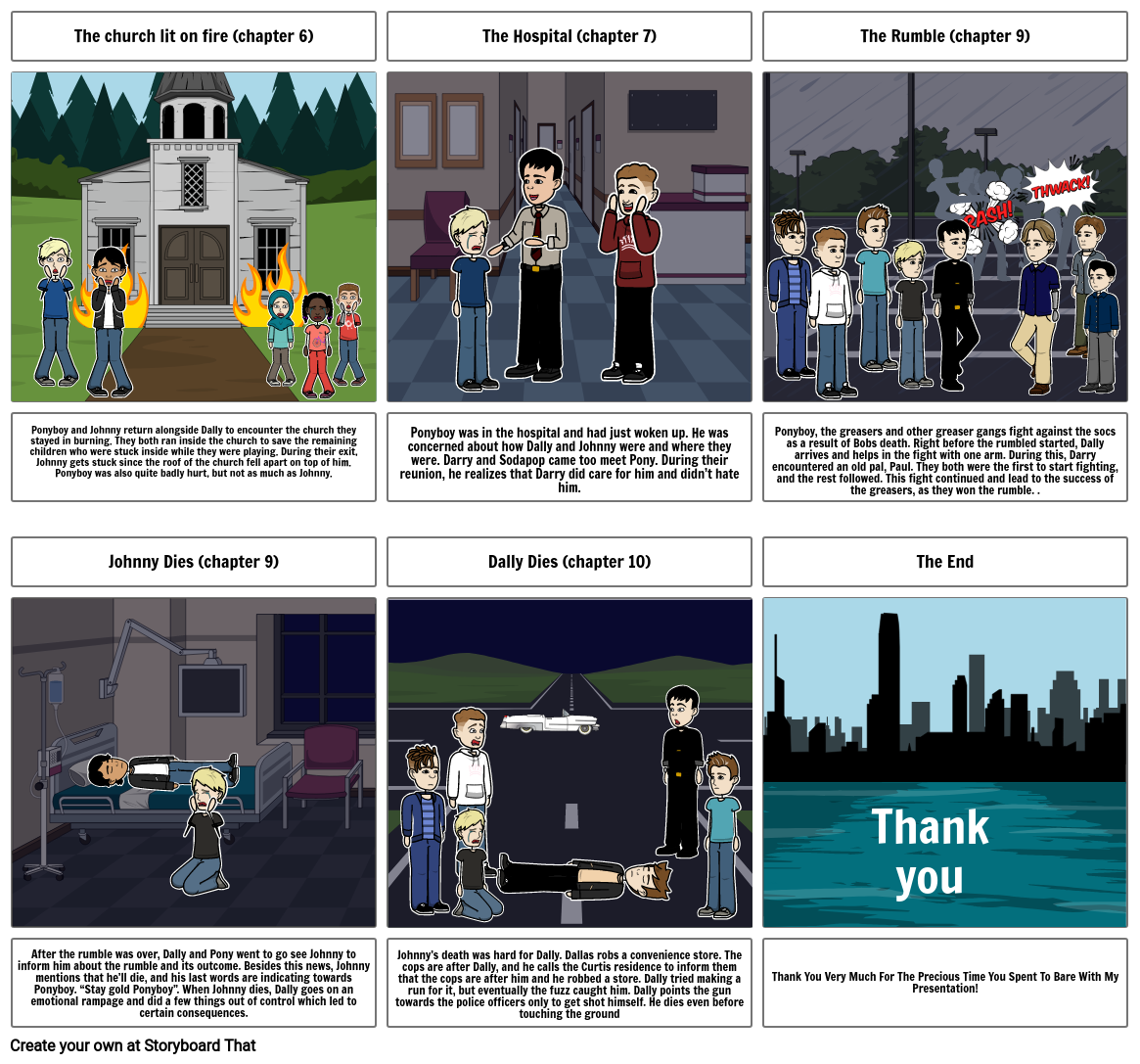
Dally Winston’s brand, for much of the novel, was a complex mix of feared toughness and grudging respect. His death in Chapter 10, however, solidifies his “brand image” as a tragic figure, a rebel consumed by his own despair. His final act of deliberately provoking the police becomes the ultimate “brand statement,” defining his legacy not just as a hood, but as a deeply wounded individual who chose a violent, self-annihilating exit. The “reputational management” from the perspective of the remaining Greasers is critical; they understand the nuances of his character that outsiders would miss. For the reader, his legacy is one of a raw, unvarnished portrayal of a life trapped by circumstances and ultimately destroyed by grief. His death serves as a powerful “brand message” about the destructive nature of unchecked anger and the profound impact of loss, a message that transcends his initial portrayal as simply a ‘bad boy.’ His journey, culminating in Chapter 10, ensures his place as a complex, memorable character whose brand is inextricably linked to his devastating end.
The Collective Grief as a Shared Brand Value
The collective grief experienced by the Greasers in Chapter 10 extends beyond individual sorrow; it becomes a shared “brand value” that further defines their “corporate culture” and strengthens their bonds, even in despair. The loss of Johnny and Dally, figures central to their identity, forces a communal reckoning. This shared grief becomes an intrinsic part of their “brand story,” a testament to the depth of their loyalty and camaraderie. The quiet support, the unspoken understanding among the remaining members, and the collective processing of such immense trauma contribute to a more profound understanding of their “brand strategy” moving forward. It’s a moment of profound introspection for the gang, where their foundational “brand values” of family and solidarity are reaffirmed through shared pain. This experience molds their future “brand identity,” embedding resilience and a deep understanding of human vulnerability into the very fabric of who they are, ensuring that the legacy of those lost continues to influence the collective’s journey.
aViewFromTheCave is a participant in the Amazon Services LLC Associates Program, an affiliate advertising program designed to provide a means for sites to earn advertising fees by advertising and linking to Amazon.com. Amazon, the Amazon logo, AmazonSupply, and the AmazonSupply logo are trademarks of Amazon.com, Inc. or its affiliates. As an Amazon Associate we earn affiliate commissions from qualifying purchases.