
In the world of politics, a run-off election is often viewed through the lens of democracy, civic duty, and partisan strategy. However, beneath the surface of the “get out the vote” campaigns and televised debates lies a complex financial engine that drives markets, shifts capital, and impacts both public and private sectors. From the perspective of finance and investment, a run-off election is less an exercise in voting and more a high-stakes economic event characterized by heightened volatility, massive capital reallocation, and significant fiscal expenditure.
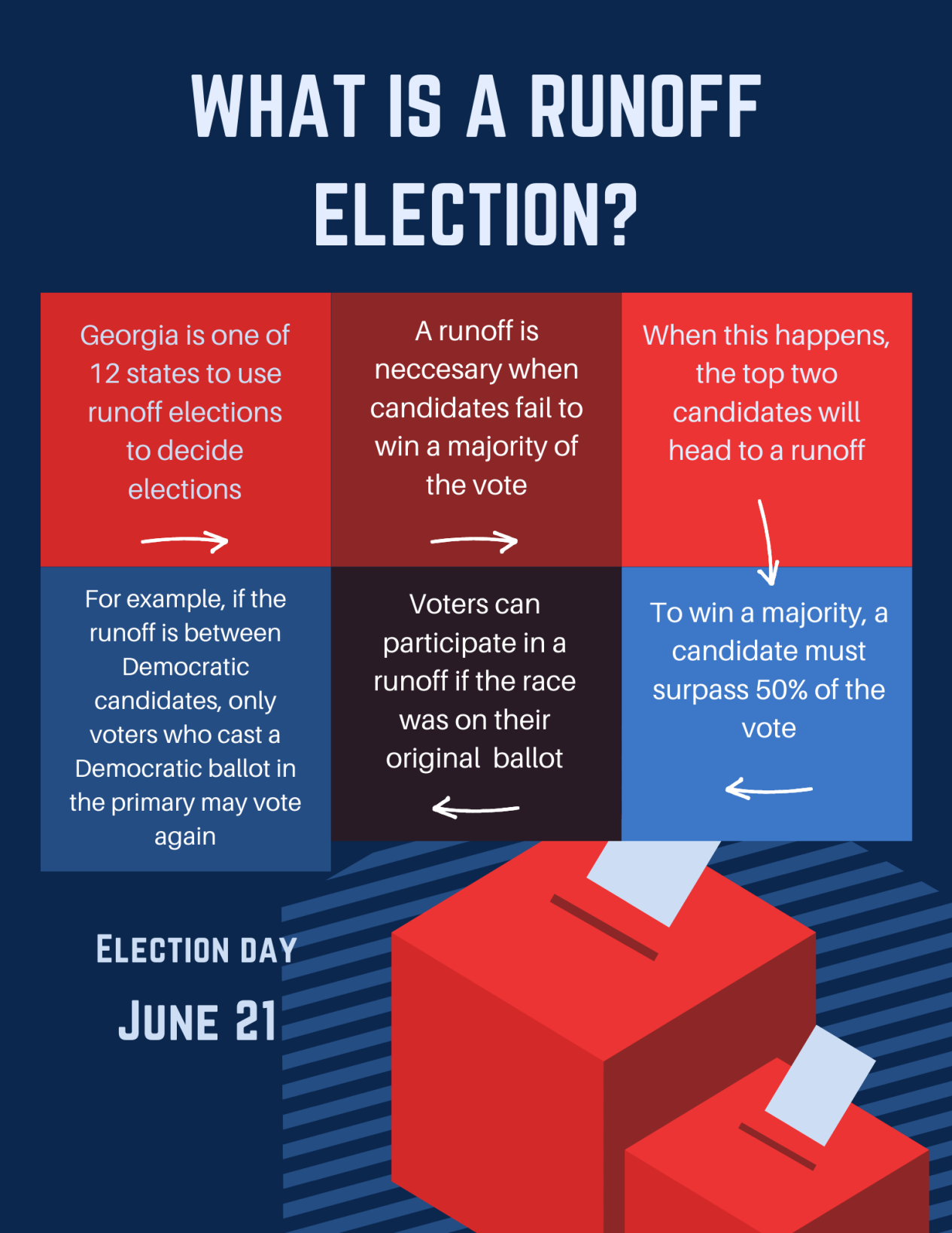
Understanding what happens in a run-off election requires looking past the ballot box to the balance sheets. When no candidate secures the required majority in a general election, the resulting run-off triggers a secondary cycle of spending and speculation that can have profound implications for personal finance, corporate strategy, and the broader economy.
The Macroeconomic Stakes: How Markets React to Run-Off Uncertainty
Markets generally despise uncertainty. In a standard election cycle, investors price in various outcomes as the polling data stabilizes. However, a run-off election extends the period of “policy limbo,” keeping the final regulatory and fiscal landscape in a state of flux. This extension often leads to specific market behaviors that savvy investors must navigate.
Managing Investor Anxiety and Policy Limbo
During the weeks between a general election and a run-off, the Equity Risk Premium (ERP) often rises. Investors become hesitant to commit large amounts of capital to sectors that could be significantly impacted by the winner’s proposed policies. For instance, if one candidate proposes a corporate tax hike while the other suggests deregulation, the market may move sideways or experience “choppy” trading as participants wait for clarity.
This period of uncertainty is frequently reflected in the VIX (Volatility Index). A run-off election in a major economy or a pivotal state (such as the Georgia Senate run-offs in the United States) can cause a spike in the VIX, as options traders hedge against the possibility of a “surprise” outcome that could shift the legislative balance of power. For those managing personal portfolios, this is a time for defensive positioning rather than aggressive speculation.
Sector-Specific Impacts: Energy, Healthcare, and Finance
Not all sectors are created equal during a run-off. The financial impact is often concentrated in industries heavily regulated by the government.
- Energy: If a run-off features candidates with diametrically opposed views on fossil fuels versus renewable energy, energy stocks will fluctuate wildly based on the latest polling.
- Healthcare: Pharmaceutical and insurance stocks are particularly sensitive to run-off outcomes that might change the trajectory of healthcare subsidies or drug pricing regulations.
- Finance: Banking stocks often react to the potential for changes in the leadership of financial oversight committees, which can be determined by the outcome of a single run-off race.
The Business of Run-Offs: Analyzing the Surge in Political Capital Expenditure
A run-off election is essentially a multi-million dollar business venture with a very short lifespan. When the clock resets for a run-off, the “business of politics” goes into overdrive. The amount of money moved within a four-to-eight-week period is staggering, creating a localized economic boom for specific industries.
The Multi-Million Dollar Ad Spend Ecosystem
The most visible sign of a run-off’s financial magnitude is the saturation of media. In a high-profile run-off, hundreds of millions of dollars are poured into television, digital, and radio advertising. For media conglomerates and tech platforms, a run-off is a windfall.
This surge in demand for advertising inventory often leads to “crowding out,” where local small businesses find it too expensive to advertise during the run-off period because political campaigns have bid up the price of airtime and digital impressions. From a business finance perspective, this represents a temporary but intense distortion of the advertising market, benefiting media shareholders while squeezing local retail marketing budgets.
Ground Game Logistics and Local Economic Stimulus
Beyond the airwaves, run-off elections require a massive logistical infrastructure. This includes the hiring of thousands of temporary workers, the leasing of office spaces, and the procurement of transportation and catering services.
- Staffing: Campaigns must quickly scale their payroll, often hiring consultants and field organizers at premium rates due to the short-term nature of the work.
- Hospitality: Hotels in key districts often see 100% occupancy rates as journalists, activists, and campaign surrogates flood the area.
- Data and Tech: Software-as-a-Service (SaaS) companies specializing in voter outreach and data analytics see a spike in usage and revenue, as campaigns scramble to identify and mobilize the specific “marginal voters” who will decide the run-off.
The Fiscal Cost to Taxpayers: Administrative Budgets and Public Finance
While campaign spending is largely funded by private donations and Political Action Committees (PACs), the actual administration of a run-off election is a public expense. For local and state governments, a run-off is an unbudgeted or high-cost contingency that can strain public coffers.
Direct Costs of Running a Second Election
The price tag for a run-off election involves more than just printing extra ballots. It includes:
- Poll Worker Compensation: Paying thousands of citizens to staff polling locations for early voting and on election day.
- Facility Rentals: Securing schools, community centers, and private spaces for voting.
- Security and Logistics: Increasing police presence at polling sites and paying for the secure transport of ballots and voting machines.
In many jurisdictions, a single statewide run-off can cost taxpayers tens of millions of dollars. For municipal governments already operating on thin margins, this unexpected expenditure can lead to the deferral of other public projects or a dip into emergency reserve funds.
Long-term Fiscal Policy Implications
The financial importance of a run-off often lies in its ability to determine the “tie-breaking” vote in a legislative body. This has direct consequences for national or state fiscal policy. A run-off that shifts power can be the catalyst for the passage of a trillion-dollar infrastructure bill, a major tax reform package, or a shift in national debt ceilings.
For business owners and financial planners, the run-off is the “final hurdle” before they can make long-term capital allocation decisions. Until the run-off is settled, many corporations will pause stock buybacks or large-scale capital expenditures (CapEx) to ensure they have enough liquidity to pivot should the legislative environment change post-election.
Strategies for Personal Finance and Wealth Preservation During Political Shifts
For the individual investor or the small business owner, a run-off election shouldn’t be a source of financial panic, but rather a prompt for strategic adjustment. How you handle your “money” during this period can determine your resilience to the eventual outcome.
Hedging Against Political Risk
When a run-off introduces significant uncertainty, diversification is the most effective financial tool.
- Cash Reserves: Maintaining a slightly higher-than-usual cash position can provide the liquidity needed to take advantage of market dips that often occur on the eve of a run-off.
- Inverse ETFs or Options: Professional traders often use put options on sector-specific ETFs to hedge against a candidate winning whose policies might hurt that sector. While this is a more advanced strategy, it highlights the “insurance” mindset required during political volatility.
- Fixed Income: If a run-off suggests a shift toward higher government spending (and thus potential inflation), investors might look toward Treasury Inflation-Protected Securities (TIPS) or adjust the duration of their bond portfolios.
Identifying Long-term Opportunities in Policy-Driven Sectors
While the short-term market reaction to a run-off may be volatile, the long-term trend is often dictated by the “winner’s circle” policies. A run-off provides a clear binary choice, which can actually make long-term financial planning easier once the results are in.
For example, if a run-off results in a government focused on “green” initiatives, the long-term flow of capital into EV infrastructure and renewable energy becomes a high-conviction investment thesis. Conversely, a result that favors traditional energy and deregulation might signal a value play in the oil and gas sector. The key is to look past the immediate noise of the election night and analyze the “flow of funds” that will follow the newly elected official’s policy agenda.
The Bottom Line on Run-Offs and Money
In conclusion, a run-off election is an intensive economic event that compresses months of political and financial activity into a few short weeks. It creates a localized boom in advertising and logistics, puts a temporary strain on public finances, and introduces a period of strategic hesitation in the global markets.
By viewing a run-off through a financial lens, investors and business leaders can move away from the emotional volatility of the news cycle and toward a more calculated approach to wealth preservation and capital growth. In the end, while the voters decide who wins the seat, the markets decide how that victory will be priced into the future of the economy.
aViewFromTheCave is a participant in the Amazon Services LLC Associates Program, an affiliate advertising program designed to provide a means for sites to earn advertising fees by advertising and linking to Amazon.com. Amazon, the Amazon logo, AmazonSupply, and the AmazonSupply logo are trademarks of Amazon.com, Inc. or its affiliates. As an Amazon Associate we earn affiliate commissions from qualifying purchases.