
The mitochondria, often colloquially referred to as the “powerhouse of the cell,” serves as the engine room of biological efficiency. When viewed through the lens of technology and system architecture, the mitochondria represents the ultimate blueprint for decentralized energy production, resource management, and automated maintenance protocols. Understanding the operational processes within this organelle provides profound insights into how we design modular computing power and efficient energy grids in the modern digital age.
The Architecture of Energy Conversion
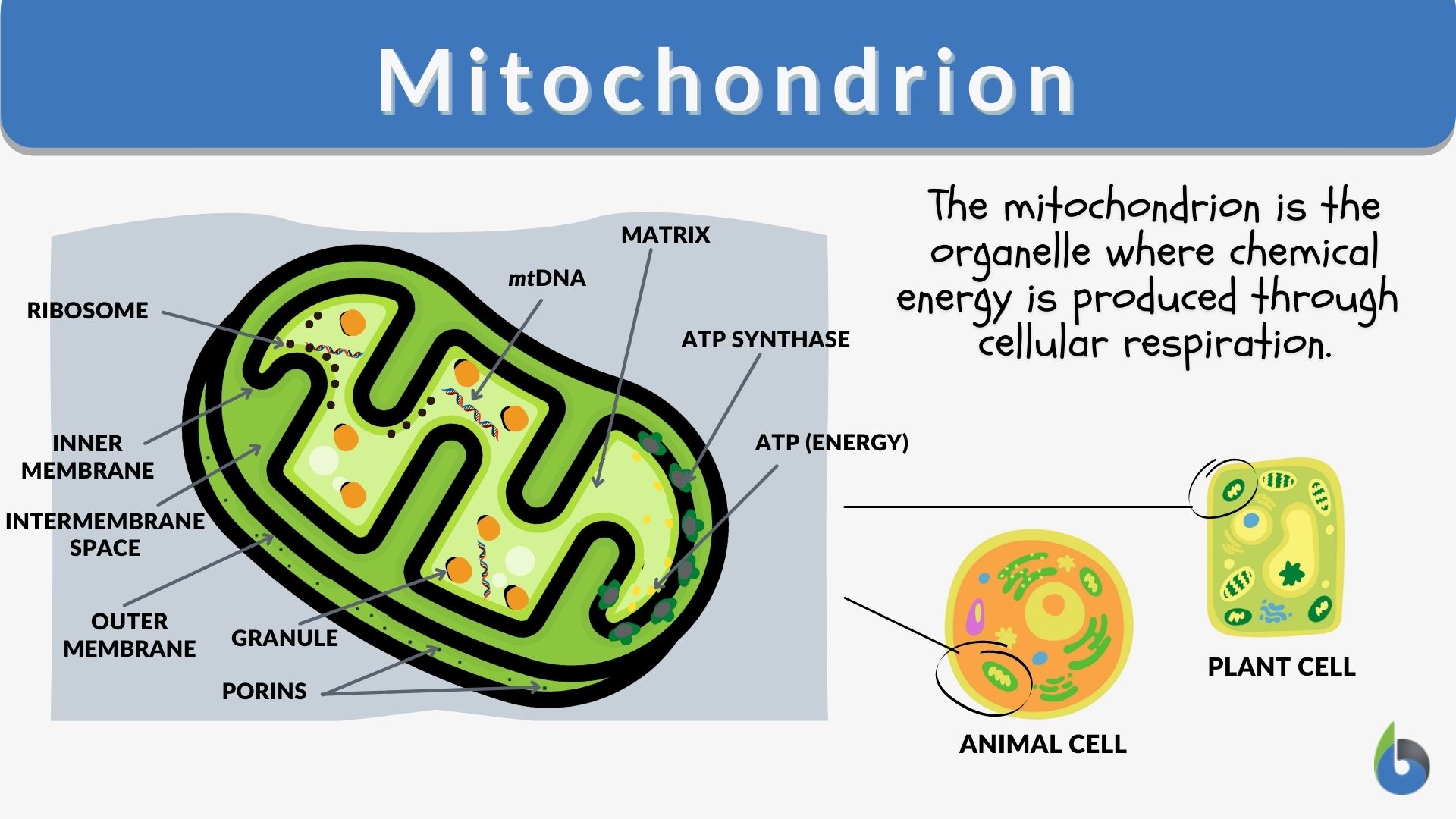
At the core of mitochondrial function is a complex series of biochemical reactions known as oxidative phosphorylation. In technological terms, this process is akin to a high-efficiency conversion of raw input—specifically glucose derivatives—into a stable, usable output format: Adenosine Triphosphate (ATP).

Input Processing and Signal Transduction
The process begins when pyruvate, derived from the breakdown of glucose, enters the mitochondrial matrix. Much like a data pipeline in a software architecture, the mitochondria must sanitize, convert, and prepare this input before it reaches the “processor.” The Krebs cycle, or the Citric Acid Cycle, acts as the primary computational engine here. It strips high-energy electrons from carbon-based molecules, effectively “compressing” the raw energy into electron carriers like NADH and FADH2. This is the biological equivalent of data encoding, transforming raw information into a standardized transmission format that the downstream infrastructure can process.
The Electron Transport Chain: A Distributed Computing Model
The Electron Transport Chain (ETC) is a series of protein complexes embedded in the inner mitochondrial membrane. If we visualize this as a hardware system, each complex functions as a discrete processing node. Electrons move through these nodes, and with each transfer, energy is released. This energy is not stored directly but is used to pump protons across the inner membrane, creating an electrochemical gradient. This gradient functions exactly like a charged capacitor in a circuit, holding potential energy in a state of high tension. The precision of this relay mechanism ensures that energy waste is minimized, reflecting the gold standard of thermal efficiency in high-performance computing.
Quality Control and Error Correction Protocols
In any complex technological system, entropy is the enemy. Over time, energy processing generates reactive oxygen species (ROS)—essentially “system noise” or corrupted data packets that can damage the mitochondrial integrity. The mitochondria has evolved sophisticated error-correction protocols to handle these digital-like anomalies.
Automated Repair Mechanisms
When a protein subunit within the ETC becomes damaged, the organelle does not simply shut down. Instead, it employs a strategy of modular replacement. Specific mitochondrial proteases scan the internal environment, identifying misfolded or degraded proteins and dismantling them before they can cause a system-wide crash. This is functionally identical to garbage collection in modern programming languages or automated health-checks in containerized microservices. By proactively managing internal failures, the mitochondria ensures that the larger cell remains operational, even when individual nodes within the organelle are under stress.

Mitophagy: The Lifecycle Management of Hardware
When a mitochondrion suffers irreparable hardware failure, the cell initiates a process called mitophagy. This is the biological equivalent of decommissioning an obsolete server. The cell tags the dysfunctional organelle for removal, dismantles it, and recycles its constituent parts back into the cellular ecosystem. This prevents the “system” from being dragged down by “legacy debt,” ensuring that only high-functioning, efficient hardware remains active. This circular resource management is a model that data center architects are increasingly trying to emulate to reduce energy waste and extend the longevity of server clusters.
Mitochondrial Networking and Synchronization
Contrary to the early scientific belief that mitochondria are isolated, independent units, we now know they function as a highly dynamic, interconnected network. They undergo continuous cycles of fusion and fission, effectively “reconfiguring” their infrastructure in real-time based on the energy demands of the cell.
Dynamic Resource Allocation
When the cell requires a surge in power—such as during high-intensity cognitive or physical tasks—mitochondria undergo fusion. They merge their membranes to share internal resources, effectively increasing the surface area for energy conversion. In technical terms, this is load balancing across a cluster of servers. By pooling their processing capabilities, the mitochondrial network can meet peak demand spikes without overheating. Conversely, when energy demand is low, the mitochondria undergo fission, separating into smaller, independent units that are easier to monitor and maintain. This is an elegant display of elastic scaling—the ability to expand or contract infrastructure based strictly on live traffic requirements.
Inter-Organelle Communication Protocols
Mitochondria do not operate in a vacuum; they participate in a complex “bus” system that allows them to communicate with the cell nucleus. They provide constant telemetry—feedback loops—regarding their current energy status and health. This signaling allows the nucleus to adjust the genetic expression of the entire cell to match the energy environment. If the mitochondria report low efficiency, the nucleus may trigger the biogenesis of new mitochondria, an automated scaling event designed to restore operational parity. This represents a perfect closed-loop system where feedback directly dictates resource allocation and system growth.
Lessons for Future System Design
The study of mitochondrial operations is essentially a masterclass in resilient systems engineering. As we push the boundaries of AI, cloud computing, and decentralized networks, the lessons derived from these microscopic powerhouses are increasingly relevant.
Efficiency Through Modularization
Modern systems often fail because they are too tightly coupled; a single error in a central node can cascade across the entire system. Mitochondria thrive because they are inherently modular. Each mitochondrion acts as an independent unit that contributes to a collective goal. By designing software architectures that favor micro-services and decentralized hardware nodes, engineers can build systems that are as resilient as the human cell. When one part of the network fails, the rest of the system compensates and eventually rotates the faulty unit out for repair.
Sustainable Energy Management
Perhaps the most pressing challenge in the tech world is the environmental footprint of large-scale data centers. Mitochondria have perfected the art of converting input to output with minimal waste and maximum throughput. By emulating the “cascaded” energy conversion approach of the Electron Transport Chain—where small, incremental energy shifts are managed across a series of nodes—we could potentially develop new hardware architectures that require significantly less voltage to achieve the same computational output.
The Self-Optimizing Infrastructure
The mitochondria is a self-optimizing engine. It manages its own hardware lifecycle, detects its own errors, and dynamically scales its capacity based on demand. In the era of autonomous AI and self-managing networks, this organelle is the prototype. We are moving toward a future where our data centers and software environments will need to function with the same level of autonomy as the mitochondrial network. By prioritizing the ability to perform proactive health diagnostics and intelligent resource rebalancing, we can ensure that our digital infrastructure is not just powerful, but enduring. The efficiency we observe within the mitochondrial matrix is not merely a biological phenomenon; it is a blueprint for the next evolution of technology, providing a roadmap for systems that are meant to last, scale, and thrive under pressure.
aViewFromTheCave is a participant in the Amazon Services LLC Associates Program, an affiliate advertising program designed to provide a means for sites to earn advertising fees by advertising and linking to Amazon.com. Amazon, the Amazon logo, AmazonSupply, and the AmazonSupply logo are trademarks of Amazon.com, Inc. or its affiliates. As an Amazon Associate we earn affiliate commissions from qualifying purchases.