
Understanding the Appraisal Gap
When buying or selling a home, the appraisal process is a critical financial checkpoint. It’s the lender’s way of ensuring the property’s value justifies the loan amount. An “appraisal gap” occurs when the independent appraisal of a home comes in lower than the agreed-upon purchase price between the buyer and the seller. This scenario can create significant financial hurdles and put a transaction at risk.
What is an Appraisal?
An appraisal is an unbiased professional opinion of a home’s value, conducted by a licensed appraiser. The appraiser evaluates the property’s features, condition, location, and recent sales of comparable homes (comps) in the area to determine its fair market value. This process is distinct from a home inspection, which focuses on the structural and mechanical condition of the property. For a lender, the appraisal provides assurance that they are not lending more money than the asset is truly worth, thereby protecting their investment.

Why Appraisals Matter in Real Estate Finance
Appraisals are fundamental to securing a mortgage. Lenders base their loan-to-value (LTV) ratio on the lower of the purchase price or the appraised value. For example, if you’re approved for an 80% LTV mortgage on a $400,000 home, the lender will provide $320,000. If that home appraises for only $380,000, the lender will only finance 80% of $380,000, which is $304,000. This disparity directly impacts the buyer’s required down payment and the overall financial structure of the deal. Without a satisfactory appraisal, the loan cannot proceed as initially structured, if at all.
The Core Problem: Appraisal Gap Defined
An appraisal gap is the difference between the agreed-upon purchase price of a home and the appraiser’s professional valuation. In competitive housing markets, especially those with bidding wars or rapidly increasing prices, it’s common for buyers to offer well above the asking price, or even above recent comparable sales, to secure a property. While this strategy might win the bid, it significantly increases the risk of an appraisal gap. The problem is purely financial: the lender will only finance based on the appraised value, leaving the buyer responsible for making up the difference out of pocket.
Immediate Consequences for Buyers and Sellers
When an appraisal comes in low, both parties in the transaction face immediate financial and strategic decisions. The contingency clauses in the purchase agreement become paramount in guiding the next steps.
Buyer’s Perspective: Financial Strain and Options
For the buyer, a low appraisal presents a direct financial challenge. The lender’s reduced loan amount means the buyer must find additional cash to cover the appraisal gap, effectively increasing their down payment. For instance, if a buyer agreed to pay $400,000 for a home that appraised at $380,000, and they initially planned an 80% LTV mortgage, they now need to find an extra $16,000 (the $400,000 agreed price minus the $380,000 financed value, times 20% down payment on appraised value would be $76,000, plus the $20,000 gap). If they don’t have these additional funds, their options typically narrow to:
- Negotiate with the Seller: Ask the seller to reduce the price to the appraised value or meet somewhere in the middle.
- Cover the Gap with Cash: If financially feasible, the buyer can bring the extra cash to closing.
- Challenge the Appraisal: Request a reconsideration of value or a second appraisal, although success is not guaranteed and it delays the process.
- Walk Away from the Deal: If an appraisal contingency is in place, the buyer can typically terminate the contract and recoup their earnest money deposit.
Without an appraisal contingency, walking away might mean forfeiting the earnest money, which represents a significant financial loss.
Seller’s Perspective: Lost Deal or Reduced Price
From the seller’s standpoint, a low appraisal can feel like a setback, especially if they were expecting to net a certain amount from the sale. Their immediate consequences include:
- Buyer’s Inability to Close: The most common outcome is the buyer being unable to secure financing for the full purchase price.
- Pressure to Reduce Price: To keep the deal alive, the seller may be pressured to lower the asking price to meet the appraised value or a figure closer to it. This directly impacts their profit margin.
- Relisting the Property: If an agreement cannot be reached, the deal may fall through, forcing the seller to relist the property, incur additional carrying costs, and potentially face a perception that something is “wrong” with the house. This can also lead to a lower final sale price than the original offer.
Lender’s Stance: No Loan Above Appraised Value
Lenders are primarily concerned with mitigating risk. They will not approve a mortgage loan for an amount that exceeds the property’s appraised value. Their policy is rooted in the fact that if the buyer defaults, the lender must be able to recover their investment by selling the property. Lending above market value means the lender faces a potential loss. This unwavering stance means that the appraisal value acts as a hard ceiling for the amount of financing available, regardless of the agreed-upon purchase price.
Strategies to Bridge the Appraisal Gap
Successfully navigating an appraisal gap requires negotiation, financial flexibility, and a clear understanding of the contractual terms.
Renegotiate the Purchase Price
This is often the first course of action. The buyer’s agent will typically approach the seller’s agent to discuss adjusting the purchase price. The goal is to find a compromise where the seller reduces the price, the buyer covers part of the gap with cash, or a combination of both. For example, if there’s a $20,000 gap, the buyer might ask the seller to drop the price by $10,000, and the buyer will cover the remaining $10,000 in cash. This requires open communication and a willingness from both sides to keep the deal moving forward.
Buyer Makes Up the Difference (Cash)

If the buyer has sufficient liquid assets, they can choose to pay the appraisal gap in cash. This means their down payment will effectively be higher than initially planned. This option is common for buyers who are strongly committed to the property and have the financial means. It’s a direct solution that keeps the purchase price unchanged from the seller’s perspective. However, it can significantly strain a buyer’s immediate financial liquidity, potentially impacting their emergency fund or other investment goals.
Seller Reduces Price to Appraised Value
A seller eager to close the deal, perhaps due to relocation deadlines or the desire to avoid relisting, might agree to lower the sale price to the appraised value. This directly resolves the appraisal gap by aligning the purchase price with the lender’s valuation. While it means a lower net profit for the seller, it often represents the quickest path to closing and avoids the uncertainties and costs associated with finding a new buyer.
Lender Reconsideration or Second Appraisal
In some cases, the buyer or seller can challenge the appraisal. This typically involves providing the lender with additional comparable sales data or pointing out specific errors or overlooked features in the appraiser’s report. The lender may then request a reconsideration of value from the original appraiser or, in rare instances, order a new appraisal. However, success in these challenges is not guaranteed, as appraisers are independent professionals. This process can also introduce significant delays into the closing timeline.
Walking Away: Exercising Contingencies
If the appraisal contingency is included in the purchase agreement, the buyer generally has the right to terminate the contract without penalty and recover their earnest money if the home doesn’t appraise for the purchase price. This is a crucial financial safeguard for buyers. If there is no appraisal contingency, or if the buyer has waived it (common in very competitive markets), walking away could mean forfeiting the earnest money, a substantial financial loss. For sellers, if the buyer walks away, they must restart the selling process, incurring further costs and market exposure.
Financial Implications and Future Considerations
The aftermath of an appraisal gap can have lasting financial impacts and provides valuable lessons for future real estate endeavors.
Impact on Mortgage Terms and Down Payment
Even if the appraisal gap is covered, whether by buyer cash or seller concession, the initial financial structure of the mortgage may change. If the buyer brings more cash to cover a gap that the seller doesn’t meet, their loan amount will be smaller, potentially resulting in lower monthly payments and less interest paid over the life of the loan. Conversely, if a buyer was already stretching their finances, needing to cover an appraisal gap can deplete savings or even make the transaction unaffordable, forcing them to re-evaluate their financial capacity for homeownership.
Cost of Re-listing for Sellers
For sellers, a deal falling through due to an appraisal gap means relisting the property. This involves additional carrying costs (mortgage payments, utilities, insurance, taxes) for the duration the home remains on the market. There’s also the potential stigma of a property being “back on the market,” which can lead to fewer offers or lower bids. The seller may also need to absorb new marketing costs and deal with the inconvenience of further showings. All these factors translate into direct financial expenditures and opportunity costs.
Market Dynamics and Appraisals
Appraisal issues are often amplified in rapidly appreciating markets or during periods of low inventory. When demand outstrips supply, buyers tend to offer aggressive prices, pushing values beyond what recent comparable sales might justify. Understanding these market dynamics is crucial for both buyers and sellers. Sellers should set realistic expectations based on recent appraisals, not just buyer offers. Buyers need to be aware that an aggressive offer carries inherent appraisal risk and should plan for potential cash contributions.
Building a Strong Financial Position for Future Offers
Both parties can learn from an appraisal gap experience. Buyers, especially in competitive markets, should consider strengthening their financial position by saving more cash for potential appraisal gaps. This means maintaining robust emergency funds and liquid assets. Sellers should review recent appraisal reports in their area and price their homes strategically, considering not just what buyers are willing to offer, but what a lender’s appraiser will likely validate. Consulting with experienced real estate agents who understand local appraisal trends is also a sound financial strategy.
Preventing Appraisal Issues (Proactive Steps)
While an appraisal is an independent process, both buyers and sellers can take proactive steps to minimize the risk or impact of a low appraisal.
Sellers: Pre-Appraisal & Strategic Pricing
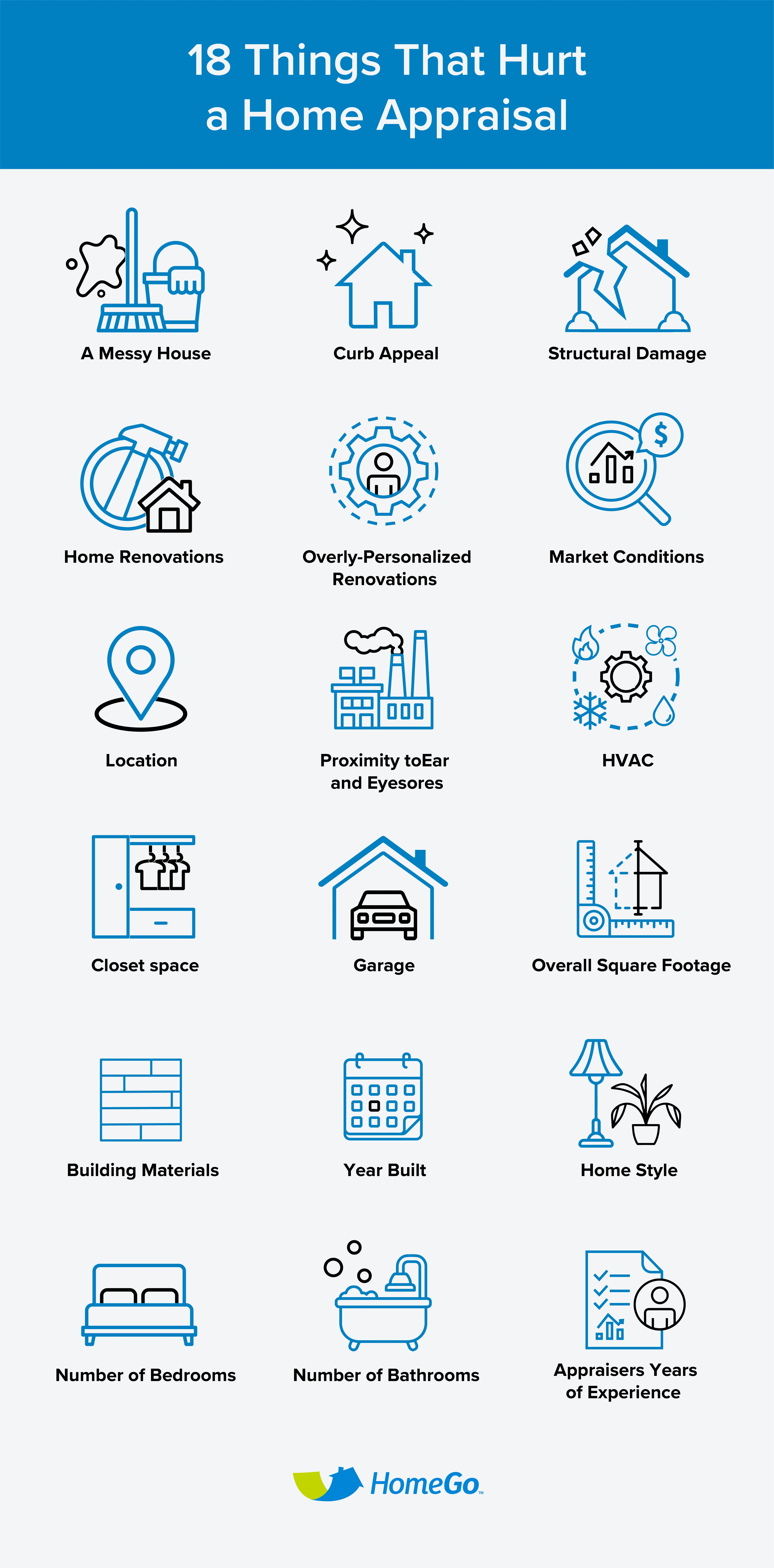
Sellers can consider getting a pre-listing appraisal. While an upfront cost, it provides a realistic valuation of their home before it goes on the market, helping them price it appropriately. This can prevent surprises later on. Additionally, sellers should ensure their home is in good condition, address minor repairs, and highlight any significant upgrades or unique features to their listing agent, who can then provide this information to the appraiser. Strategic pricing, based on solid comparable sales rather than purely aspirational figures, is key to avoiding an appraisal gap.
Buyers: Appraisal Contingencies & Due Diligence
Buyers should always include an appraisal contingency in their purchase offer, especially if they are not prepared to cover a significant appraisal gap with cash. This financial safeguard allows them to walk away without losing their earnest money. Buyers should also conduct their own due diligence by researching recent sales of comparable properties in the area to gauge a realistic market value before making an offer. Working with a knowledgeable real estate agent who can provide insightful market analysis is invaluable.
Real Estate Agent’s Role
A skilled real estate agent plays a crucial role in mitigating appraisal issues. For sellers, they help price the home correctly and provide the appraiser with a detailed list of upgrades and relevant comparable sales. For buyers, they advise on the importance of appraisal contingencies and help assess the risk of making an offer significantly above recent comps. An agent can also facilitate negotiations between parties if an appraisal gap occurs, guiding both through the financial implications and potential resolutions. Their expertise is a financial asset in navigating complex real estate transactions.
aViewFromTheCave is a participant in the Amazon Services LLC Associates Program, an affiliate advertising program designed to provide a means for sites to earn advertising fees by advertising and linking to Amazon.com. Amazon, the Amazon logo, AmazonSupply, and the AmazonSupply logo are trademarks of Amazon.com, Inc. or its affiliates. As an Amazon Associate we earn affiliate commissions from qualifying purchases.