
The first prenatal appointment is a significant milestone in any pregnancy, marking the transition from anticipation to active clinical management. For many, this visit feels like a high-stakes interview—not just with a healthcare provider, but with the future of their health and their developing baby. While the emotional weight is heavy, the appointment itself is a structured, systematic process designed to gather baseline data, assess potential risks, and establish a personalized care plan. Understanding exactly what happens during this visit can help transform anxiety into confidence, ensuring you are prepared to make informed decisions about your health.
Comprehensive Medical History and Risk Assessment
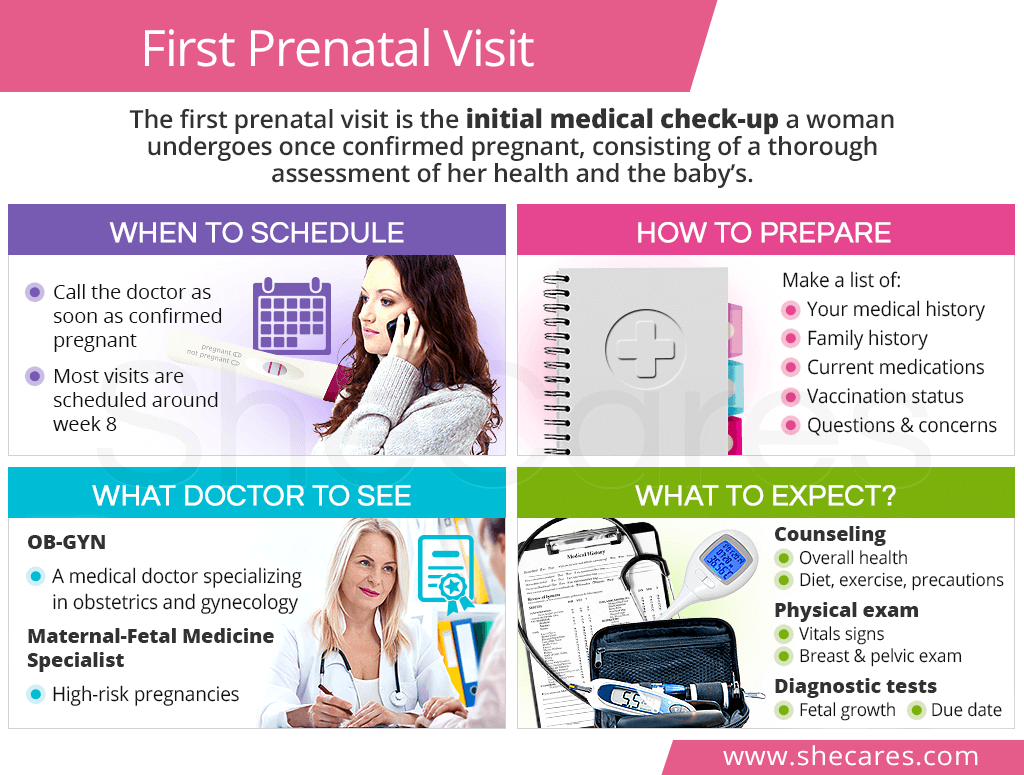
The foundation of your prenatal care begins long before a physical exam takes place. During the first appointment, your provider will conduct an exhaustive review of your medical and reproductive history. This is arguably the most critical component of the initial visit, as it allows the clinical team to flag potential complications and tailor monitoring protocols accordingly.
Gathering Personal Health Data
Your provider will ask for detailed information regarding your menstrual cycles, previous pregnancies, and history of gynecological conditions. They will also inquire about any chronic illnesses such as hypertension, diabetes, or autoimmune disorders, as well as current medications or supplements you are taking. This is not the time to downplay symptoms or minimize past health concerns; complete transparency is essential for your doctor to evaluate the necessity of specialized care or prenatal adjustments.
Family History and Genetics
Beyond your personal health, the provider will construct a detailed family pedigree. Genetic screening is a routine yet complex part of modern prenatal care. By identifying hereditary conditions in your immediate or extended family—such as cystic fibrosis, Tay-Sachs disease, or heart defects—your provider can determine if you would benefit from genetic counseling or specialized diagnostic testing. This aspect of the appointment is designed to empower you with information, allowing for proactive rather than reactive management of potential health challenges.
The Physical Examination and Clinical Screenings
Once the history-taking is complete, the focus shifts to the physical examination. This is the stage where the provider establishes a baseline for your physiological status, measuring how your body is currently reacting to the pregnancy.
Vital Signs and Baseline Measurements
The physical exam typically begins with routine measurements that will be tracked throughout the next nine months. You will have your blood pressure recorded, as hypertension is a critical indicator of potential gestational complications. You will also be weighed, not for aesthetic reasons, but to establish a body mass index (BMI) baseline that will inform your healthy weight gain targets for the duration of the pregnancy.
Gynecological and Pelvic Assessments
Depending on when your last pap smear or pelvic exam occurred, your provider may perform these procedures during the first appointment to ensure there are no signs of infection or abnormalities of the cervix. They will also perform a bimanual exam to palpate the uterus and determine the approximate size, which helps confirm the clinical dates of your pregnancy. If the pregnancy is far enough along, the provider may also use a handheld Doppler device to attempt to detect the baby’s heartbeat. Hearing that distinct, rapid rhythm for the first time is often the moment when the reality of the experience truly settles in.
Laboratory Testing and Diagnostic Protocols
The “science” of the first prenatal visit is heavily driven by laboratory diagnostics. Your blood and urine are analyzed to provide a clear picture of your immunity, blood type, and overall metabolic function. This data is the primary safeguard against complications that can be mitigated if caught early.
Blood Panel Analysis
You can expect to have several vials of blood drawn during this visit. Key tests typically include:
- Complete Blood Count (CBC): To check for anemia or infection.
- Blood Typing and Rh Factor: Identifying your blood type is crucial, particularly if you are Rh-negative, as this requires specific preventive treatments to protect the baby.
- Immunity Screens: Testing for antibodies to conditions like rubella and varicella, which can be harmful during gestation.
- Infectious Disease Screening: Routine checks for HIV, hepatitis B, syphilis, and sometimes other sexually transmitted infections.
Urinalysis
A urine sample is requested to test for protein, sugar, and signs of infection. Detecting glucose early can be a precursor to gestational diabetes, while the presence of protein or white blood cells can indicate a urinary tract infection that may go unnoticed but could pose a risk if left untreated.
Establishing the Roadmap for Care
The final phase of the first appointment is dedicated to logistics, education, and setting expectations. This is where the partnership between you and your healthcare team is solidified.
Developing the Prenatal Schedule
Your provider will outline the frequency of your upcoming visits. In a low-risk pregnancy, the standard cadence is once a month until the 28th week, transitioning to every two weeks until 36 weeks, and weekly thereafter. Understanding this schedule allows you to plan your work and personal life effectively. You will also discuss the upcoming ultrasound schedule, which usually includes the dating scan to confirm the estimated due date and the anatomy scan at the 20-week mark.
Nutritional and Lifestyle Guidance
The clinical team will provide a roadmap for healthy living, focusing on prenatal vitamins, dietary restrictions (such as avoiding certain cheeses, deli meats, or excessive caffeine), and physical activity guidelines. This is the ideal time to ask questions about workplace safety, exercise intensity, and the management of common early-pregnancy symptoms like morning sickness or fatigue.

Navigating the Emotional and Practical Landscape
Finally, the first visit is an opportunity to discuss the “non-clinical” aspects of your care. Do you have a birth plan? Are there specific fears or goals you have for your delivery? While a birth plan is not set in stone, discussing your preferences early allows your healthcare provider to align with your vision. Furthermore, if you are experiencing significant anxiety or are concerned about mental health, this is the safest space to bring it up. Modern prenatal care recognizes that maternal mental health is just as vital as physical health.
By the time you walk out of the office, you should leave with a folder full of educational resources, a lab slip for any follow-up blood work, and a clearer understanding of the path ahead. The first prenatal appointment is more than a list of tasks; it is the first step in a collaborative relationship designed to support you through one of life’s most transformative experiences. By approaching the session prepared with questions and a clear history, you ensure that you are not just a patient, but an active participant in your own care.
aViewFromTheCave is a participant in the Amazon Services LLC Associates Program, an affiliate advertising program designed to provide a means for sites to earn advertising fees by advertising and linking to Amazon.com. Amazon, the Amazon logo, AmazonSupply, and the AmazonSupply logo are trademarks of Amazon.com, Inc. or its affiliates. As an Amazon Associate we earn affiliate commissions from qualifying purchases.