
The story of David Cassidy is often told through the lens of tragic celebrity downfall, but from a strategic perspective, it represents one of the most significant case studies in personal brand architecture and the perils of market saturation. In the early 1970s, Cassidy wasn’t just a singer or an actor; he was a multi-million-dollar global brand, a prototype for the modern “teen idol” that would later influence the marketing strategies behind everyone from New Kids on the Block to Justin Bieber. Understanding what happened to David Cassidy requires a deep dive into how his brand was constructed, how it was exploited, and why the transition from a corporate-owned identity to a personal professional brand ultimately fractured.
The Architecture of an Icon: Creating the “Teen Idol” Prototype
The David Cassidy brand was not an organic emergence; it was a meticulously engineered product of the Screen Gems marketing machine. When Cassidy was cast as Keith Partridge in The Partridge Family, he was thrust into a role that served as the focal point of a massive multi-media platform. Unlike traditional actors of the era, Cassidy’s brand was designed to be cross-functional, bridging the gap between television, radio, and retail.
The Partridge Family as a Multi-Media Platform
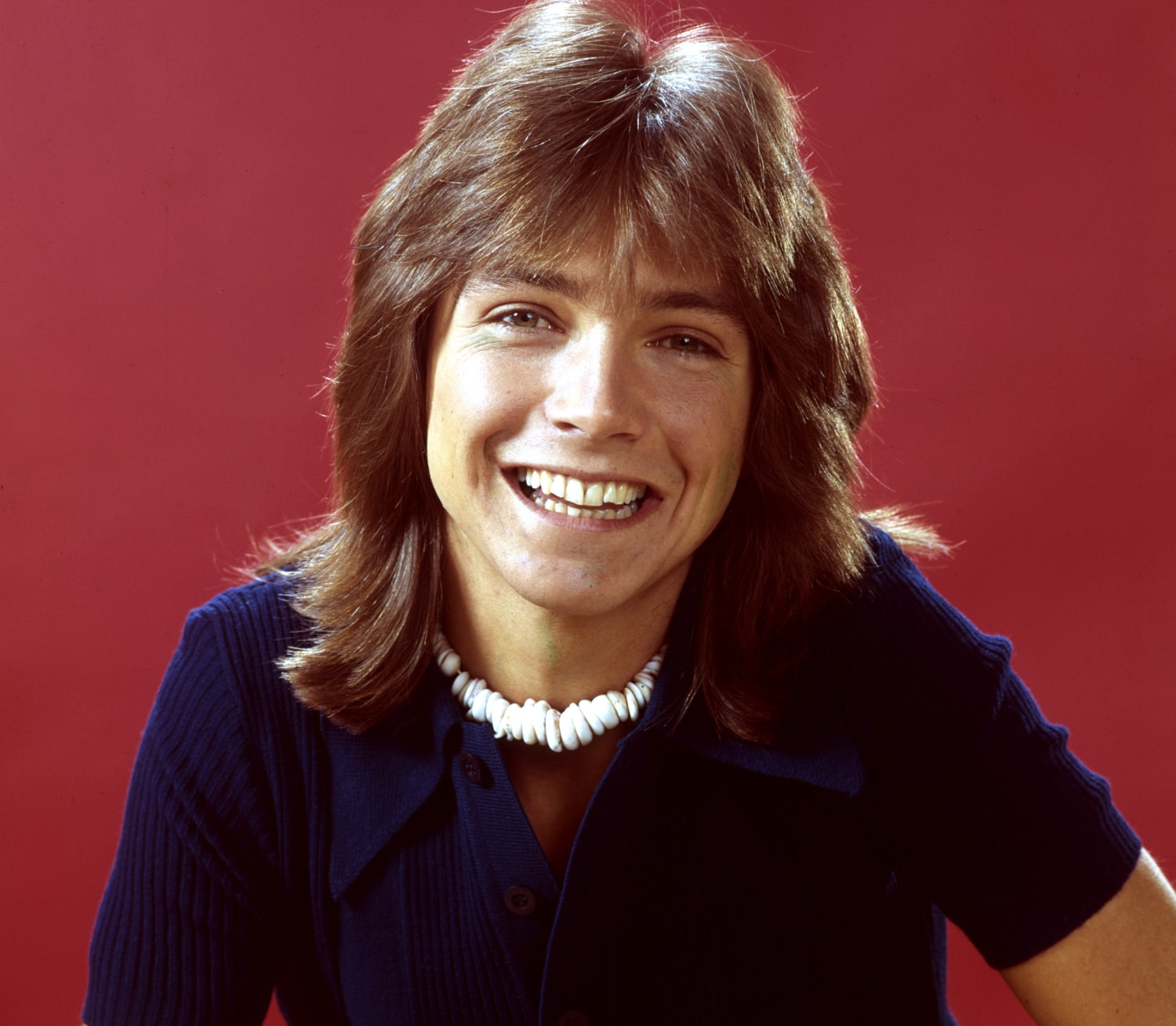
The core of Cassidy’s early brand equity was built on the concept of synergy. Each episode of The Partridge Family acted as a thirty-minute commercial for the music, which in turn drove viewers back to the television show. This was a revolutionary brand strategy at the time. By blurring the lines between the fictional character and the real-life performer, the producers created a brand that felt accessible and intimate to a global audience. Cassidy’s image—the feathered hair, the gentle smile, and the non-threatening masculinity—was the visual hook that anchored a billion-dollar merchandising empire.
The Strategic Construction of the Girl-Next-Door Fantasy
From a brand positioning standpoint, Cassidy was marketed as the ultimate “safe” rebel. He appealed to the demographic of young girls while remaining acceptable to their parents. This dual-market appeal is a gold standard in personal branding, as it maximizes reach without alienating conservative gatekeepers. However, this positioning came at a high cost to Cassidy’s long-term brand health. Because the brand was built on “youthful innocence,” it had a built-in expiration date. The strategy prioritized short-term extraction of value through merchandising and record sales over the sustainable development of Cassidy as a long-term artistic brand.
The Trap of Success: When the Persona Overwhelms the Professional Brand
By 1972, David Cassidy was the most popular entertainer in the world. His fan club was larger than those of Elvis Presley and The Beatles combined. Yet, as the brand reached its peak, the disconnect between the “Cassidy Product” and the actual individual began to create systemic failures in his career trajectory. In brand management, this is known as “over-exposure,” where a brand becomes so ubiquitous that it loses its premium status and becomes a commodity.
Market Saturation and the Merchandising Frenzy
The sheer volume of David Cassidy-branded merchandise—lunchboxes, pillowcases, bubblegum cards, and clothing—was unprecedented. While this generated massive revenue for Screen Gems and the record labels, it effectively “locked” Cassidy’s brand in a specific time and demographic. When a brand becomes a toy, it is rarely taken seriously as an adult entity later. The aggressive merchandising commoditized Cassidy’s image to such an extent that his musical talents were often ignored by the critical establishment. This saturation created a ceiling for his brand, making it nearly impossible for him to pivot into more mature, sophisticated markets as he aged.

The Disconnect Between Identity and Public Image
One of the most critical aspects of personal branding is authenticity. For Cassidy, the brand he projected was in direct opposition to his personal identity. While the world saw a clean-cut, cheerful pop star, Cassidy himself was a serious musician with an interest in blues and rock. The corporate mandate to maintain the “Keith Partridge” image forced him into a state of brand cognitive dissonance. This lack of alignment between the brand’s “promise” (innocence and accessibility) and the brand’s “reality” (a frustrated, overworked artist) eventually led to the mental and physical exhaustion that would derail his career. This serves as a vital lesson for modern creators: a brand that requires the constant suppression of the creator’s true identity is inherently unsustainable.
Pivot Failures: The Difficulty of Brand Reinvention in a Fixed Media Landscape
When The Partridge Family ended in 1974, Cassidy attempted what many modern influencers struggle with: a total brand pivot. He wanted to shed the teen idol image and be recognized as a serious rock musician. However, the very strength of his initial branding became his greatest liability. The “brand anchor” of Keith Partridge was so heavy that it prevented him from moving into new territories.
Breaking the Mold: The Struggle for Artistic Legitimacy
Cassidy’s post-1974 efforts involved collaborating with legendary musicians and attempting to release more sophisticated albums like The Higher They Climb. However, the media and the public refused to accept the rebrand. In the world of marketing, this is a failure of brand perception management. Once a brand is categorized in the mind of the consumer, moving it to a different category (e.g., from “Disposable Pop” to “Serious Art”) requires a radical and often painful transformation. Cassidy’s attempt to transition was met with skepticism because the “Teen Idol” brand was still too fresh in the collective consciousness.
The Long-Term Impact of Pigeonholing
Because Cassidy did not own his “masters” or the rights to his early image, he lacked the leverage to control his own narrative. His brand was essentially a leased asset owned by a corporation. When he tried to reclaim it, he found that he had very little intellectual property of his own to build upon. This lack of brand ownership is a recurring theme in the entertainment industry and highlights the importance for modern personal brands to maintain control over their content, likeness, and distribution channels. The “pigeonholing” Cassidy experienced was not just a social phenomenon; it was a structural barrier created by the contracts he signed early in his career.
Brand Legacy and the Cautionary Tale for Modern Influencers
In his later years, David Cassidy’s brand narrative was dominated by his struggles with substance abuse, financial mismanagement, and health issues. However, the underlying cause of these public struggles can often be traced back to the initial brand mismanagement of the 1970s. The psychological weight of being a “fading” brand is immense, particularly when the individual’s self-worth is tied to a persona that no longer exists.
Managing Authenticity in the Public Eye
In the digital age, the “David Cassidy story” serves as a blueprint for what to avoid. Modern influencers and celebrities now have the tools to manage their own brands through social media, allowing for a more gradual and authentic evolution of their public image. Unlike Cassidy, today’s stars can pivot by showing the “behind-the-scenes” reality of their lives, thus building a brand based on a relationship rather than a static image. Cassidy’s inability to communicate directly with his audience—mediated as he was by magazines and network TV—meant he could never explain his evolution or negotiate his brand’s maturity with his fans.
Lessons in Longevity and Personal Brand Sustainability
The ultimate lesson of what happened with David Cassidy is the necessity of brand diversification and ownership. For a personal brand to survive decades, it must:
- Own the IP: Without ownership of the content and the image, the individual is merely a temporary steward of a corporate asset.
- Plan for the Pivot: Every “youth-based” brand must have a roadmap for how it will age alongside its audience. Failure to plan for maturity leads to a “nostalgia trap.”
- Prioritize Brand Health Over Short-Term Gain: While merchandising can be lucrative, over-commodification can destroy the brand’s long-term prestige and viability in other markets.
David Cassidy was a pioneer of the modern celebrity business model, but he was also a victim of its early, unrefined mechanics. His career illustrates the power of a well-executed brand to capture the world’s imagination, but also the devastating consequences when that brand is not built with the creator’s long-term well-being and autonomy in mind. In analyzing his journey, today’s brand strategists can see the importance of building brands that are not just profitable, but resilient, authentic, and, most importantly, owned by the people who embody them.
aViewFromTheCave is a participant in the Amazon Services LLC Associates Program, an affiliate advertising program designed to provide a means for sites to earn advertising fees by advertising and linking to Amazon.com. Amazon, the Amazon logo, AmazonSupply, and the AmazonSupply logo are trademarks of Amazon.com, Inc. or its affiliates. As an Amazon Associate we earn affiliate commissions from qualifying purchases.