
In the realm of global recognition, few assets possess the enduring power of a monumental sculpture. While we often view these works through the lens of art history or tourism, a strategic brand perspective reveals them to be the ultimate expressions of corporate, civic, and personal identity. A sculpture is more than a static object; it is a three-dimensional brand manifesto that communicates values, history, and aspirations without uttering a single word.
From the classical marble of the Renaissance to the polished steel of contemporary urban installations, famous sculptures serve as the physical anchors for some of the world’s most successful brands—whether those brands are cities, movements, or multi-billion-dollar corporations. Understanding the intersection of sculptural art and brand strategy provides a masterclass in how to build a visual identity that withstands the test of centuries.
Sculptural Landmarks as Global City Brands
When we think of the world’s most powerful “city brands,” we rarely visualize their GDP or their infrastructure first. Instead, we visualize their iconic sculptures. These works function as the primary logo for a geographical location, creating a visual shorthand that attracts tourism, investment, and cultural prestige.
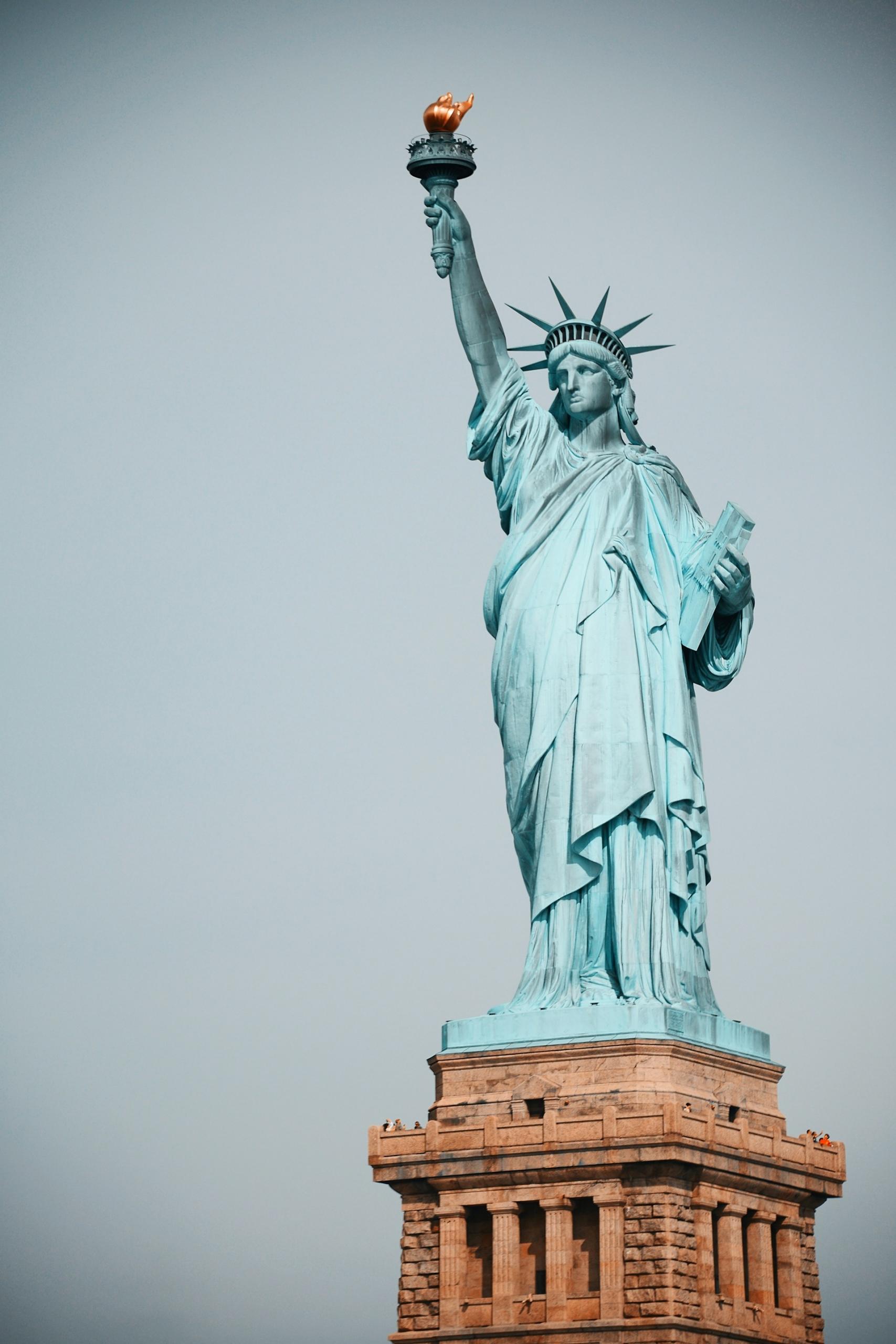
The Statue of Liberty: Branding Liberty and Opportunity
The Statue of Liberty is perhaps the most successful exercise in “sovereign branding” in modern history. Gifted by France to the United States, it was not merely a gesture of friendship but a deliberate attempt to codify the American brand as the global beacon of “Liberty Enlightening the World.”
From a brand strategy perspective, the statue utilizes specific semiotics—the torch for enlightenment, the tablet for law, and the broken chains for freedom. For over a century, this singular image has managed the reputation of an entire nation, serving as the first point of contact for millions of immigrants. In the modern era, its silhouette remains a protected and utilized brand asset that communicates “The American Dream” more effectively than any advertising campaign ever could.
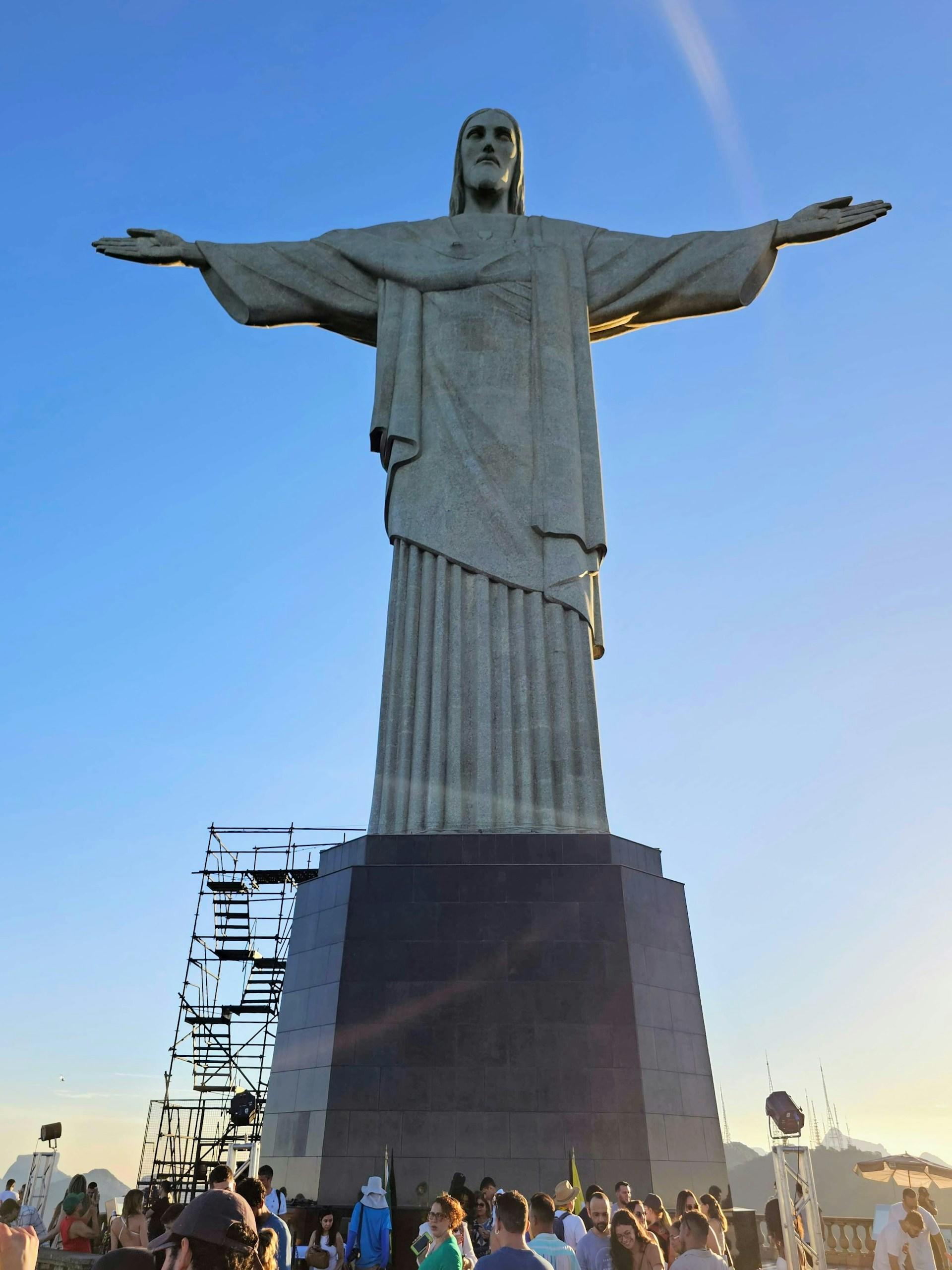
Christ the Redeemer: Rio’s Visual Identity
Perched atop Corcovado Mountain, Christ the Redeemer is not just a religious icon; it is the cornerstone of Rio de Janeiro’s brand identity. The sculpture’s open arms are a masterstroke in inclusive branding, symbolizing a city that is welcoming, warm, and spiritually vibrant.
The strategic placement of the sculpture ensures its visibility from almost every point in the city, reinforcing the brand message 24/7. For the Brazilian tourism board, this sculpture acts as a visual anchor in every marketing material, providing a unique “Unique Selling Proposition” (USP) that distinguishes Rio from other tropical destinations. It demonstrates how a sculpture can elevate a city’s status to a “must-see” global landmark.
Corporate Identity in Bronze and Stone
While cities use sculptures to define their culture, the corporate world utilizes them to manifest their market position and institutional values. In high-stakes environments like Wall Street, a sculpture can become the definitive symbol of an entire industry’s psychology.
The Charging Bull: Symbolizing Market Optimism
Arturo Di Modica’s Charging Bull is arguably the most famous piece of corporate guerilla branding in history. Originally dropped off in front of the New York Stock Exchange without a permit, it quickly became the unofficial mascot of financial prosperity.
The brand equity of the Charging Bull lies in its anatomy. The leaning-forward stance, the tensed muscles, and the aggressive posture perfectly encapsulate the “Bull Market” brand—one defined by growth, aggression, and relentless optimism. It has become a site of pilgrimage for financial professionals, proving that a well-executed sculpture can become an integral part of a corporate ecosystem’s identity, even without an official commissioning process.
Fearless Girl: The Evolution of Gender Brand Narratives
In 2017, State Street Global Advisors commissioned the Fearless Girl sculpture to stand directly across from the Charging Bull. This was a calculated and brilliant brand move designed to highlight the need for gender diversity in corporate leadership.
By placing a small, defiant girl in front of the massive bull, the brand created a visual dialogue. This intervention transformed a classic symbol of finance into a modern conversation about social responsibility and corporate evolution. The Fearless Girl became a viral sensation, generating billions of earned media impressions for State Street. It serves as a prime example of how sculpture can be used in “Brand Activism” to shift narratives and position a company as a thought leader in social change.
The Influence of Classical Aesthetics on Modern Brand Strategy
The world’s most famous historical sculptures continue to influence how modern brands design their visual identities. The principles of balance, movement, and proportion found in ancient Greek and Roman works are the foundational DNA of high-end luxury and athletic branding.
The Winged Victory of Samothrace and the Birth of Nike
One of the most direct links between classical sculpture and modern branding is the Winged Victory of Samothrace. This Hellenistic masterpiece, currently housed in the Louvre, captures a sense of divine triumph and dynamic motion.
When Carolyn Davidson designed the “Swoosh” logo for Nike, the inspiration was drawn directly from the wings of this statue. The brand name “Nike” itself is the Greek goddess of victory. By aligning itself with the aesthetic and mythological weight of this famous sculpture, the Nike brand inherited thousands of years of cultural associations with excellence, speed, and winning. This is the pinnacle of “Heritage Branding,” where a modern company adopts the gravitas of ancient art to establish instant authority.
The David: Cultural Heritage as a Sovereign Brand Asset
Michelangelo’s David is more than a masterpiece of the Renaissance; it is the primary brand asset for the city of Florence and the broader concept of “Italian Excellence.” The sculpture’s focus on human potential and intellectual prowess reflects the “Brand Italy” values of craftsmanship, beauty, and history.
For luxury brands like Gucci or Ferrari, the proximity to such sculptural heritage provides an “aura of quality.” When a brand can trace its origins to a culture that produced the David, it gains a competitive advantage in the luxury market. The sculpture acts as a benchmark for quality that modern brands strive to emulate in their own product design.
Public Art as a Catalyst for Economic and Social Branding
In the 21st century, sculptures have become essential tools for “Place Branding”—the process of making a location desirable for residents, businesses, and tourists. Modern installations often focus on interactivity and social media shareability to drive brand awareness.
The Cloud Gate (The Bean): Transforming Chicago’s Tech and Tourism Image
Anish Kapoor’s Cloud Gate, colloquially known as “The Bean,” has fundamentally rebranded Chicago’s Millennium Park. Its mirror-like surface and futuristic form moved the city’s brand away from its industrial “Stockyards” past toward a future of innovation, technology, and contemporary art.
From a brand perspective, Cloud Gate is designed for the “Instagram Era.” Its reflective surface encourages user-generated content, meaning every tourist who takes a photo becomes a brand ambassador for the city. It demonstrates how a sculpture can act as a “content engine,” constantly refreshing the visual identity of a location through the eyes of its visitors.
The Great Sphinx of Giza: The Longevity of Legacy Branding
The Sphinx is perhaps the oldest surviving “brand icon” in the world. It was designed to communicate the divine power and eternal nature of the Pharaoh’s reign. Thousands of years later, it still performs that function, serving as the global face of Egypt’s national brand.
The longevity of the Sphinx provides a vital lesson for brand strategists: simplicity and scale lead to permanence. By merging the head of a human with the body of a lion, the creators utilized “Brand Archetypes” of wisdom and strength that remain universally understood across different cultures and eras. It is a reminder that the most effective brands are built on universal truths.
Future Perspectives: Digital Sculptures and Brand Longevity
As we move into a more digital-centric world, the definition of “sculpture” is expanding, yet the branding principles remain the same. We are seeing the rise of “Digital Twins” of famous sculptures and the creation of AR (Augmented Reality) installations that exist only through a smartphone lens.
For brands, this means that sculptural identity is no longer tethered to a single physical location. A brand can “drop” a virtual sculpture in any city in the world to create a pop-up experience. However, the most successful brands will always look back to the world’s most famous sculptures to understand the core of human connection.
Whether it is the emotional resonance of the Pietà or the rugged defiance of the Charging Bull, famous sculptures remind us that branding is ultimately about the physical manifestation of an idea. By studying these works, brand strategists can learn how to create identities that are not just seen, but felt—identities that occupy space in both the physical world and the human imagination for generations to come. Through the strategic use of form, material, and narrative, a sculpture can elevate a brand from a mere name to a global icon.
aViewFromTheCave is a participant in the Amazon Services LLC Associates Program, an affiliate advertising program designed to provide a means for sites to earn advertising fees by advertising and linking to Amazon.com. Amazon, the Amazon logo, AmazonSupply, and the AmazonSupply logo are trademarks of Amazon.com, Inc. or its affiliates. As an Amazon Associate we earn affiliate commissions from qualifying purchases.