
The question “What happened to Yelawolf?” often arises from a perception of shifting visibility within mainstream music culture. For many, the Alabama-born artist, Michael Wayne Atha, known professionally as Yelawolf, embodied a raw, unconventional energy that defied easy categorization. Yet, his trajectory offers a compelling study in personal branding, demonstrating how an artist navigates identity, strategic partnerships, and market evolution while striving for authentic self-expression. Far from disappearing, Yelawolf’s journey illustrates a deliberate, albeit often turbulent, redefinition of his brand, moving from major label sensation to independent powerhouse, meticulously cultivating a niche that prioritizes artistic integrity over broad commercial appeal.

The Evolution of a Maverick Brand Identity
From his earliest mixtapes to his major label debut, Yelawolf cultivated a brand identity rooted in authenticity, southern grit, and a rebellious spirit. His early persona was that of a genre-defying anomaly, equally at home spitting rapid-fire rhymes as he was delivering melodic, blues-infused verses.
Early Persona and Authenticity
Yelawolf’s initial brand proposition was an unvarnished reflection of his life experiences in Gadsden, Alabama. His narratives were deeply personal, painting vivid pictures of struggle, passion, and defiance. This authenticity resonated strongly with a segment of the audience fatigued by manufactured pop acts. His distinct visual style—tattoos, punk rock aesthetic, and signature long hair—further cemented a non-conformist image. This early brand was built on raw talent and a compelling backstory, eschewing traditional marketing slickness in favor of a genuine connection with his grassroots fanbase. He was not just an artist; he was a spokesperson for a particular subculture, a brand ambassador for the “slumerican” way of life, a term he coined to represent a blend of Southern and American counter-culture. This organic brand building laid a strong foundation of loyalty, crucial for future transitions.
Strategic Partnerships and Major Label Impact
The signing with Eminem’s Shady Records in 2011 marked a pivotal moment in Yelawolf’s brand development. This strategic partnership brought immense visibility and credibility, leveraging the established brand equity of one of hip-hop’s titans. For Yelawolf, it was an opportunity to scale his unique brand message to a global audience. For Shady Records, it represented an expansion of their brand portfolio, embracing an artist who brought a distinct sound and persona that diversified their roster. However, major label machinery also brought the pressures of commercial expectations and potential brand dilution. While albums like Radioactive and Love Story garnered critical acclaim and expanded his reach, they also initiated a subtle tension between maintaining his core, uncompromised brand and adapting to mainstream market demands. The challenge was to integrate within a larger corporate identity without losing the essence of what made the Yelawolf brand unique in the first place.
Navigating Genre Blurring and Niche Appeal
Yelawolf’s music consistently blurred the lines between hip-hop, country, rock, and punk, making him a complex figure for traditional music industry categorization. While this genre fluidity was a core element of his artistic brand, it also posed marketing challenges. Brands thrive on clear positioning, and Yelawolf’s refusal to be pigeonholed meant his target demographic was harder to define and capture. Instead of aiming for mass appeal, he strategically leaned into his niche, understanding that deep engagement with a specific audience could be more sustainable than fleeting mainstream success. This choice to double down on his unique blend of sounds and storytelling reinforced his brand as a true artistic maverick, appealing to listeners who valued originality over genre purity. His brand became synonymous with artistic courage and a refusal to conform.
Reclaiming Narrative: Independence and Brand Autonomy
Following his departure from Shady Records, Yelawolf embarked on a significant phase of brand restructuring, shifting towards complete independence. This move was a clear statement of intent: to regain full creative and strategic control over the Yelawolf brand.
The Shift from Major Label to Independent Endeavors
The transition to independence was not merely a career move; it was a powerful act of brand autonomy. By establishing his own label, Slumerican Records, Yelawolf took direct ownership of his brand’s entire ecosystem—from production and distribution to marketing and intellectual property. This move allowed him to execute his vision without external pressures, ensuring every output faithfully represented his artistic identity. For artists contemplating a similar path, Yelawolf’s decision underscores the importance of a clear brand vision and the infrastructure to support it. It demonstrated that true brand strength can come from self-reliance and the ability to dictate one’s own terms, even if it means sacrificing some of the reach that a major label might provide. This pivot solidified his brand as one of resilience and self-determination.
Building a Direct-to-Fan Connection and Community
Independence also necessitated a renewed focus on direct-to-fan engagement. In the digital age, artists can bypass traditional gatekeepers and build robust communities around their brand. Yelawolf leveraged social media, merchandise, and consistent touring to foster an intimate connection with his “Slumerican” fanbase. This approach built brand loyalty not just around his music, but around the entire ethos he represented. His fans became more than consumers; they became brand advocates, sharing his message and supporting his ventures directly. This community-driven model became a cornerstone of his independent brand strategy, proving that a strong, engaged core audience can sustain an artist’s career even without consistent mainstream airplay.
Diversification of Brand Offerings
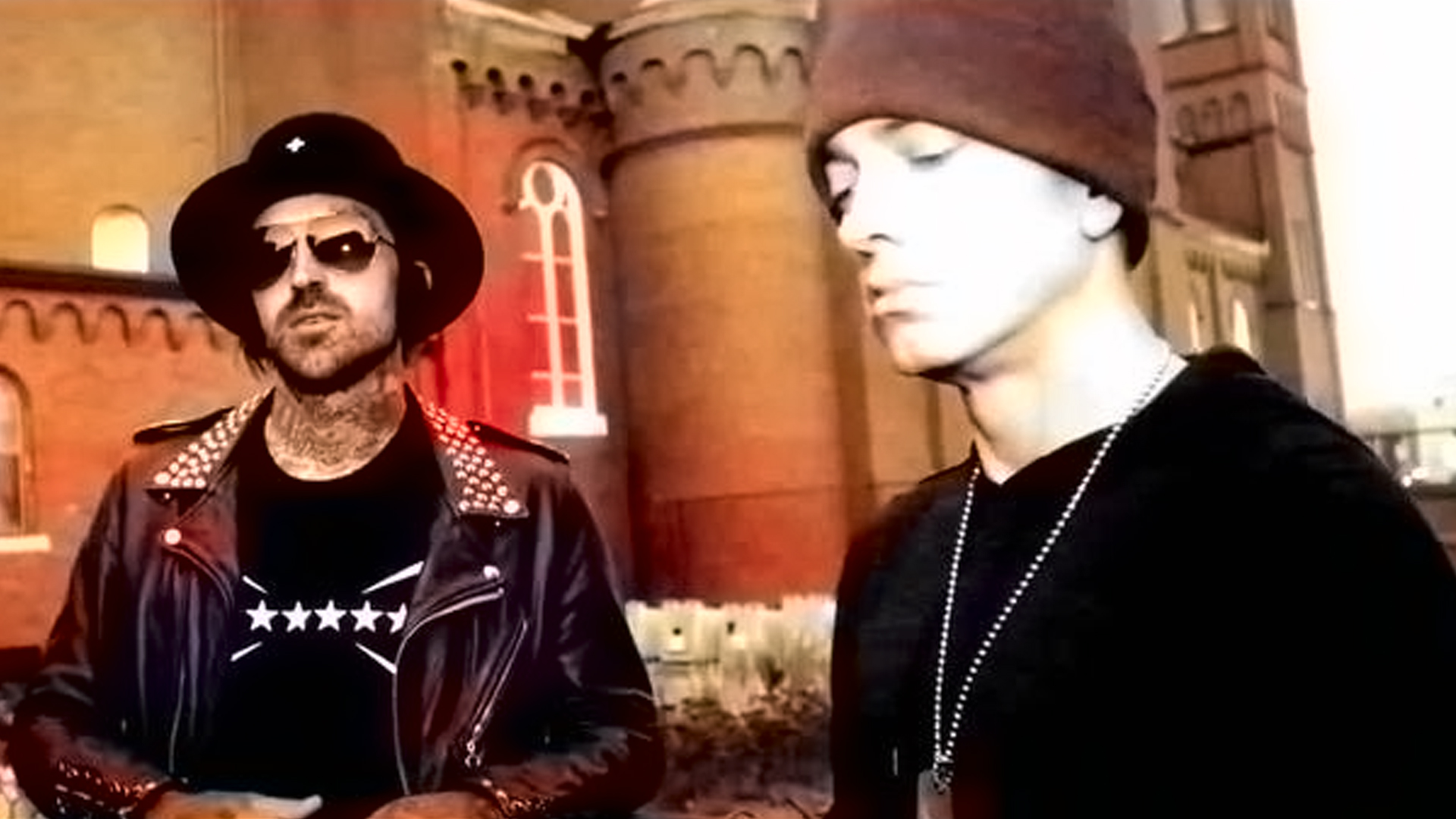
The Yelawolf brand extends beyond music. Under the Slumerican umbrella, he diversified his offerings, creating clothing lines, lifestyle products, and even hosting cultural events. This diversification strategy is crucial for long-term brand sustainability. By offering multiple touchpoints for engagement, Yelawolf transformed his artistic persona into a lifestyle brand. Each product or event reinforces the core values of the Slumerican brand—authenticity, community, and a distinctive aesthetic. This approach not only creates additional revenue streams but also deepens fan investment, turning casual listeners into dedicated followers who identify with the broader brand universe. This strategic expansion is a hallmark of successful personal branding in the modern entertainment landscape.
Branding Through Adversity and Transformation
Like any prominent brand, Yelawolf’s journey has involved navigating public perception, managing artistic shifts, and adapting to industry changes. His ability to sustain relevance speaks to a resilient brand strategy.
Public Perception and Reputation Management
Public figures are constantly under scrutiny, and their personal lives often intersect with their professional brand. Yelawolf has faced various challenges, from dealing with the intense spotlight of major label fame to personal struggles that sometimes became public. Effective brand management in such scenarios involves maintaining a consistent core message while addressing issues transparently and authentically. His brand, built on raw honesty, often allowed him to address these moments in a way that reinforced his image rather than detracting from it. It’s about owning one’s narrative and ensuring that the brand voice remains consistent even when addressing difficult topics, transforming potential setbacks into opportunities for deeper connection through shared vulnerability.
Reinvention and Evolving Artistic Statements
A static brand risks becoming irrelevant. Yelawolf has consistently evolved his sound and artistic direction, showcasing a willingness to experiment and grow. Albums post-Shady Records demonstrate a deepening of his rock and country influences, further solidifying his genre-bending identity. This continuous reinvention is a strategic move to keep his brand fresh and engaging, appealing to his existing fanbase while potentially attracting new listeners who appreciate artistic evolution. Each new project serves as a brand refresh, demonstrating versatility and a commitment to pushing creative boundaries rather than resting on past successes. It communicates that the Yelawolf brand is dynamic and forward-thinking.
The Long Game: Sustaining Relevancy in a Dynamic Industry
The entertainment industry is notoriously fickle. Sustaining a brand for over a decade, especially one built on non-conformity, requires a long-term strategic vision. Yelawolf’s longevity can be attributed to several factors: unwavering authenticity, a dedicated community, and a consistent output of quality work. By not chasing fleeting trends and instead focusing on his unique artistic path, he has cultivated a timeless quality for his brand. His story is a testament to the power of building a resilient brand that can withstand market fluctuations and continue to resonate with a loyal audience, proving that “what happened to Yelawolf” is not a question of absence, but of deliberate, evolving presence.
Lessons in Personal Branding from Yelawolf’s Journey
Yelawolf’s career provides valuable insights for anyone looking to build and sustain a strong personal brand, particularly in creative industries.
Authenticity as a Core Brand Pillar
Perhaps the most crucial lesson from Yelawolf is the indispensable role of authenticity. His brand success stems from a consistent, genuine representation of self. In an age of curated personas, an authentic brand stands out, fostering trust and deeper connections with an audience. Yelawolf’s unfiltered storytelling and raw delivery became his unique selling proposition, demonstrating that staying true to oneself can be the most powerful branding strategy.
The Power of Strategic Disruption
Yelawolf’s brand strategy has always involved a degree of disruption. By blurring genres, challenging industry norms, and forging an independent path, he has carved out a unique space. For brands looking to differentiate, strategic disruption involves identifying market gaps and fearlessly innovating, rather than simply replicating existing models. This approach allows a brand to define its own category rather than compete within crowded ones.

Adaptability and Resilience in Brand Management
The ability to adapt to changing industry landscapes and personal circumstances while maintaining a core identity is vital. Yelawolf’s journey from major label artist to independent label owner, combined with his continuous artistic evolution, exemplifies resilience in brand management. It shows that navigating challenges and reinventing aspects of a brand are not failures but necessary steps for long-term growth and sustained relevance. His story is a powerful reminder that strong brands are not immutable; they are living entities that evolve, adapt, and consistently reinforce their core values to a devoted audience.
aViewFromTheCave is a participant in the Amazon Services LLC Associates Program, an affiliate advertising program designed to provide a means for sites to earn advertising fees by advertising and linking to Amazon.com. Amazon, the Amazon logo, AmazonSupply, and the AmazonSupply logo are trademarks of Amazon.com, Inc. or its affiliates. As an Amazon Associate we earn affiliate commissions from qualifying purchases.