
In the hyper-accelerated world of digital entertainment, a personal brand can be built in months and dismantled in weeks. Perhaps no story illustrates the volatility of digital equity better than that of Daequan Loco, known globally as TSM Daequan. At the height of the Fortnite phenomenon, Daequan wasn’t just a player; he was a foundational pillar of the gaming community, a brand synonymous with charisma, humor, and a revolutionary “W-key” playstyle.
However, his intermittent disappearances and eventual withdrawal from the public eye provide a fascinating case study for brand strategists and marketing professionals. By analyzing the “Daequan” brand, we can uncover critical insights into the relationship between creator consistency, audience loyalty, and the sustainability of a personal brand in the 21st century.
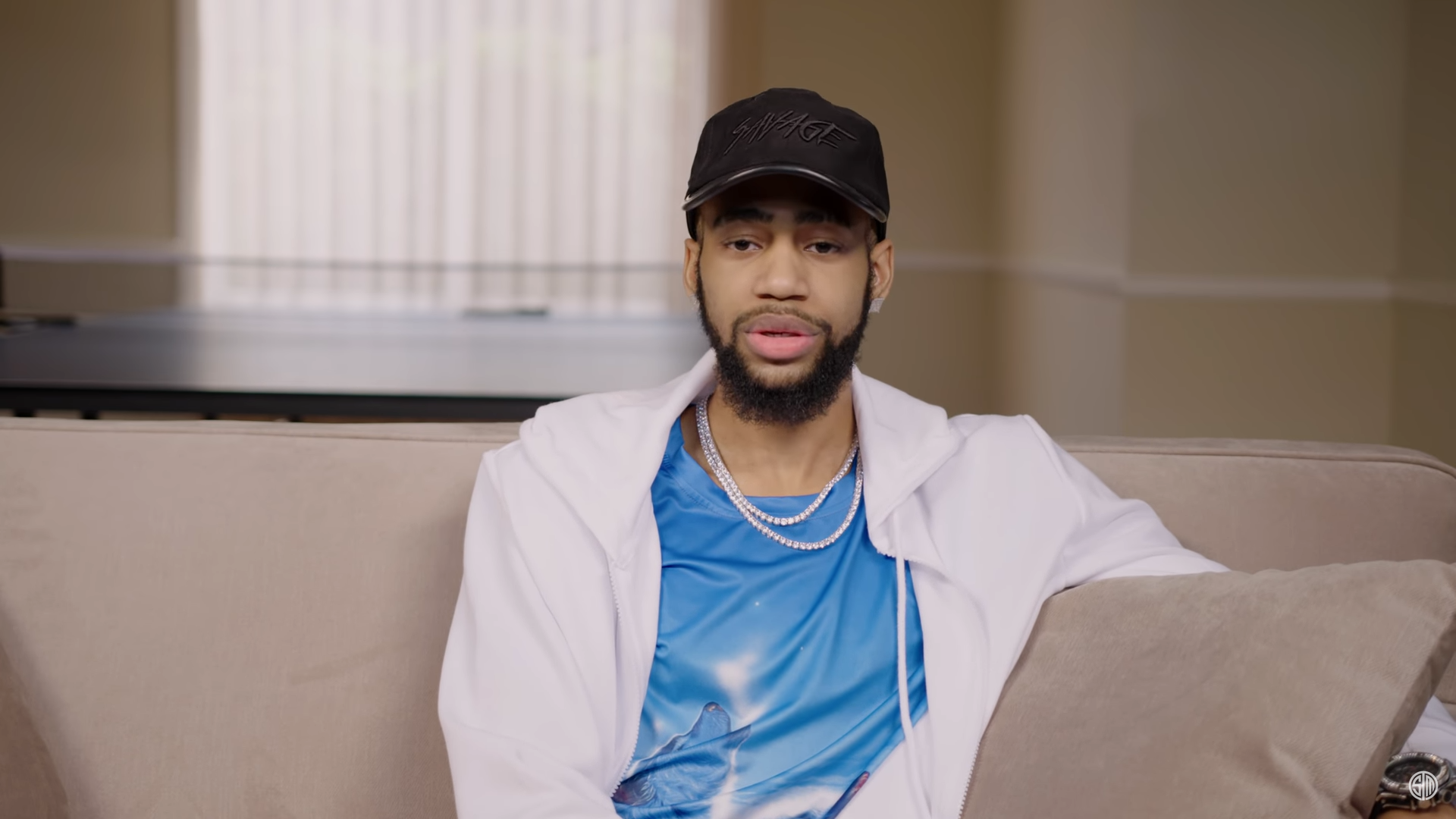
The Architecture of a Digital Powerhouse: Building the Daequan Brand
The success of TSM Daequan was not an accident; it was the result of a perfectly aligned brand strategy that capitalized on the burgeoning “influencer-athlete” hybrid model. To understand what happened to his brand, we must first understand how it was constructed.
Authentic Persona as a Brand Differentiator
In a market saturated with “pro players” who focused solely on skill, Daequan differentiated his brand through personality. He developed a unique vernacular—terms like “Brother!”, “Ooga Booga,” and “Come here, boy!”—which served as brand catchphrases. These weren’t just jokes; they were linguistic “moats” that created a sense of belonging among his fans. From a branding perspective, Daequan transitioned from a service provider (gaming) to a lifestyle brand (entertainment and community).
The Power of Institutional Synergy: The TSM Effect
Daequan’s association with Team SoloMid (TSM) was a masterclass in brand synergy. TSM provided the corporate infrastructure, credibility, and cross-promotional opportunities, while Daequan provided the “face” and the engagement. This partnership elevated him from a high-level streamer to a global ambassador for the organization. His brand became inextricable from the TSM “Daequan, Hamlinz, and Myth” trio, creating a collective brand power that dominated YouTube and Twitch simultaneously.
The Silent Erosion: Analyzing the Impact of Brand Absence
The most significant threat to any digital-first brand is the lack of “presence.” In the attention economy, silence is often interpreted as irrelevance. Daequan’s multiple hiatuses, beginning around 2019, serve as a cautionary tale for brand managers regarding the cost of inconsistency.
The Myth of the “Waiting Audience”
One of the most common misconceptions in personal branding is that an audience will wait indefinitely. While hardcore loyalists remain, the “brand fringe”—the casual viewers who drive growth—quickly migrates to competitors. Every time Daequan went silent without a clear communication strategy, his brand equity leaked. In a professional context, this is known as “brand decay.” When a brand stops delivering its value proposition, the consumer (viewer) seeks a substitute to fill the void.
The Communication Gap and Reputation Management
Effective brand management during a crisis—whether personal or professional—requires transparent communication. Daequan’s disappearances were often shrouded in mystery, leading to speculation and a loss of narrative control. From a marketing standpoint, if you don’t tell your story, the public will invent one for you. This lack of a “holding statement” or a consistent update schedule allowed the brand to drift, making each “comeback” harder than the last because the trust between the brand and the consumer had been frayed.
The Pivot and the “Thoom House” Experiment
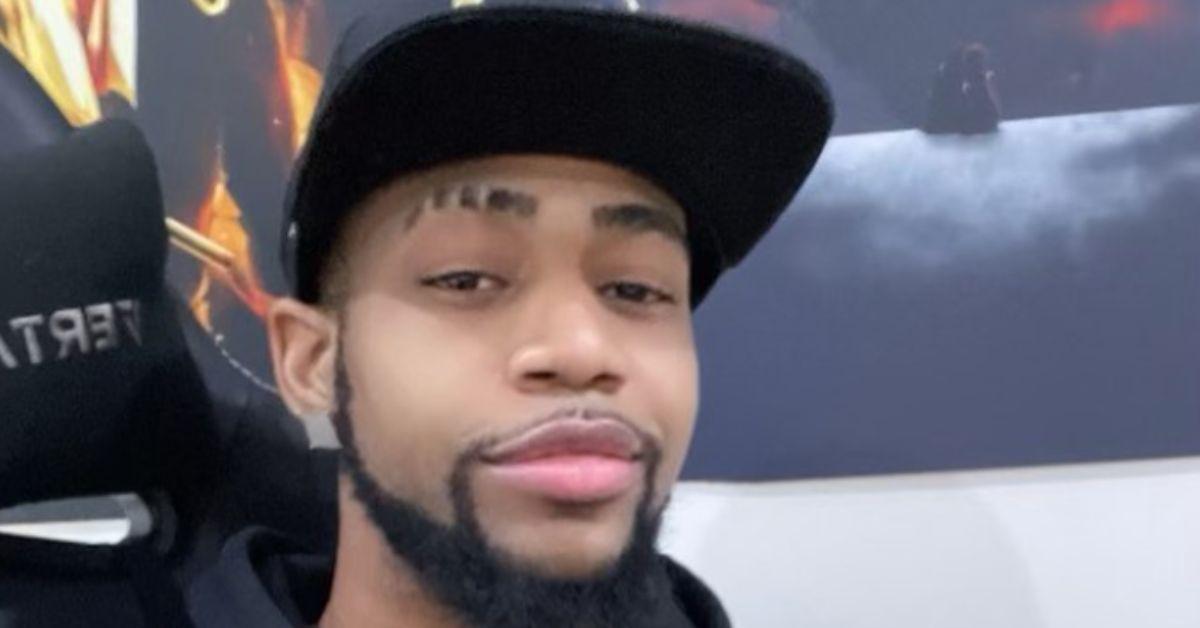
After a long period of inactivity, Daequan attempted one of the most significant brand pivots in recent memory: the move from TSM to NRG and the launch of the “Thoom House.” This move represented an attempt to modernize the brand and regain market share.
Rebranding Through New Partnerships
The transition to NRG was a strategic attempt to refresh the brand’s image. It signaled a “new era.” In corporate terms, this was a re-launch. By moving into a content house with his long-time collaborator Hamlinz, Daequan was attempting to leverage “nostalgia marketing.” He was selling the audience a return to the “golden age” of 2018, packaged in a 2021 production value.
The Failure of the Content House Model as a Buffer
The Thoom House was intended to be a content engine that would sustain the brand even when individual creators were tired. However, the project highlighted a critical flaw in personal branding: the brand is the person. If the person is not mentally or physically present to fulfill the brand’s promise, the infrastructure around them (the house, the editors, the sponsors) cannot compensate. The Thoom House went dark shortly after its launch, which arguably did more damage to the Daequan brand than his previous absences, as it represented a failed “official” return.
Mental Health and Sustainability in Brand Strategy
A professional analysis of Daequan’s trajectory would be incomplete without addressing the human element. For creators, the “person” is the “product,” and if the product is broken, the brand cannot function.
Integrating Vulnerability into Brand Identity
Modern brand strategy increasingly recognizes the value of authenticity, including the discussion of health and burnout. Daequan’s struggles with health and the pressure of the spotlight are not unique, but his brand’s inability to integrate these struggles into a sustainable content model is a key takeaway. Brands that survive the long haul—like those of some of his contemporaries—often pivot to lower-stress content or “behind-the-scenes” roles when the “front-facing” pressure becomes too much.
The “Burnout” Risk in Content Marketing
Daequan’s brand was built on high-energy, high-engagement output. This is a high-risk brand model. When a brand’s value is tied to a specific level of performative energy, any dip in that energy is perceived as a decline in product quality. For digital entrepreneurs, the lesson is to build brand pillars that are not entirely dependent on the creator’s physical and mental peak performance. Diversifying a brand to include intellectual property (IP), merchandise, or community-led initiatives can provide the “passive brand equity” needed during periods of rest.
The Legacy of the Daequan Brand: Lessons for the Future
As of 2024, the “TSM Daequan” brand exists largely in the realm of digital nostalgia. While his social media accounts remain followed by millions, the active engagement that defines a thriving brand has largely dissipated.
The Difference Between Fame and Influence
Daequan remains “famous,” but his “influence”—the ability to drive action, sales, and cultural conversation—has waned. This distinction is vital for marketers. Fame is a lagging indicator of past success; influence is a leading indicator of future growth. A brand that does not engage with its community loses its influence, even if its name recognition remains high.
Building for Longevity in a Volatile Market
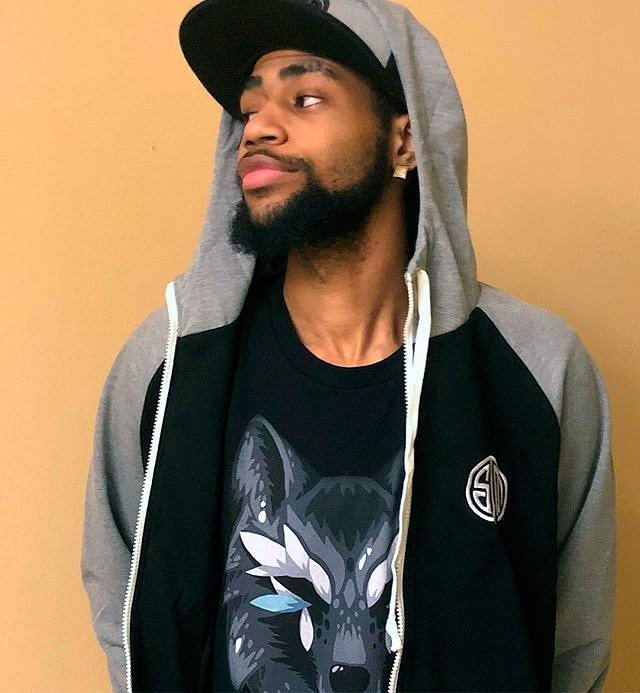
The story of Daequan highlights the need for a “Sustainability Roadmap” in personal branding. For a brand to last decades rather than years, it must evolve. It must move from being “the person who plays X game” to “the person who represents X values.” By the time Fortnite’s popularity shifted, the Daequan brand was still too tied to that specific era and style of content. When he was unable to consistently produce that content, the brand lacked a secondary “anchor” to keep it grounded in the market.
In conclusion, “what happened to TSM Daequan” is not just a question about a missing YouTuber; it is an inquiry into the fragility of digital empires. His rise showed the world the power of a charismatic, authentic personal brand. His disappearance, however, serves as a stark reminder that in the digital age, a brand is a living organism. It requires consistent nourishment, strategic communication, and an adaptable structure to survive the inevitable pressures of fame and the shifting tides of consumer interest. For those building their own brands today, Daequan’s journey is the ultimate guidebook on the importance of consistency, the necessity of crisis communication, and the vital need to prioritize the human being behind the logo.
aViewFromTheCave is a participant in the Amazon Services LLC Associates Program, an affiliate advertising program designed to provide a means for sites to earn advertising fees by advertising and linking to Amazon.com. Amazon, the Amazon logo, AmazonSupply, and the AmazonSupply logo are trademarks of Amazon.com, Inc. or its affiliates. As an Amazon Associate we earn affiliate commissions from qualifying purchases.