
For a certain generation, the name Travie McCoy conjures images of catchy pop-punk anthems, a distinctive voice, and the charismatic frontman of Gym Class Heroes. From the ubiquitous “Cupid’s Chokehold” in the mid-2000s to the infectious Bruno Mars collaboration “Billionaire,” McCoy carved out a significant niche in the pop music landscape. He was a staple on radio waves, MTV, and subsequently, early digital music platforms. However, like many artists who experience a meteoric rise, his mainstream visibility seemed to ebb, leaving many to wonder: what exactly happened to Travie McCoy?
The answer isn’t a simple one, nor is it necessarily a tale of decline. Instead, it’s a multifaceted narrative that mirrors the profound shifts within the entertainment industry itself – a world increasingly dominated by technological innovation, the relentless demands of personal branding, and the ever-evolving complexities of financial sustainability. To understand Travie McCoy’s trajectory, we must look beyond the traditional music press and examine how the interwoven forces of tech, brand, and money have shaped not only his career but the very definition of an artist’s success in the 21st century. His story becomes a microcosm of a larger industry in flux, revealing the challenges and opportunities faced by musicians attempting to navigate an often-unforgiving digital landscape.
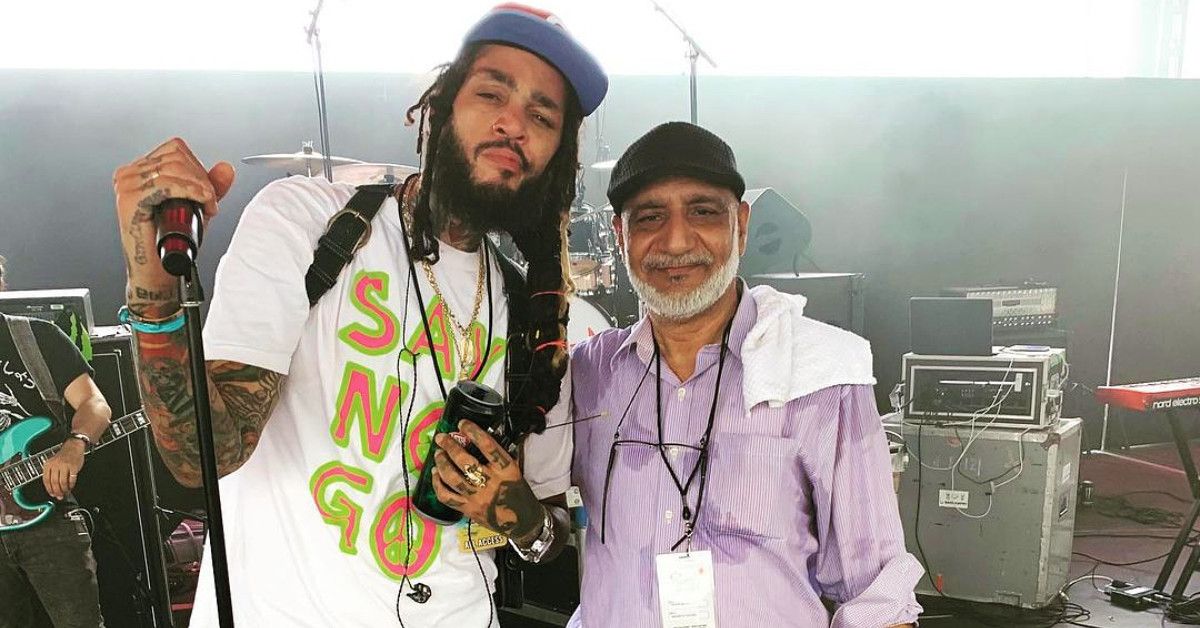
The Rise and (Perceived) Retreat: A Look at His Career Arc
Travie McCoy’s initial ascent to stardom was a classic example of organic growth meeting mainstream appeal. Gym Class Heroes, formed in upstate New York, built a loyal following through relentless touring and independent releases before breaking through with their unique blend of hip-hop, funk, and punk. Their sound, fronted by McCoy’s distinct lyrical style and charismatic stage presence, resonated with an audience looking for something fresh and authentic.
From Pop-Punk Sensation to Solo Endeavors
The band’s third album, As Cruel as School Children, released in 2006, propelled them into the global spotlight, largely thanks to the smash hit “Cupid’s Chokehold,” which sampled Supertramp’s “Breakfast in America.” This track, alongside others like “Clothes Off!!,” showcased McCoy’s ability to craft narratives that were both deeply personal and universally relatable. The band’s success continued with The Quilt and The Papercut Chronicles II, solidifying their place in the pop-rock pantheon.
McCoy’s solo career further elevated his profile. His 2010 debut solo album, Lazarus, featured the immensely popular “Billionaire,” a collaboration with Bruno Mars. This track became an anthem for aspirations and dreams, further cementing McCoy’s status as a formidable individual artist. Yet, this period also marked a turning point. The intense pressures of touring, recording, and maintaining a public persona began to take their toll, a common thread among artists who achieve rapid, widespread fame. The expectation to constantly deliver chart-topping hits and remain in the public eye can be exhausting, leading many to seek a different pace or direction. For McCoy, this period set the stage for a less public-facing career, leading to speculation about his whereabouts and activities.
Navigating the Shifting Sands of the Music Industry
Travie McCoy’s peak career coincided with a tumultuous era for the music industry. The mid-2000s saw the internet fundamentally transform how music was consumed, distributed, and monetized. This was the nascent stage of digital downloads largely displacing physical album sales, with file-sharing platforms presenting existential threats to traditional revenue models. Artists and labels alike grappled with diminishing returns from record sales, shifting the financial burden and focus heavily towards touring and merchandise.
As the decade progressed, the rise of streaming services further fragmented the market. While these platforms offered unparalleled reach and accessibility, the royalty rates often proved challenging for artists, particularly those without immense catalog numbers or continuous viral hits. For an artist like McCoy, who had achieved success in a hybrid era, navigating these changes required adaptability. The traditional pathways to promotion – radio and music television – were increasingly supplemented, and eventually overshadowed, by digital marketing, social media algorithms, and influencer culture. Understanding and leveraging these “Tech” trends became paramount, not just for new artists but for established ones looking to maintain relevance and income. McCoy’s story, therefore, also becomes a narrative about how a successful artist from one era adapted, or perhaps chose not to adapt fully, to the relentless pace of digital evolution. The perceived “retreat” might well have been a strategic re-evaluation of his place within this ever-changing technological landscape.
The Digital Footprint: Technology’s Role in Modern Celebrity
In today’s interconnected world, an artist’s career is as much about their digital presence as it is about their musical output. The perceived absence of Travie McCoy from mainstream media often correlates directly with a less aggressive digital footprint, a stark contrast to the continuous engagement expected of modern celebrities.
Social Media and Sustaining Relevance
The explosion of social media platforms – from MySpace during Gym Class Heroes’ early days, to Twitter, Instagram, TikTok, and YouTube – has fundamentally altered how artists connect with their fanbase and maintain relevance. For many, constant engagement, regular content updates, and a curated online persona are non-negotiable elements of a thriving career. Fans expect direct interaction, behind-the-scenes glimpses, and a steady stream of updates.
Travie McCoy, while active on some platforms, has never been known for the kind of hyper-curated, always-on digital presence that defines many contemporary stars. This isn’t a criticism, but rather an observation about different approaches to celebrity in the digital age. A more private approach, while perhaps preserving personal well-being, can lead to a perception of “disappearance” in an algorithm-driven world that prioritizes constant visibility. If an artist isn’t regularly posting, engaging, or going viral, their “Tech” footprint diminishes, and with it, their perceived cultural relevance, regardless of ongoing creative work or touring. For artists who value authenticity over algorithmic optimization, this creates a dilemma: embrace the digital churn or risk fading from public consciousness.
The Creator Economy and New Avenues
Beyond social media, the “creator economy” driven by technological advancements has opened up entirely new avenues for artists to monetize their work and engage with fans. Streaming platforms like Spotify, Apple Music, and Amazon Music are now the primary distribution channels, offering global reach at the click of a button. However, as noted, the financial returns can be modest for many. This has led to an increasing emphasis on direct-to-fan models.
Platforms like Patreon allow artists to build subscription-based communities, offering exclusive content and direct support. Services like Bandcamp facilitate direct sales of music and merchandise, cutting out middlemen. YouTube offers revenue through ads and channel memberships. Furthermore, emerging “Tech” trends such as NFTs (Non-Fungible Tokens) have presented opportunities for artists to create unique digital collectibles, offering new forms of ownership and fan engagement, though their long-term viability is still being explored. For artists like Travie McCoy, who may prefer a less conventional path, these new “Money” and “Tech” avenues offer flexibility. They allow for sustained creative output and financial stability without the need for constant mainstream media attention. Perhaps Travie has quietly explored these alternative monetization and distribution models, maintaining a career that is less about chart positions and more about sustainable artistic output and a dedicated fanbase.
AI and the Future of Music Creation/Promotion
While Travie McCoy’s peak was before the widespread adoption of advanced AI tools in music, the rapid evolution of “AI Tools” is now profoundly impacting every facet of the industry, from creation to promotion. Had McCoy been making a comeback today, or if he is working on new material, AI could play a significant role. AI-powered software can assist in music composition, generate instrumental tracks, or even help with vocal processing. For marketing, AI can analyze fan data to target promotions more effectively, personalize fan engagement, and even optimize release strategies for streaming platforms.
AI tools for generating social media content, transcribing interviews, or even creating unique visual assets for music videos are becoming more accessible. An artist leveraging these technologies could potentially produce high-quality content more efficiently and reach niche audiences with unprecedented precision. For an artist who might prefer to focus on the creative process rather than the constant grind of self-promotion, AI could be a powerful enabler. It could allow Travie McCoy to maintain a creative output and a presence without requiring the same level of personal bandwidth, demonstrating how even established artists might integrate cutting-edge “Tech” to redefine their professional approach.
Rebranding and Reinvestment: Managing a Public Persona
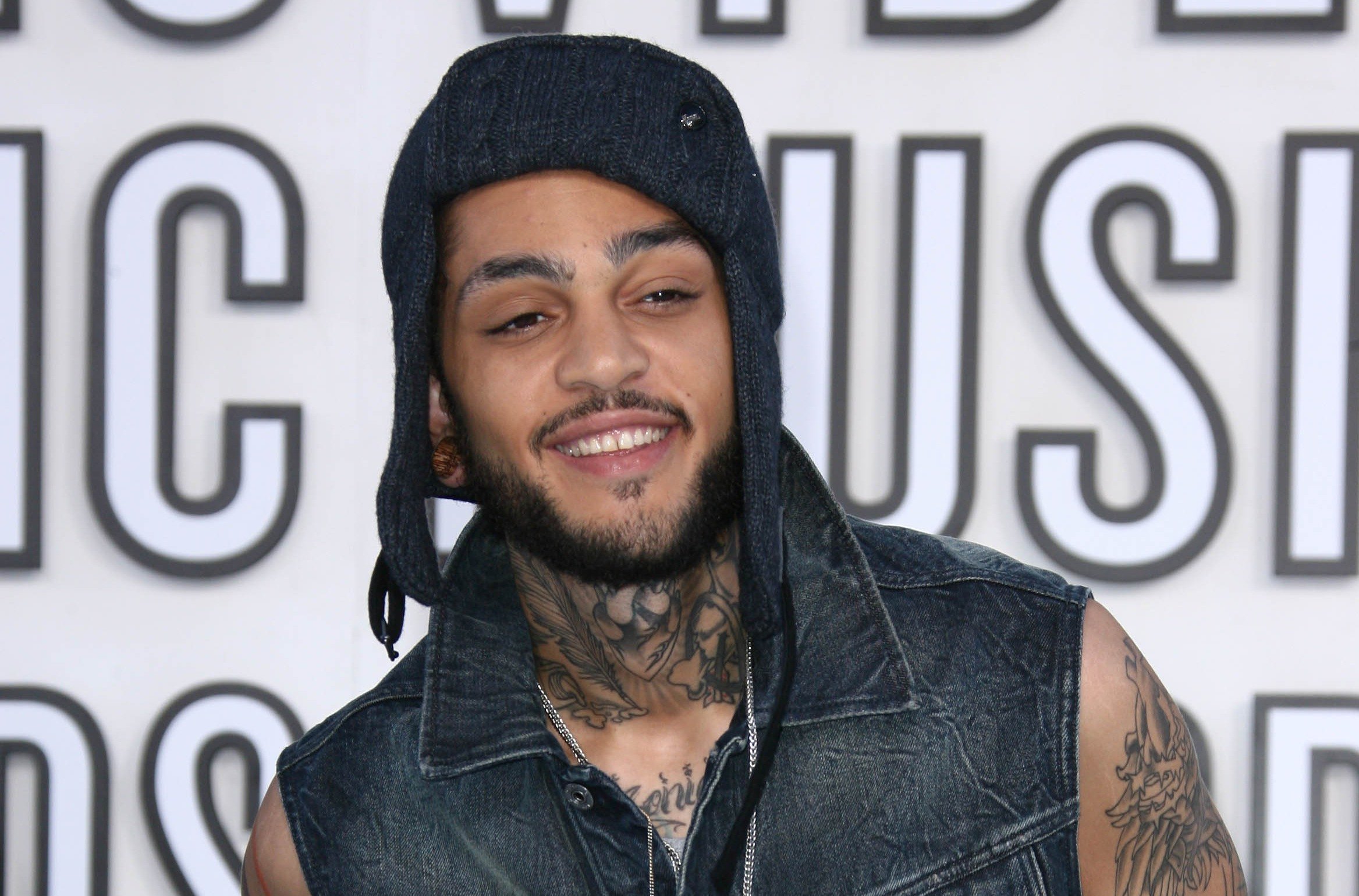
Beyond the technological shifts, Travie McCoy’s journey also highlights the challenges and opportunities in managing a personal “Brand” in an era of constant scrutiny and evolving expectations. An artist’s brand is not just their music; it encompasses their image, values, lifestyle, and how they interact with the world.
Personal Branding in the Digital Age
Travie McCoy’s initial brand was distinct: a tattooed, charismatic frontman with a penchant for clever lyrics and an eclectic musical taste. He embodied a certain indie-pop sensibility that was both approachable and edgy. However, as an artist matures, so too does their personal brand. The challenge lies in evolving authentically while maintaining a connection with the core audience. The digital age complicates this further, as every action, or inaction, contributes to the ongoing narrative.
For someone like McCoy, who has had periods of intense public scrutiny (including personal relationships and health struggles), managing this narrative requires a conscious effort. Does one double down on the established brand, or pivot to something new? Does stepping away from the spotlight reflect a strategic re-evaluation of one’s public persona, or simply a desire for personal space? In a world where “Personal Branding” often means commodifying every aspect of one’s life, choosing a path of less visibility can be a powerful statement, albeit one that might lead to questions about “what happened.” It suggests a prioritization of personal well-being and creative integrity over the relentless pursuit of mainstream omnipresence.
Beyond the Music: Diversifying the Brand
Many artists in the 21st century have successfully diversified their personal brands beyond music, venturing into fashion, acting, entrepreneurship, or even social activism. This not only provides additional revenue streams but also keeps the artist relevant and visible across different cultural touchpoints. Rihanna with Fenty, Jessica Alba with The Honest Company, or Jay-Z with Roc Nation and various investments are prime examples of artists who have leveraged their fame to build substantial “Corporate Identity” and business empires.
The question for Travie McCoy is whether he pursued similar “Side Hustles” or “Business Finance” opportunities. While not publicly known for major ventures outside of music, it’s entirely plausible that he has been involved in smaller, more private entrepreneurial efforts, or perhaps behind-the-scenes creative projects. The modern artist’s income streams are rarely solely from record sales or touring; they often include sync licensing, endorsements, merchandising, and various forms of content creation. Diversifying one’s brand is not just about expanding influence; it’s a crucial strategy for financial stability and long-term career viability, especially for artists whose primary creative output might not generate constant mainstream attention. This shift towards a more diversified approach is a testament to the need for resilience and adaptability in the ever-changing entertainment landscape.
The Power of Narrative Control
In an age of endless news cycles and social media commentary, controlling one’s narrative is a constant battle. Artists are often subject to media interpretations, fan speculation, and the pressure to disclose personal information. For Travie McCoy, who stepped back from the constant glare, the power of narrative control becomes even more critical. Silence can be interpreted in many ways – from struggle to contentment, from irrelevance to intentional privacy.
Digital security, in this context, extends beyond protecting online accounts; it involves safeguarding one’s reputation and personal story from unsolicited intrusion or misrepresentation. An artist’s strategic use of social media (or lack thereof), interviews, and official statements dictates how their story is told. Travie McCoy’s less visible profile might reflect a deliberate choice to reclaim narrative control, allowing his work to speak for itself when he chooses to release it, rather than being constantly subjected to external interpretations. This choice underscores a profound understanding that in the attention economy, sometimes the most powerful statement an artist can make is to simply exist and create on their own terms, away from the digital noise.
The Financial Landscape: What Does “Success” Look Like Now?
The question of “what happened” to an artist often carries an implicit assumption about financial standing. In the past, mainstream visibility almost directly correlated with financial success. Today, the relationship is far more nuanced, especially for artists navigating complex royalty structures and diverse income streams.
From Record Deals to Independent Wealth
The traditional model of lucrative record deals and massive album advances has largely diminished, especially for mid-tier artists. While superstar acts still command significant upfront payments, the majority of artists now rely on a mosaic of income sources. This includes streaming royalties (which, individually, are often very low), touring income, merchandise sales, sync licensing for TV and film, brand partnerships, and direct-to-fan monetization.
For Travie McCoy, who experienced the tail end of the traditional record deal era and the full force of the digital transition, adapting his “Personal Finance” strategy would have been crucial. Artists today are often their own small businesses, requiring acumen in “Business Finance,” “Investing,” and managing diverse revenue streams. The decline of album sales meant that even artists with considerable past success needed to rethink how they generated “Online Income” and ensured long-term financial stability. It’s entirely plausible that Travie, like many of his peers, has made shrewd financial decisions during his peak, allowing him the freedom to pursue projects at his own pace, rather than being beholden to the constant grind for immediate income.
Sustainable Careers vs. Fleeting Fame
The music industry is notorious for its boom-and-bust cycles. Many artists experience fleeting fame, only to disappear financially and professionally. A “sustainable career” in today’s landscape often means building a dedicated niche audience, diversifying income, and making smart financial plans. It doesn’t necessarily require constant chart presence or sold-out arena tours. Some artists choose to leverage their past success into other ventures, while others might focus on more intimate, creatively fulfilling projects that may not generate mainstream headlines but provide a steady income.
For Travie McCoy, his ability to take breaks and work on new material (such as the 2022 album NEVER SLEEP AGAIN) suggests a degree of financial independence and a focus on long-term artistic output rather than short-term viral hits. This approach aligns with the concept of “Financial Tools” and strategies that prioritize stability and well-being over the intense, often unsustainable demands of continuous mainstream relevance. His choice might reflect an understanding that true “success” isn’t just about fame, but about the ability to control one’s creative output and financial destiny on one’s own terms.
The Hidden Costs of Stardom and the Value of Privacy
Being a public figure comes with significant costs – not just financial (security, legal, PR teams) but also personal (privacy, mental health, relationships). The constant pressure to perform, to be “on,” and to meet public expectations can be profoundly draining. Many artists, after experiencing intense periods of fame, choose to step back, recognizing the immense value of privacy and a more balanced life.
This choice can be a strategic “productivity” hack, allowing for rejuvenation and more focused creative work away from external pressures. While it might lead to questions about their public status, it often signifies a healthy re-evaluation of priorities. For Travie McCoy, stepping away from the relentless cycle of touring and promotion could be seen as an investment in his long-term health and creative output. The perceived silence might not be an absence but a deliberate cultivation of a life and career that prioritizes personal well-being and artistic integrity over the often-demanding and sometimes destructive nature of continuous stardom.

Conclusion: Travie McCoy’s Evolving Narrative and the Modern Artist
So, what happened to Travie McCoy? The reality is far more nuanced than a simple rise and fall. His story is a compelling illustration of an artist navigating a music industry radically transformed by technology, the intricate demands of personal branding, and the evolving financial realities of creative work. He experienced the pinnacle of mainstream success, adapted to an industry in flux, and has continued to create and release music, albeit with a less omnipresent public profile.
The era of the “disappearing act” for musicians is often a misnomer in the digital age. Instead, it frequently reflects a conscious choice: to prioritize personal well-being, to create on one’s own terms, and to leverage “Tech” in ways that foster sustainable “Money” streams without requiring constant mainstream visibility. Travie McCoy’s journey from pop-punk sensation to a more measured, independent artist is a testament to his resilience and adaptability. He represents a cohort of musicians who, having tasted widespread fame, have learned to redefine success – not solely by chart positions or media headlines, but by the ability to continue making music, connecting with a dedicated fanbase, and maintaining control over their personal and professional narratives in an ever-changing world. His story isn’t one of fading away, but rather of evolving, adapting, and ultimately, thriving in a more deliberate and personal way.
aViewFromTheCave is a participant in the Amazon Services LLC Associates Program, an affiliate advertising program designed to provide a means for sites to earn advertising fees by advertising and linking to Amazon.com. Amazon, the Amazon logo, AmazonSupply, and the AmazonSupply logo are trademarks of Amazon.com, Inc. or its affiliates. As an Amazon Associate we earn affiliate commissions from qualifying purchases.