
The trajectory of a public figure is often measured by their visibility, their influence, and their ability to pivot during shifting cultural tides. For Tipper Gore, the former Second Lady of the United States, the arc of her public brand represents one of the most complex studies in identity management in modern American history. To understand what happened to Tipper Gore, one must look beyond the tabloid headlines of her 2010 separation from Al Gore and instead analyze the strategic evolution of a personal brand that moved from controversial crusader to a model of dignified, private legacy.

In the world of personal branding, Tipper Gore’s journey offers a masterclass in how to build, maintain, and eventually transition a public persona. Her story is a narrative of three distinct brand phases: the proactive activist, the supportive political partner, and the independent private citizen. Each phase provides vital insights into how public figures navigate the volatile intersection of politics, media, and personal values.
The Architect of the Parental Advisory: Building a Controversial Public Identity
Long before she was the Second Lady, Tipper Gore established a brand identity that was synonymous with moral advocacy and cultural protection. In the mid-1980s, she co-founded the Parents Music Resource Center (PMRC). This move was a decisive brand-building exercise that positioned her at the center of a national conversation regarding media consumption and parental rights.
The PMRC and the Power of Advocacy Branding
The PMRC was not merely a lobbying group; it was a branding powerhouse. By identifying a specific “pain point” for American parents—the increasing explicitness of popular music—Gore and her colleagues created a narrative of protection. The result was the “Parental Advisory: Explicit Content” sticker. From a branding perspective, this was a monumental achievement. It created a visual symbol that is still recognized globally nearly forty decades later.
For Tipper Gore, this era established her as a woman of conviction who was unafraid of high-profile conflict. She went head-to-head with some of the biggest icons of the era, from Frank Zappa to Dee Snider. This phase of her branding was characterized by “disruption.” She disrupted the music industry’s status quo, forcing a corporate identity shift within record labels. While it earned her critics, it solidified her standing among a significant demographic of American voters and families.
Navigating the Backlash: Brand Resilience in the Face of Criticism
Every strong brand faces opposition, and Tipper Gore’s early identity was frequently caricatured as being “pro-censorship.” However, her ability to maintain a consistent message—that her goal was information, not prohibition—showcases a high level of brand resilience. She didn’t retreat when the heavy metal and rap communities pushed back; she leaned into the role of the informed advocate. This period of her life illustrates that a polarizing brand can often be more impactful than a neutral one, as it demands engagement and defines clear boundaries.
The Second Lady Brand: Balancing Personal Passion with Political Duty
When Al Gore became Vice President in 1993, Tipper Gore faced the challenge of integrating her independent activist brand into the more traditional, constrained role of a political spouse. This required a strategic pivot. A brand that is too aggressive can overshadow the political principal, while a brand that is too passive risks becoming irrelevant.
Mental Health Advocacy: Expanding the Brand Beyond Censorship
To evolve her public image, Gore shifted her primary focus from music lyrics to mental health. This was a sophisticated branding move. It allowed her to maintain the “protector” and “advocate” pillars of her identity while moving into a more compassionate and universally respected space.
By becoming the first “Mental Health Advisor” to the President, she utilized her platform to destigmatize clinical depression—a topic she spoke about with personal authenticity. In personal branding, vulnerability is often a catalyst for deep audience connection. By sharing her own struggles with depression following her son’s near-fatal accident, Gore humanized her brand, transitioning from a stern cultural critic to a relatable and empathetic leader.
The Image of the Supportive Partner
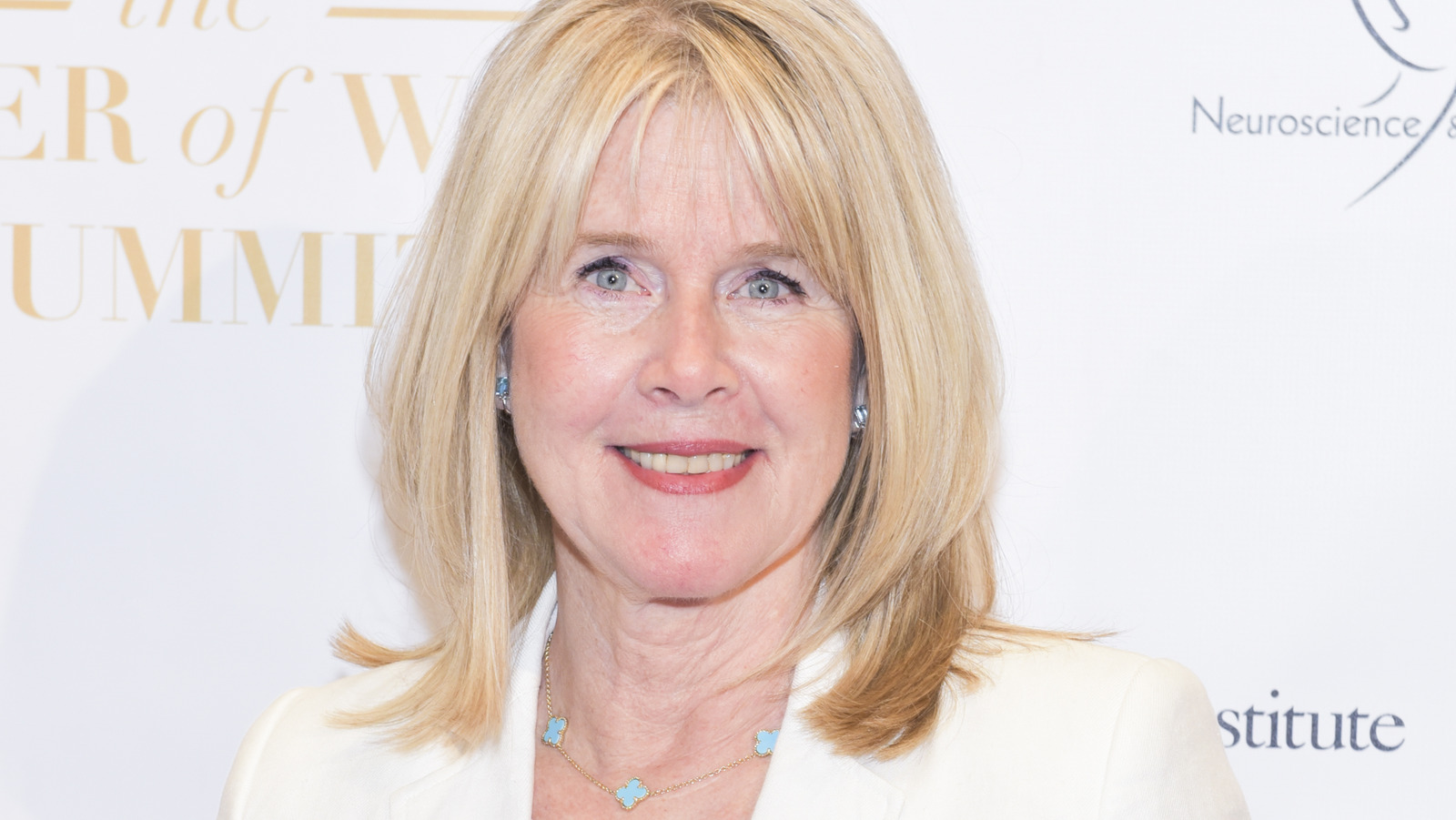
Throughout the Clinton-Gore administration and the 2000 presidential campaign, Tipper Gore’s brand was intertwined with the concept of the “Power Couple.” Her public identity became a crucial component of the Gore campaign’s corporate identity. She was often portrayed as the “warm” counterpart to Al Gore’s “stiff” intellectualism. This symbiotic branding reached its peak during the 2000 Democratic National Convention with “The Kiss”—a highly publicized moment of affection that was designed to humanize the Gore brand for the American public.
The Strategic Pivot: The 2010 Separation and Reclaiming Individual Narrative
One of the most significant moments in the “What happened to Tipper Gore” narrative occurred in June 2010, when Al and Tipper Gore announced their mutual decision to separate after 40 years of marriage. For many, this was the end of a political era, but for Tipper Gore’s personal brand, it was a moment of profound reclamation.
Dissolving a Joint Brand
Managing the dissolution of a high-profile joint brand is a delicate PR operation. The Gores executed this transition with a level of professionalism that is rare in the public eye. There were no public feuds, no tell-all books, and no leaked scandals. By maintaining a united, dignified front during the separation, Tipper Gore protected her brand equity. She ensured that her decades of public service would not be overshadowed by a messy personal narrative.
This transition highlights an important lesson in brand strategy: how to exit a partnership without damaging your individual credibility. By choosing silence and privacy over media engagement, Gore signaled that her value was not dependent on her marital status or her proximity to political power.
Moving Out of the Political Spotlight
Since the separation, Tipper Gore has largely stepped away from the national political stage. This was not a “fading away” but rather a strategic withdrawal. In an era where many former public figures struggle to remain relevant through reality television or social media controversy, Gore chose a path of quiet influence.
She focused on her passions—photography and local community engagement. Her brand shifted from “Public Figure” to “Private Citizen with a Legacy.” This shift is essential for long-term brand health. Recognizing when a chapter has closed and having the discipline to step back allows a person to maintain their dignity and control their final narrative.
Legacy Branding: What Tipper Gore Teaches Us About Long-Term Identity Management
The question of “what happened” to Tipper Gore is best answered by looking at the legacy she left behind and the life she chose to build afterward. Her brand today is one of substance over sizzle. She is remembered as a woman who shaped the music industry, championed mental health long before it was a mainstream cause, and handled personal transition with grace.
Authenticity vs. Visibility
In the modern landscape of personal branding, there is a dangerous misconception that visibility equals success. Tipper Gore’s current life proves the opposite. By prioritizing authenticity and personal peace over public visibility, she has maintained a high level of respect. She did not attempt to “rebrand” herself for a younger generation; instead, she allowed her work to speak for itself while she pursued a life of creative fulfillment through photography.
Her photography books, such as Picture This: A Personal Photographic Diary, serve as a literal and metaphorical lens through which we can see her brand evolution. It is the work of an observer, someone who has moved from the center of the frame to the person behind the camera.

The Modern Relevance of the Tipper Gore Model
For professionals and public figures today, the “Tipper Gore model” of branding is highly instructive. It teaches us:
- Be the First to Claim a Niche: Her work with the PMRC made her the face of parental advocacy in music, a position she held exclusively for years.
- Pivot with Purpose: Her transition to mental health advocacy was a logical and compassionate extension of her core values.
- Control the Exit: By managing her departure from the political limelight on her own terms, she preserved her reputation.
Tipper Gore’s current status—living a largely private life in Virginia and California—is the result of a deliberate choice to de-escalate her public brand. She has traded the noise of political campaigns and cultural wars for the quietude of artistic pursuit. What happened to Tipper Gore is that she successfully transitioned from being a brand defined by others to a person defined by herself. In the world of brand strategy, there is no greater success than achieving that level of autonomy. Her story remains a powerful reminder that while a public brand can be a tool for change, the ultimate goal of any personal brand should be to serve the person behind it, allowing them to eventually walk away on their own terms.
aViewFromTheCave is a participant in the Amazon Services LLC Associates Program, an affiliate advertising program designed to provide a means for sites to earn advertising fees by advertising and linking to Amazon.com. Amazon, the Amazon logo, AmazonSupply, and the AmazonSupply logo are trademarks of Amazon.com, Inc. or its affiliates. As an Amazon Associate we earn affiliate commissions from qualifying purchases.